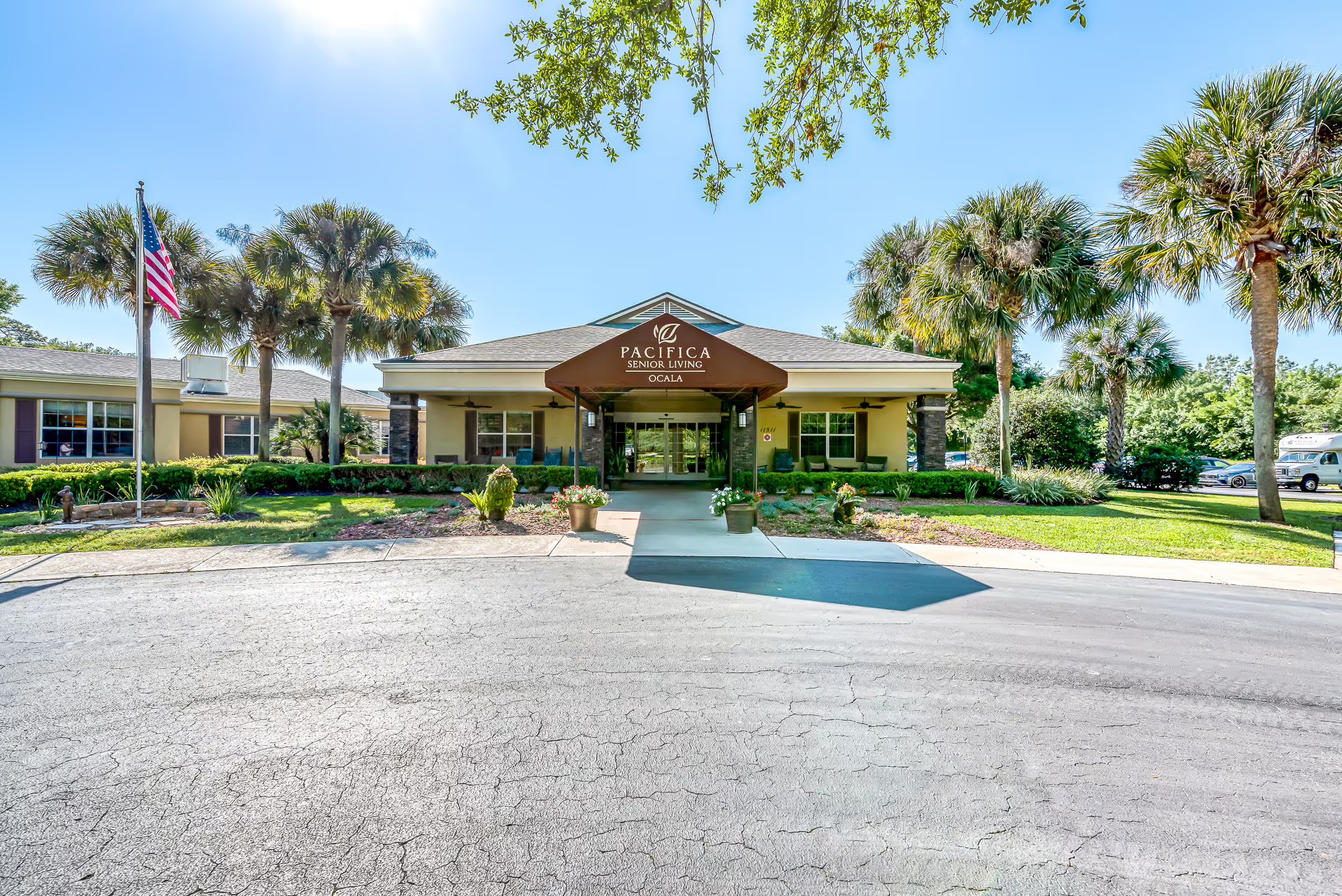
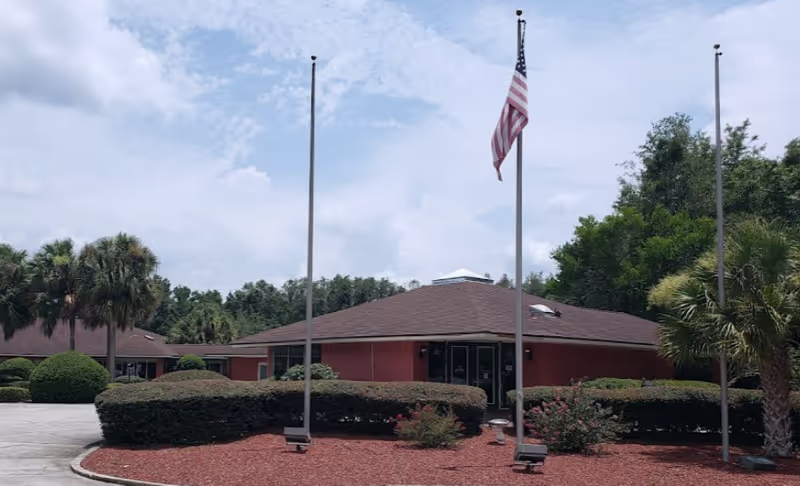
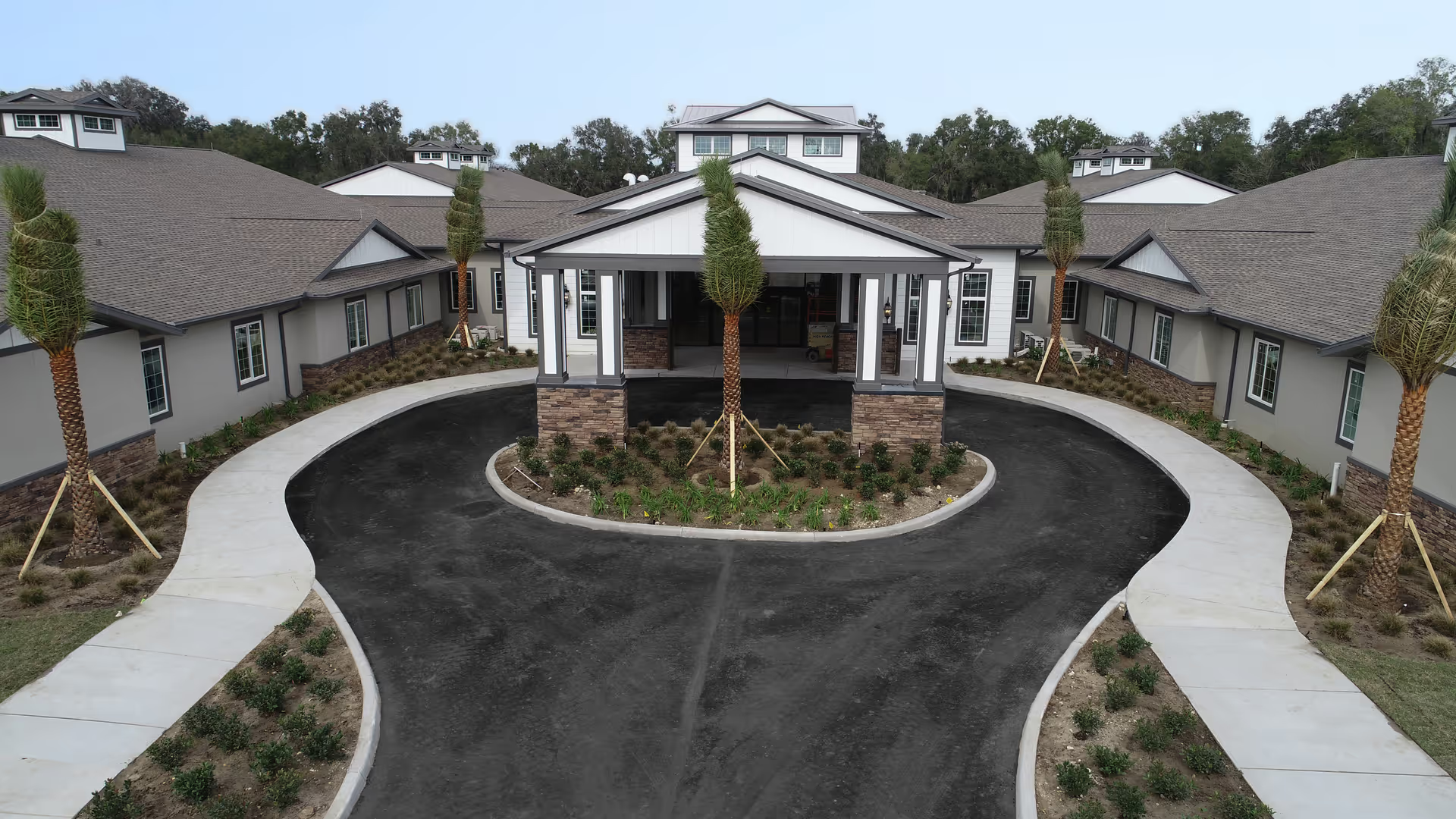
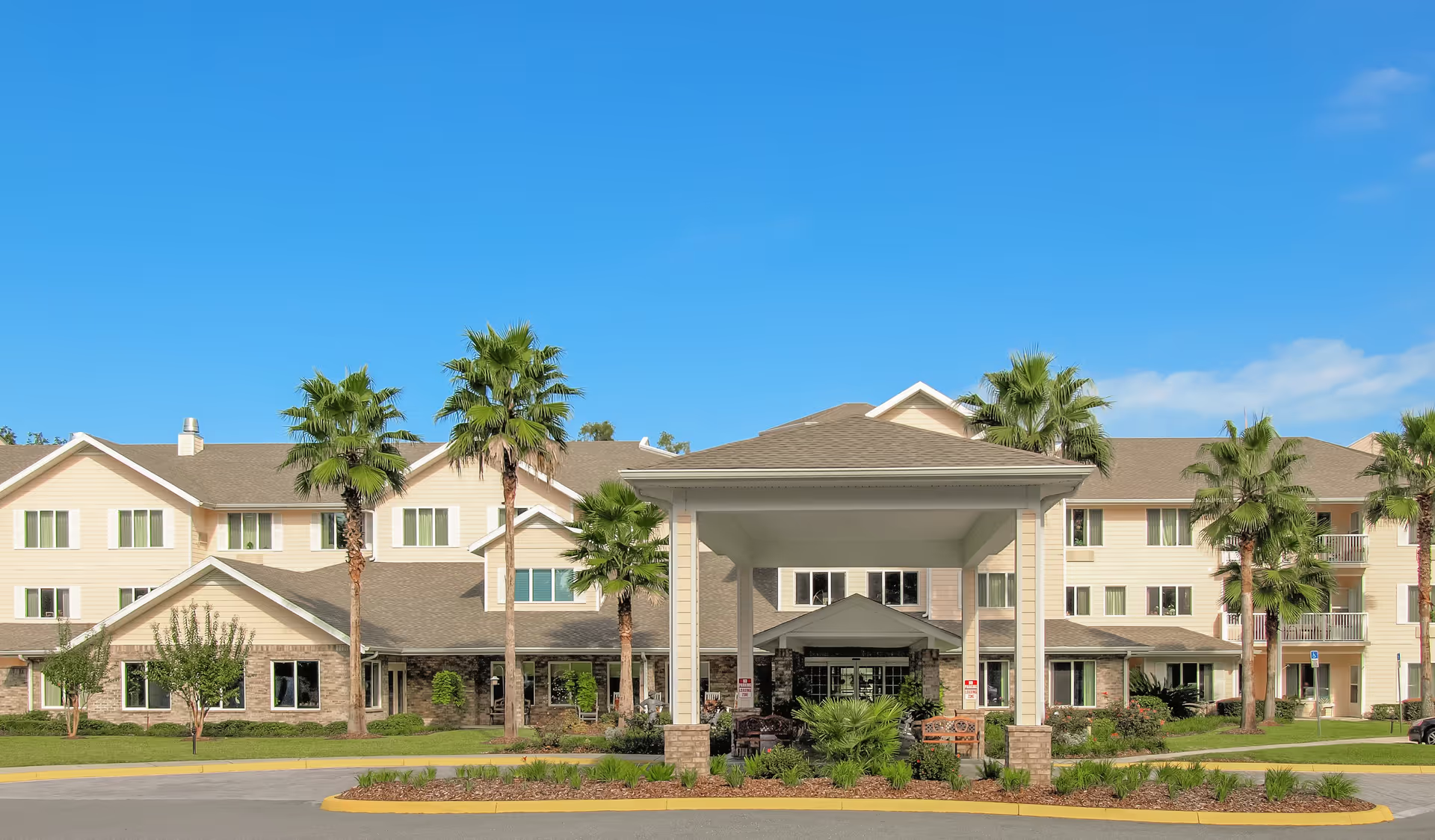
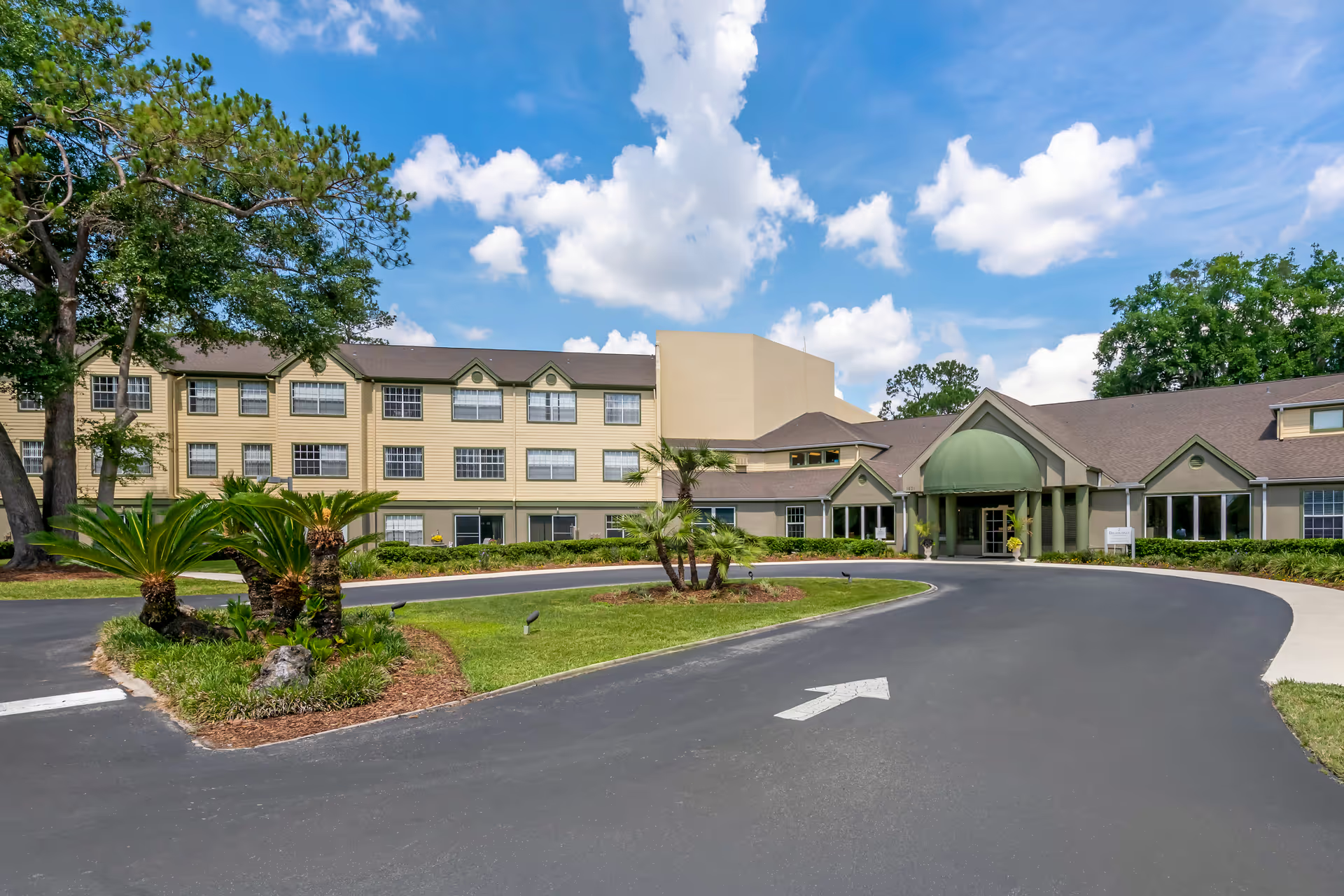
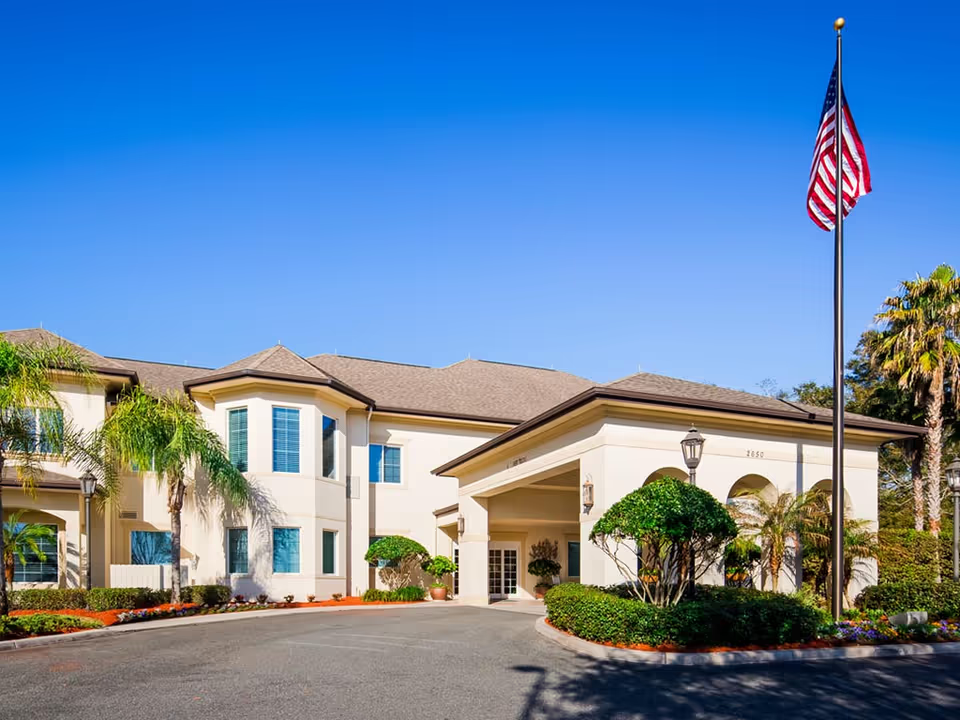
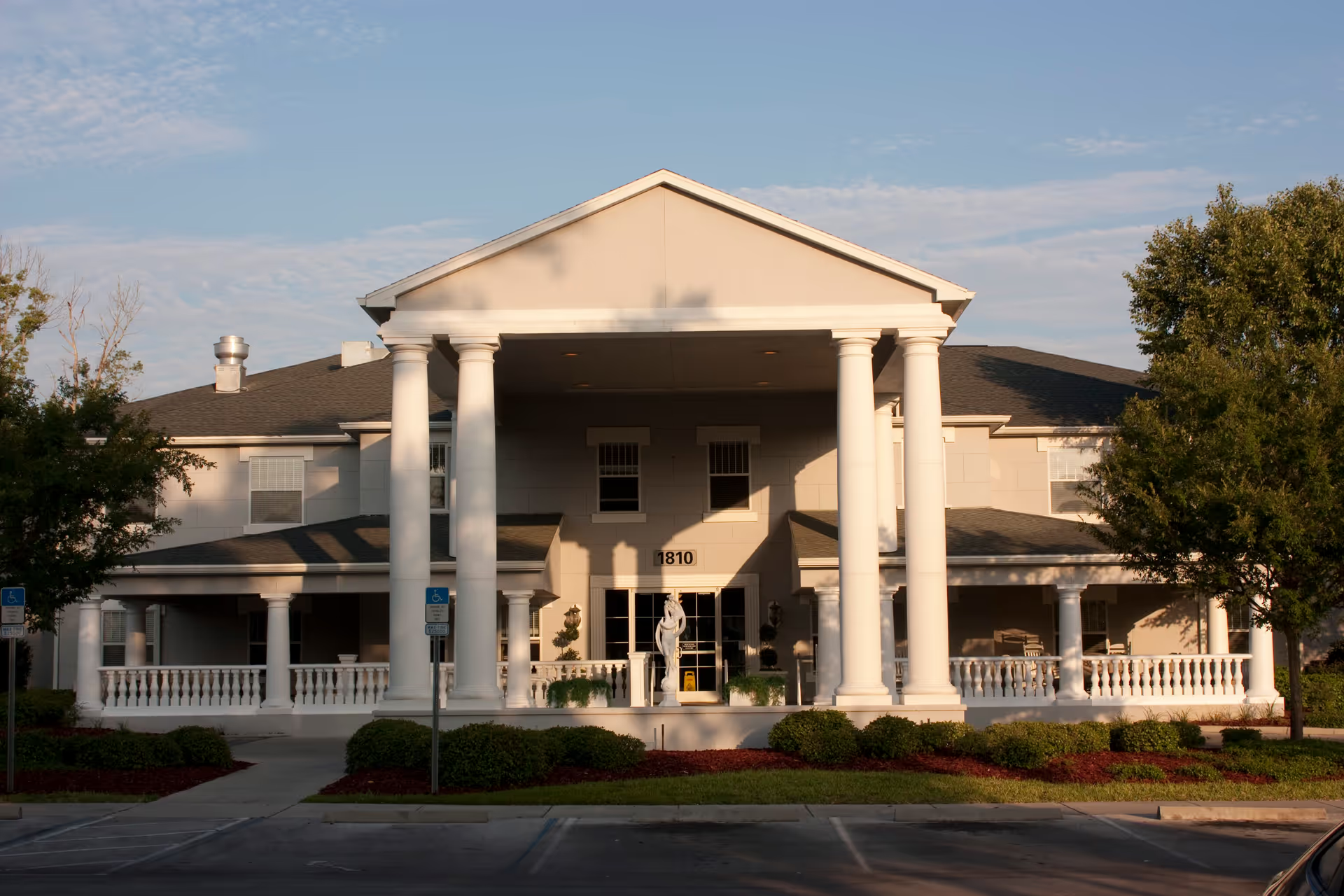
Brookdale Canopy Oaks presents as a small, community-oriented assisted living and memory-care option with many families citing strong interpersonal strengths. Across a large number of accounts, staff are described as caring, approachable, and family-focused; residents and families often note individualized attention, a welcoming admissions experience, and staff members who go beyond basic duties. The community offers a robust activities program (games, baking, outings, music, crafts) and regular transportation for appointments and excursions, which contributes to an active social environment for many residents. Physical strengths include an accessible courtyard and garden spaces, attractive dining rooms with lots of windows, on-site personal services (salon), and easy-to-navigate, single-floor layouts in portions of the community.
Care quality shows a mixed but identifiable pattern. Many families praise attentive frontline caregivers and proactive nurses who communicate clearly and respond quickly to changes. At the same time, there are recurring operational concerns that affect clinical reliability: high staff turnover, inconsistent shift coverage (particularly nights and weekends), and occasional gaps in medication administration or clinical oversight. These issues manifest as delays in response, missed treatments or medications, and variability in the level of supervision. While some reviewers report prompt corrective action and responsive leadership, others describe periods of weakened oversight that contributed to serious family concerns.
Dining and housekeeping receive polarized feedback. Several reviewers highlight enjoyable meals, appealing dining areas, and social dining experiences; others report inconsistent food quality, small portions, buffet-service challenges for residents with mobility limits, and variable housekeeping standards. Sanitation and pest-control concerns are raised in a subset of accounts, alongside reports of inconsistent housekeeping follow-through. These indicate that environmental services and dining operations are areas where practice and reliability appear variable across shifts and units.
Activities and memory-care programming are generally viewed as strengths for the assisted-living population: an active calendar, meaningful social engagement, and staff-led outings are commonly cited. However, a pattern emerges that memory-care residents can experience fewer or more repetitive programming options, and families seeking intensive dementia-specific engagement sometimes find the offerings limited. Rehab and therapy services are noted positively when present, supporting short-term recovery and engagement.
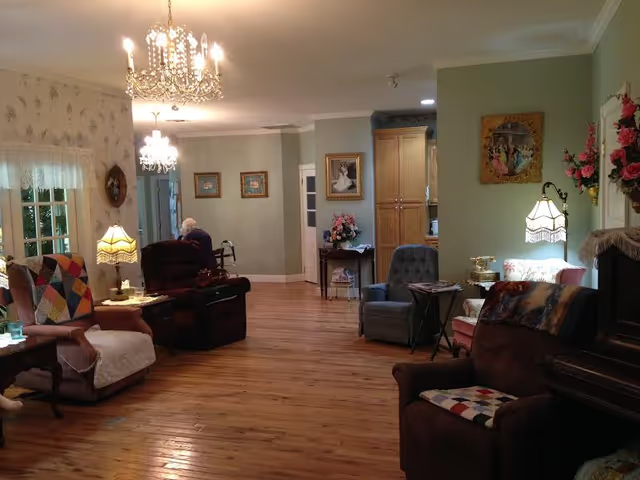
Facility condition and layout are described in mixed terms. Many accounts praise clean, well-maintained common areas, updated apartments, and a homelike feel; others point to older, darker interiors, small rooms, and bathroom layouts that some families find awkward. The community’s smaller size is frequently appreciated as creating a close-knit atmosphere, but it can also amplify the operational impact when staffing or management challenges arise.
Management and administrative patterns are an important theme. Several families commend responsive directors and staff who resolve issues quickly; conversely, others describe management turnover, confusing or changing admissions information, unexpected fees, and intermittent lapses in communication. Pricing and perceived value are recurring concerns: some families find costs competitive and justified by staff quality and services, while others question value relative to reported service inconsistencies and fee practices. A minority of accounts reference serious, isolated allegations related to a resident fall and subsequent concerns; these have prompted family scrutiny and, in some cases, regulatory or investigative follow-up according to those reviewers.
Overall impression: Brookdale Canopy Oaks offers a number of substantive strengths—compassionate staff, an engaged activities program, convenient location, and a homelike atmosphere—that make it a good fit for families who prioritize social engagement and personalized caregiver relationships. Prospective residents and family members should pay particular attention at tour and move-in to operational details: staffing ratios and schedule coverage (especially nights/weekends), medication and clinical oversight protocols, housekeeping and pest-control practices, dining service logistics, and the specifics of admissions fees and contractual terms. Asking for recent staffing metrics, incident-response procedures, sample activity calendars for memory care, and references from current resident families can help clarify whether the community’s positive attributes are consistently delivered in the areas most important to the prospective resident.