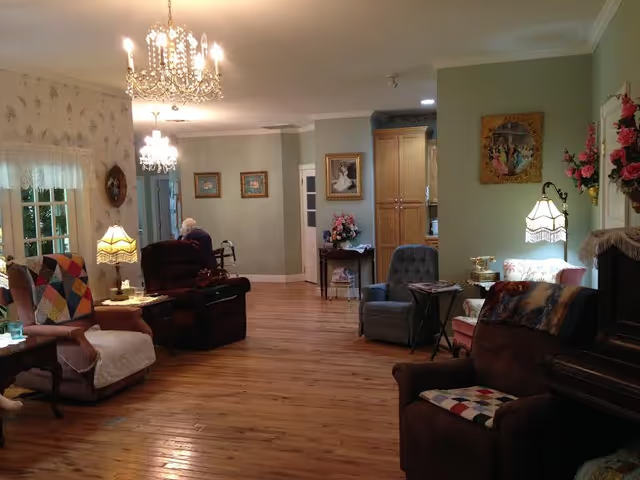
Reviews portray Camelot Chateau Assisted Living as a small, community-oriented facility with many strengths in day-to-day life and social engagement. Positive descriptions emphasize a family-like culture, attentive and caring staff, a lively activities calendar (bingo, games, music, religious services, and off-site trips), and frequent social events that keep residents engaged. Many families praise the private rooms with en-suite bathrooms, the large communal dining area and salon, and the availability of routine physician visits and transportation for errands and outings.
Care quality and staff performance are described in mixed terms. A substantial portion of feedback highlights compassionate, hands-on staff who assist with medication administration, bathing, and other personal care needs, and who foster independence and strong resident relationships. However, there are consistent operational concerns about medication-management practices and staff training. Isolated but serious allegations describe medication-administration errors and abrupt resident transitions with significant clinical consequences; these reports suggest the need for clear, documented medication protocols and stronger clinical oversight. Staffing stability and training consistency also surface as operational weaknesses that can affect reliability of care.
Dining and activities are frequently cited as central strengths. Numerous reviewers compliment the menu variety, hot meals, and opportunities to order alternatives; activities staff are characterized as energetic and organized, and outings and entertainment are regular. That said, meal quality and service appear uneven—some reviewers report excellent, timely meals while others describe cold or unsatisfactory food—indicating variability in kitchen operations or meal-service continuity.
Facility condition and sanitation are unevenly reported. Several accounts describe well-maintained, park-like grounds, tidy common areas, and effective housekeeping, while others note cleanliness and sanitation concerns, dated furnishings, and small resident rooms in parts of the building. The facility is generally characterized as older, which may account for mixed impressions about décor and room size.
Management, communication, and operations are areas to review closely. Comments reference management turnover, financial strain (including late vendor payments), and corporate office unresponsiveness, which can affect vendor services and operational consistency. Families also report intermittent safety and supervision gaps—for example, times when staff visibility is low or security protocols seem relaxed—and problems with phone etiquette and family communication. Transportation services and some ancillary offerings have been discontinued at times, and rate changes have been noted.
In summary, Camelot Chateau offers many features attractive to prospective residents seeking a small, socially active assisted living setting with an engaged staff and plentiful activities. At the same time, reviewers identify several operational weaknesses—most critically in medication-management, staff training and stability, cleanliness consistency, and management continuity—that warrant careful inquiry. Prospective residents and families should weigh the facility's social and dining strengths against the reported variability in clinical oversight and operations, and consider asking about current staffing ratios, medication-safety protocols, recent regulatory records, and steps taken by management to address past issues prior to placement.