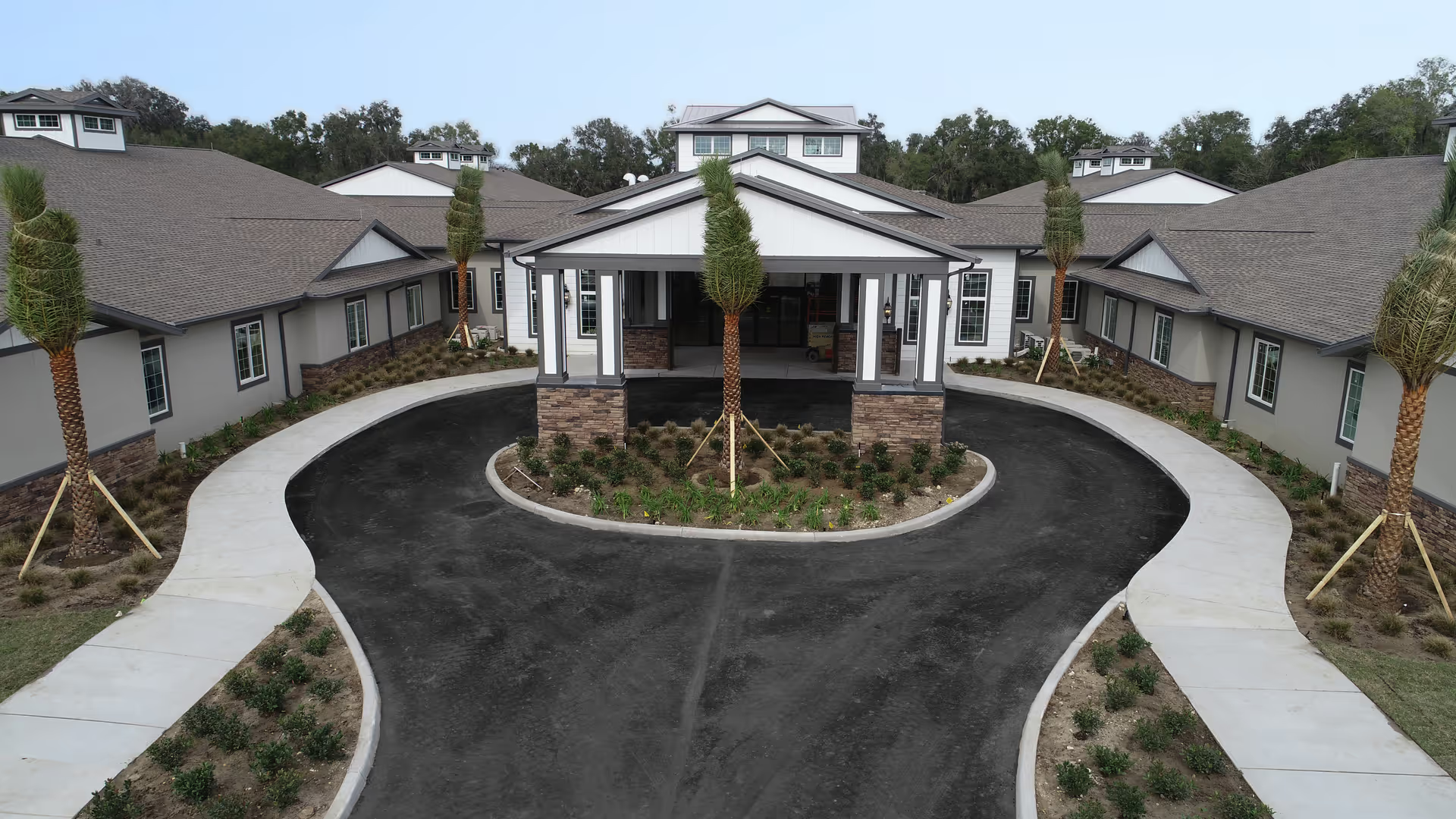
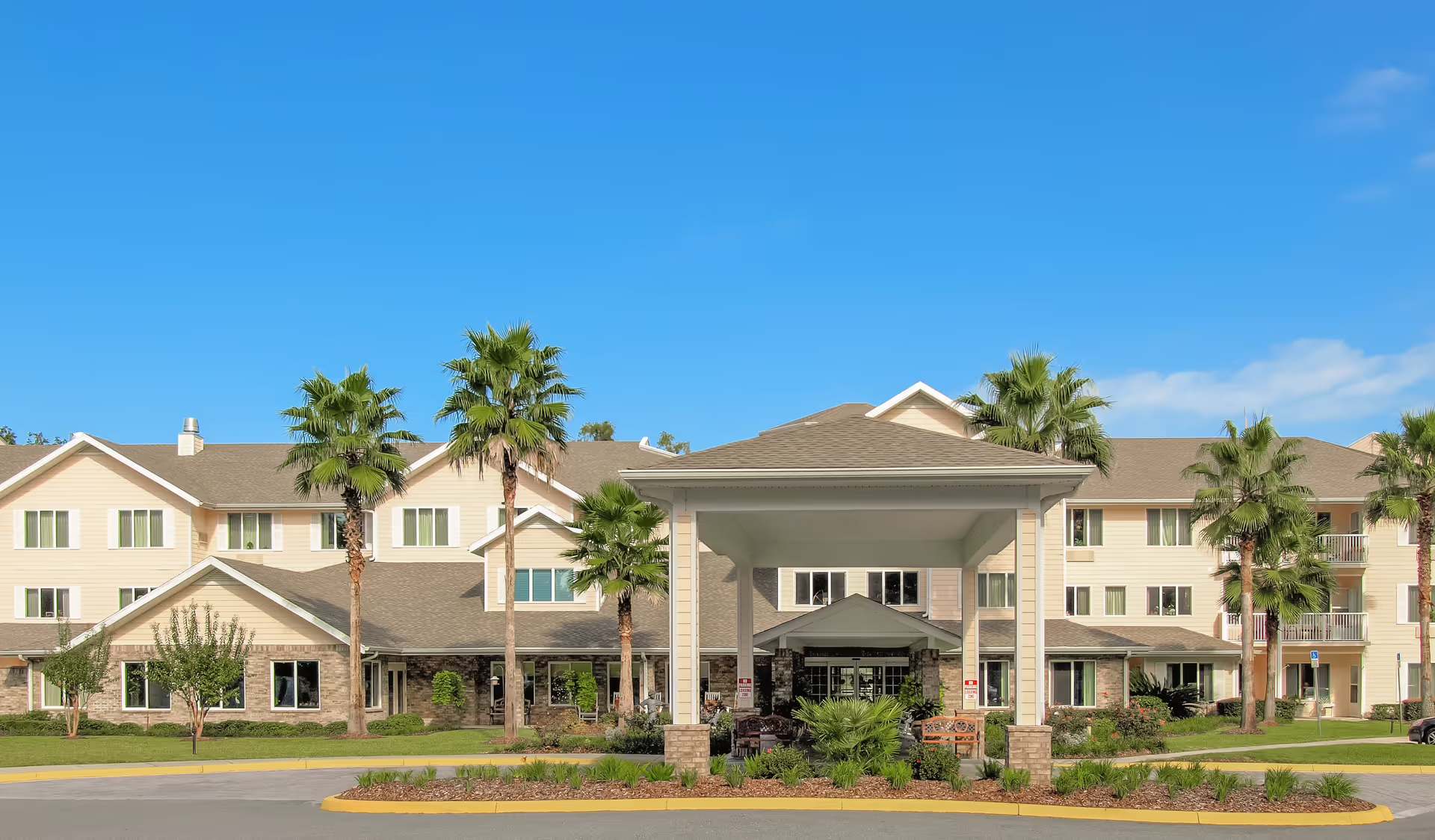
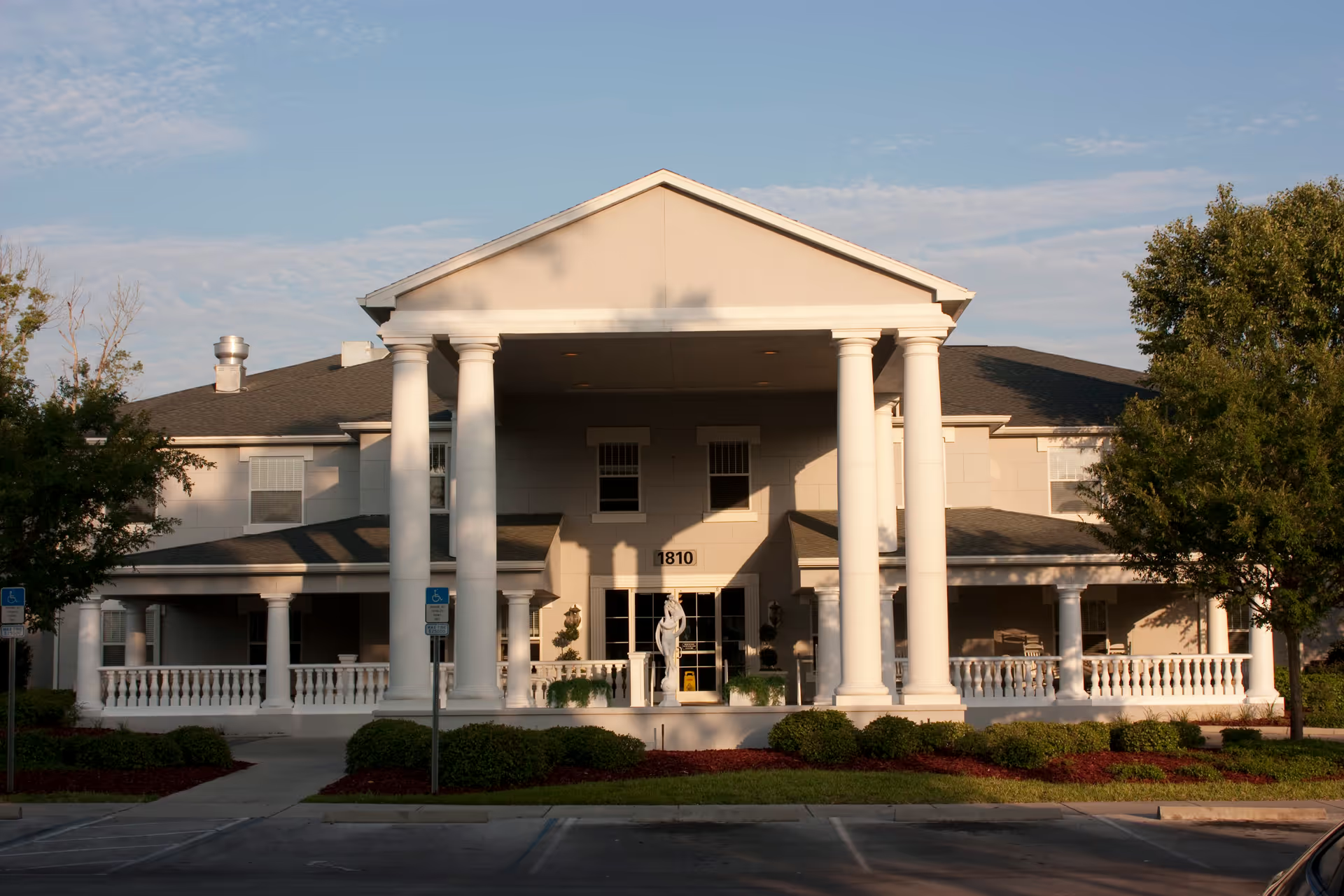
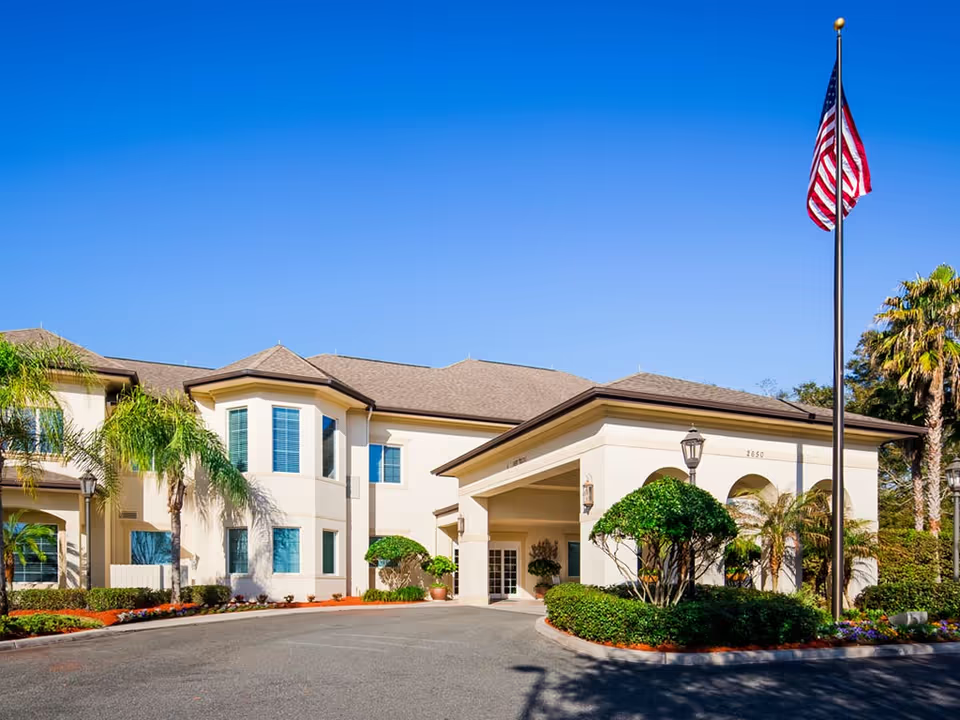
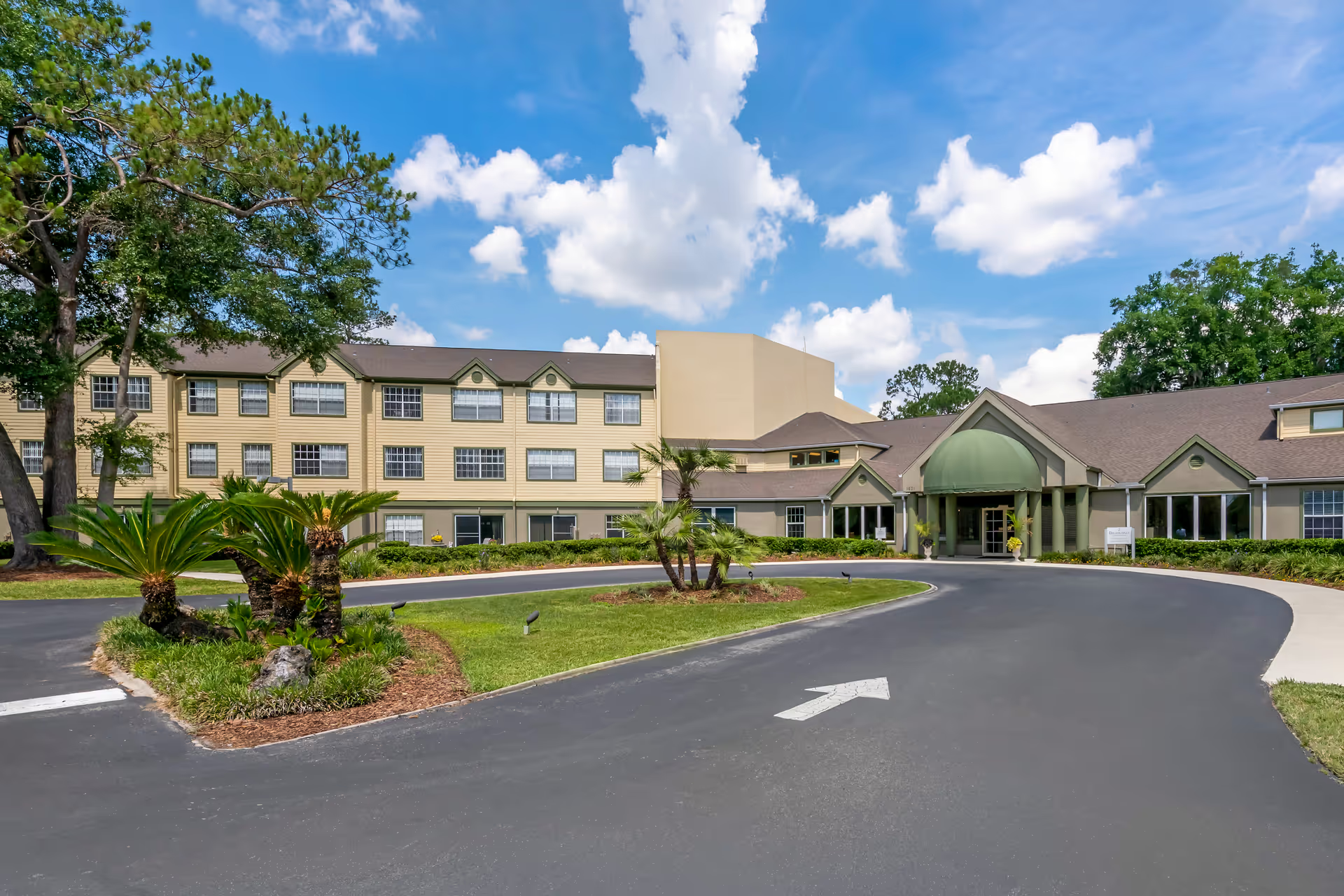
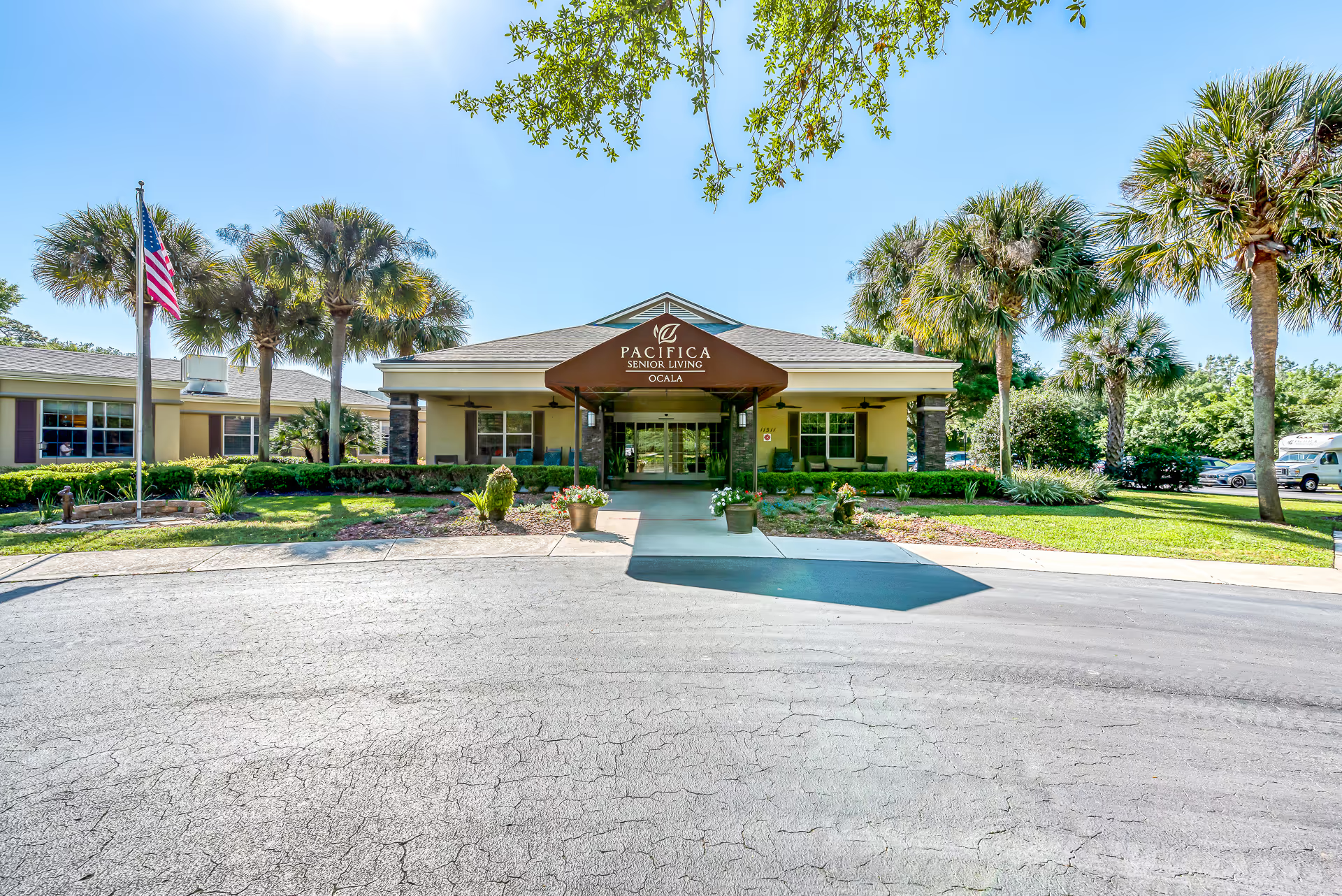
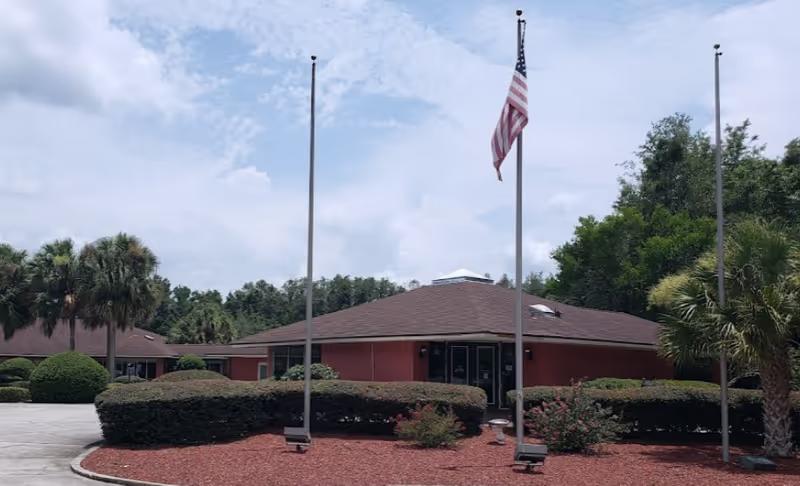
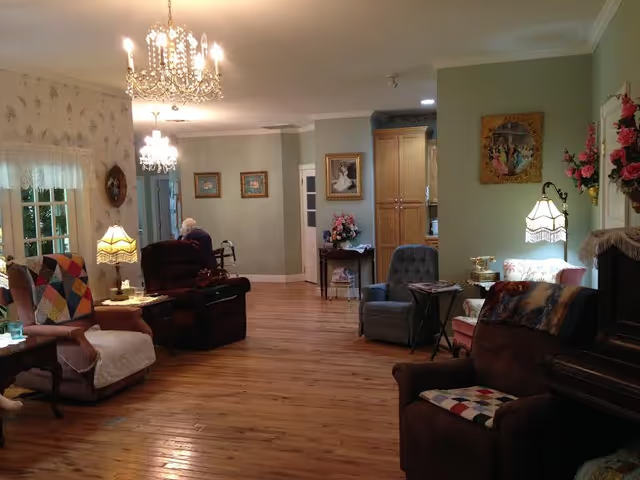
Overall impression: Hawthorne Estates of Ocala is consistently described as a well‑kept, family‑oriented assisted living community with a strongly positive staff culture. Reviewers commonly praised the warmth and attentiveness of frontline team members, and many families highlighted smooth admissions interactions and strong move‑in coordination. The property presents a range of apartment sizes and several units with spacious layouts, walk‑in storage, and screened patios; common areas are generally described as clean and well maintained.
Care and staff: Care interactions are one of the facility's most frequently cited strengths. Many reviewers emphasized compassionate, personable staff who engage with residents and create a homelike atmosphere. That said, there is noted variability in staff responsiveness and conduct across shifts and departments; some accounts describe delays in addressing maintenance or resident needs. Prospective families should ask about staffing ratios, on‑duty supervision, and the facility's process for addressing concerns to understand consistency of care.
Dining: The community offers on‑site dining and an accommodating kitchen staff, including a chef willing to prepare requested dishes. However, meal quality and service patterns were inconsistent across accounts. Common themes include variable food quality (examples cited include overcooked or bland vegetables and heavy entrees), a dining room that can be noisy or crowded, and uneven meal coverage—some units or plans include two meals a day with limited breakfast options. Visitors should taste a meal during a typical service and confirm the daily meal schedule and menu flexibility before deciding.
Activities and social life: Activity programming is visible and includes bingo, happy hours, guest speakers, blood‑pressure clinics, Bible study, and occasional special events such as ice cream socials and education classes. The community atmosphere is frequently described as lively and resident‑oriented. At the same time, several reviewers found the activity schedule to be limited at times or less varied than at competing properties. Ask for a current monthly activity calendar and sample participation rates to gauge the options available for specific interests.
Facilities and amenities: The building is generally described as attractive and well maintained, with modern renovations in areas and amenities such as a bistro, salon, storage/garage space, and fitness equipment. References to a gym and pool appear in some accounts but not others, indicating variability in amenity access or condition across wings or unit types. Apartment features vary as well (some include kitchenettes rather than full kitchens). Confirm which amenities are included with a given unit and whether planned exterior improvements or renovations will affect move‑in timing.
Management and operations: A consistent pattern in the feedback is a contrast between strong sales/admissions teams and variable operational follow‑through from maintenance and management. Positive notes on admissions and tours coexist with concerns about repair timelines, HVAC responsiveness, and communication about waiting lists and unit availability. Pricing is viewed as competitive in several reviews, though specific unit types—particularly studios—may have wait lists or premium pricing. Prospective residents should clarify contract terms, response protocols for maintenance requests, and expected timelines for repairs.
Notable patterns and practical suggestions: The strongest selling points are the staff/resident rapport, the clean common areas, and a welcoming social environment. The most prominent operational weaknesses are inconsistent meal quality, variable maintenance responsiveness, and differences in amenity availability. When evaluating Hawthorne Estates of Ocala, families should (1) schedule a meal service visit, (2) request a detailed activity calendar and amenity access list, (3) confirm maintenance response procedures and recent examples of repair timelines, and (4) verify pricing and wait‑list status for desired unit types. These steps will help clarify how well the community’s positive features align with an individual resident’s needs.