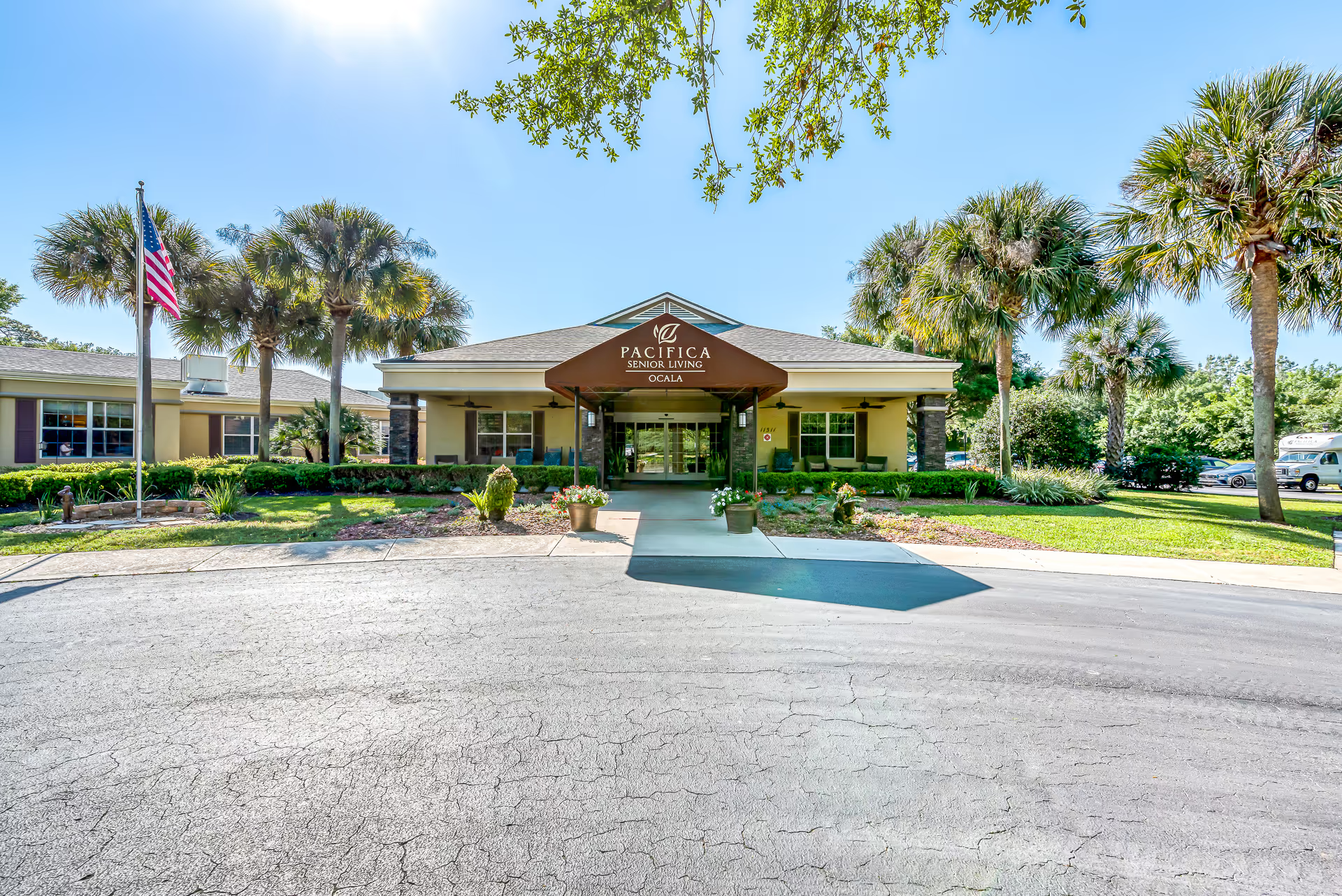
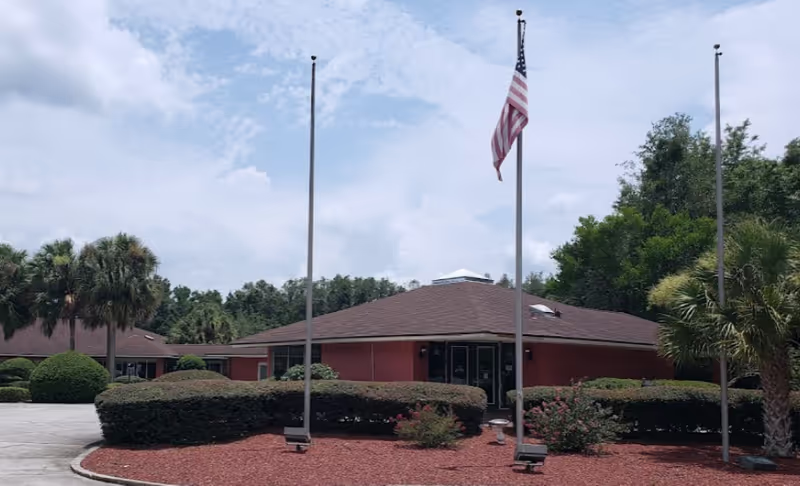
The reviews describe a facility with clear strengths in clinical rehabilitation and many day-to-day care interactions, alongside persistent operational gaps. Clinical services receive consistent positive mention: CNAs, nursing staff, and therapists (physical, occupational and speech) are widely described as competent and caring, and the therapy gym and rehab program are seen as well-equipped and effective for recovery and activity. Social services staff are frequently characterized as helpful in payor and insurance navigation. These aspects suggest the facility can be a strong choice for residents who need structured therapy and attentive personal care.
Staff-resident interactions are often praised for friendliness and compassion, and many reviewers described regular housekeeping, laundry, and a generally well-decorated interior in several areas. Independent-living residents and families highlighted spacious rooms, homey finishes, an active independent-living atmosphere, shuttle and transportation services, an on-site hair salon, and organized outings as notable positives. Dining is described in mixed terms: some residents praised buffet-style meals and varied menus, while other accounts point to inconsistent meal quality and occasional inappropriate meal selections for specific dietary needs.
Operationally, several recurring issues emerged. Cleanliness and pest-control appear inconsistent across units — while common areas and many rooms are described as clean, other reports raise sanitation and pest-control concerns. Medication-management problems, including ordering and timely administration delays, were raised and represent an operational risk that families should clarify in advance. Staffing consistency and after-hours responsiveness were also variable in reviews; some noted understaffing, unresponsive phones, and limited weekend coverage. Maintenance responsiveness is another theme, with reported delays on repairs and climate-control issues.
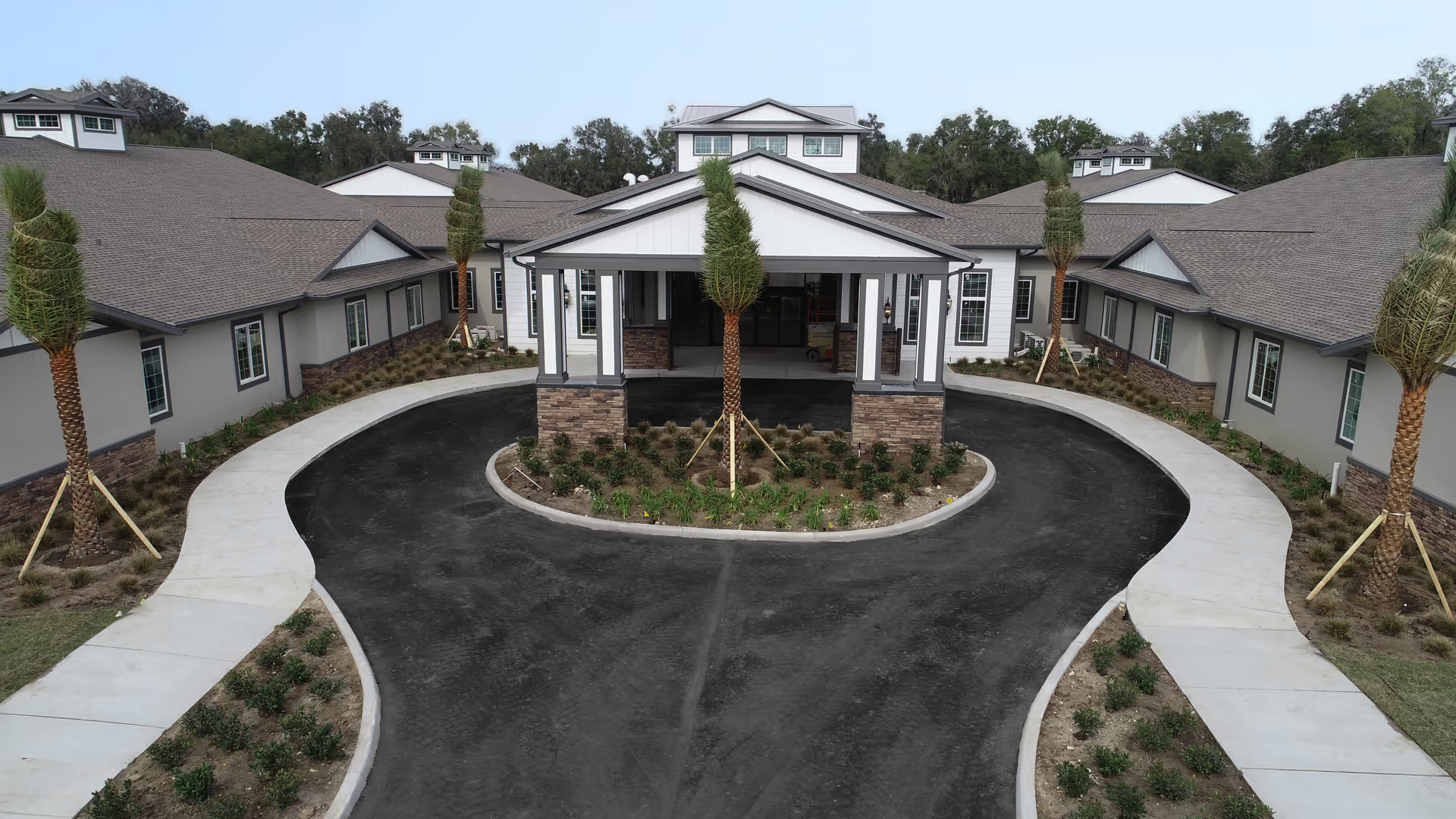
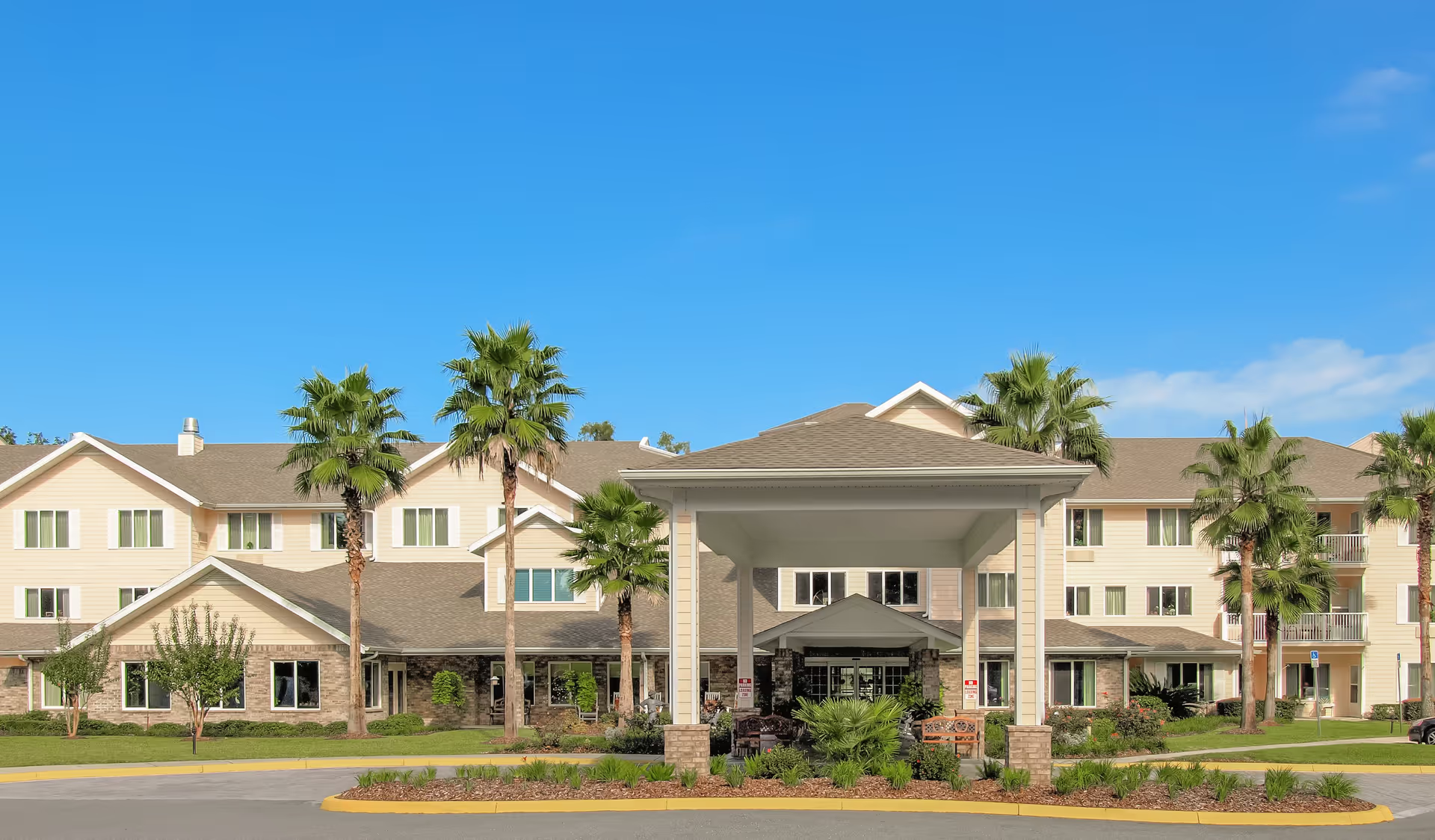
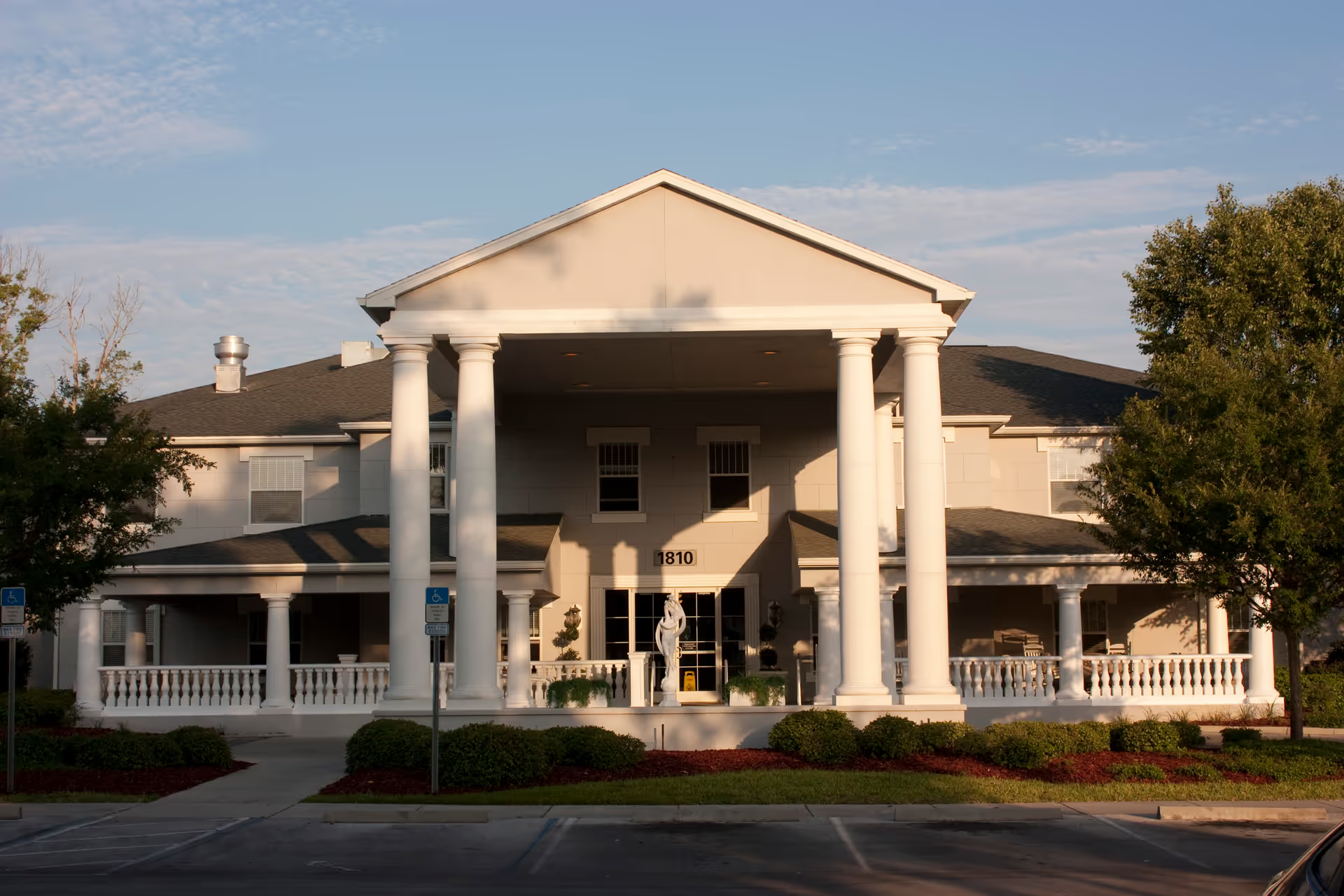
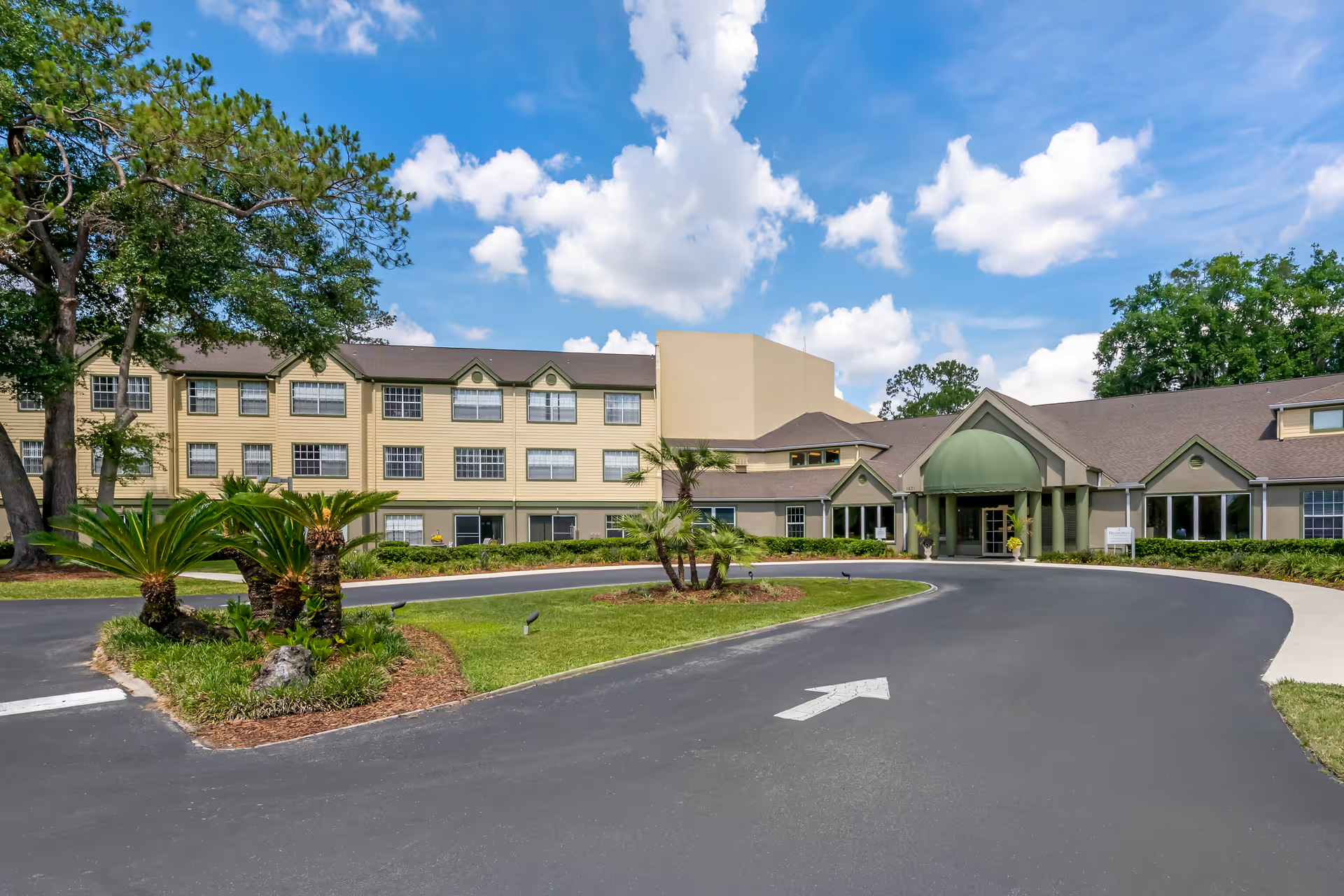
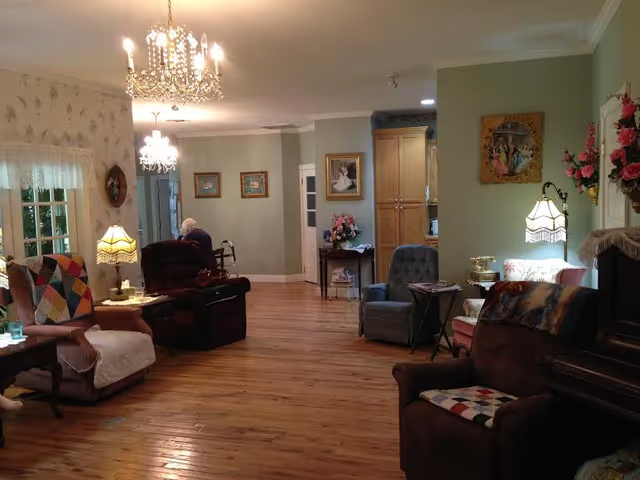
Facility layout and amenities show contrasts: reviewers describe attractive common areas, wood floors, and a one-floor assisted-living wing, but also note small activity/craft rooms, limited outdoor space for activities, and fewer amenities compared with newer communities. The community enforces a policy requiring residents who need any assistance to move from independent living into assisted living, which influences housing options for those who want to remain near friends but may require occasional help. Shared bathrooms, frequent room reassignments, and accessibility challenges for walkers in some dining setups were also noted.
Management and communication present a mixed picture. The sales and admissions process is often described as informative, but families also reported gaps in follow-through — misplaced clothing, unfulfilled promises for supplies, and uneven responsiveness from management and maintenance. At least one review referenced a formal complaint and regulatory attention, which prospective families may want to inquire about directly.
Overall, Hawthorne Center for Rehabilitation and Healing of Ocala appears to deliver solid clinical and rehabilitation care with many compassionate staff members and useful resident services. However, operational inconsistencies — particularly around cleanliness/pest control, meal consistency, medication management, staffing levels, and maintenance responsiveness — recur in the reviews. Prospective residents and families should tour the facility during different times of day, ask for current inspection and staffing information, request meal samples and medication-management protocols, and clarify policy implications for apartment types before deciding.