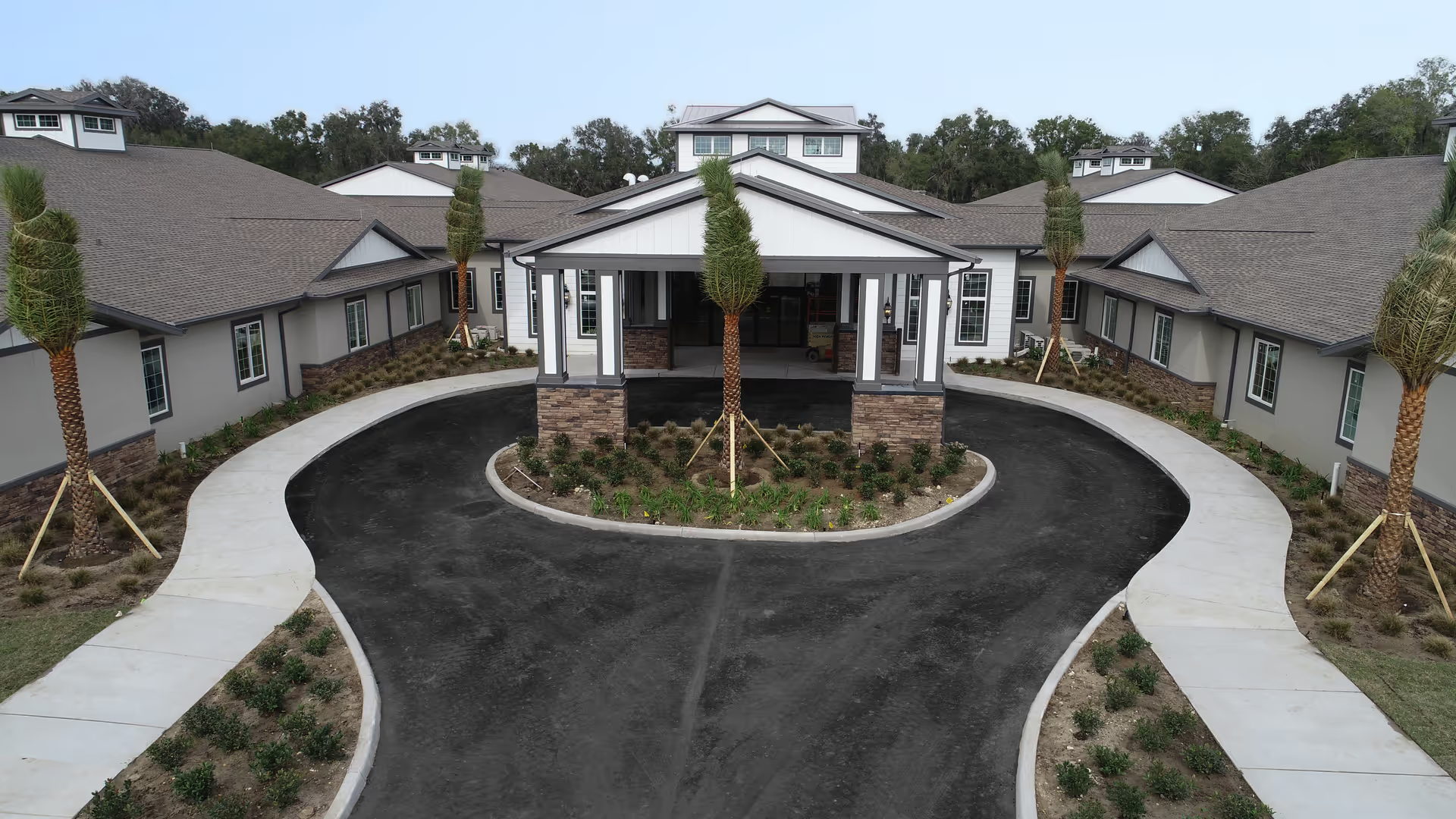
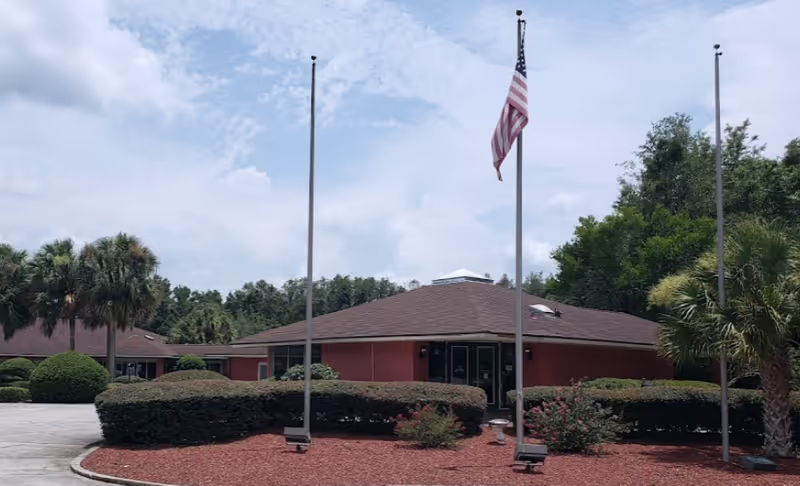
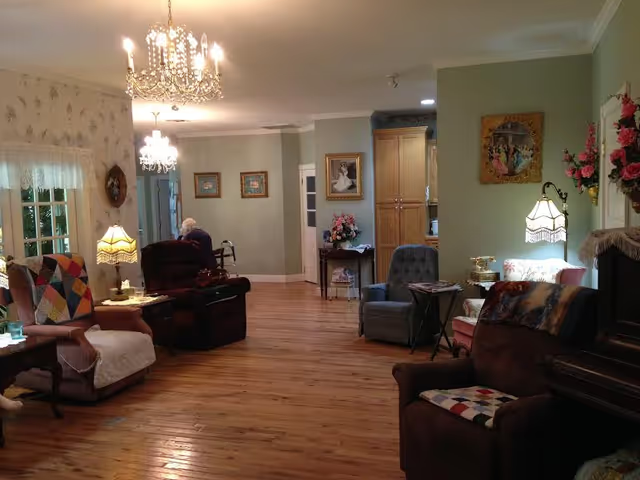
Life Care Center of Ocala presents as a facility with clear strengths in rehabilitation services, day-to-day cleanliness, and many individual caregivers who are repeatedly described as compassionate and skilled. The therapy department (PT/OT/Speech) is a consistent strength in the reviews: families and patients frequently credit therapy staff and the therapy gym with measurable recovery and successful discharges home. Housekeeping, maintenance, and the built environment (comfortable rooms, outdoor areas, private dining options) are commonly praised, contributing to an overall welcoming and well-kept atmosphere.
Nursing and direct-care staff receive largely positive comments for attentiveness, bedside manner, and timely medication administration, with specific caregivers and nurses repeatedly identified as standout performers. CNAs, reception staff, and activities personnel also garner favorable mentions; the facility offers a range of social and entertainment programming that families find engaging. Dining service is often described as enjoyable and accommodating, with some families noting special meal requests are met and a generally pleasant dining environment.
Despite these strengths, review patterns point to operational variability. Staffing levels and continuity appear inconsistent: families describe a strong dependence on certain key employees, and care quality is reported to decline when those individuals are absent. Relatedly, responsiveness to call lights and basic-care needs is uneven, producing delays in assistance at times. There are also recurring descriptions of variable staff conduct and communication tone, which can affect family confidence and resident comfort.
Clinical coordination and administrative communication are additional areas of concern. Multiple accounts indicate gaps between nursing, therapy, and case-management functions — for example, planning meetings that exclude family, missed callbacks, or limited follow-through after incidents. Reports also describe inconsistencies in medication and wound-care practices and weaknesses in handling informed-consent or legal-surrogate documentation. These issues collectively point to opportunities for improved care-team coordination and stronger case-management processes.
Safety and sanitation issues are raised in a subset of reviews. Concerns focus on transfer- and fall-prevention practices, occasional sanitation or odor issues in specific areas, and rigid infection-control visitation policies that felt problematic to some families. There are also occasional, more serious allegations about conduct or clinical decisions; these have the potential to influence family trust and should prompt direct inquiry during any placement discussion.
Bottom line: prospective residents and families will likely find Life Care Center of Ocala a strong option for short-term rehabilitation and for residents who benefit from robust therapy services and a generally clean, activity-rich environment. However, families should evaluate current staffing stability, ask how care continuity is maintained in the absence of key personnel, and confirm protocols for care coordination, informed consent, incident communication, and fall-prevention. Those steps can help align expectations with the facility’s areas of strength and the operational variability noted in reviews.