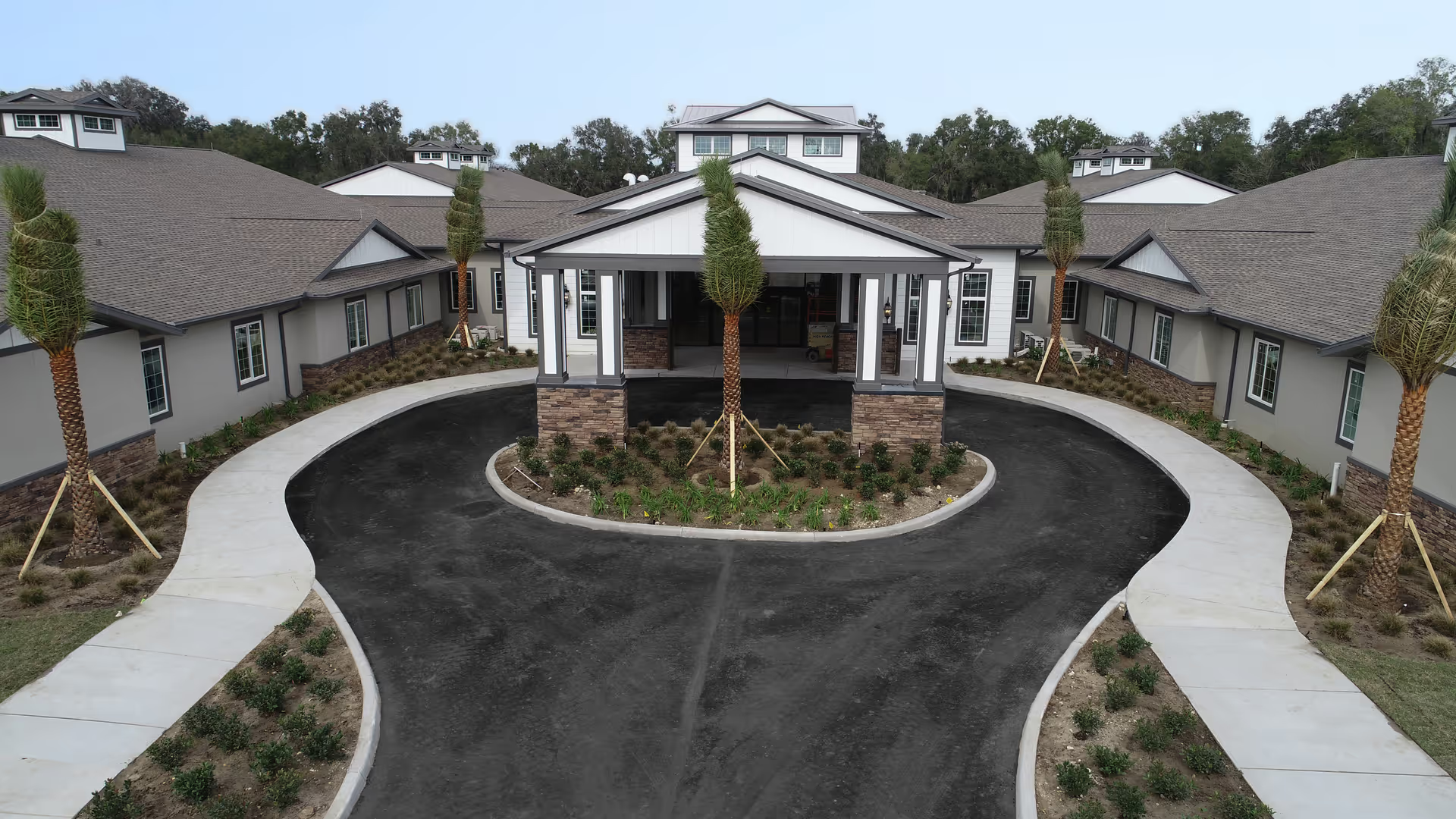
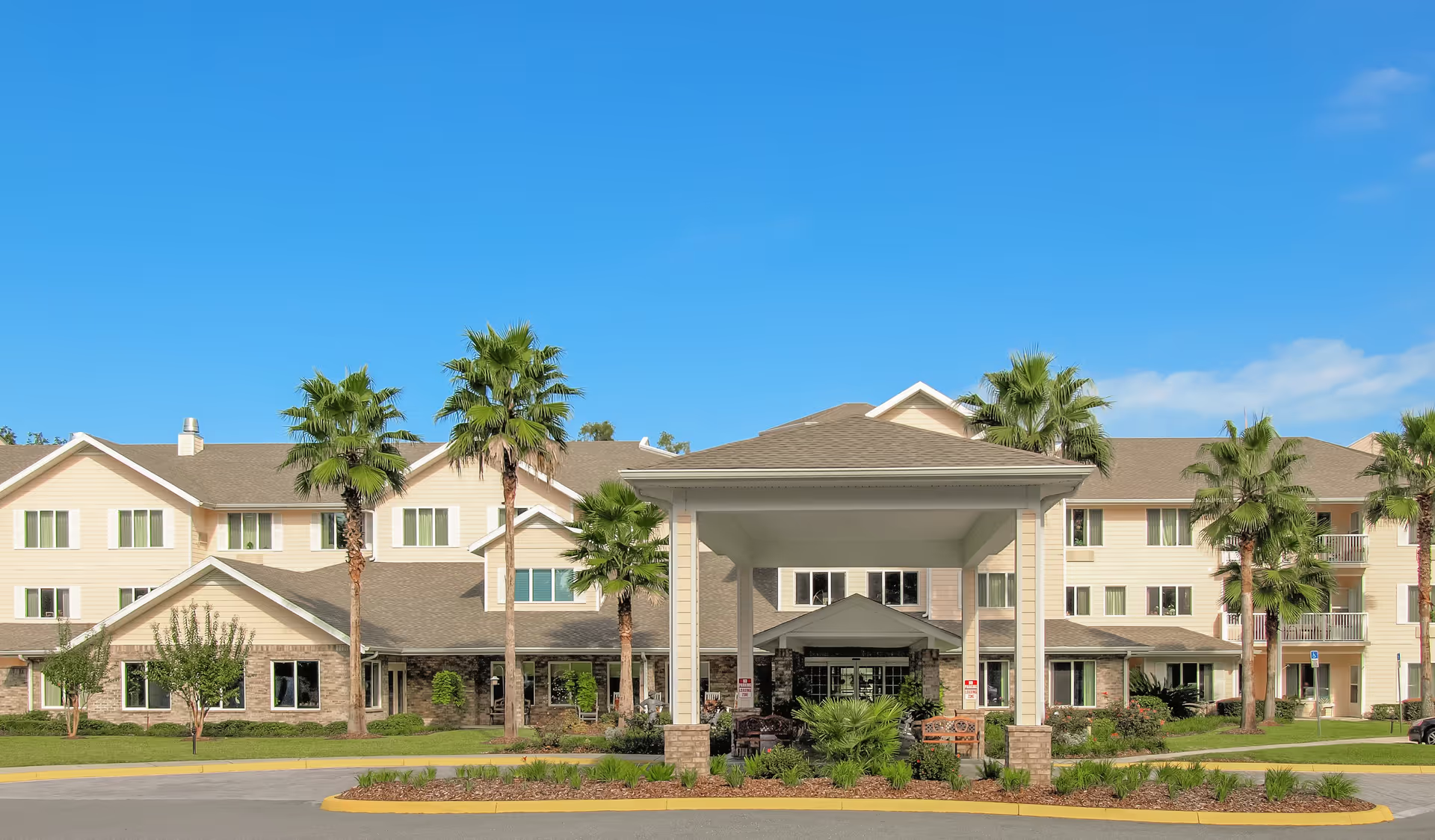
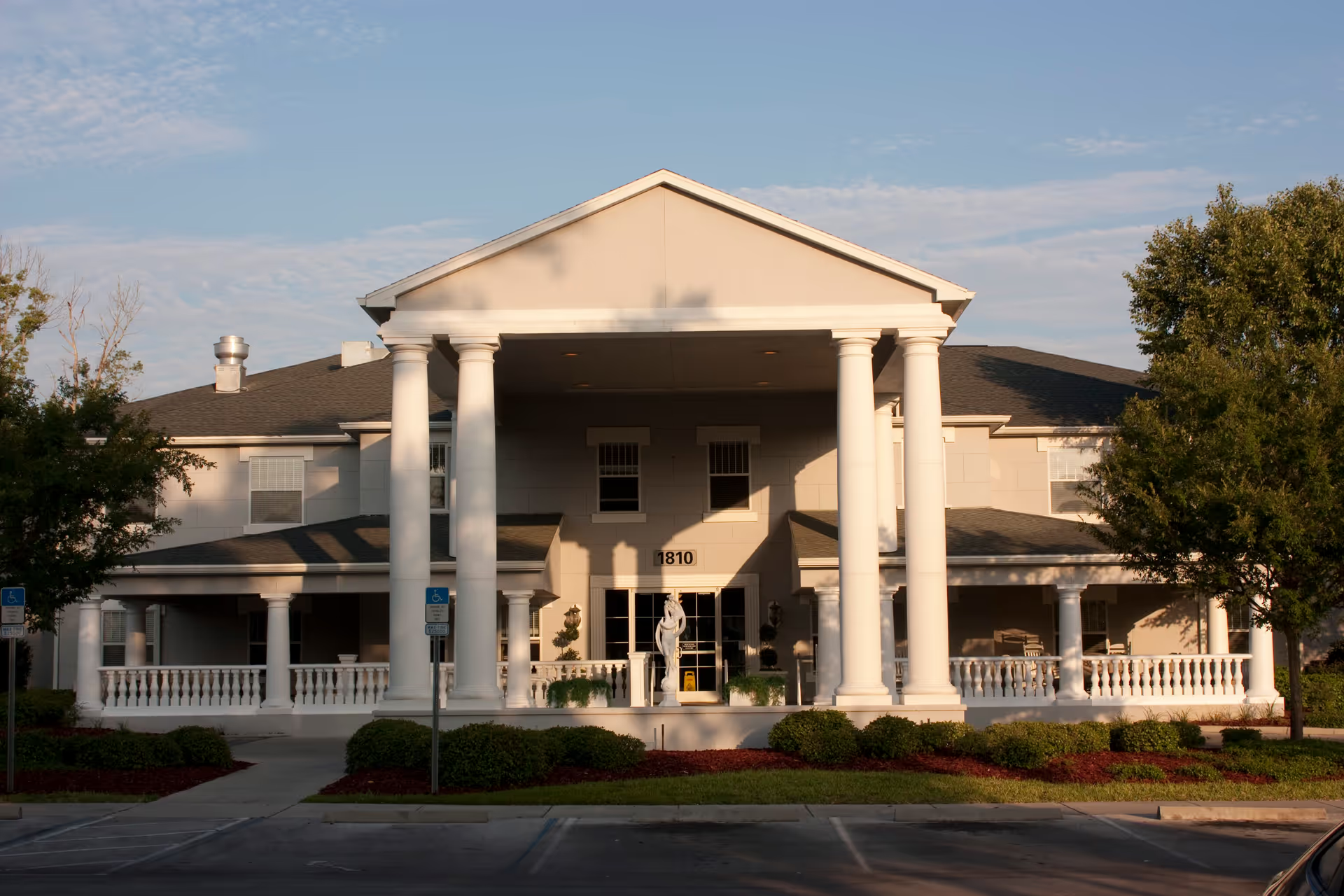
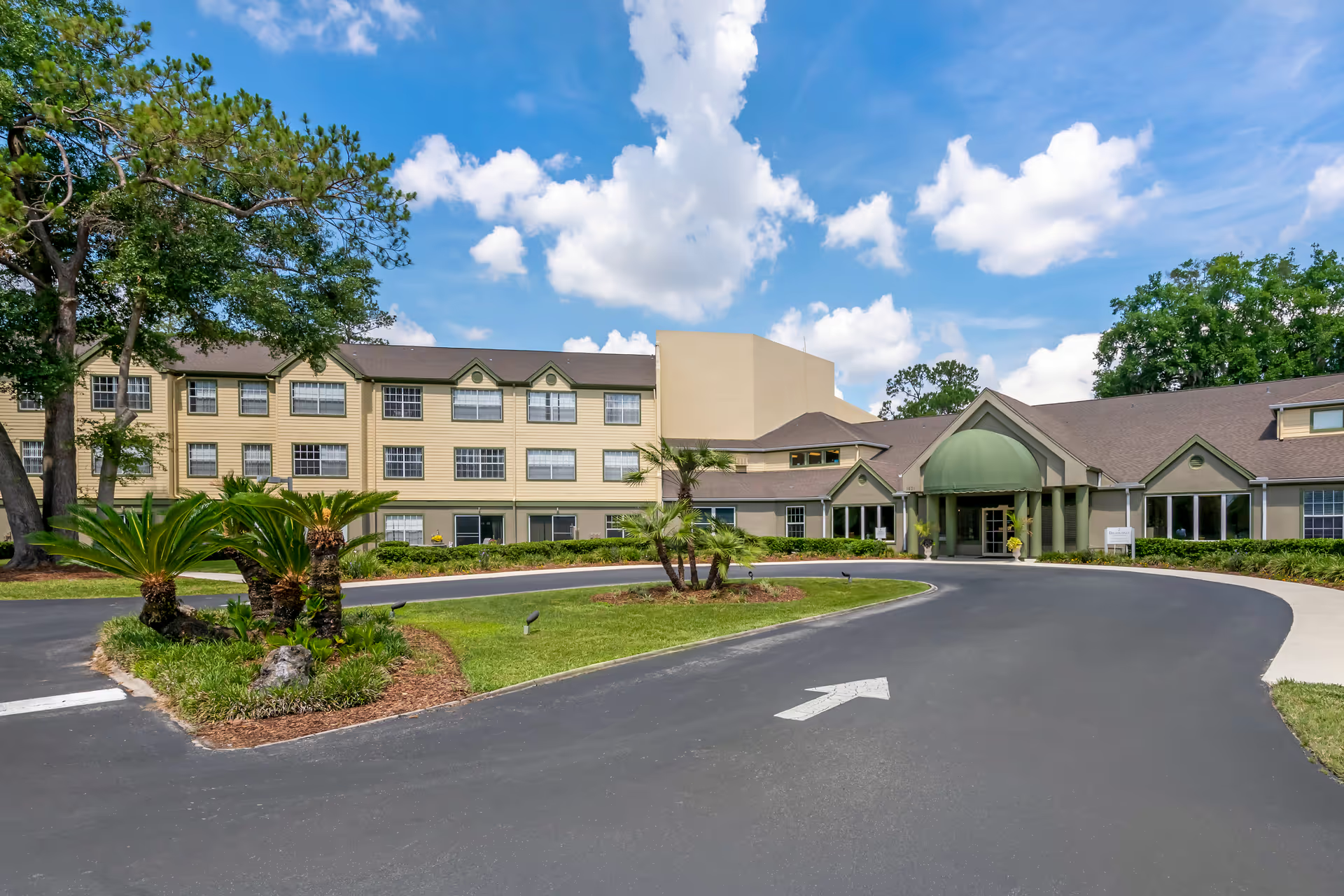
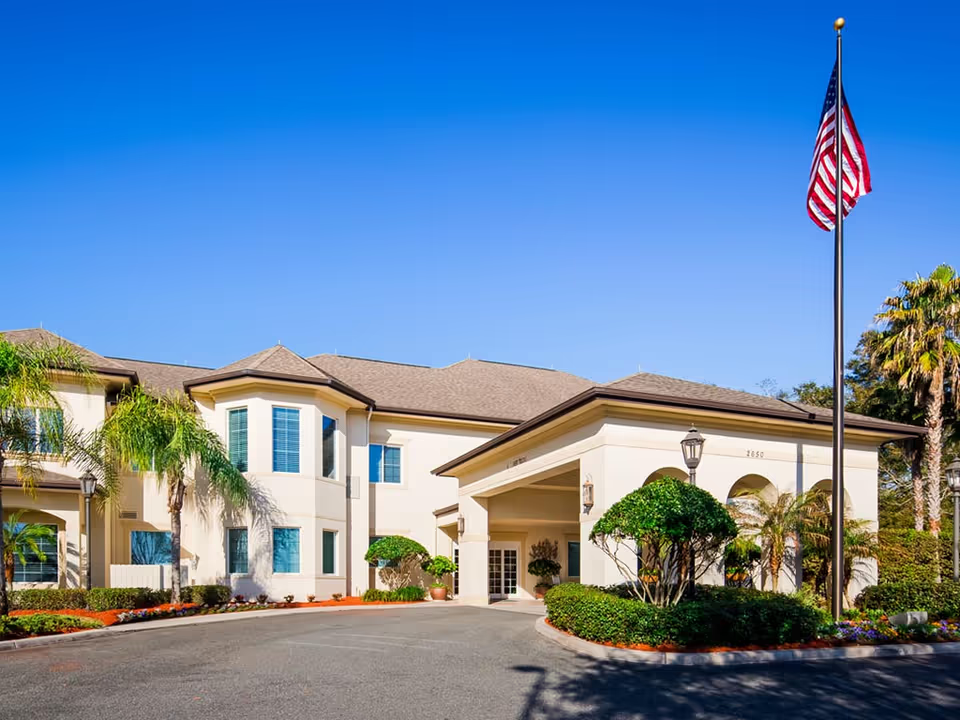
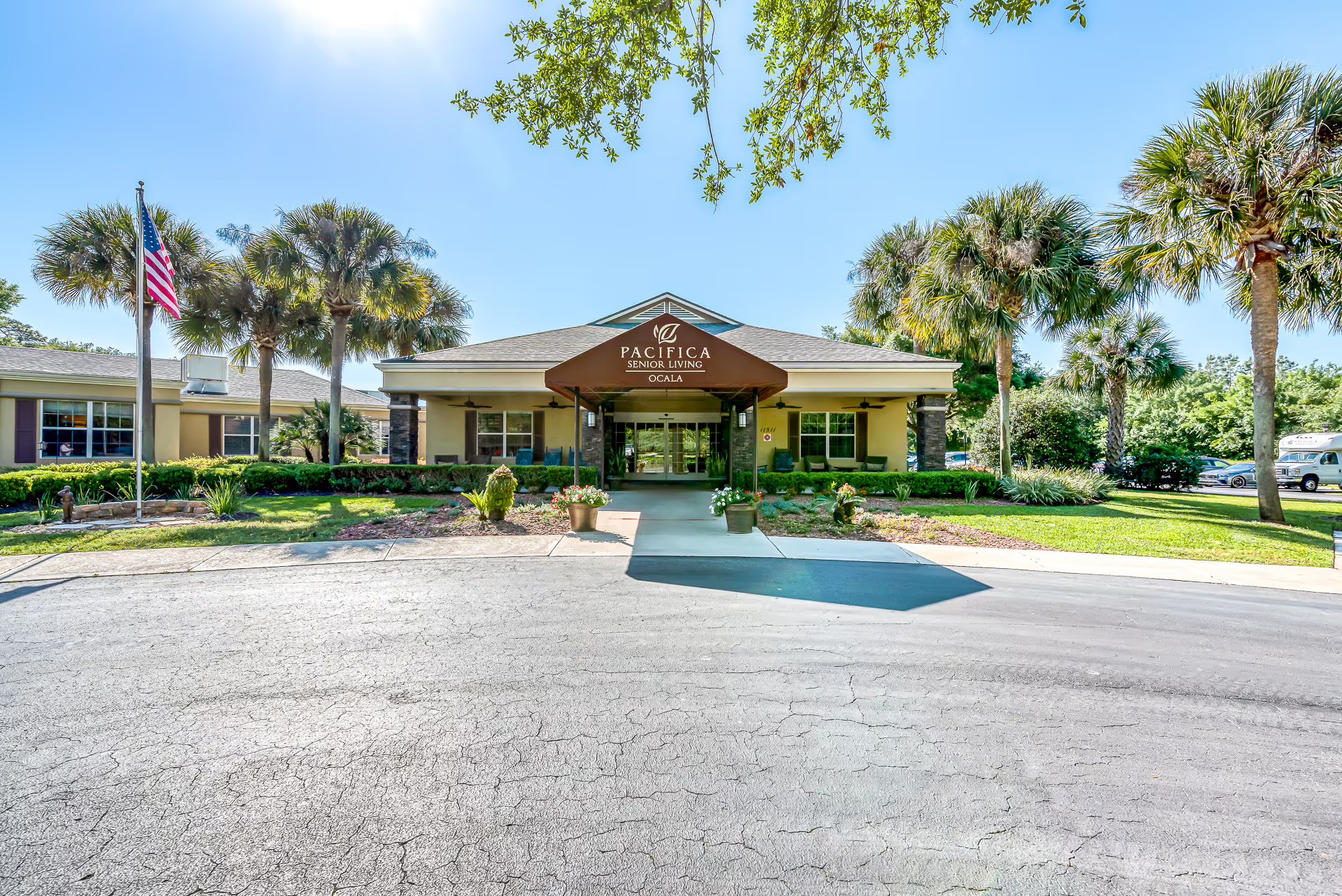
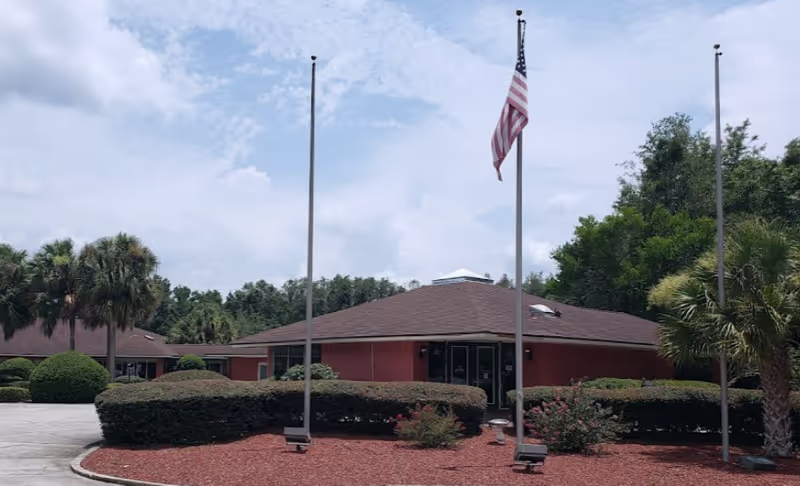
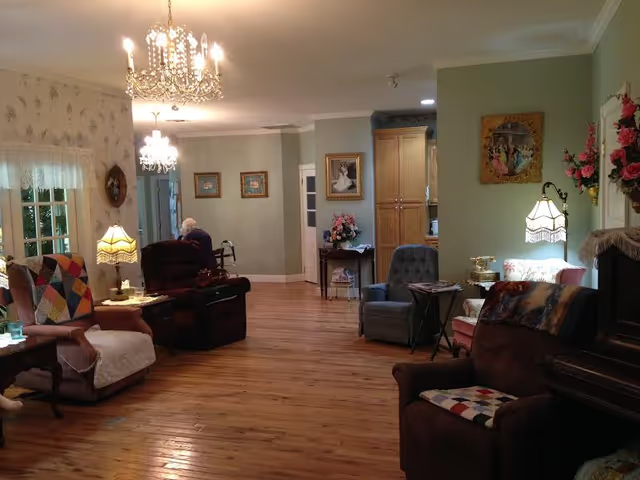
The Bridge at Ocala presents as a well‑maintained, upscale assisted‑living community with many resort‑style amenities and a strongly positive reputation for caregiving. Reviewers consistently highlight the facility’s clean, attractive campus and interior spaces, park‑like grounds, and high‑quality common areas (including a wrap‑around porch, fireplace, salon/barber services, and gym). Apartments are described as well‑appointed and comfortable, with individually controlled temperatures and small kitchenettes; however, some families find studio units compact and limited for extensive in‑room cooking.
Care quality and staff performance are the dominant positive themes. Families and residents repeatedly describe caregiving staff as compassionate, attentive, and familiar with residents’ needs; long staff tenure and a relatively high staff‑to‑resident ratio are cited as contributors to continuity of care. Several reviews name the executive leadership as accessible and supportive, noting a smooth move‑in experience and proactive communication in many cases. These strengths are credited with producing a warm, family‑like culture and a high level of resident dignity and comfort.
Dining and programming are generally strong selling points. The community offers restaurant‑style dining with waiter service, multiple menu choices, and nutritionally balanced meals; many reviewers praised the taste and presentation. The community also provides extensive outings, trips, and events, along with a regular recreation schedule. At the same time, some families cite occasional inconsistencies in meal quality and portion sizes, and several mention that recreational offerings can become repetitive and would benefit from greater variety.
Operational patterns and concerns are relatively focused. Cost is a clear limitation—many reviewers describe the community as pricey and potentially unaffordable for some families. Communication gaps are noted intermittently: phone calls or test/result notifications that were delayed or not relayed directly to primary family contacts, and sometimes medication changes implemented without thorough family discussion. Relatedly, a small number of accounts raise concerns about medication‑administration and clinical‑incident response; these have led reviewers to advise prospective families to inquire about medication protocols, incident escalation pathways, and family notification practices.
Safety and security items appear as specific operational weaknesses to probe during a tour. A few comments reference insufficient supervision for residents with higher mobility or supervision needs and concerns about unauthorized room access or missing items; prospective families should ask about staffing patterns for higher‑acuity residents, room access controls, and property security measures. In addition, prospective residents who prioritize in‑apartment cooking should confirm unit size and kitchenette capabilities before committing.
Overall impression: The Bridge at Ocala is characterized by high‑quality facilities, strong caregiving relationships, and robust amenity and dining offerings. For families who can absorb the cost and who prioritize attentive, long‑term staff and an upscale environment, the community appears to deliver a high level of satisfaction. Prospective residents and families should focus their due diligence on communication protocols, medication and clinical‑incident procedures, security and supervision practices for higher‑need residents, and the level of activity variety to ensure the community matches their specific expectations and care requirements.