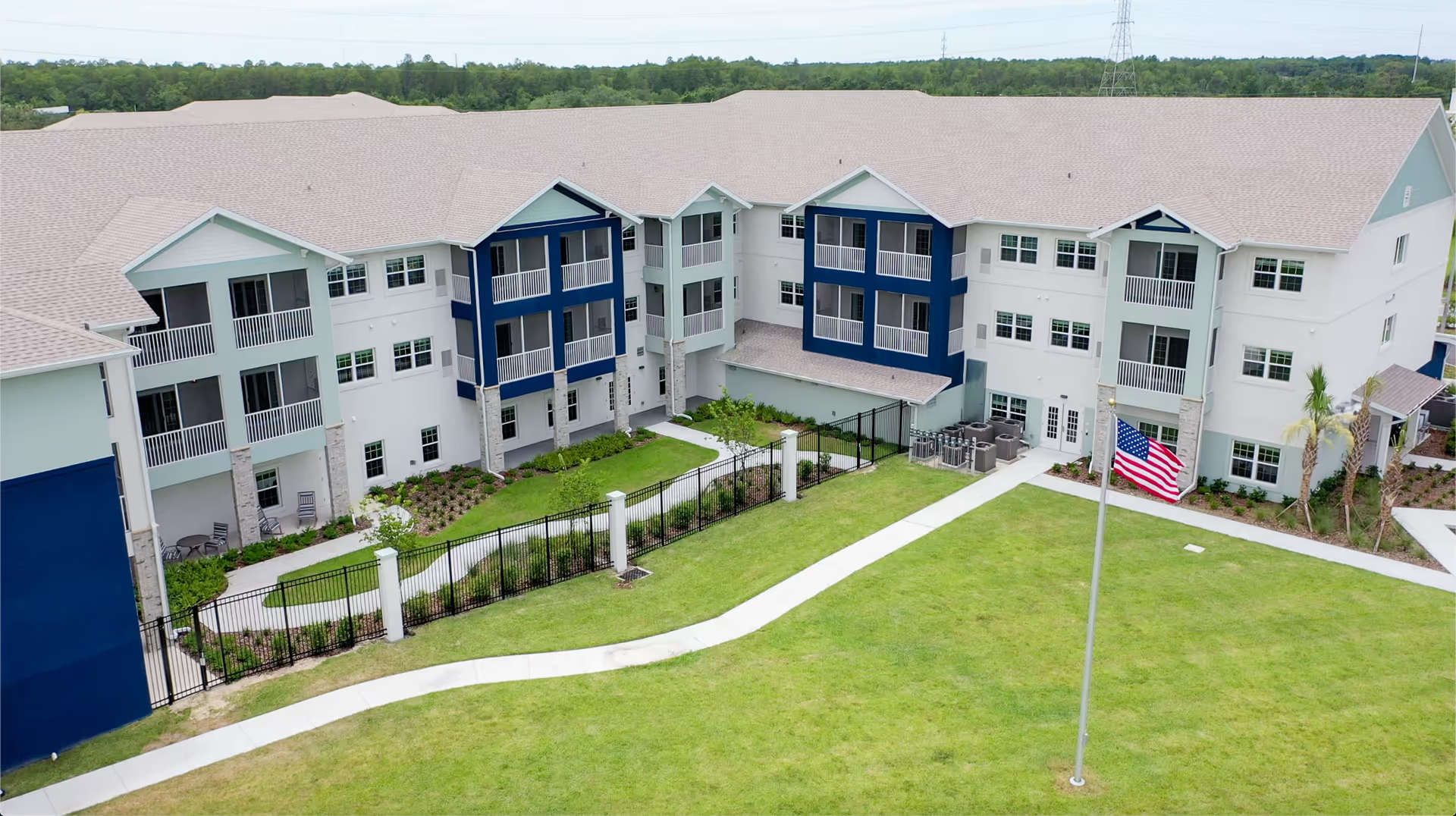
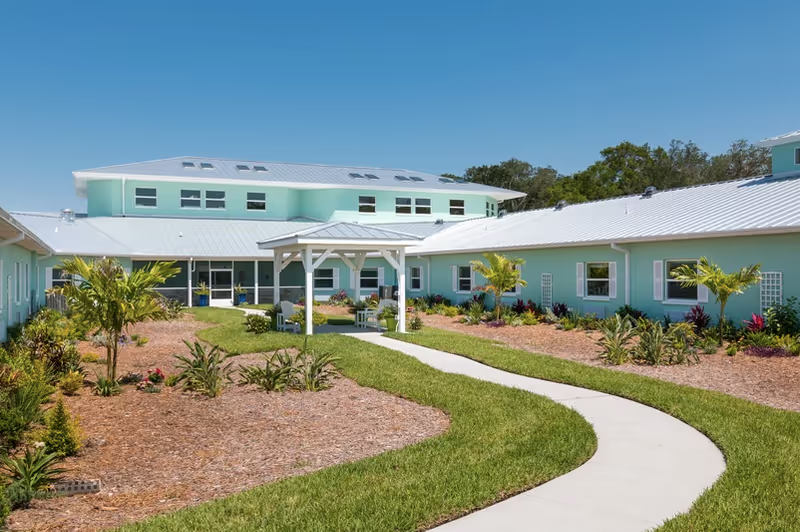
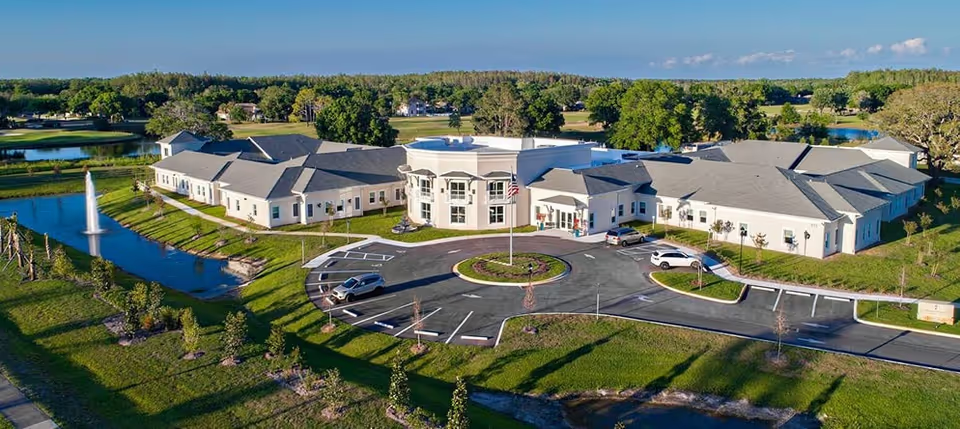
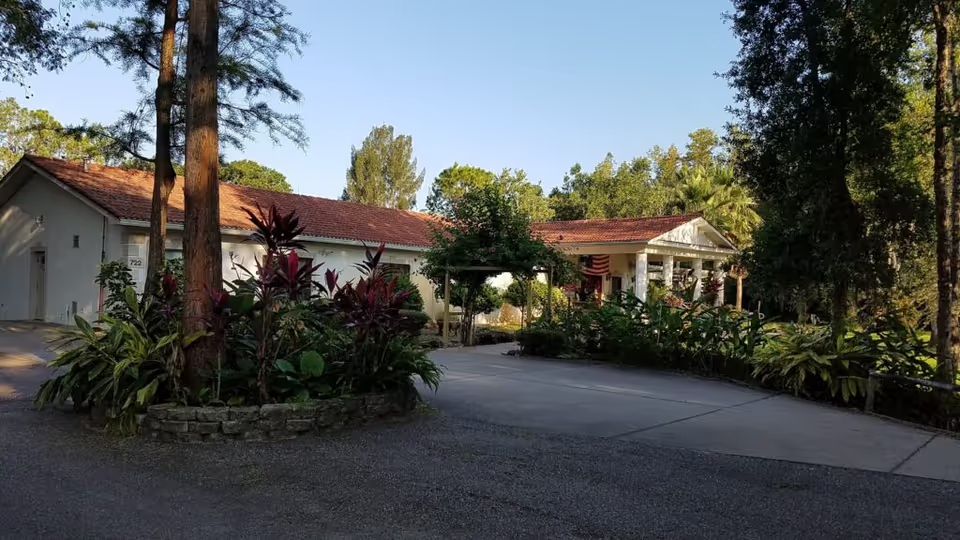
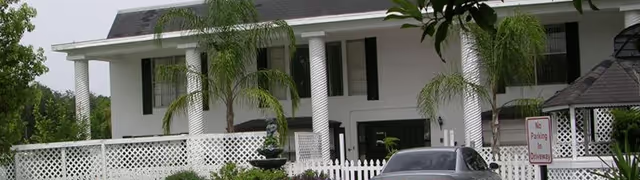
Discovery Village Trinity presents as a modern, well‑appointed assisted‑living campus with a resort‑like aesthetic and a broad amenity set. Reviewers consistently praise the spotless appearance of the buildings, thoughtful common spaces (theater, fitness center, salon, pool), and a range of apartment floor plans that accommodate downsizing. The property’s dining program is a frequent highlight: an executive chef, rotating menus, multiple dining venues (including a cafe and bar), and table‑service dinner options create a restaurant‑style experience for many residents.
Care and staffing receive predominantly positive marks for warmth and attentiveness. Many accounts describe compassionate caregivers, welcoming staff interactions, and staff members who facilitate social connections and ease the transition into community living. At the same time, there is a recurring pattern of operational concerns: reviewers note inconsistent staffing levels and workload pressure that can affect timeliness of care. There are also specific concerns around medication management and aspects of personal care (framed as incontinence‑care and wound‑care practice issues) that prospective families should evaluate directly with clinical leadership.
The activity program is robust and varied, with a full calendar of fitness classes, arts and crafts, musical entertainment, excursions, and social events that many residents find engaging. Therapeutic recreation and dementia‑sensitive dining practices are mentioned positively. A few accounts indicate variability in daily programming or periods with fewer activities, suggesting that engagement levels can fluctuate and that current schedules should be confirmed when touring.
Management and communication appear mixed. Several reviews praise proactive directors and responsive leadership who make visible changes; others describe gaps in communication, delayed responses to family concerns, and shortcomings in coordination with external medical providers (including readmission and hospital‑return processes). There are also mentions of previous management transitions and the importance of assessing current leadership stability during a visit.
Practical considerations include the facility’s private‑pay financial model and relatively high monthly cost. Security in memory care and included services such as housekeeping, transportation, and on‑site therapies are strengths, but apartment sizes have been described as smaller than some expect and certain communal spaces (library/computer rooms, bar seating at peak times) may be limited or variable in availability.
Overall, Discovery Village Trinity is commonly described as a clean, active, and well‑resourced community with strong dining and social programming and many staff who are viewed as caring and engaged. However, recurring operational themes — staffing consistency, communication and care‑coordination gaps, and specific clinical practice concerns — surface often enough to recommend that prospective residents and families ask targeted questions during a tour: current staffing ratios, medication‑management protocols, incontinence and wound‑care procedures, recent staffing turnover, policies for hospital readmission, availability of quiet/computer spaces, and actual apartment dimensions. Direct observation of meal service and a conversation with clinical leadership can help clarify whether the facility’s strengths align with an individual resident’s care needs and family expectations.