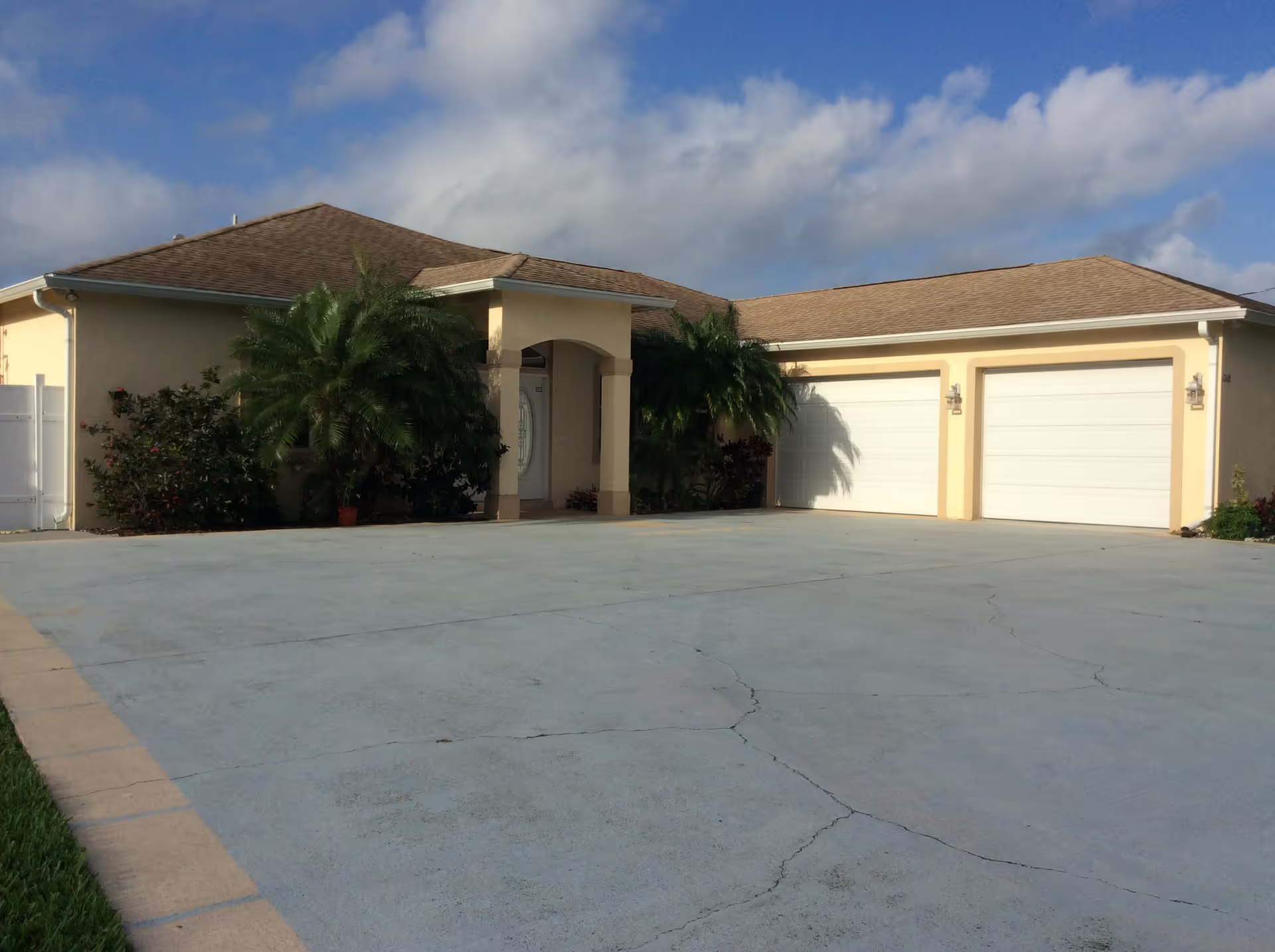
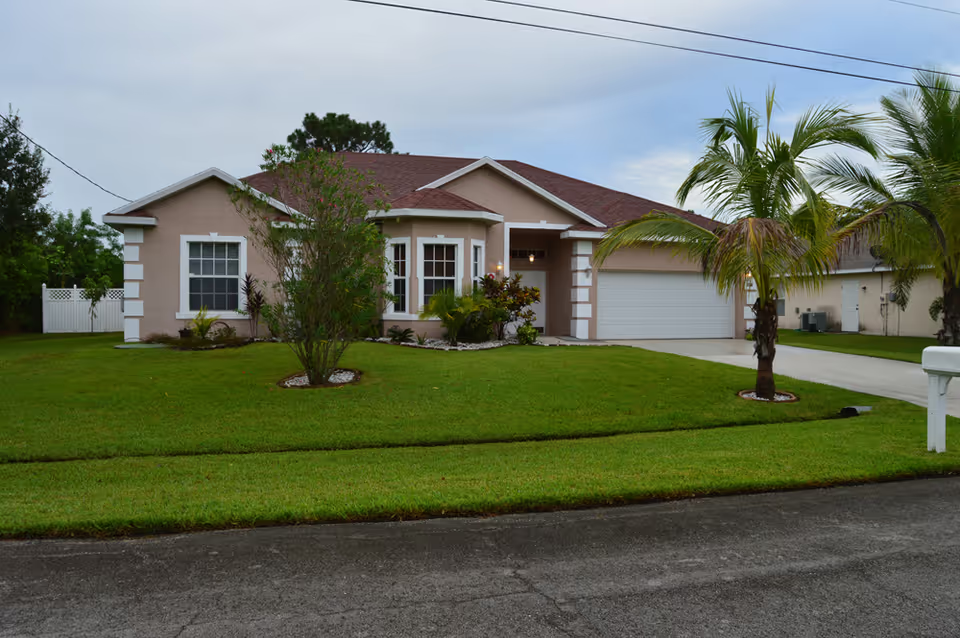
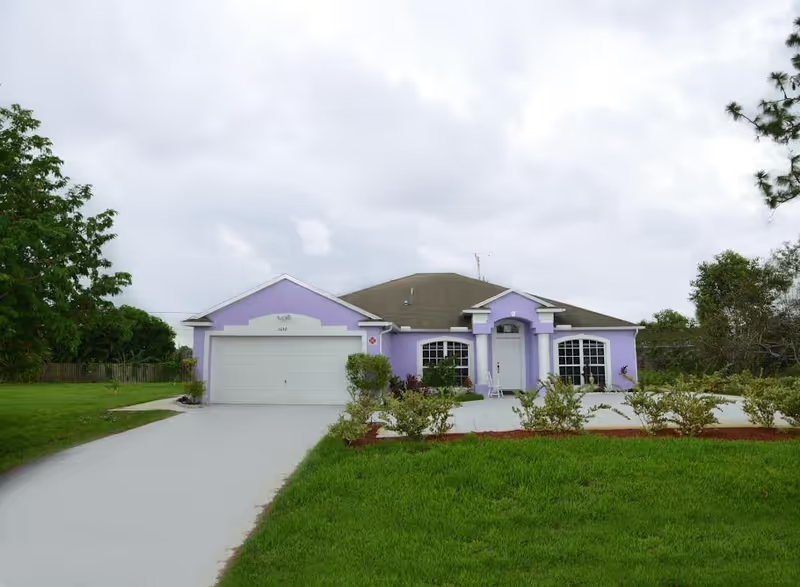
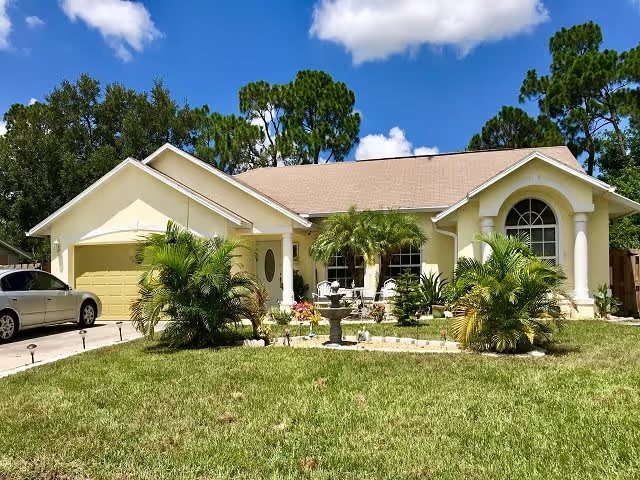
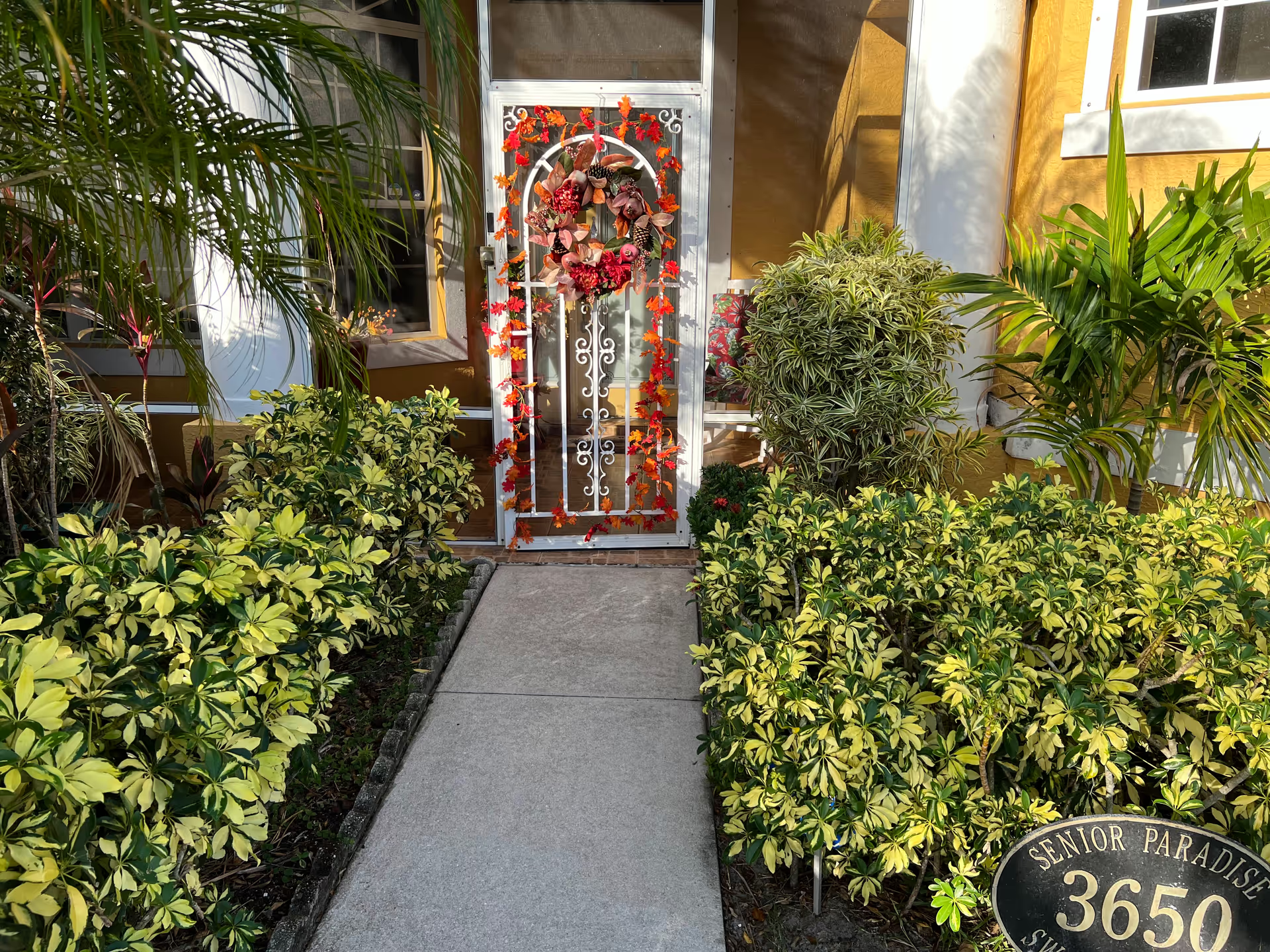
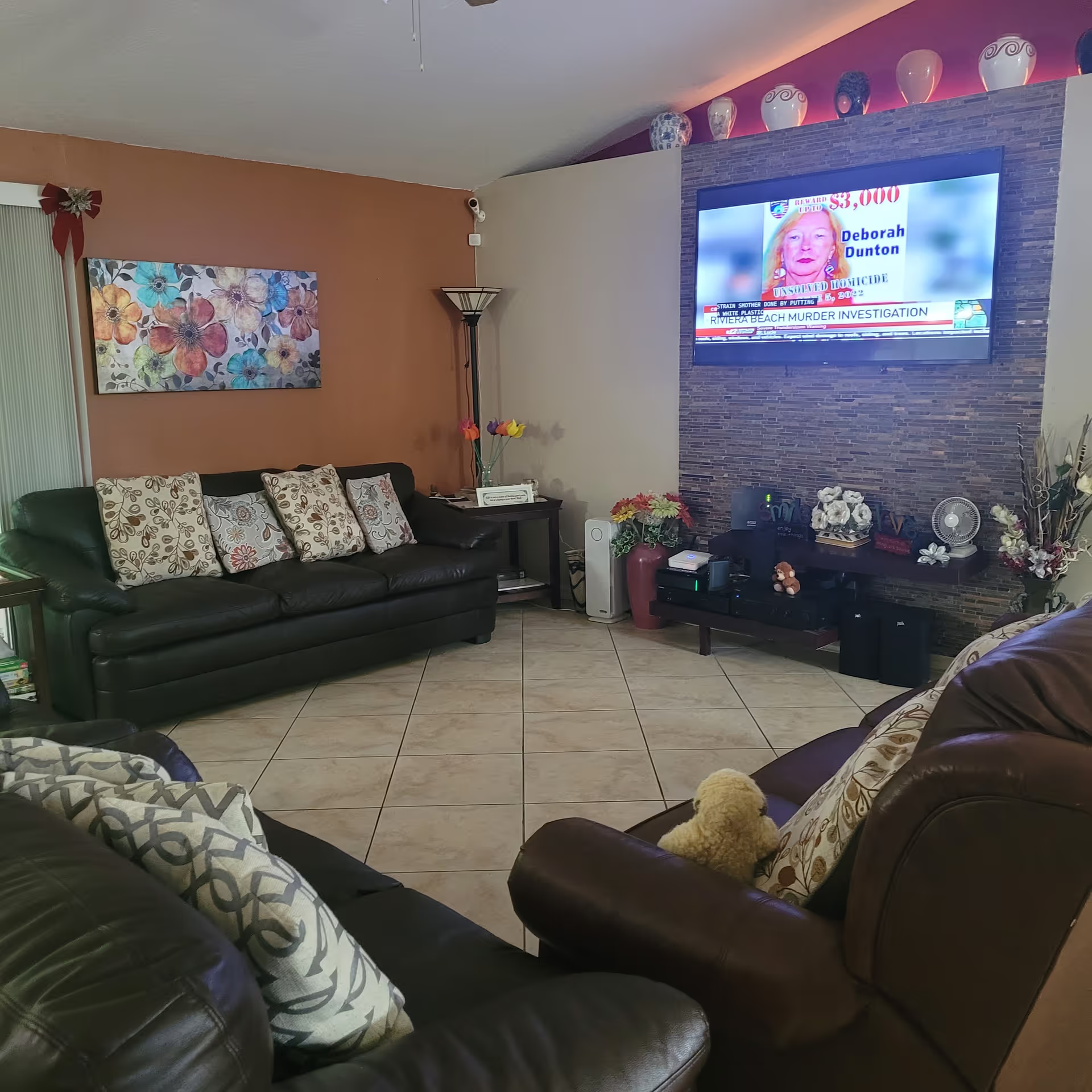
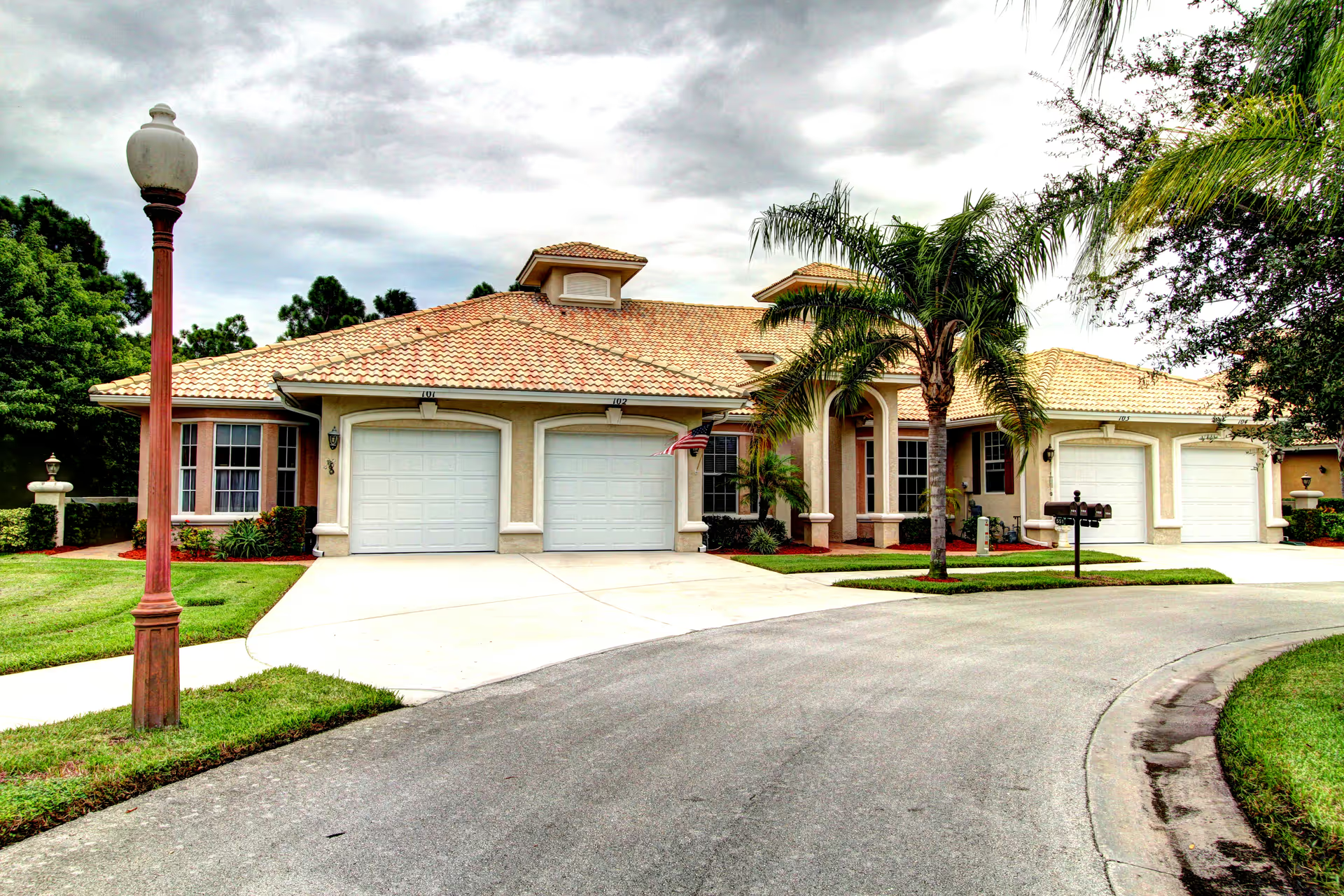
Grand Oaks is described overall as a small, homey assisted-living community with a well‑kept physical environment and an active social program. Reviewers commonly praise the facility’s tidy interior and exterior, attractive outdoor spaces such as a garden and porch with seating, and a comfortable, quaint aesthetic. The community scale and apartment options (including one‑bedroom units) support a close-knit atmosphere that residents and staff characterize as friendly and inclusive.
Direct care is frequently described as kind and responsive; many reviewers note regular care checks and staff who engage residents in daily life. The activities program appears robust, with a printed calendar, crafts, painting, outings, and transportation for shopping and medical appointments. Dining is a prominent positive: reviewers cite prompt service, varied menus, alternate meal options, and well-regarded desserts, although there are occasional comments about food items served at less‑than‑ideal temperatures or overcooked vegetables.
Notable operational concerns center on staffing and management. Several reviewers indicate intermittent understaffing and turnover, and there is an absence of guaranteed 24‑hour registered‑nurse coverage, which may affect families seeking around‑the‑clock clinical oversight. Related patterns include gaps in medication‑administration staffing and training, occasional lapses in front‑desk or activity staffing coverage, and instances where family involvement is effectively required to monitor care continuity. Some reviewers characterize corporate or upper management as disconnected or disorganized, though others report that corporate has begun addressing issues and that staff involvement and resident care have improved over time.
Facility condition and market context are mixed: the property is generally described as well maintained and clean, but reviewers also point to an aging building with limited unit availability and a desire for expanded senior‑housing capacity in the area. Prospective residents and families should weigh the community’s strong social environment, cleanliness, and transportation/dining amenities against the operational limitations noted above. Practical next steps would be to confirm current clinical staffing patterns (including nursing hours and medication‑administration protocols), observe meal service, and verify front‑desk and activity coverage to ensure the level of supervision and service matches the prospective resident’s needs.