Reviews present a mixed but consistent pattern: clinical and rehabilitative care receive strong praise in many accounts, while operational and support-service areas show recurring weaknesses. Families and former residents frequently highlight compassionate, attentive nurses and effective physical therapists who deliver individualized post-operative and long-term care. Several accounts emphasize continuity of care in the rehab wing, positive therapy outcomes, and staff who spend time listening and engaging with residents.
At the same time, staffing and workforce stability emerge as central concerns. Reviewers describe persistent shortages, high turnover, and reliance on temporary agency nursing assistants; reviewers attribute some declines in day-to-day responsiveness and personal-care consistency to these staffing dynamics. This staffing pattern is linked in reviews to delays in attending to residents, variable CNA performance, and uneven medication-administration oversight. There are also reports of inconsistent professional conduct and communication tone from some staff members, which families identified as an area needing improvement.
Dining and nutrition are another clear area of divergence. Numerous comments indicate dissatisfaction with meal quality and limited fresh-produce options, with some families bringing external food for residents. A minority of reviews describe positive meal experiences, but the dominant pattern is inconsistent food quality and limited meal choices. Equipment and supply issues were noted as operational gaps: reviewers cited shortages, delays repairing patient lifts, and other maintenance lags that can affect safe transfers and caregiver workload.
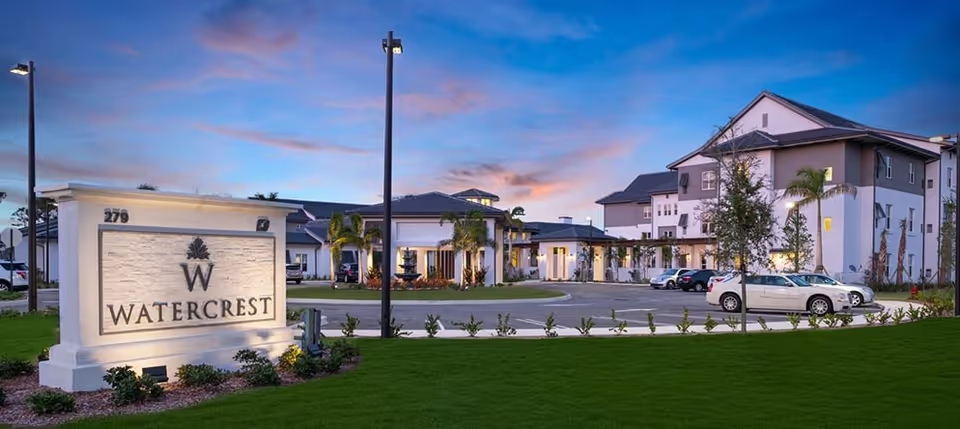
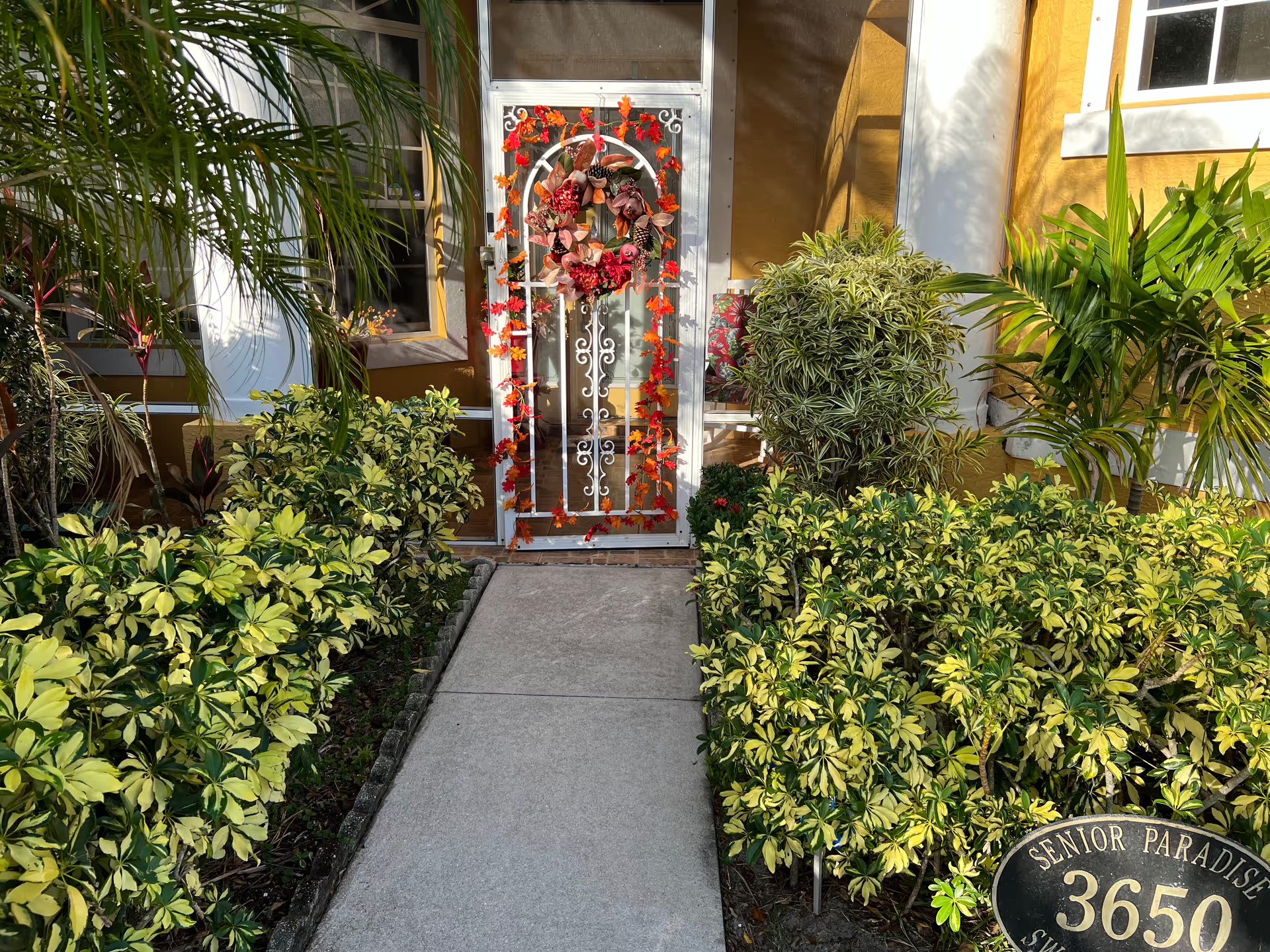
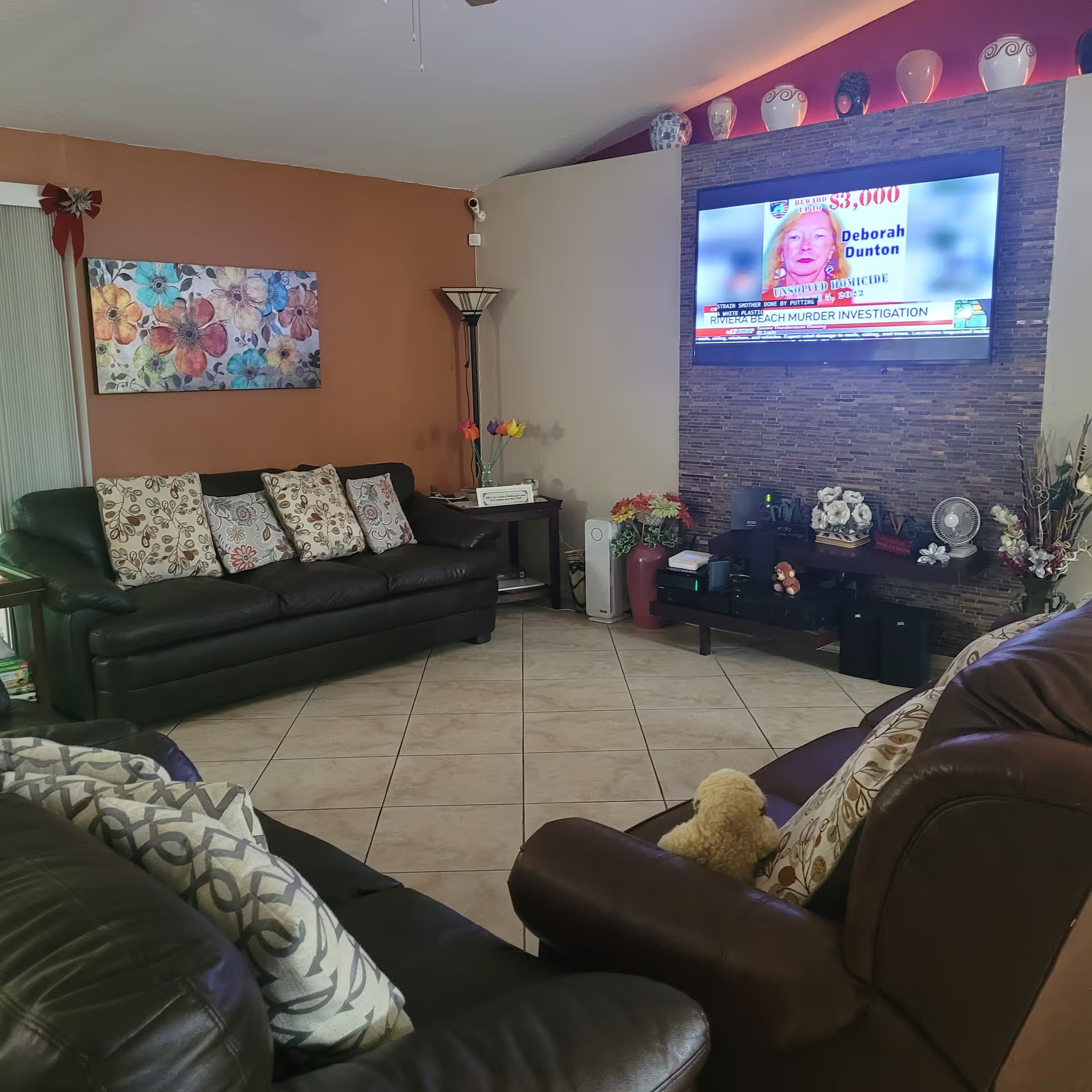
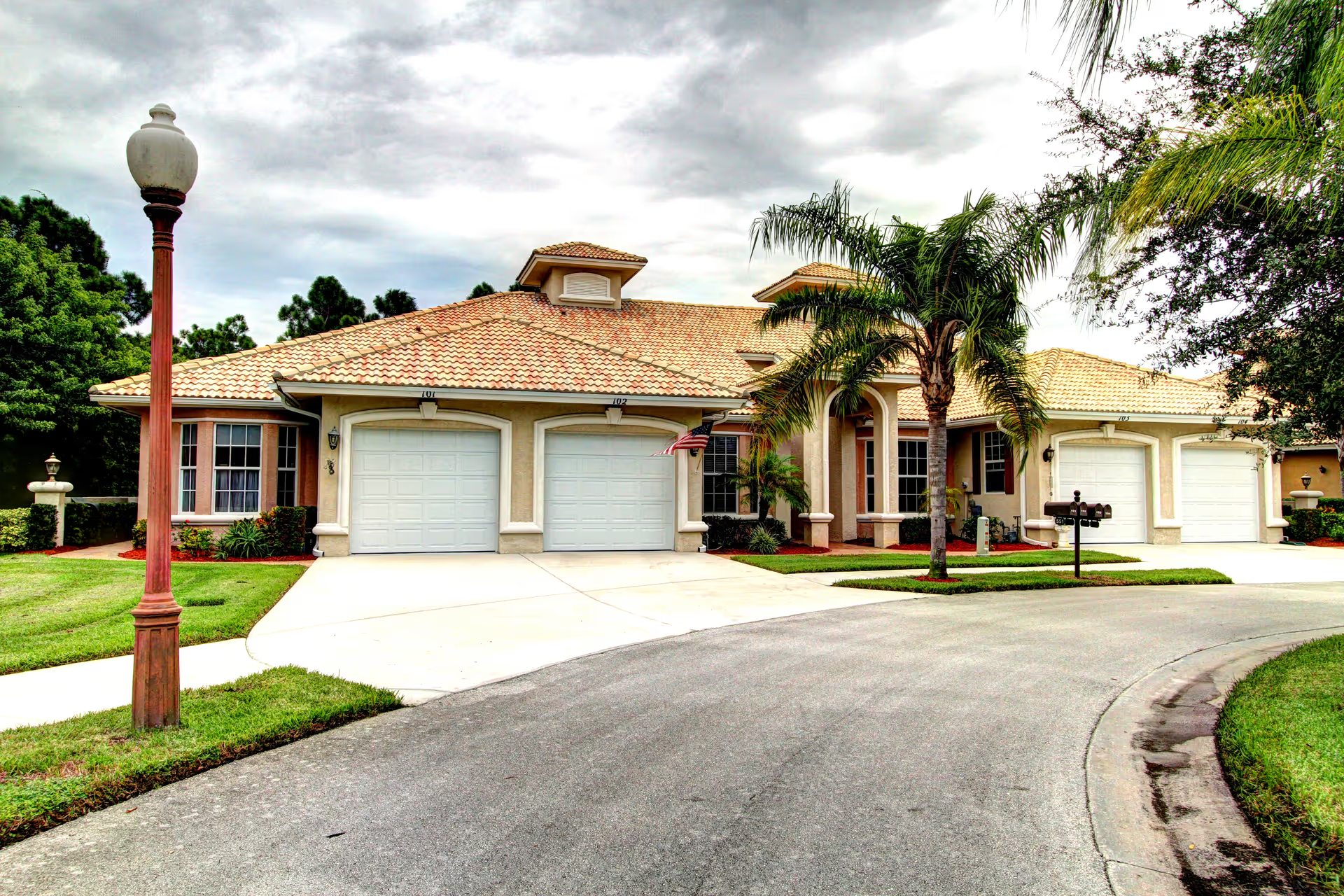
Facility features and activities are generally seen as strengths. The interior is commonly described as clean and modern, with private in-room TVs, free Wi‑Fi, laundry services, and an enclosed outdoor sun area. Activity offerings such as bingo and daily programs are available and contribute to resident engagement. Physical plant impressions vary by wing: some units are updated and well kept while others feel dated, producing uneven cleanliness and appearance across the campus.
Management and family communication show mixed signals. Some reviewers praise helpful administrative staff and a welcoming visitation environment; others describe resistance to feedback, communication breakdowns (including phone-system failures), and inconsistent follow-through on complaints. A small number of reviews describe serious concerns about staff conduct and social-media activity; these accounts suggest families should clarify oversight and complaint-resolution procedures during a tour. Several negative comments arose in a pandemic context, which some reviewers cited when explaining care challenges.
For prospective residents and their families: the facility appears capable of delivering high-quality nursing and rehabilitation care in many cases, especially when therapy teams are engaged. However, operational weaknesses—particularly staffing instability, meal-service inconsistency, equipment maintenance delays, and variable unit-level cleanliness—warrant targeted questions during a visit. Recommended inquiries include current staffing levels and turnover, agency-staff usage, lift-servicing schedules, menu planning and nutrition options, rehabilitation scheduling and denial/acceptance policies, and examples of how management addresses family concerns. Touring multiple units and speaking with current families can help assess which areas of the facility deliver the stronger experiences described in the reviews.