These review summaries show a community with many relational strengths alongside recurring operational weaknesses. Strengths cluster around staff-resident interactions: staff are frequently described as compassionate, communicative, and engaged across administrative, nursing, dietary, maintenance, and activities roles. Families and residents commonly cite individualized care planning, supportive move-in processes, responsive maintenance and housekeeping, and an overarching family-like atmosphere. The activities program receives consistent praise—multiple mentions of a proactive activities director, a broad schedule (exercise, crafts, piano, bingo, movies, outings), and dedicated activity spaces. Grounds, common areas, and building cleanliness are often noted as attractive and bright, and several comments single out kitchen staff who remember resident preferences and accommodate requests.
Care quality is portrayed as generally strong but uneven. Positive comments emphasize attentive nursing, ongoing family check-ins, and staff who go above and beyond for residents. At the same time, there are repeated concerns about medication administration delays or inconsistencies, at least one specific medication-administration incident, and a few accounts describing difficulties with clinical follow-up and documentation. A small number of reviews raised serious concerns following a resident's death and about staff conduct; those reports are significant and warrant direct follow-up with the provider and, if appropriate, regulatory authorities.
Dining and activities are major draws but also areas of variability. Many reviewers praise meals, resident-focused menu adjustments, and social dining; others describe bland or cold food and intermittent service issues. Some units advertise anytime/unlimited dining while others note meal-access restrictions or dining-room closures between meals. The activities calendar and available amenities (craft room, gym, chapel, theater, garden areas) are consistently described as robust, though participation can be limited by resident health or by staffing constraints that reduce program availability.
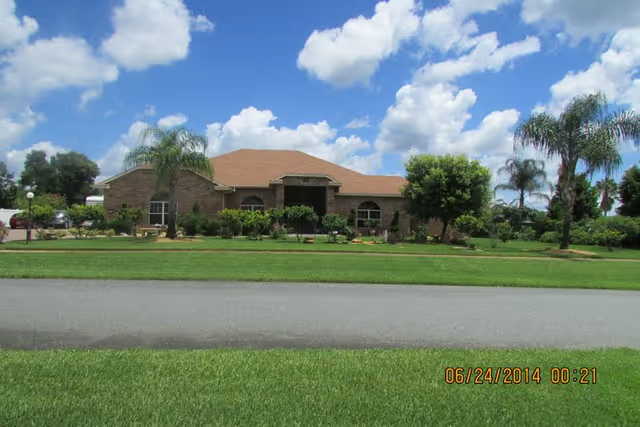
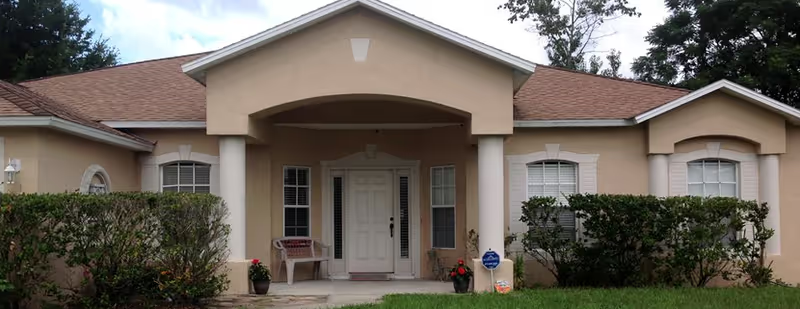
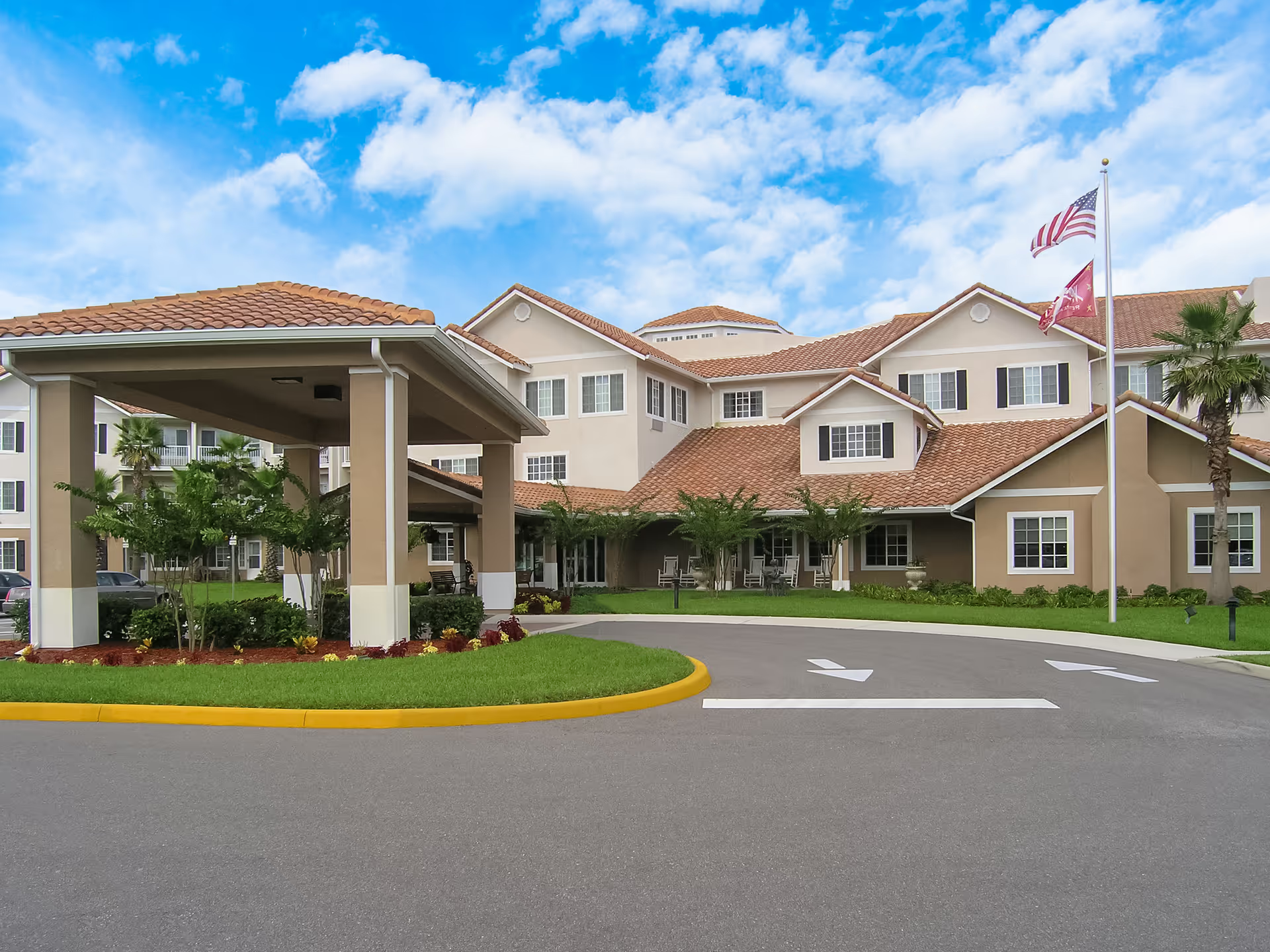
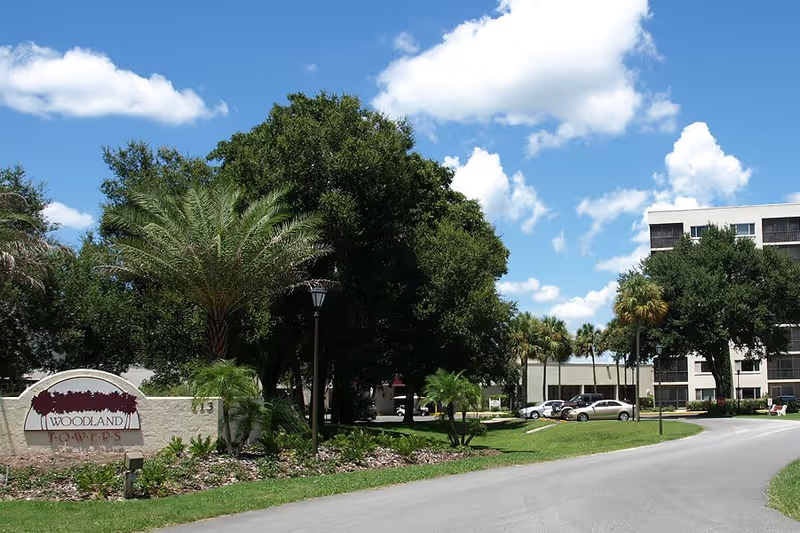
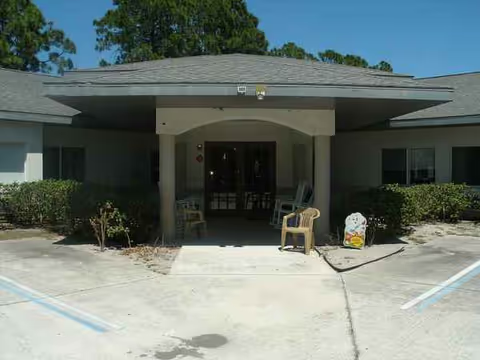
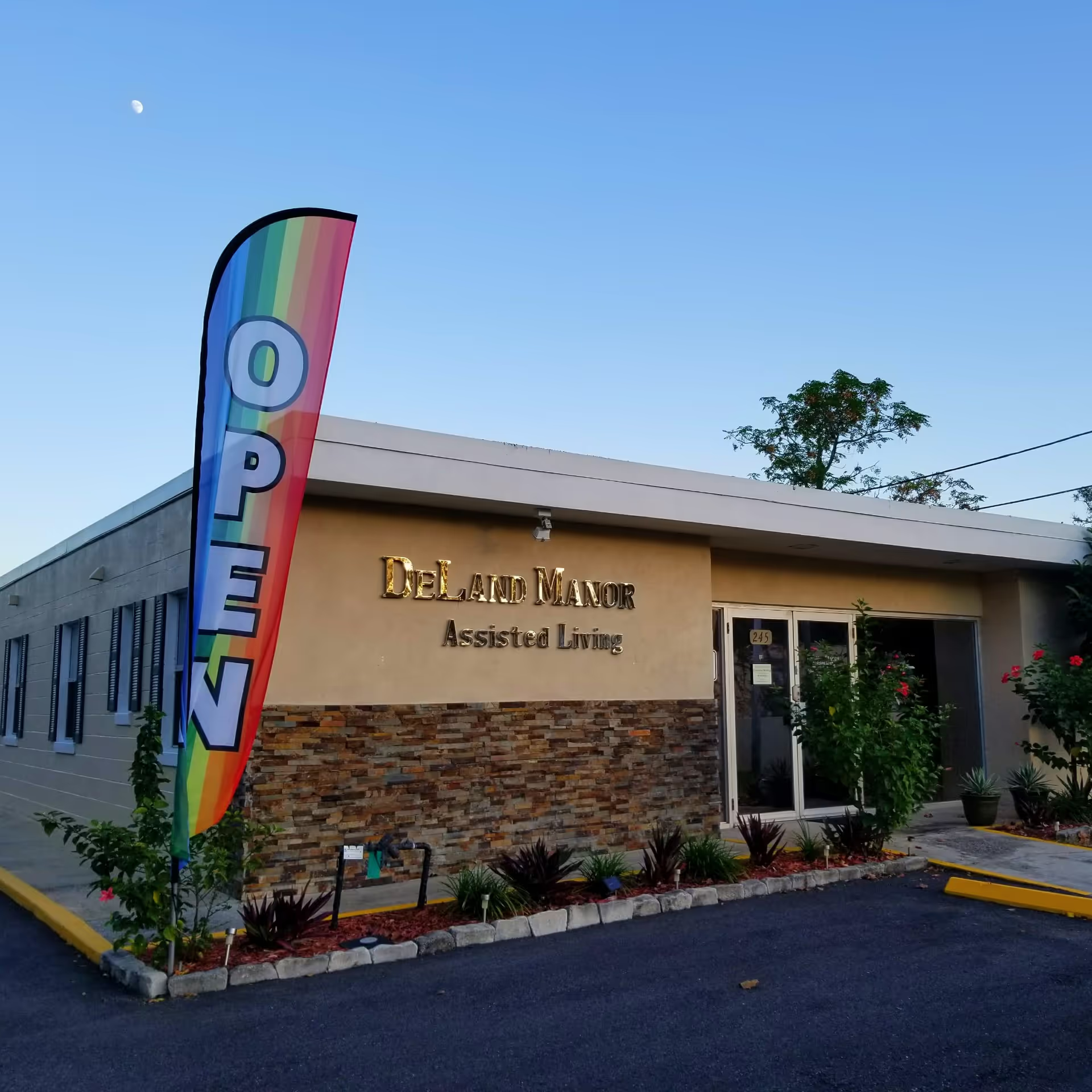
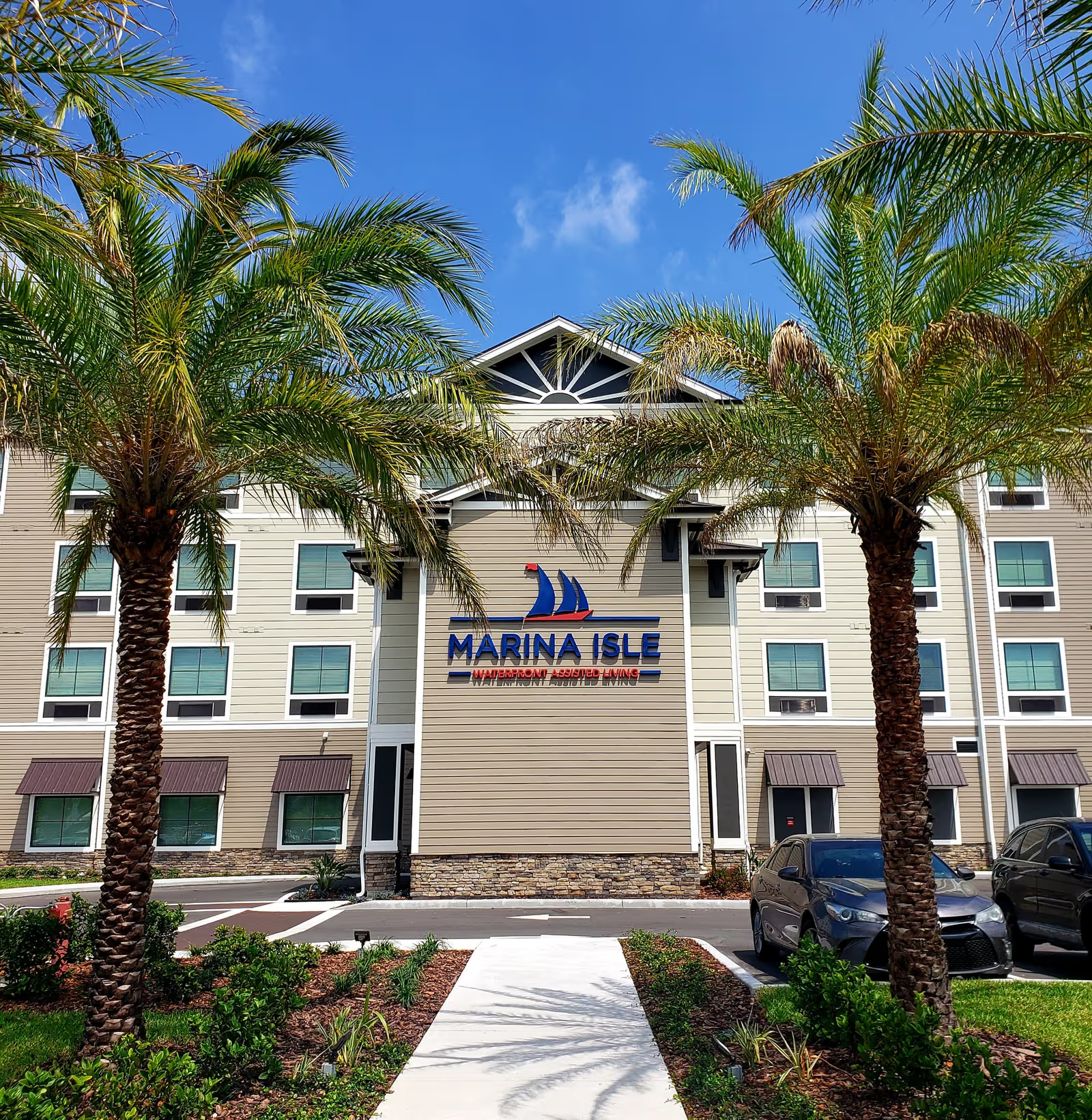
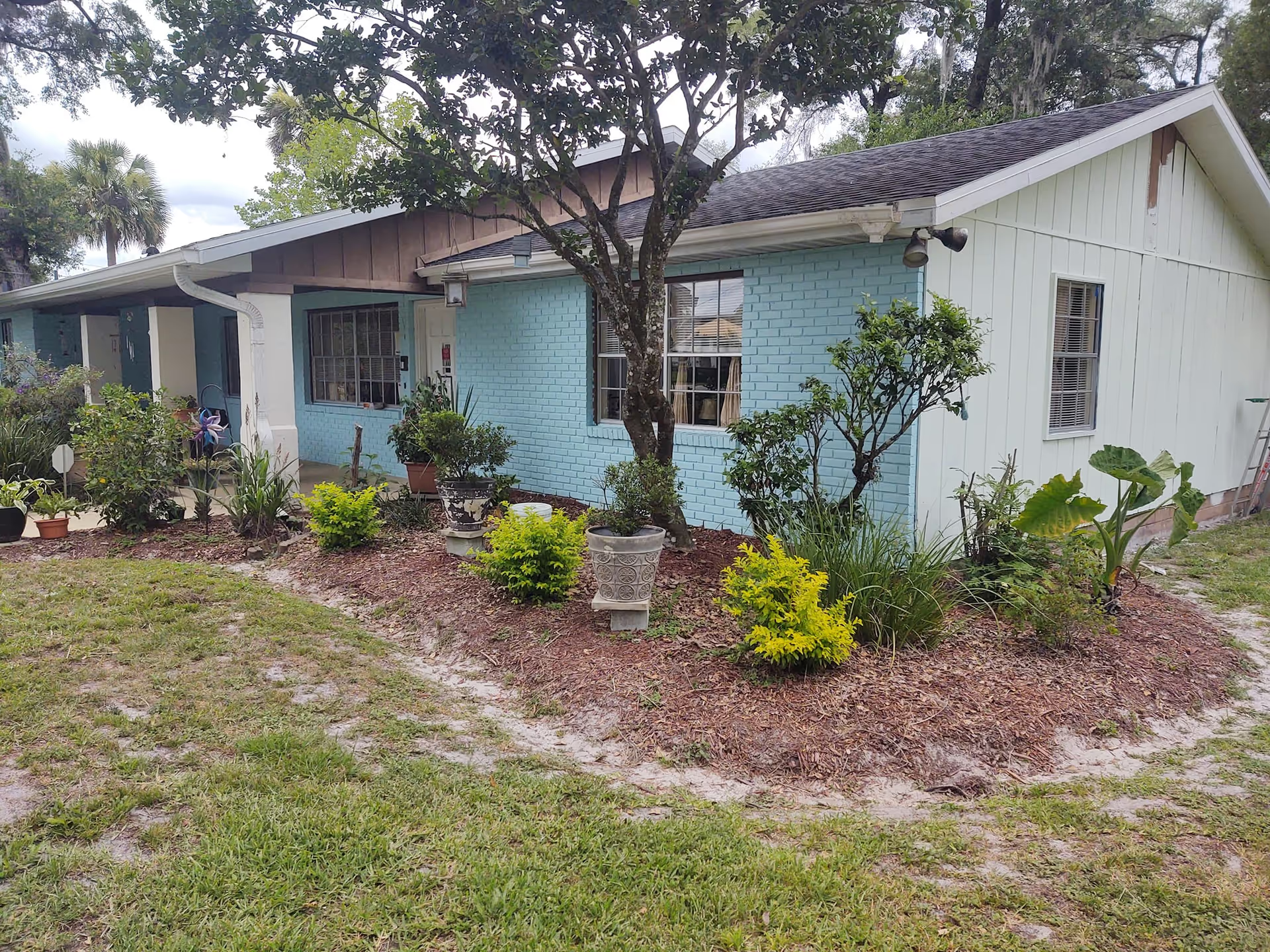
Facility and environmental comments are mostly favorable—clean, bright interiors, attractive landscaping, ample parking, and a range of communal spaces. Counterpoints include reports of small apartment footprints in some units, requests for more outdoor relaxation or 'zen' areas, and pest-control or sanitation concerns in certain reviewed instances. These latter points suggest variability in environmental maintenance across time or specific areas of the campus.
Management and operations show a mixed picture. Several reviews applaud accessible, engaged directors and clear family communication; others describe management turnover, billing issues (one-time charges, delayed contractor payments, hidden fees), front-desk gaps, and a perception of declining service quality after ownership changes. Staffing emerges as a central operational risk: understaffing, reliance on part-time employees, and high turnover are linked in reviews to delays in care, inconsistent activity coverage, and occasional lapses in service continuity.
Notable patterns for prospective residents and families: the community offers strong social programming, personable staff, and attentive maintenance in many cases, which supports quality of life. However, operational consistency—particularly staffing levels, dining reliability, medication practices, pest control, and billing transparency—varies across reviews and over time. Prospective residents should schedule an in-person visit during a mealtime and an activities period, ask for current staffing ratios and recent staffing turnover data, request written policies on medication administration and clinical admission criteria (for example, insulin-dependent residents), and review the contract for one-time fees or billing practices. Following up with current families about recent management changes and any remediation steps taken on sanitation or clinical concerns will help provide a clearer picture of current performance versus historical issues.