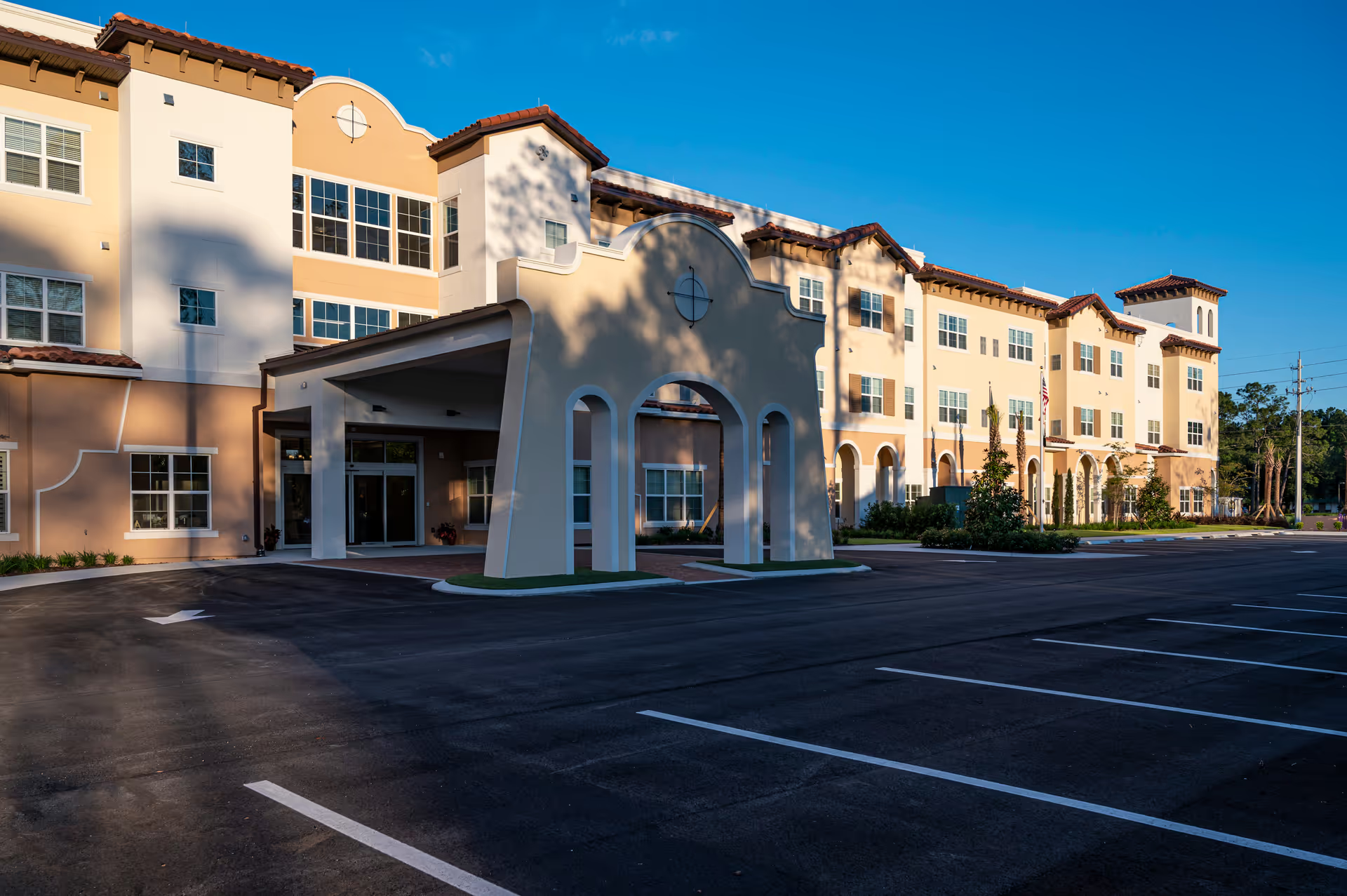
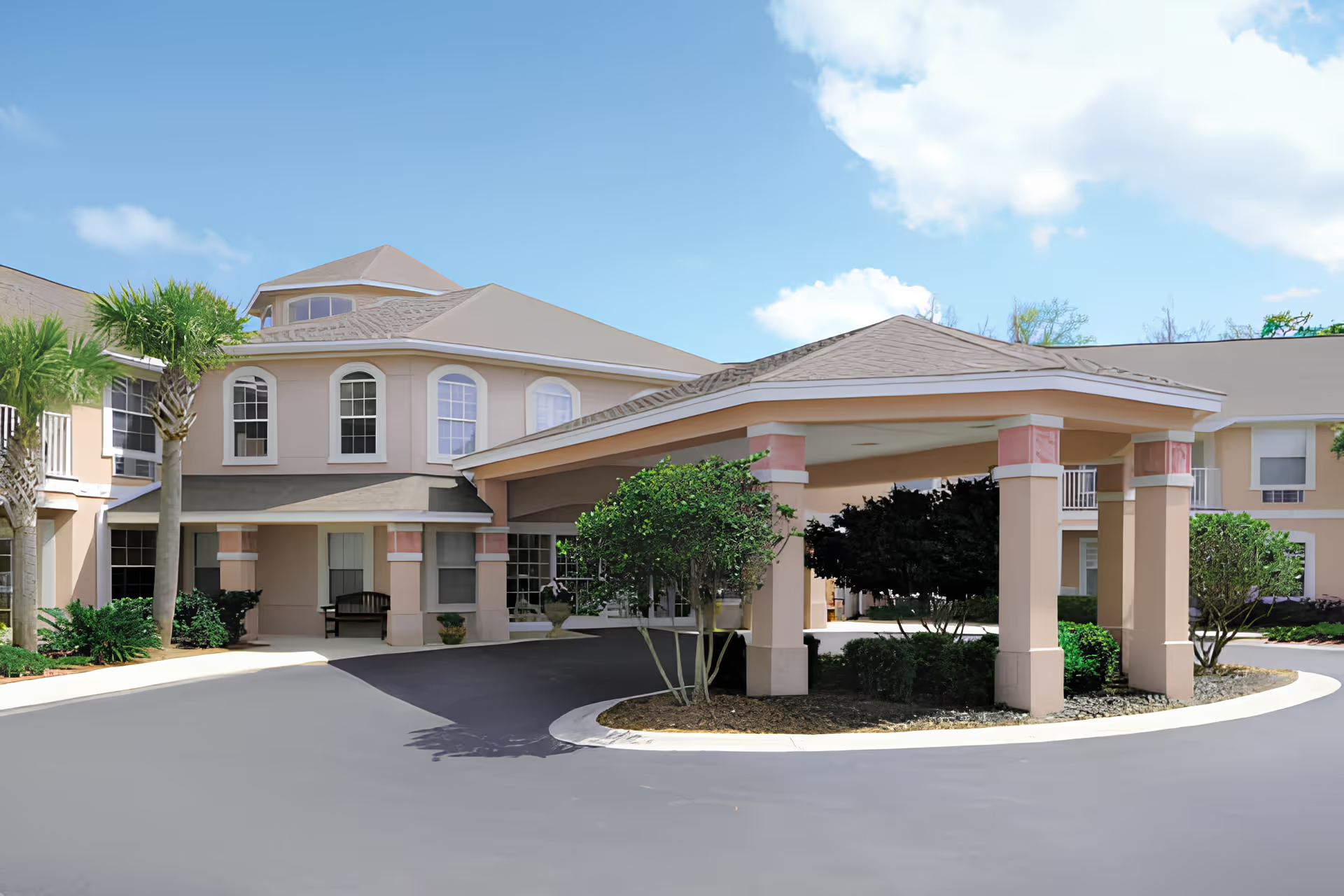
Premier Assisted Living elicits consistently positive commentary about day-to-day resident life while also generating distinct operational concerns that prospective residents should confirm before committing. Many families emphasize a warm, home-like environment: staff are frequently described as compassionate, attentive, and professional; admissions and tour personnel are noted for patience and clear explanations; and the community atmosphere is characterized as social and welcoming. Physical upgrades and recently renovated, spacious rooms are commonly cited, and the facility is described as having a resort-like feel with strong security measures and on-site medical staffing that contribute to a sense of safety.
Care quality is generally portrayed as respectful and dignified for residents with low-to-moderate needs. Reviewers highlight individualized attention, assistance with specific medical conditions, and staff who ‘‘go above and beyond’’ in caregiving. At the same time, reviewers consistently indicate that the community is best suited to residents who require up to a moderate level of assistance; it is not positioned to manage higher-acuity care beyond its advertised care level. Families seeking higher clinical intensity should verify clinical capabilities and transfer pathways in advance.
Dining and activities are central strengths. The dining program receives repeated praise for menu variety, presentation, and taste; meal service is described as socially oriented and arranged to encourage resident interaction. A broad array of activities — including group programs, bingo, library access, and pet-therapy options — supports social engagement and resident participation. These features, together with a central location and frequent visitors, reinforce the community’s social appeal.
Operational patterns are where reviews show more variability. Multiple reviews describe reduced staffing or longer response times during evenings and weekends and inconsistent follow-up after move-in, creating reliability and communication gaps at critical times. Some families perceived operational decisions as cost-driven in ways that affected service continuity. Recent administrative turnover has been noted, with concerns about leadership continuity and slower or inconsistent responses to resident questions during the transition. Prospective residents should ask for clear explanations of staffing schedules, after-hours response protocols, and how administrative changes are being managed.
The facility layout merits close inspection in person. While many praise the décor and spacious rooms, others describe a motel-style configuration with exterior or covered-walkway access from certain rooms; that design can create less convenient or weather-exposed routes to the main building. Accessibility and direct indoor access vary by unit, so visitors should tour the specific room type they would occupy, and verify sheltered pathways and transport arrangements during inclement weather.
Overall, Premier Assisted Living appears well suited to older adults seeking a sociable, clean, and well-appointed assisted living environment with strong dining and activity programs and generally compassionate staff. Important due diligence items before move-in include confirming the facility’s capacity for higher-acuity care, understanding evening and weekend staffing and communication practices, clarifying how administrative transitions are being addressed, and inspecting room location and access relative to weather and mobility needs. These checks will help align expectations about service consistency and clinical fit with the strengths the community offers.