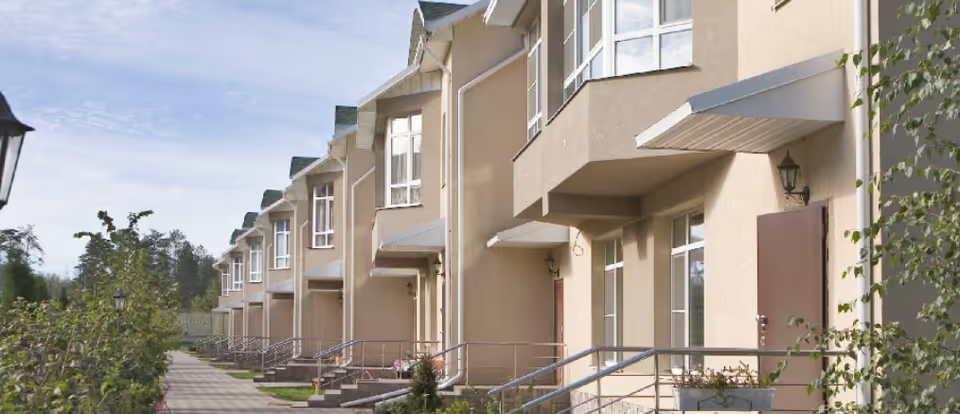
Overall impression: The consolidated reviews portray Encore at Avalon Park as a largely well-appointed, modern senior community with a consistently praised caregiving culture in many areas and a strong emphasis on memory-care programming. Families frequently commend the staff’s warmth, patience and hands-on attention; several clinical and activities staff members are named repeatedly for positive contributions. The facility’s neighborhood model, recent construction, and proximity to retail and dining are commonly described as conveniences that support resident quality of life.
Care quality and clinical patterns: Many accounts highlight attentive nursing and caregiving, including 24-hour clinical support in parts of the community and staff who recognize early signs of illness. Memory-care services receive consistently positive mentions for responsiveness and engagement. However, there is a recurrent operational concern about variable clinical staffing levels, occasional reliance on non‑RN staff for medication distribution, and lapses in nutritional follow-up (notably unexplained weight loss in some cases). These items suggest inconsistent implementation of clinical protocols and the need for clearer medication and nutrition monitoring practices.
Staff and management: Reviews describe a core of compassionate, family-oriented staff and effective move-in coordination that can reduce stress at admission. At the same time, there is a prominent pattern of leadership turnover and inconsistent management follow-through. Families report both seamless admissions experiences and instances where promised services or transitional supports were not delivered. Communication with families is uneven—many praise timely updates and tech-enabled contact, while others note delayed clinical notifications and billing or reception-process gaps. These mixed signals point to variability in supervisory consistency and administrative oversight.
Dining and activities: Dining is generally viewed positively: menus are varied, meals can be tailored, and kitchen staff are described as accommodating. Some reviewers, however, noted inconsistent portion size and occasional meal dissatisfaction. Activities are a clear strength in many reports—there is an extensive calendar, frequent outings, and active programming led by a capable activities director—but engagement appears uneven across neighborhoods. For some residents the community provides ample stimulation; for others the ambiance and neighborhood quietness are described as under-stimulating.
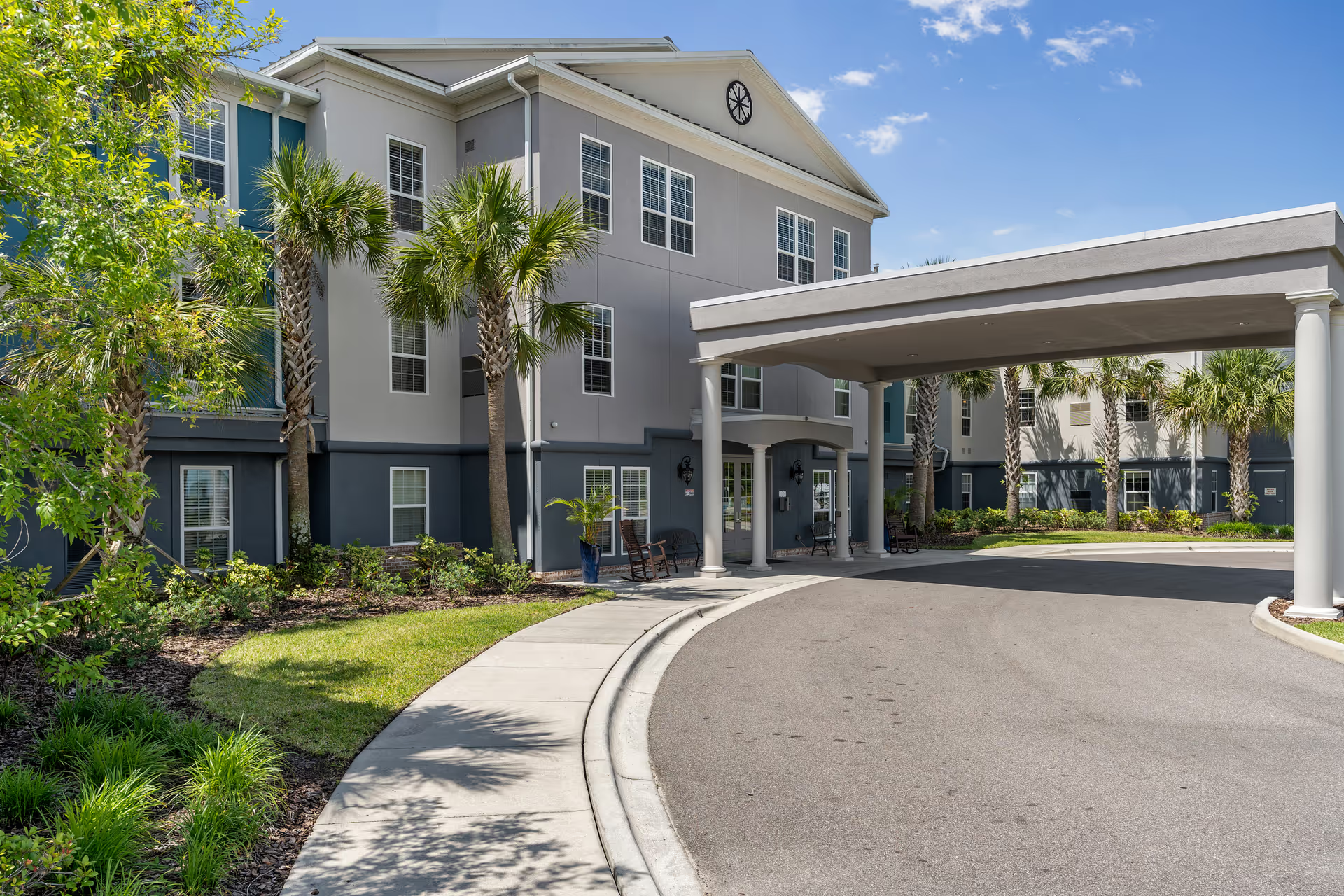
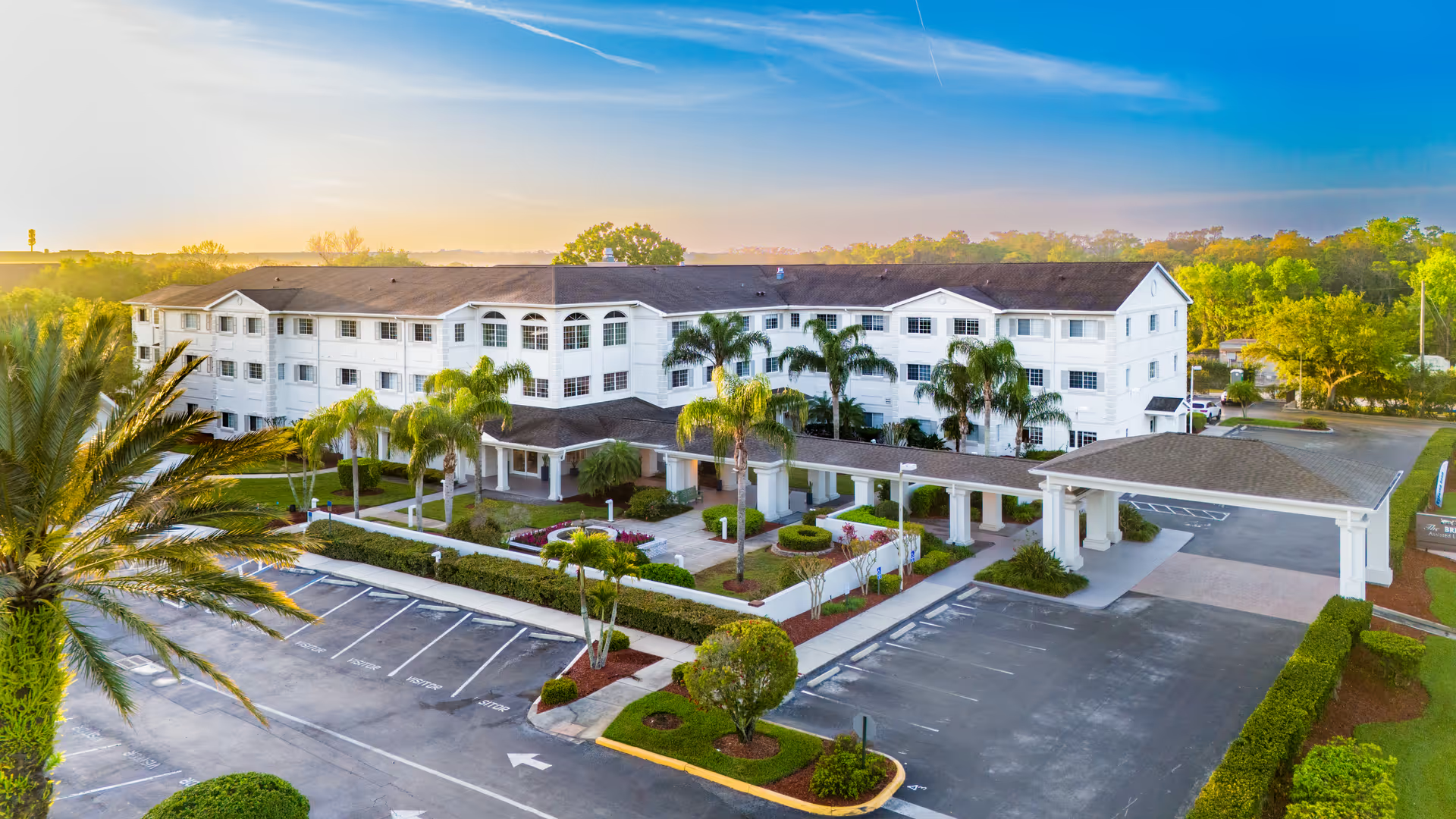
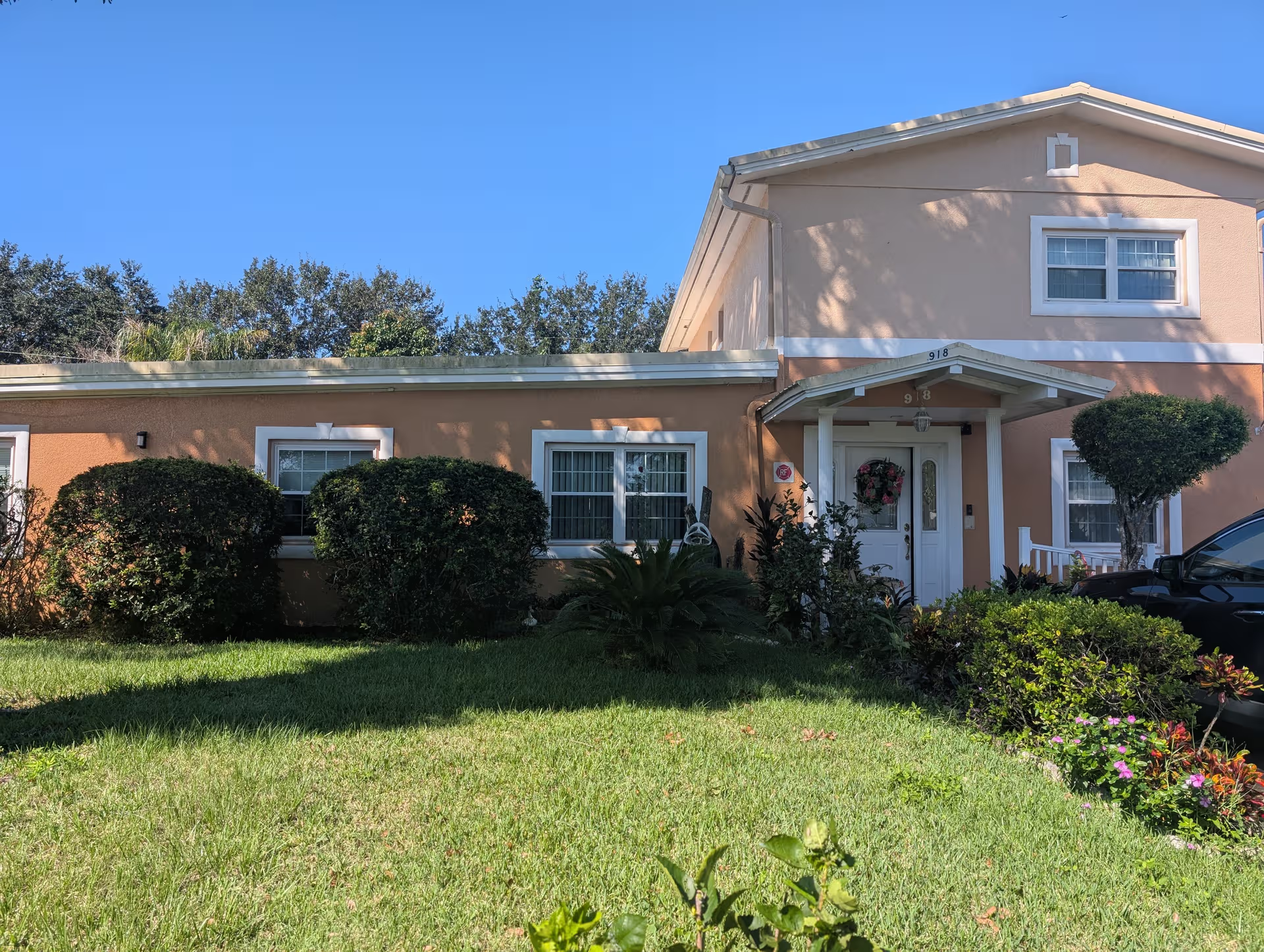
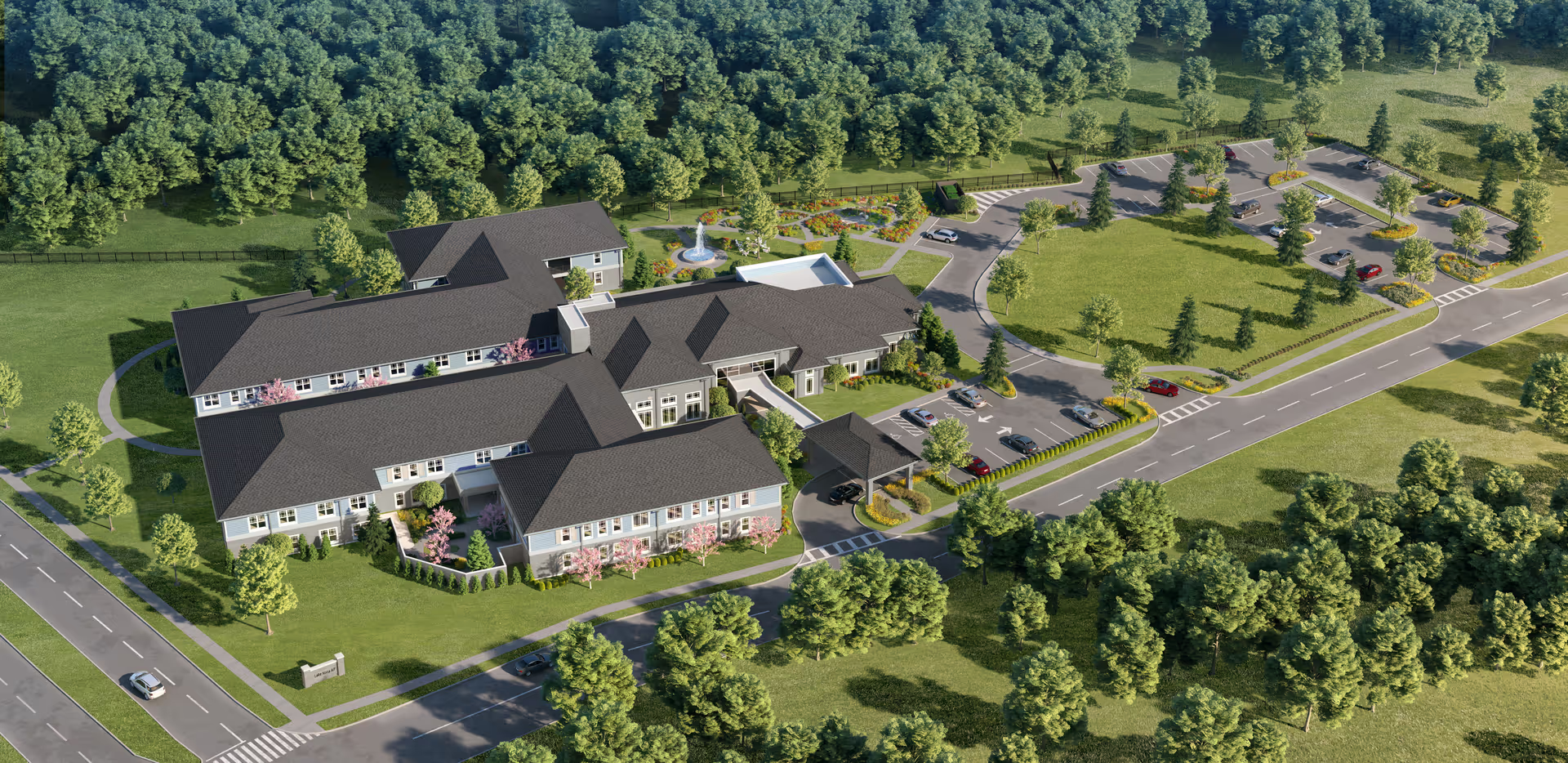
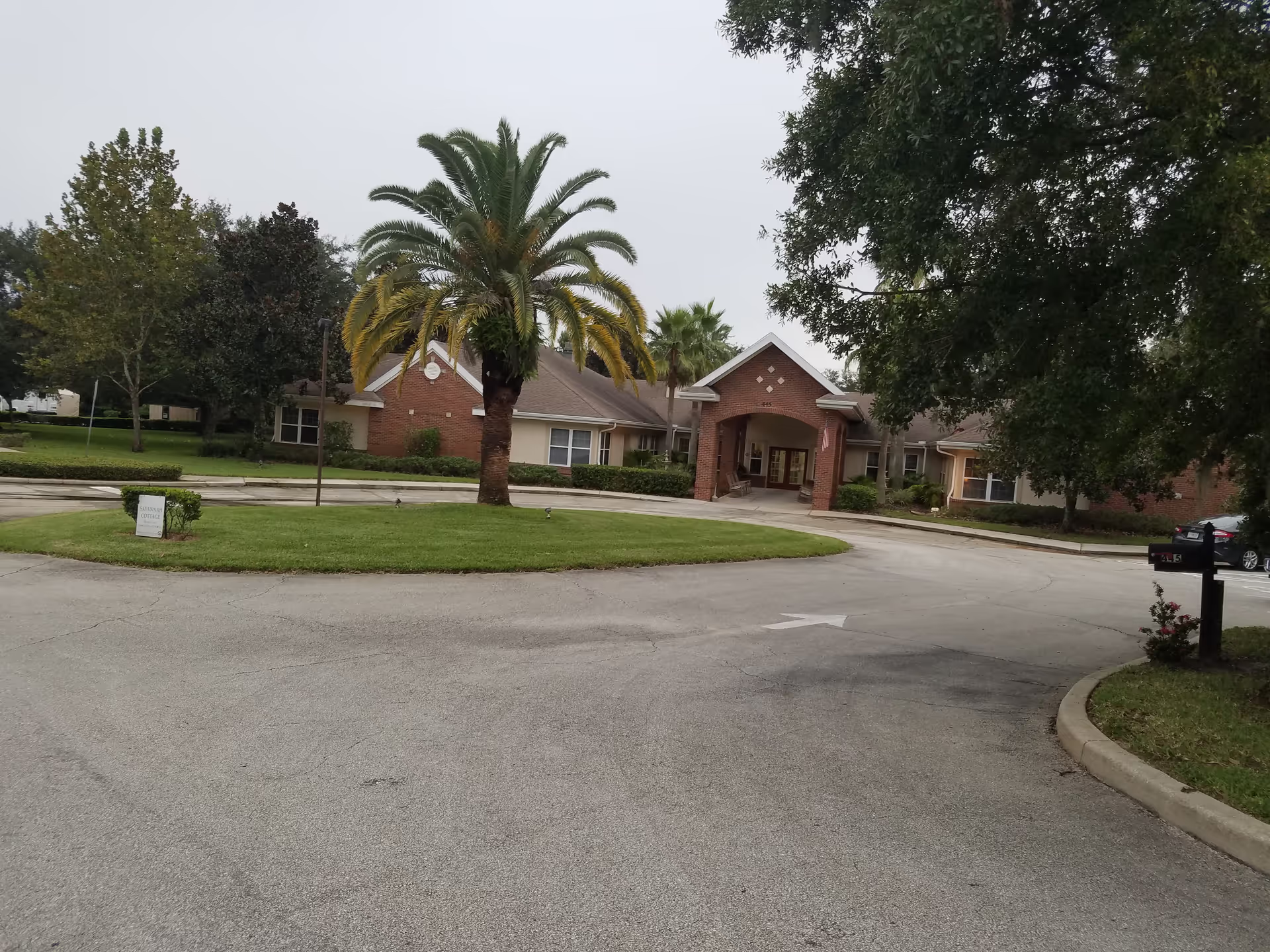
Facilities and operations: The building and neighborhood layout are widely regarded as attractive, clean, and well maintained, with amenities that include courtyards, elevators, and accessible apartments. Nevertheless, there are reports of maintenance delays, periodic service outages (phone/TV), and occasional housekeeping inconsistencies. Pricing is described as high by several families, with some uncertainty about discounting and cost structure. The community’s acceptance of Medicaid and multilingual staff are operational positives for accessibility.
Notable risk signals: While positive experiences dominate many summaries, a smaller number of serious concerns appear across the dataset: unmet promises at admission, miscommunication about hospice or end-of-life coordination, and at least one allegation of theft and staff misconduct. These constitute important issues for prospective families to investigate directly with leadership and in regulatory records. In aggregate, the pattern suggests a facility with many operational and programmatic strengths—particularly in memory care and daily engagement—coupled with variability in management consistency, clinical staffing practices, and administrative execution.
Recommendation for families: Prospective residents and families should weigh the strong caregiving culture, active programming, and modern facilities against the operational variability described. Practical next steps include asking for current staffing ratios and medication protocols, written guarantees for transition services, documentation of nutritional monitoring practices, clarification of pricing and discount policies, and a review of recent leadership changes and any recorded incidents. Visiting multiple neighborhoods during different times of day and speaking directly with both clinical leadership and current family members can help assess how consistently the community delivers on the strengths emphasized in many reviews.