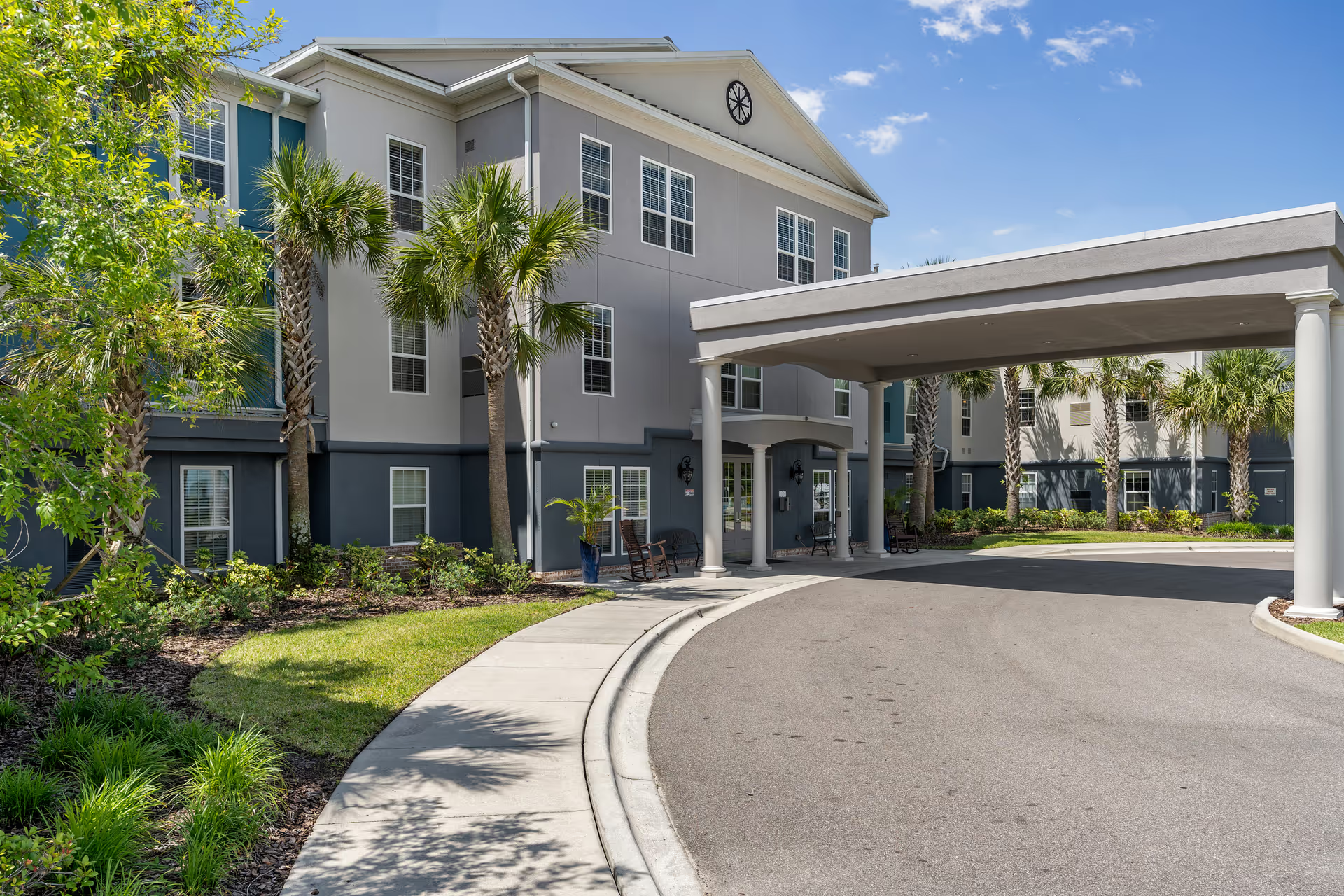
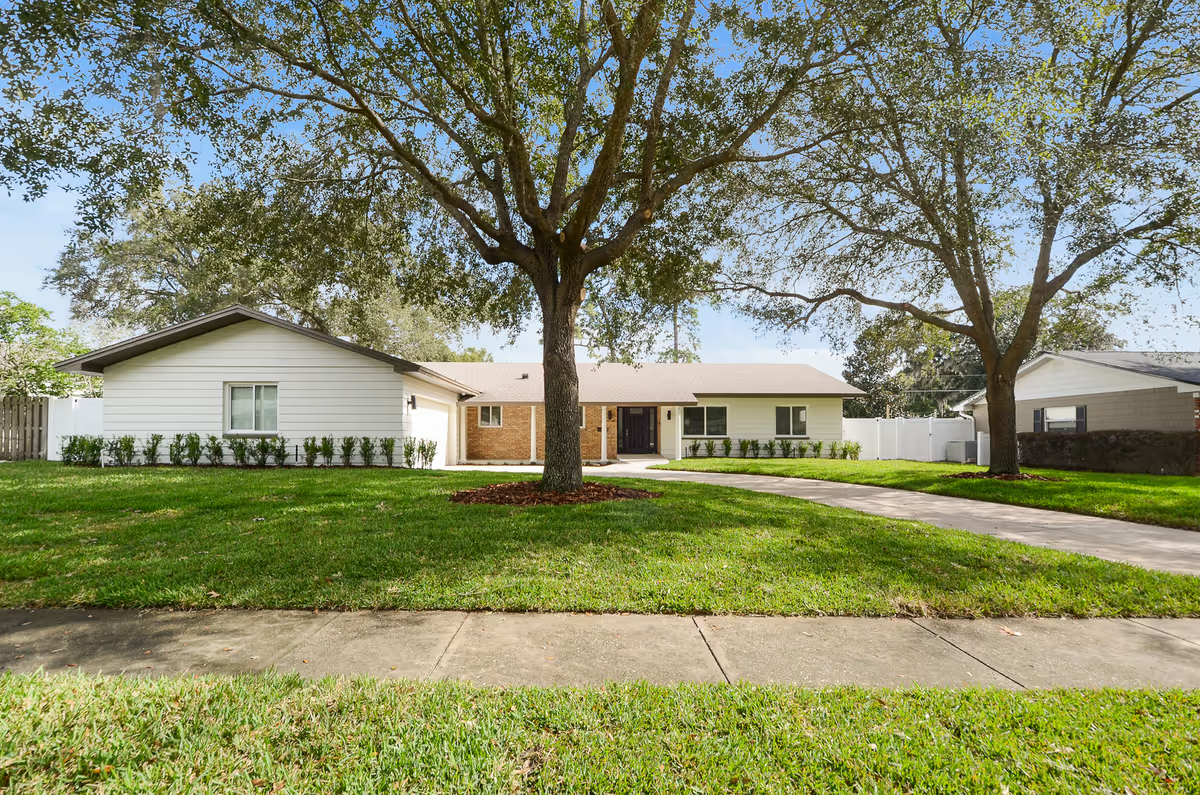
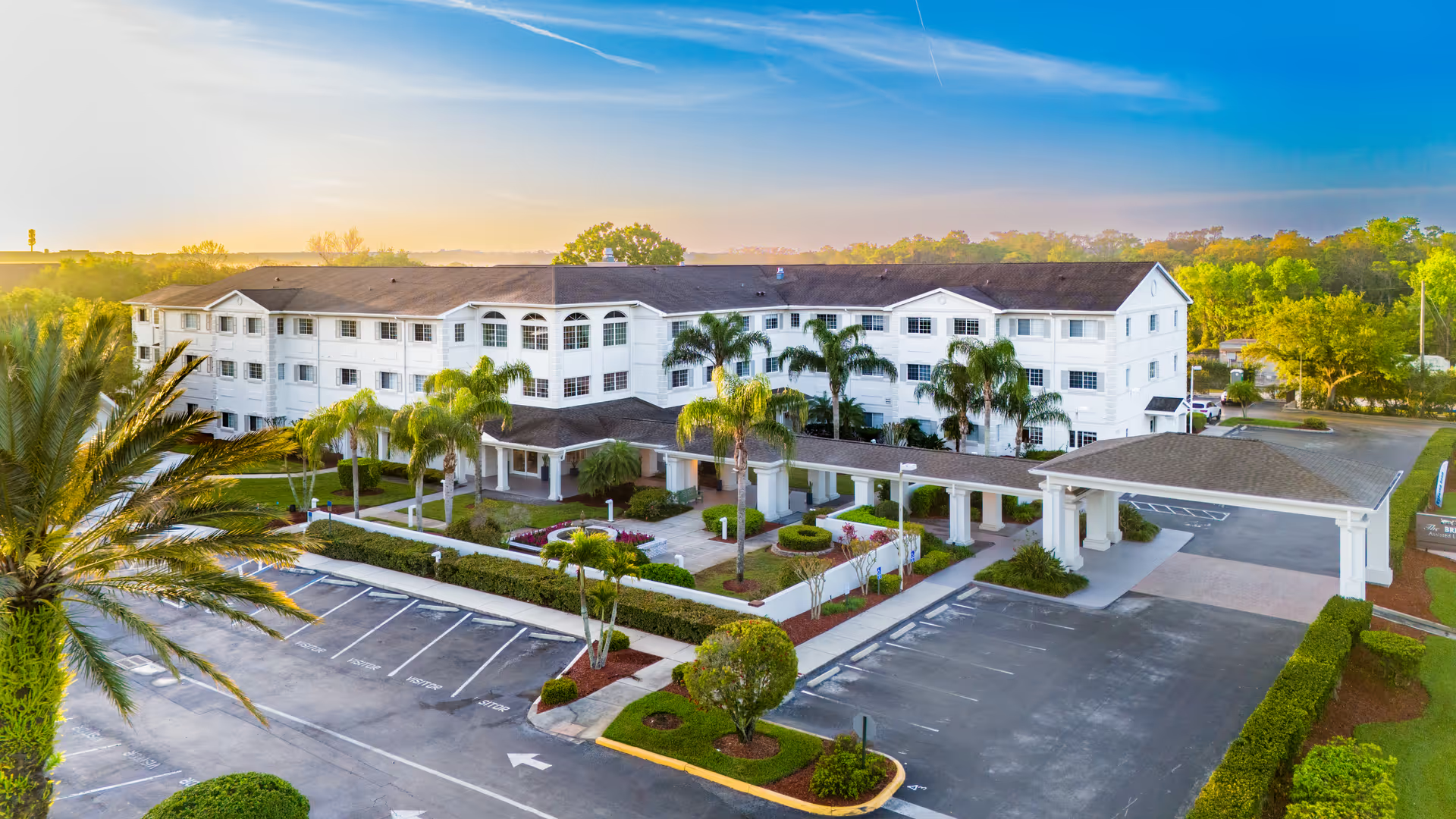
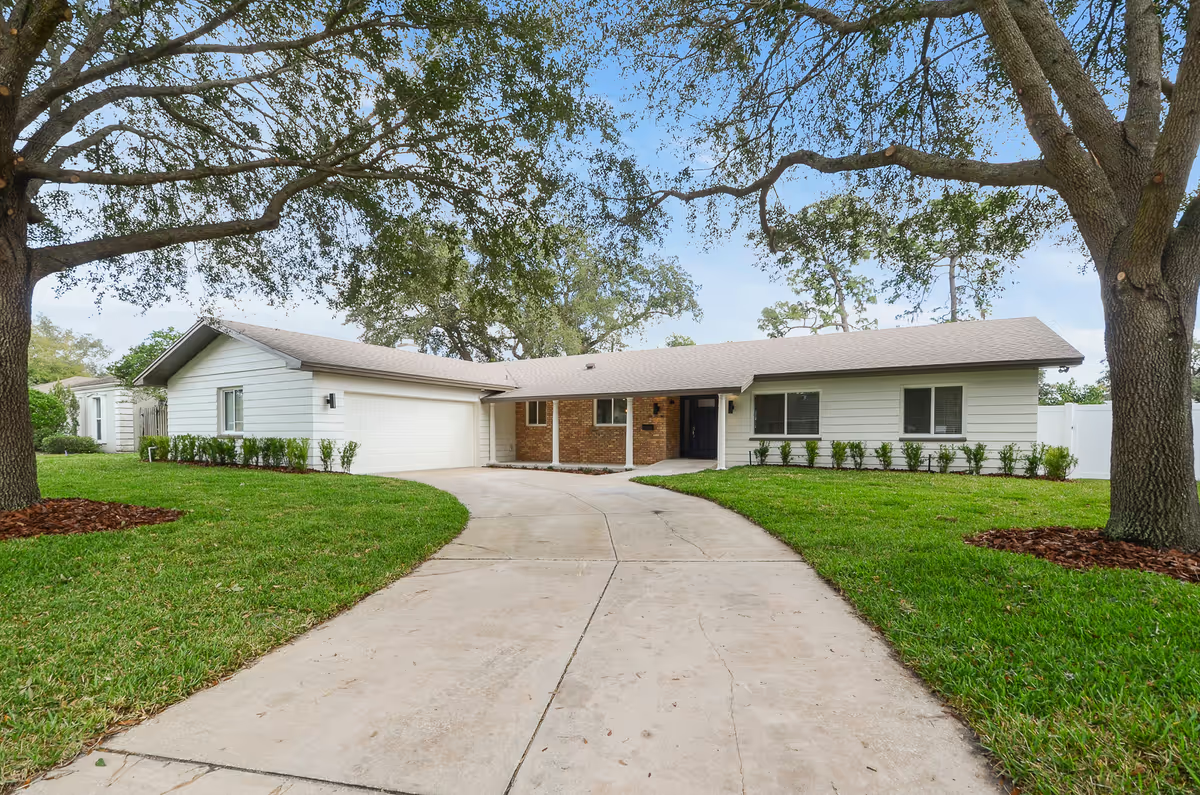
Lakeview Manor presents a mixed picture in these summaries. On the positive side, the property and interior environment are frequently highlighted: grounds are well kept with lake access and outdoor spaces for picnics and cookouts, common areas and foyers are bright and attractively decorated, and private rooms are described as spacious and soothing. The facility offers a range of physical-wellness options (an exercise room, daily walks, aerobics and yoga) and communal spaces that support socialization and cultural outings. Dining is generally portrayed favorably, with healthy menus, appealing presentations and regular snacks.
Care and staff behavior elicit contrasting impressions. Many accounts describe kind, patient and respectful caregivers who treat residents like family and provide consistent day-to-day support; reviewers mention friendly staff, smiling residents and a welcoming atmosphere. However, there are also serious concerns about staff conduct, resident advocacy, and responsiveness. These concerns include accounts of inadequate responses when residents' needs escalated and at least one account alleging financial exploitation. The coexistence of positive caregiving comments and these more severe concerns suggests variability in staff performance and supervisory effectiveness.
Activities and engagement appear to be a strength for some residents but inconsistent for others. While activity rooms, social programs and outings are noted, other summaries describe limited engagement for particular residents and periods where activity levels were low. This pattern indicates the facility can provide robust programming but may not reliably deliver it across all residents or shifts.
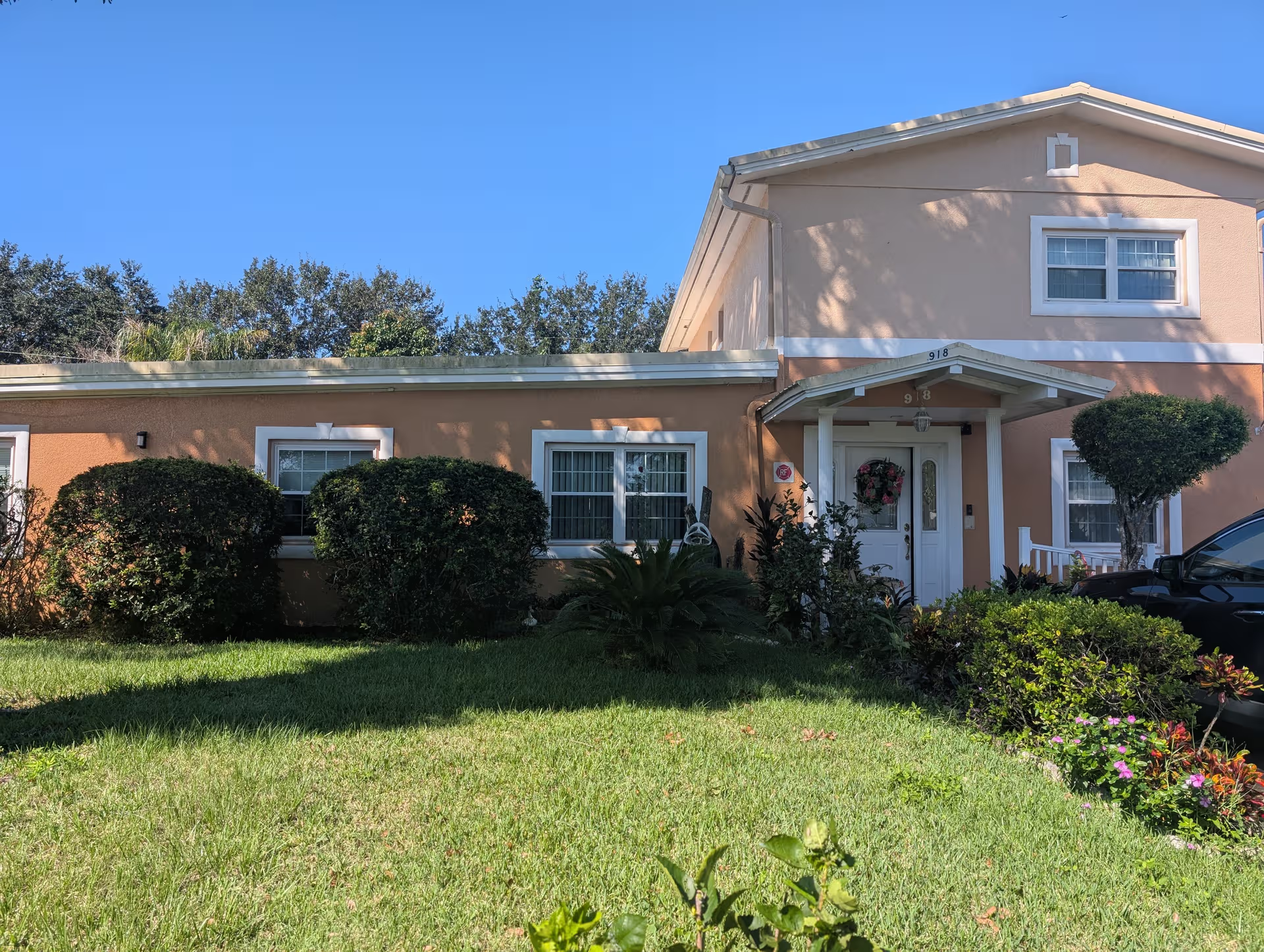
The facility’s physical configuration — described as a converted house — is a recurring operational theme. The conversion appears to contribute to charm and a homelike feel for some, but it may also impose limitations on care delivery, accessibility, and staffing sightlines compared with a purpose-built assisted-living structure. Prospective residents and families should evaluate whether the layout meets specific mobility, supervision and safety needs.
Management and administrative controls warrant careful scrutiny. In addition to concerns about staff conduct and responsiveness, reviewers raised issues indicative of gaps in oversight, particularly around financial safeguards and billing practices. These are operational risks that can significantly affect families and residents if not addressed. The combination of positive frontline caregiving reports and operational concerns suggests that strengths in day-to-day resident interaction coexist with weaknesses in supervision, policy enforcement and administrative safeguards.
For prospective residents and families: verify current staffing levels and supervisory practices, ask about activity schedules and how engagement is monitored for residents with limited mobility or cognitive decline, review billing practices and financial-protection policies, and tour the specific unit to assess whether the converted layout meets the resident’s care and safety needs. Overall, Lakeview Manor offers many appealing environmental and programmatic features, but families should confirm oversight and safeguards to ensure consistent care and protection.