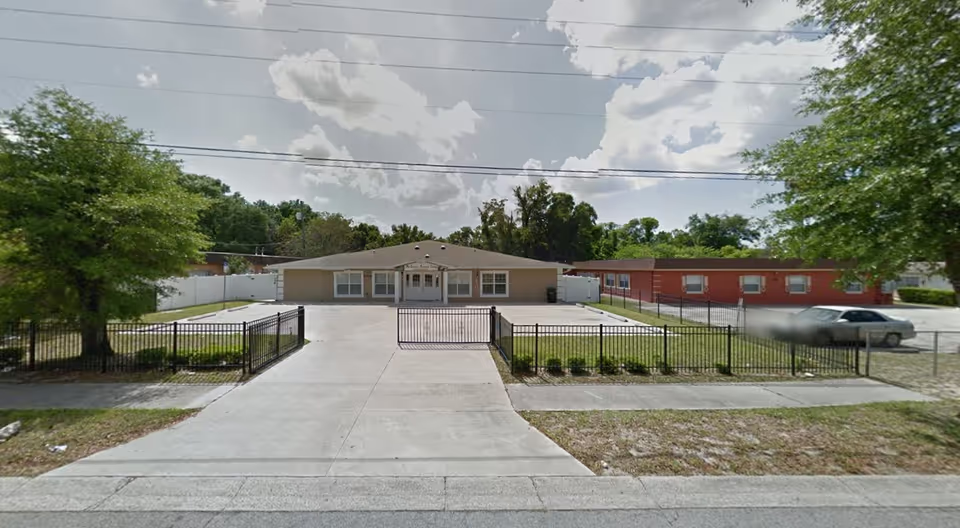
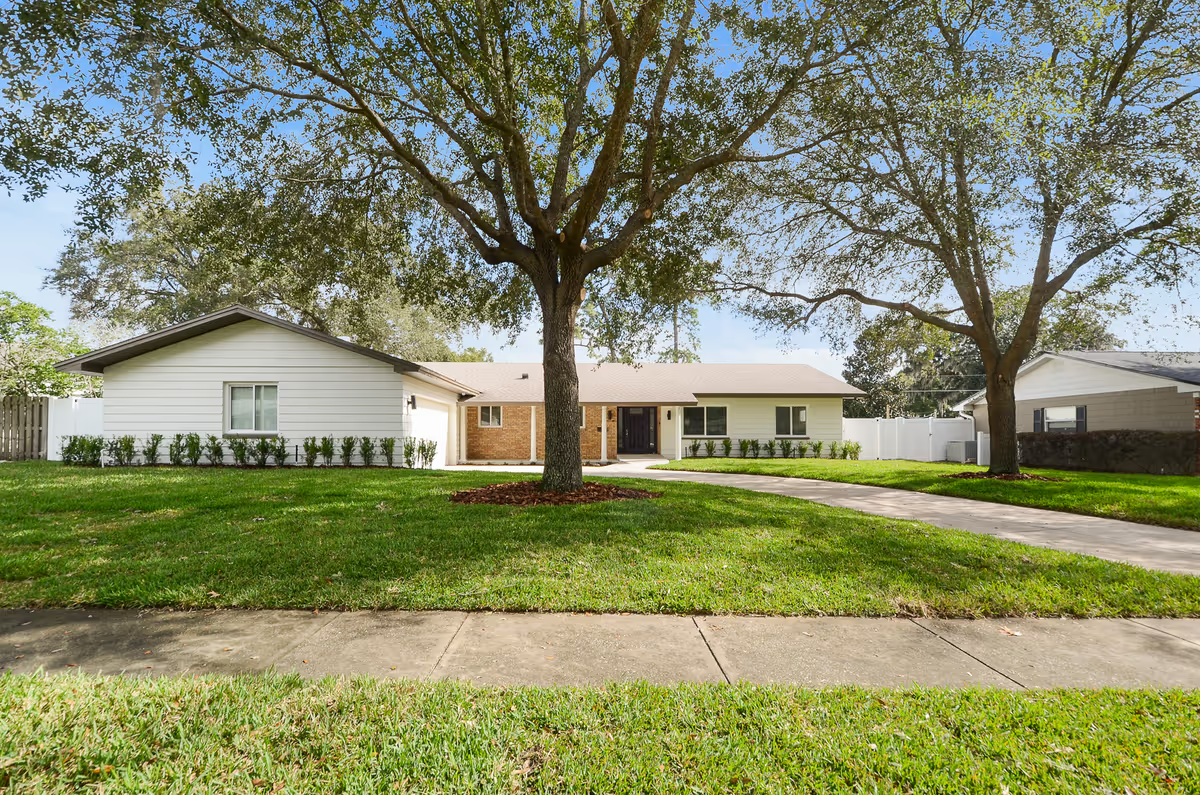
Overall impression: Reviews of New Melody Senior Living emphasize a strongly home-like, person-centered environment with a high degree of hands-on involvement from staff and ownership. Many families describe caregivers as compassionate, attentive, and responsive; the owner/management is frequently cited as engaged and willing to address individual resident needs. The facility is characterized as small and cozy, which reviewers link to close companionship, calm surroundings, and a family-style atmosphere.
Care quality and staff: The dominant theme is consistent, compassionate caregiving. Multiple accounts highlight daily personal care, immediate responsiveness to needs, and staff who prioritize residents' dignity. There are repeated references to nurses and caregivers who ‘‘go the extra mile’’ and to staff who create a welcoming, home-like setting. At the same time, at least one reviewer described a serious medical event that raises questions about clinical assessment and medication oversight; this single but significant account suggests the facility should be examined for consistency in clinical protocols and emergency-response readiness.
Dining and activities: Dining is presented as a strength—many reviewers praise home-cooked meals prepared with thoughtfulness and residents described as well fed. Social programming also receives positive mention: regular everyday activities, therapy sessions that improved mobility for some residents, and celebratory events for birthdays and holidays contribute to engagement and a family-feel. Therapy and rehabilitative support appear available and beneficial for residents needing mobility assistance.
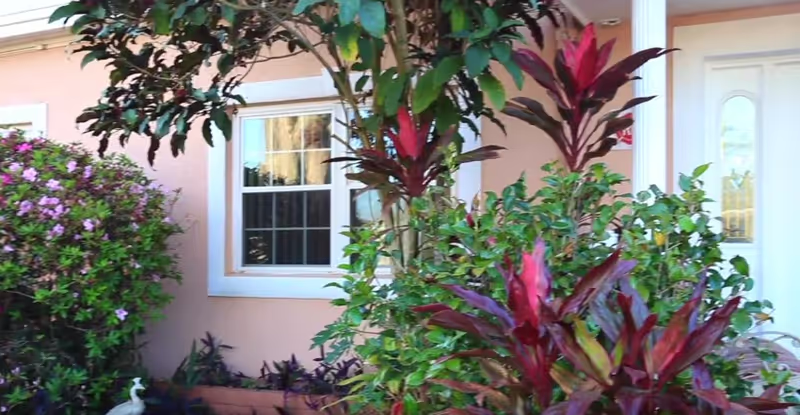
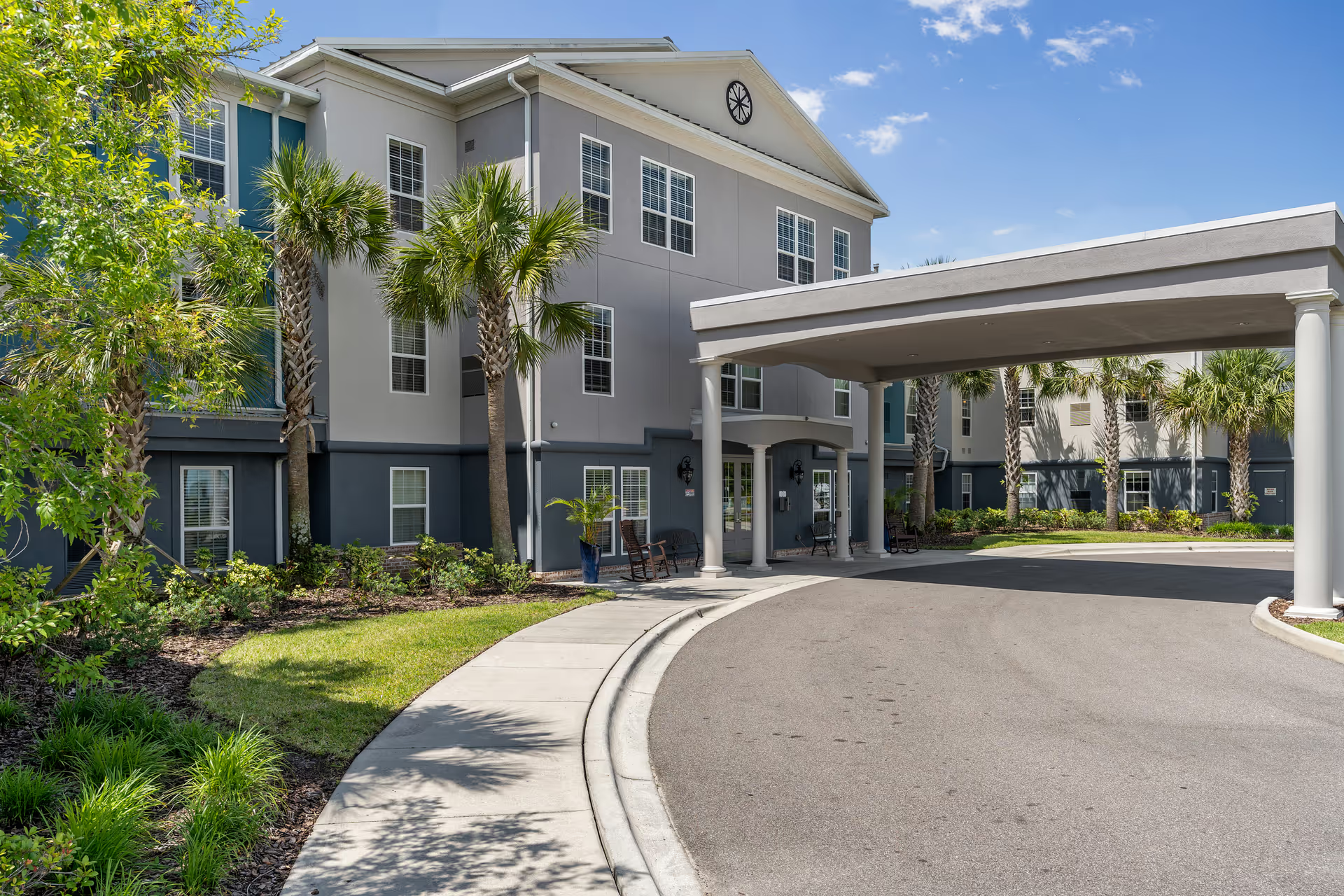
Facilities and environment: The physical plant is described as clean, well-maintained, and wheelchair accessible. Reviewers note a peaceful, calm atmosphere and a smaller community size that avoids crowding. These features are frequently associated with individualized attention and a comfortable living space.
Management and communication: Owner involvement and responsive management are repeatedly cited as strengths; reviewers point to rapid placement, helpful communication in many cases, and strong family support. However, communication is an area of mixed feedback: some accounts describe inconsistent updates or a lack of clarity after incidents. Combined with the clinical concern noted above, this pattern suggests opportunities to strengthen formal family-communication protocols and incident transparency.
Notable patterns and suggestions for prospective families: The aggregate of reviews is strongly positive about the facility’s culture, staffing compassion, dining, and social engagement. Nevertheless, reviewers’ comments indicate potential operational gaps in clinical assessment, medication management, safety oversight, and consistency of communication—areas that could materially affect outcomes in emergencies. Prospective residents and families may wish to ask about clinical protocols, medication-administration safeguards, emergency-response procedures, staffing ratios across units, and formal family-notification practices during tours or initial intake conversations.