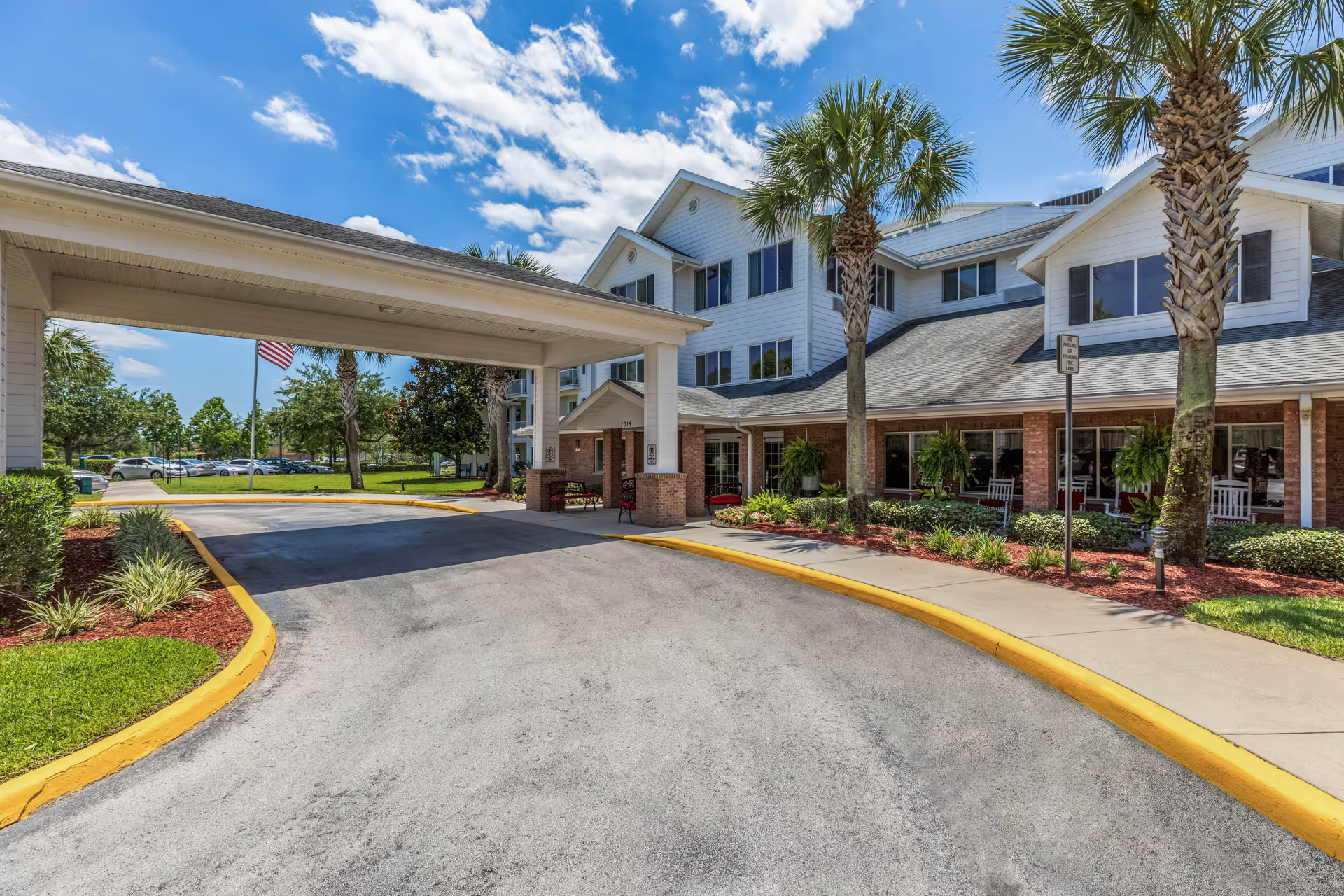
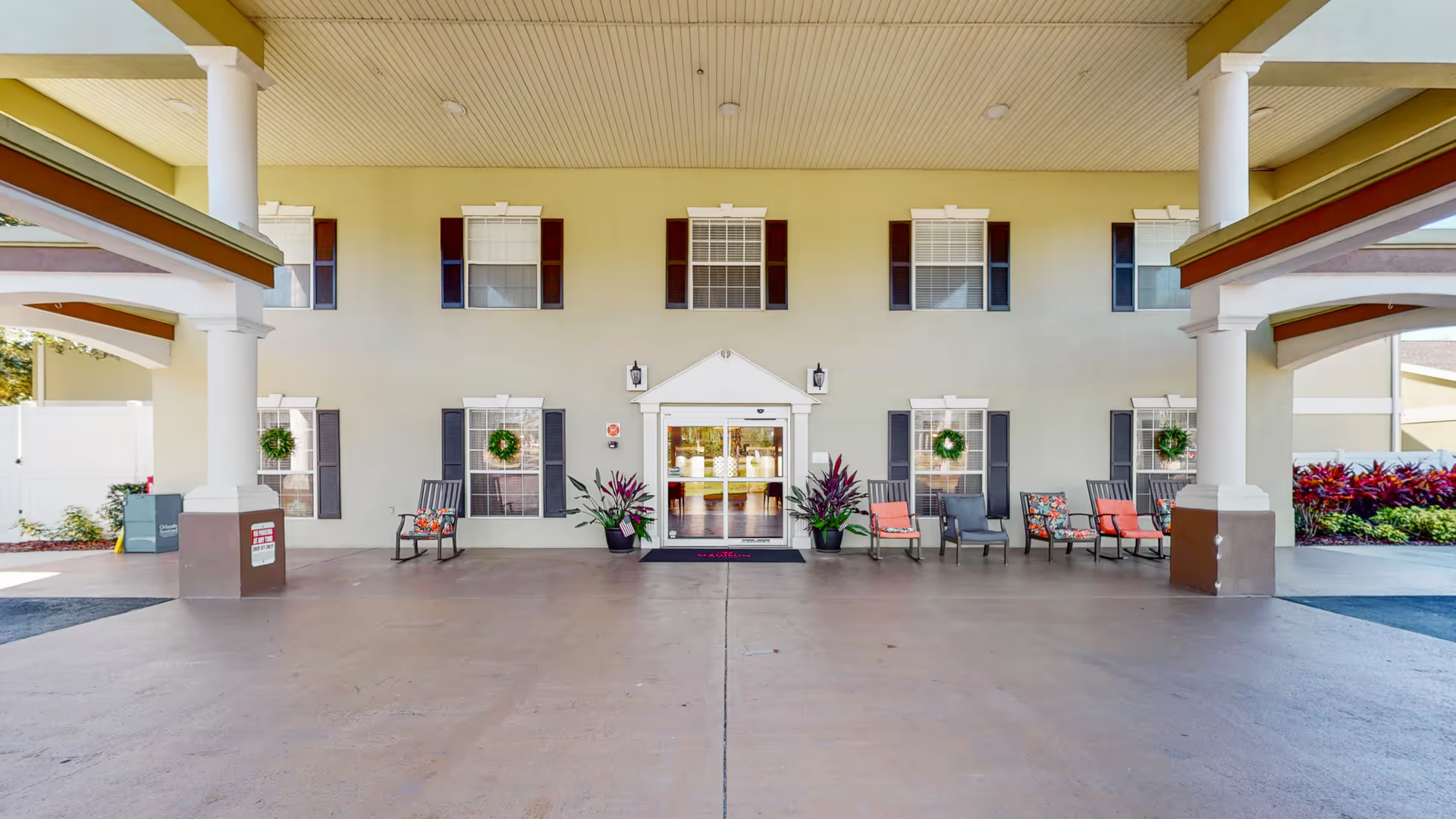
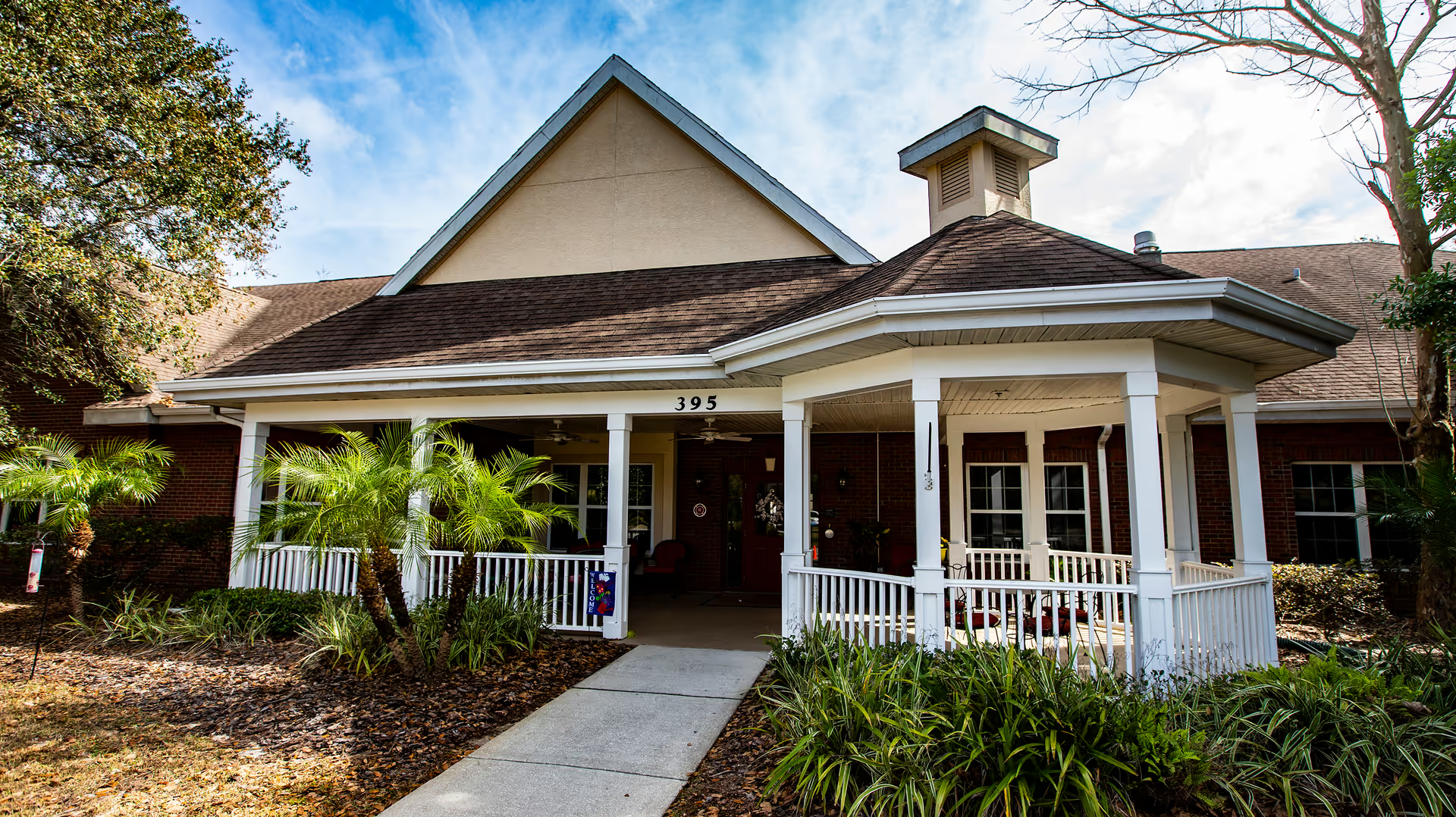
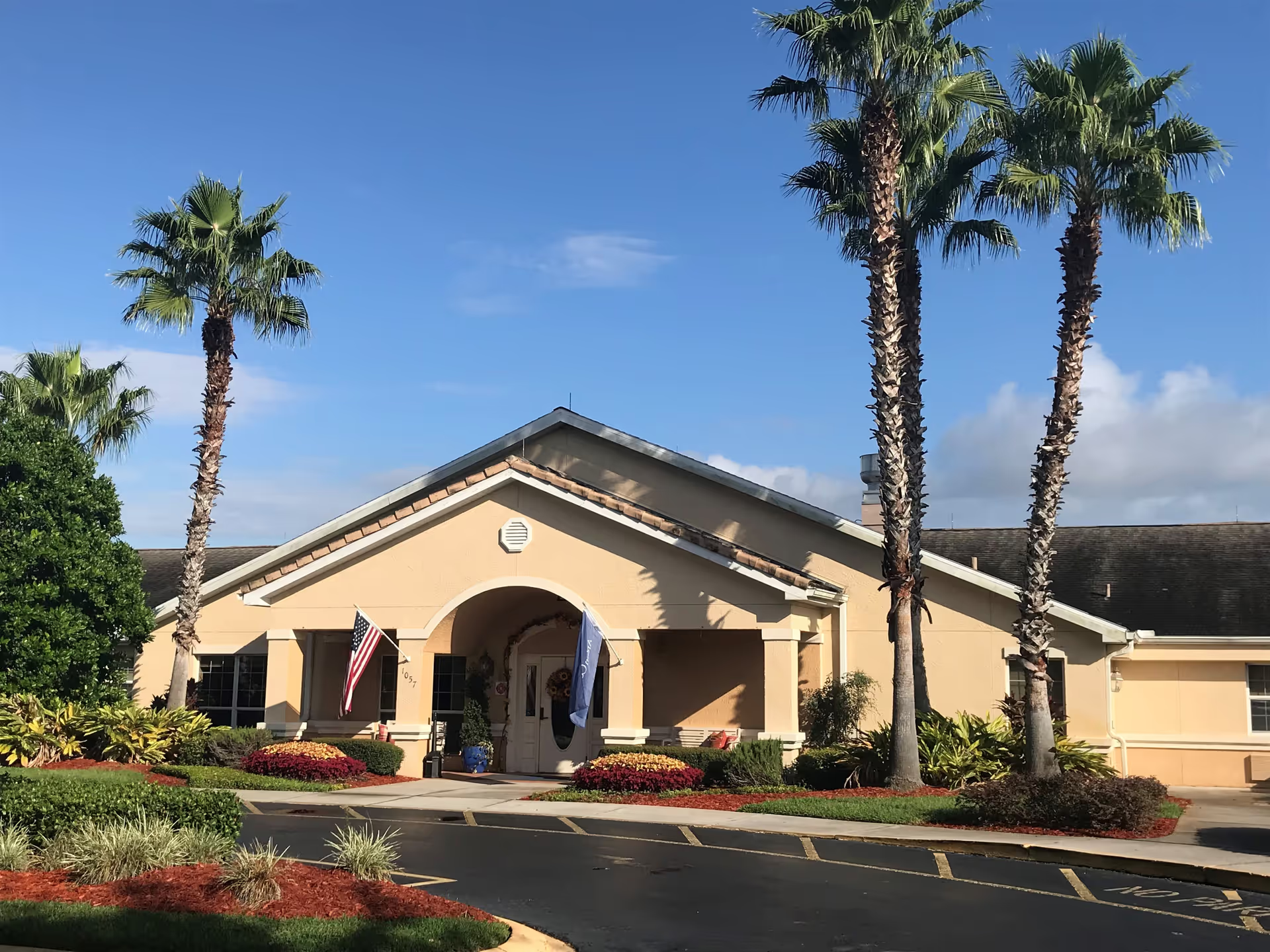
The Bridge at Orlando presents as a well-renovated, clean assisted-living community with a strong emphasis on social engagement and a hotel-like appearance. Many reviewers highlight the facility’s bright common areas, updated rooms with kitchenettes, manicured grounds and a variety of social offerings such as bingo, concerts, holiday events, weekly outings, and men’s nights. Transportation within the local area, on-site salon services, and accessible outdoor spaces contribute to a broadly positive independent/assisted-living experience. Several accounts also note convenient access to rehabilitation and therapy services nearby.
Staff quality and interpersonal care are repeatedly described as strengths. Numerous families describe attentive, compassionate staff and hands-on management, with particular praise for leadership continuity and specific managers. Reviewers emphasize frequent check-ins, proactive family communication (including a monthly newsletter), and staff efforts to keep residents engaged and comfortable. The facility’s safety orientation and infection-control measures, including vaccination emphasis, are also frequently mentioned.
Dining and clinical-program consistency are mixed. While some residents enjoy the meals and an upscale, homey dining room, others characterize food quality and menu variety as inconsistent and in need of improvement. Operationally, the facility appears to accommodate dietary restrictions, but meal satisfaction varies among residents. On the clinical side, there are concerns about the scope of specialized memory-care services and about gaps between promised clinical coverage (for example, RN availability) and what families experienced. These patterns suggest that residents with higher-level memory or clinical needs should confirm specific care capabilities before move-in.
Operational weaknesses identified across accounts include variable responsiveness from front-office staff and occasional breakdowns in follow-up, as well as complexity coordinating benefits and care among the facility, insurers, outside providers, and family members. Several comments point to limited fitness equipment and constrained dining-room capacity relative to community size. There are also indications of weaknesses in staff oversight and asset-control procedures that prospective families should discuss during tours and contract review. Price sensitivity appears in a number of evaluations; some families find value aligned with the facility’s offerings, while others perceive pricing as high relative to unit size.
Overall, The Bridge at Orlando is frequently recommended for its welcoming environment, renovated spaces, active programming, and many staff who are described as caring and effective. Prospective residents and families should verify the facility’s current clinical staffing model and memory-care capabilities, clarify financial/insurance coordination procedures, and discuss dining options and oversight protocols during the decision process to ensure alignment with individual care needs and expectations.