Coquina Center elicits a wide range of experiences; reviewers describe both pronounced strengths and consistent operational weaknesses. The facility’s rehabilitation services — particularly physical and occupational therapy — are frequently singled out as a major asset: therapists are described as knowledgeable, hands-on, and effective, and many families recommend Coquina for short-term rehab stays. Daytime nursing teams and some CNAs are often characterized as compassionate and attentive, and admissions/social services staff receive repeated praise for helpfulness and clear explanation of care plans.
Clinical care quality appears mixed. While rehabilitation and several daytime caregivers receive positive comments, multiple reviews document delayed responses to call lights, slow administration of PRN/pain medications, and inconsistent medication administration and follow-through. Reviewers describe lapses in routine nursing tasks (bathing schedules, linen changes, and wound monitoring) and cite instances where clinical follow-up and transport coordination were inadequate. There are also recurring concerns about end-of-life care communication and post-event family notification. In a few cases, reviewers allege serious incidents including loss or mishandling of personal items and other individual claims; these raise questions about internal controls and incident-response protocols.
Staffing, supervision, and management patterns are a prominent theme. Several families report uneven staffing across shifts with afternoons and nights described as particularly thin, and a high reliance on agency personnel. This contributes to variability in caregiver skill, responsiveness, and familiarity with residents. Communication problems are also frequently mentioned: difficulty reaching nurses or case managers, delayed return calls from administrators, and inconsistent handoffs between shifts. Conversely, some reviewers note strong leadership, improved staffing over time, and staff who ‘‘go above and beyond,’’ indicating variability between units, shifts, and time periods.
Dining and activities present a mixed picture. The community offers an active calendar, multiple activity rooms, and interactive programming that many residents enjoy. Meal service has positive aspects — cooked-to-order breakfast stations and the ability for families to supplement meals — but reviewers also describe inconsistent food quality, monotony, occasional meal delays, and limited accommodation for therapeutic diets (for example, diabetic-appropriate or soft-diet needs). Housekeeping and sanitation receive divergent assessments: some accounts describe a clean, odor-free environment and well-kept public spaces, while others describe sanitation management gaps, laundry errors, and pest-control concerns in specific units.
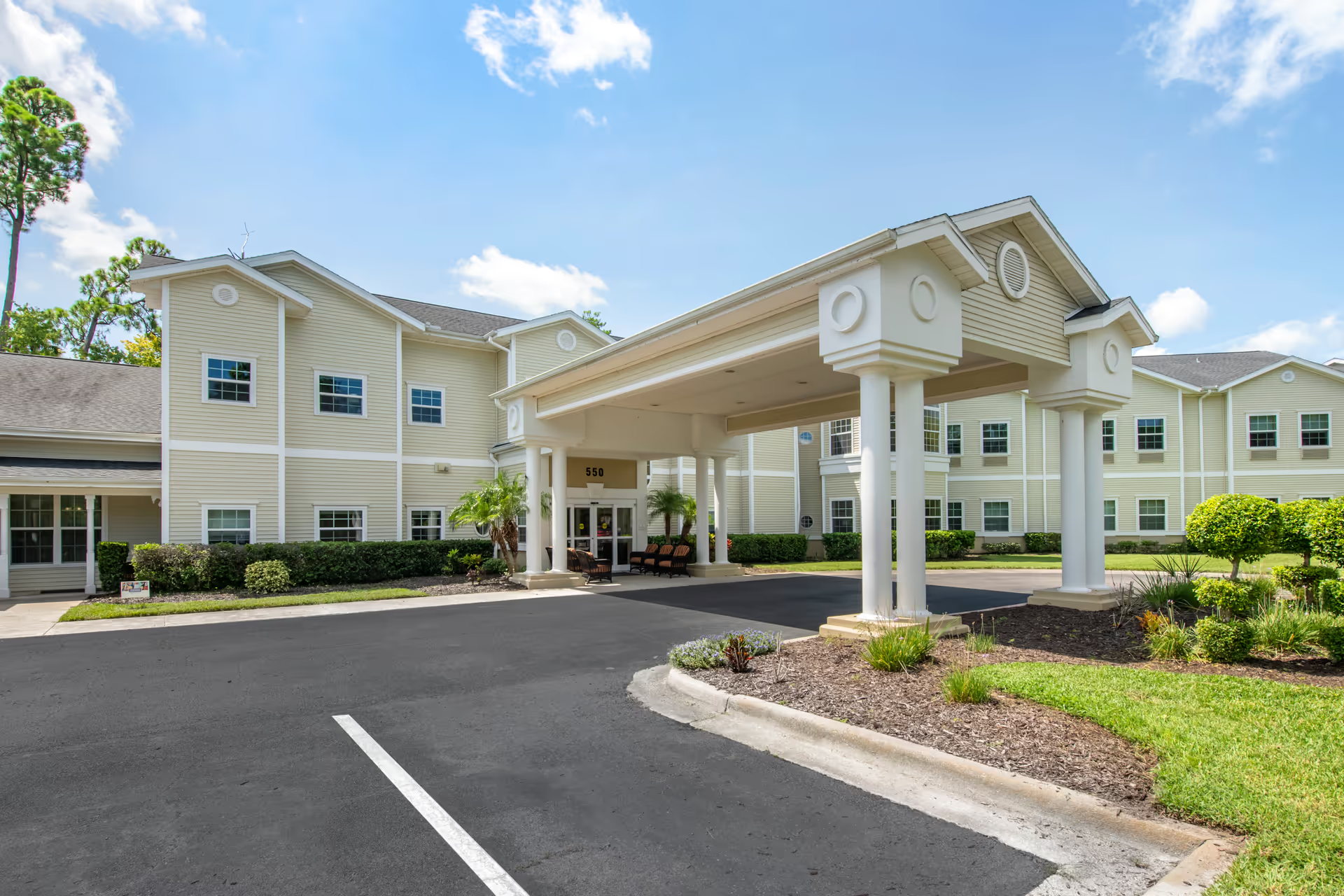
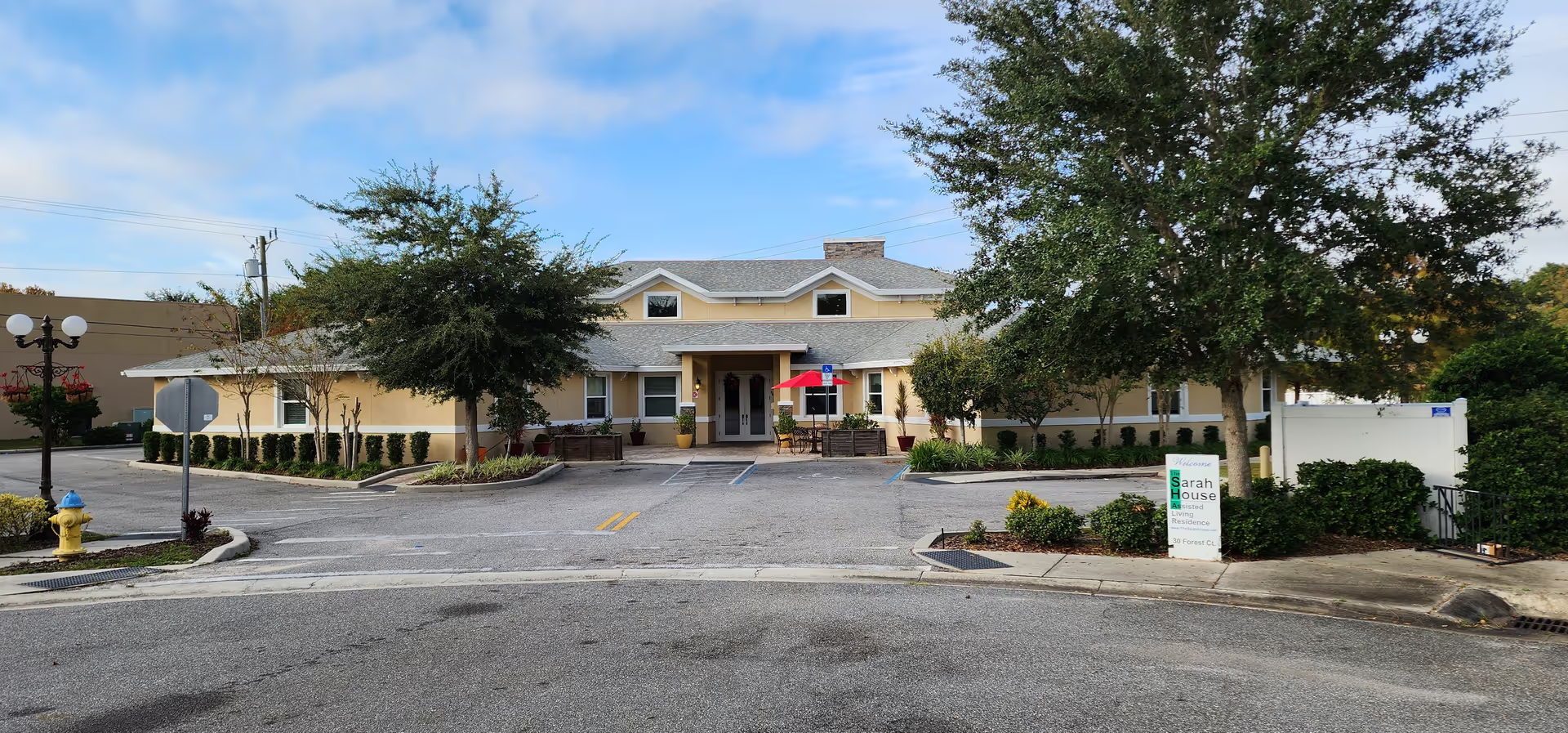
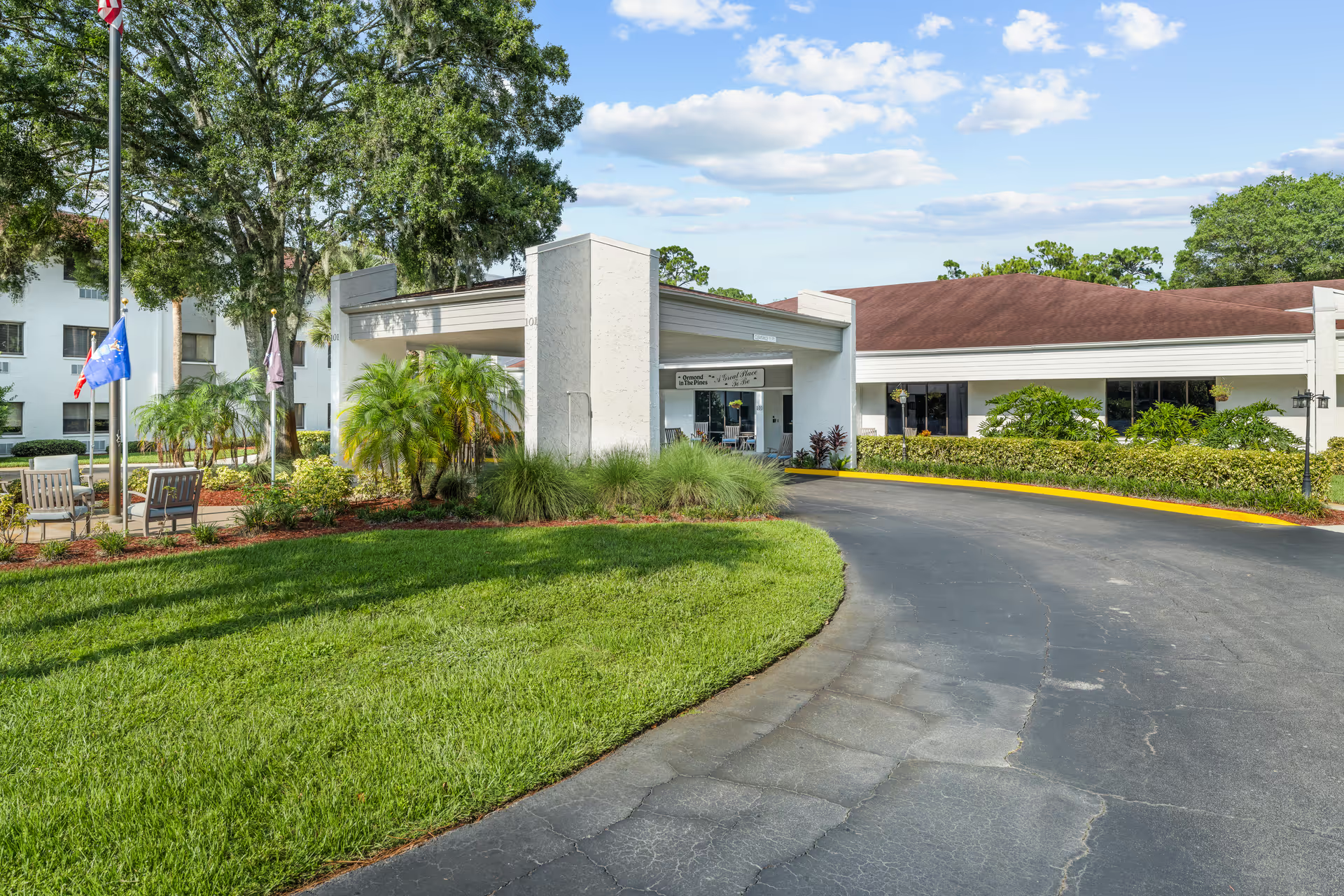
Facilities and operational logistics reflect contrasts as well. Grounds, landscaping, and common areas are often praised for being attractive and peaceful; private rooms with en suite bathrooms are available. At the same time, families report instances of missing mobility equipment at discharge or for transport, locked access outside visiting hours, and occasional supply shortages. Insurance, billing, and discharge coordination are cited as pain points — families recommend confirming equipment, prescriptions, and post-discharge services in writing before transition.
For prospective residents and families: Coquina Center may be a strong choice for short-term rehabilitation given the highly regarded therapy team and some compassionate staff. For long-term placement, families should assess operational details that relate to their loved one’s needs: ask about typical staffing levels on evenings/nights, the facility’s medication-administration and incident-notification protocols, routine housekeeping schedules, pest-control practices, and how dietary restrictions are accommodated. Request recent state inspection results, speak with admissions/social services about agency-staff usage and turnover, and verify discharge/insurance procedures and equipment availability to reduce the risk of avoidable gaps in care.