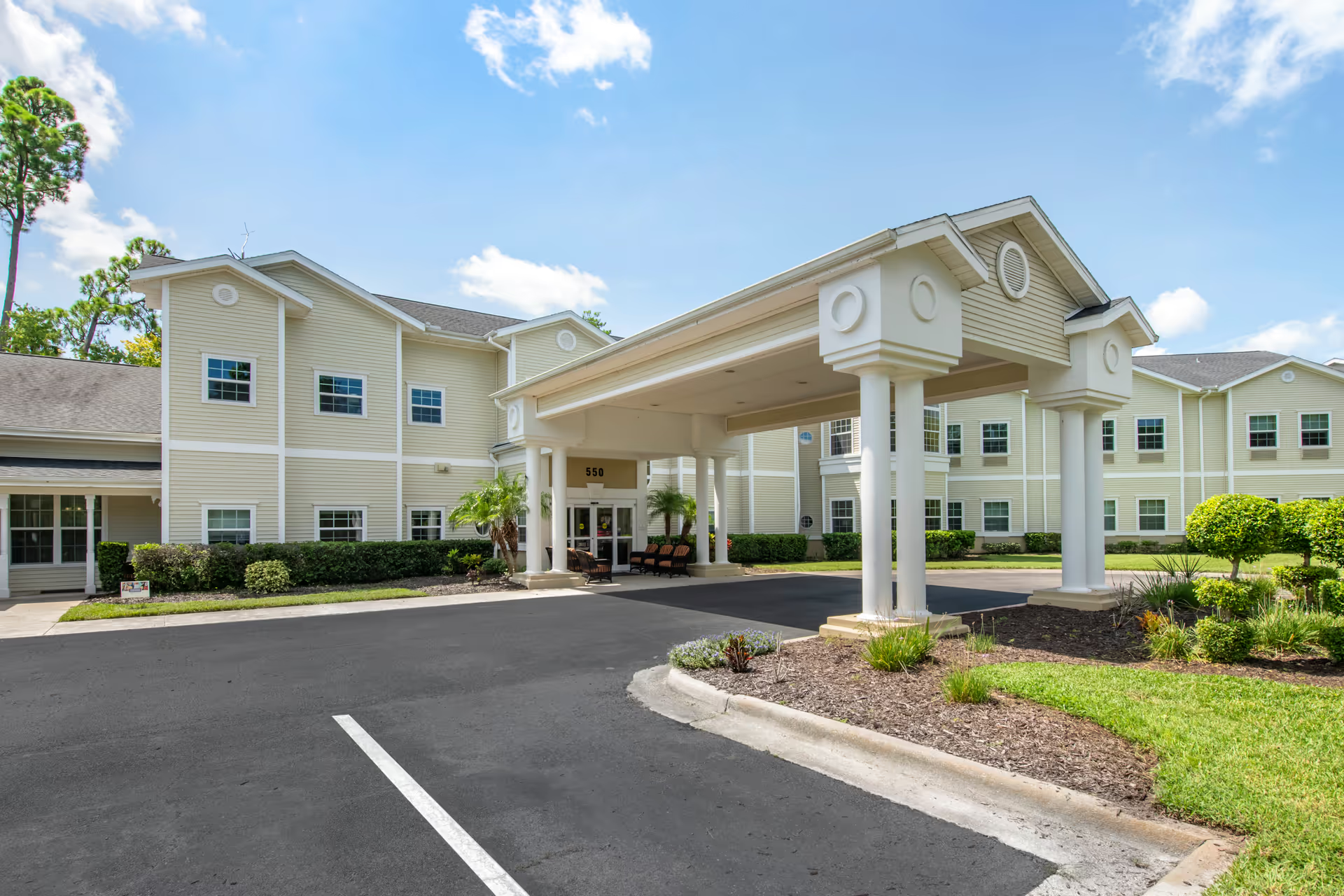
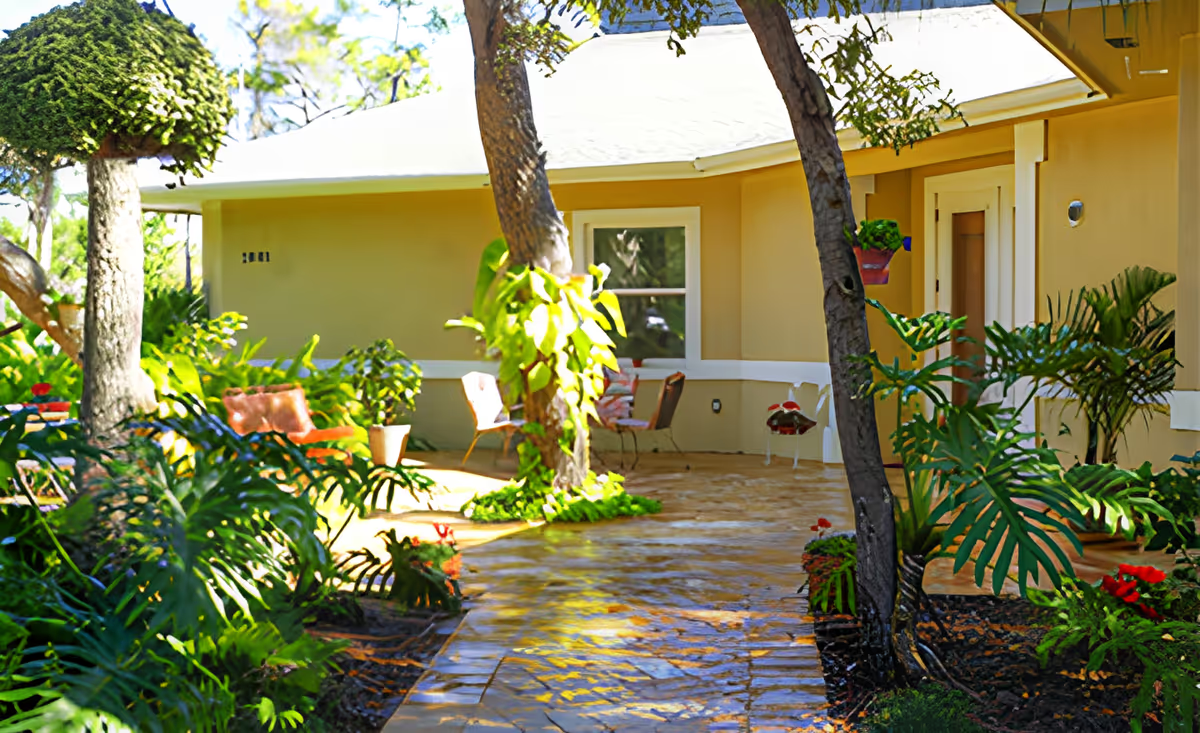
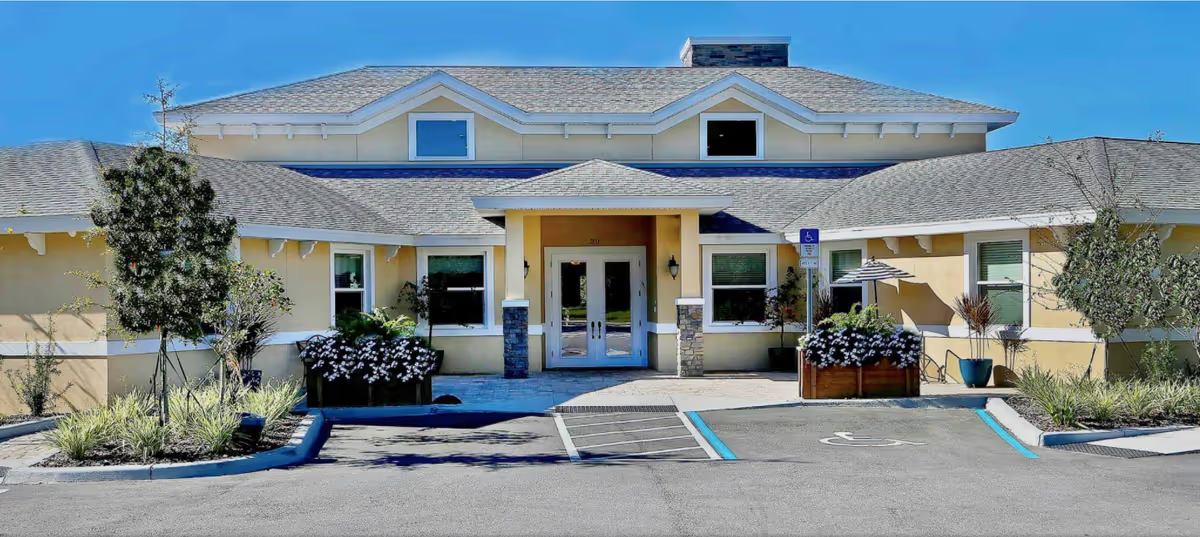
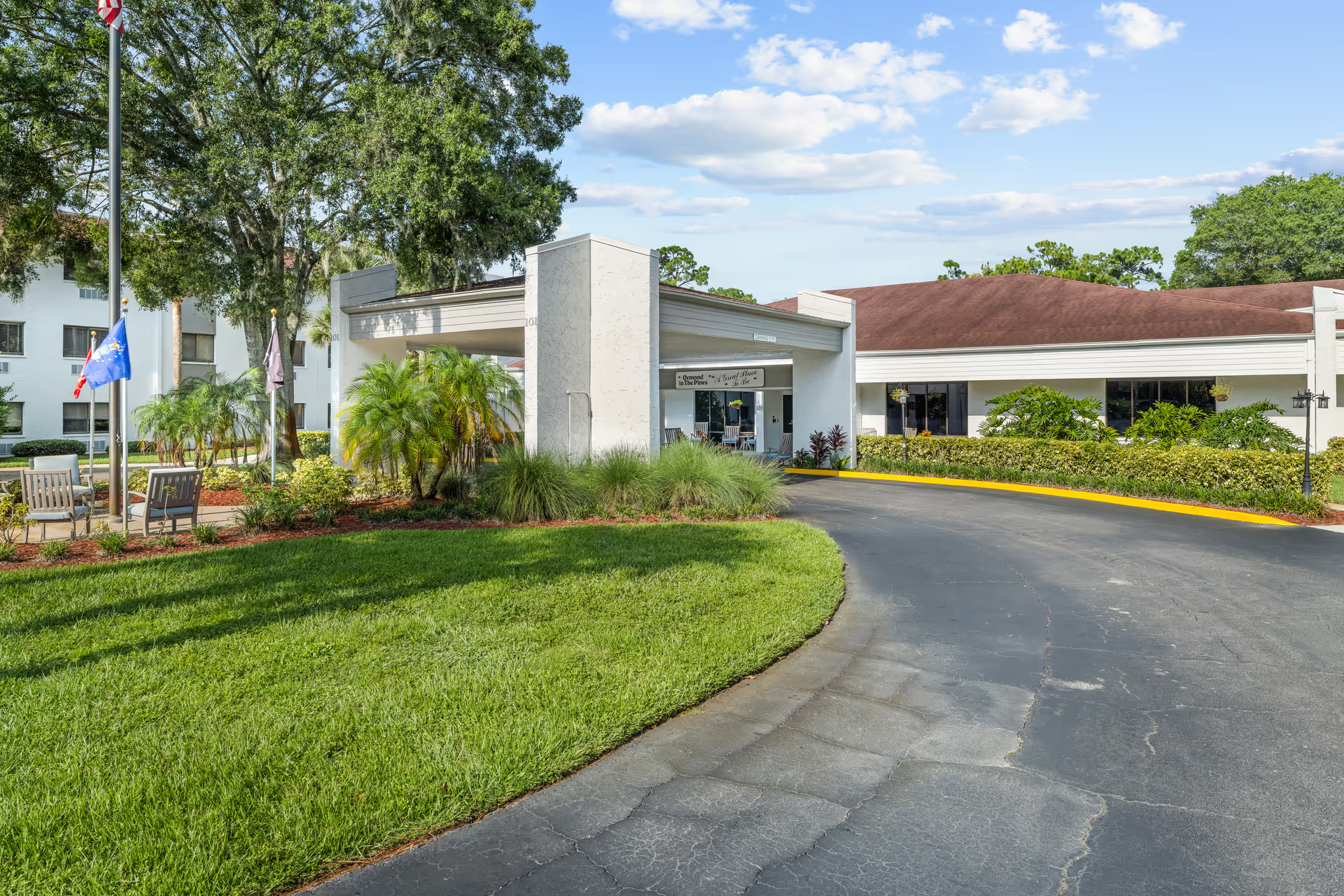
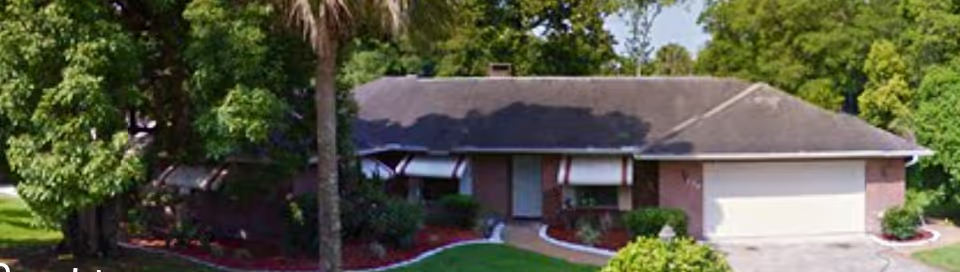
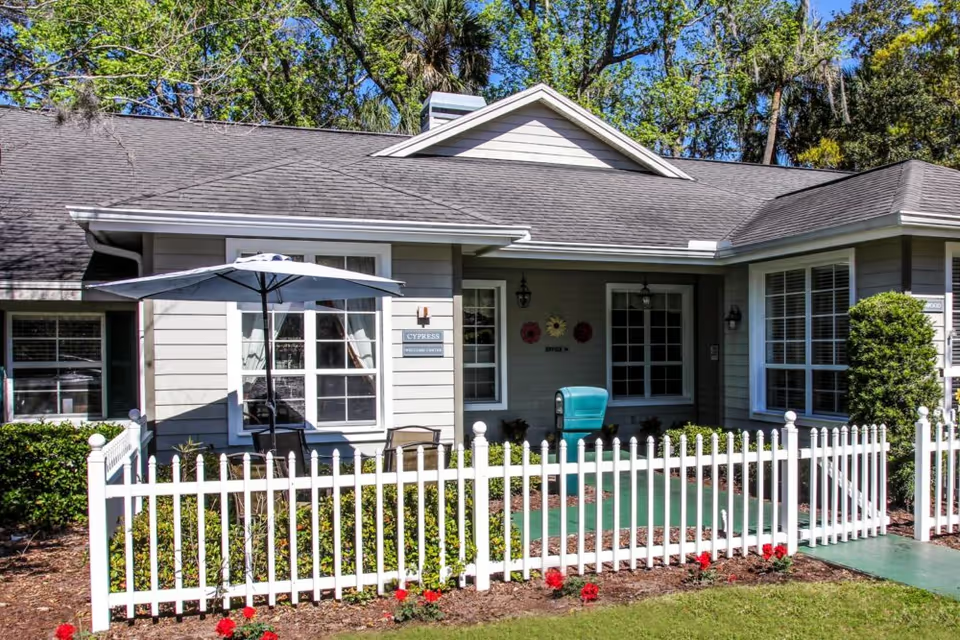
Overall impression: Grand Villa of Ormond Beach elicits a broadly positive response for many families: the facility is frequently described as clean, modern, and well kept, with welcoming common areas and maintained grounds. A recurring strength is the caregiving culture — numerous comments highlight compassionate, involved staff, responsive nurses and technicians, and visible executive leadership who many families found reassuring. The activity program and transportation options are robust, with regular outings, in-house performers, clubs, and a variety of on-site events that contribute to social engagement. Dining is commonly praised for chef-led menus and enjoyable presentations, and rehabilitation/therapy services are available on-site.
Care quality and staffing: Many reviews emphasize the kindness and attentiveness of direct-care staff and identify individual technicians and nurses as strong positives. At the same time, staffing consistency is a recurrent operational concern: families describe thinner coverage at nights, weekends and holidays and instances where younger or less experienced staff required more supervision. Linked to staffing variability are clinical process weaknesses; reviewers cited medication-timing errors and other medication-management lapses. There are also several serious family allegations, including concerns about privacy controls and unconsented medication administration; these claims underscore the need for families to ask detailed questions about clinical protocols, medication checks, and surveillance/privacy policies during a tour.
Safety, supervision and memory care: The community operates an on-site memory-care unit and many families report good social engagement and a safe-feeling environment. However, a pattern of safety-system and supervision gaps appears in multiple accounts — for example, failures or inconsistencies with wander-detection systems and instances of delayed staff response. These items suggest potential variability in the implementation of safety protocols rather than a single isolated operational model; prospective families should verify current wander-protection practices, staff-to-resident ratios in the secure unit, and escalation procedures.
Hygiene, laundry and asset management: Housekeeping and maintenance receive frequent praise for cleanliness and responsiveness, but there are discrete operational concerns around laundry handling, personal-belongings management, and incontinence-care timeliness. Reviews describe lost clothing and dentures, inconsistent laundering turnaround, and lapses in personal-care routines; abstracted to facility practice, these indicate opportunities to strengthen inventory controls, laundry workflows and punctuality of personal-care tasks.
Dining and activities: Dining is generally regarded as a strength — especially the quality of main meals and the chef-driven approach — but reviewers also describe inconsistencies in service (timing of medications/meals, portioning, and occasional high-sodium preparations). Assigned dining seating and schedule practices sometimes lead to isolated meal experiences for residents when tablemates are absent. The activity program is broad and lively for residents who can participate, though a few families noted limited programming tailored to residents with sensory impairments (for example, low-vision accessibility).
Management and communication: Many families praise senior leadership and certain administrators for being responsive and hands-on; staff members are often named and commended for above-and-beyond actions. Conversely, other accounts describe brusque administrative interactions, turnover, billing disputes, and at least a few instances where families received eviction notices or contested financial charges. These mixed experiences imply inconsistent communication practices and variable administrative follow-through across different admissions and care episodes.
Pattern summary and guidance: The review set shows a facility with many strengths — particularly in caregiving culture, activities, dining and physical environment — coupled with recurring operational weaknesses that affect reliability for higher-acuity needs. The most consequential themes for prospective families are staffing consistency, medication and clinical-protocol controls, memory-care safety-system reliability, laundry and personal-item management, and clarity around fees and administrative communication. When evaluating this community, families should verify current staffing ratios (day/night/weekend), review medication-administration safeguards and audit trails, ask about wander-protection and room-security procedures, inspect laundry and belongings procedures, and obtain clear documentation of fees and billing practices. Doing so will help align expectations with the facility’s demonstrable strengths and the operational areas that reviewers repeatedly highlighted.