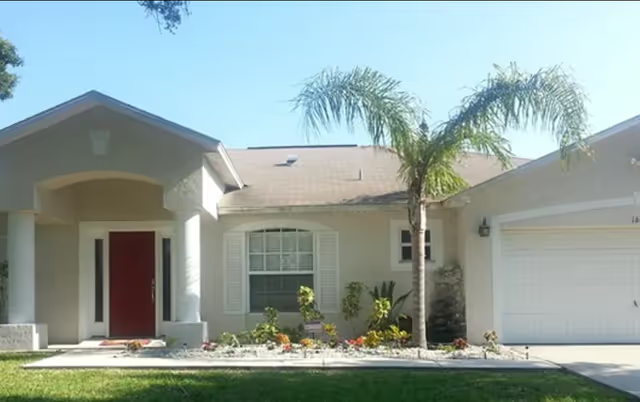
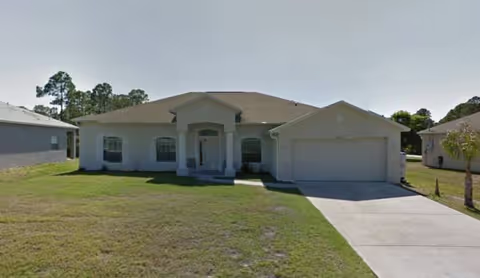
The reviews for Life Care Center of Palm Bay present a mixed but distinct pattern: the facility is widely recognized for its attractive, well‑maintained physical plant and a robust rehabilitative program, yet several operational and clinical weaknesses emerge repeatedly. The campus, common areas, and many resident rooms draw consistent praise for cleanliness, décor, and amenities. Therapy teams (PT/OT) and many daytime clinical and support staff receive strong positive feedback for effective rehabilitation, responsiveness, and compassionate interactions. Dining and social programming are notable strengths—residents and families commonly point to restaurant‑style dining, special dietary accommodations, an ice cream parlor, gardens/courtyards, and a range of activities that support resident engagement.
Care quality is uneven. While many reviewers describe attentive daytime nursing and helpful CNAs, there are repeated concerns about medication management (errors, delays, unfinished prescriptions at discharge) and slow nurse responses at certain hours. Reports indicate a division in performance by shift: daytime staff are often characterized as knowledgeable and efficient, whereas night and weekend staffing levels and competence are described as more variable. Clinical communication gaps appear in multiple areas—families cite poor coordination with physicians, missing documentation or advance directives, and insufficient notification about clinical changes. A number of reviews also highlight wound/transfer safety and transport practices that warrant verification during any tour; these comments suggest the facility may have inconsistent application of safe‑transfer protocols.
Staffing and management patterns contribute to the variability. Praised elements include a welcoming admissions/reception experience, several named staff who were singled out for positive responsiveness, and managers who resolved specific issues. Conversely, other reviewers describe unprofessional or confrontational supervisory behavior, high nurse turnover, and administrative coordination lapses (e.g., discharge paperwork and medication readiness). Language barriers and uneven accountability for care plans and documentation are recurring operational themes that affect family confidence.
Dining and housekeeping are areas of both praise and concern. Many guests note clean dining rooms, helpful dietary staff, and the ability to meet higher‑protein needs. At the same time, there are repeated complaints about inconsistent meal quality, cold plates, tough entrees, missing tray items, and limited sugar‑free options for residents with specific dietary requirements. Sanitation and housekeeping are generally described positively, but a subset of reviews raises sanitation and incontinence‑care delays; these are framed here as operational lapses rather than widespread facility condition statements.
Activities, amenities, and the resident environment are strengths to emphasize: a varied activities calendar, seasonal programming, accessible courtyards, and community spaces are appreciated by residents and families. Security procedures such as visitor screening and name badges were noted as contributing to a safe, hotel‑like atmosphere.
Notable patterns and practical considerations: the overall picture is one of a high‑quality physical environment and strong rehabilitation services combined with variability in clinical operations and communications. Prospective residents and families should confirm the facility’s protocols for medication administration, night/weekend staffing levels, transfer safety procedures, incontinence and hygiene schedules, and personal‑property handling. When touring, observe night staffing if possible, ask for current staffing ratios and turnover data, request sample care‑plan documentation, verify discharge‑medication workflows, and clarify language‑access arrangements. Finally, while many reviewers endorse Life Care Center of Palm Bay for rehab and short stays, families considering long‑term placement should evaluate the facility’s consistency in clinical governance and after‑hours responsiveness before making a decision.
There are also a limited number of serious allegations concerning clinical incident responses and medication shortages; those specific claims should prompt direct inquiry to facility leadership and review of regulatory records during any due‑diligence process.