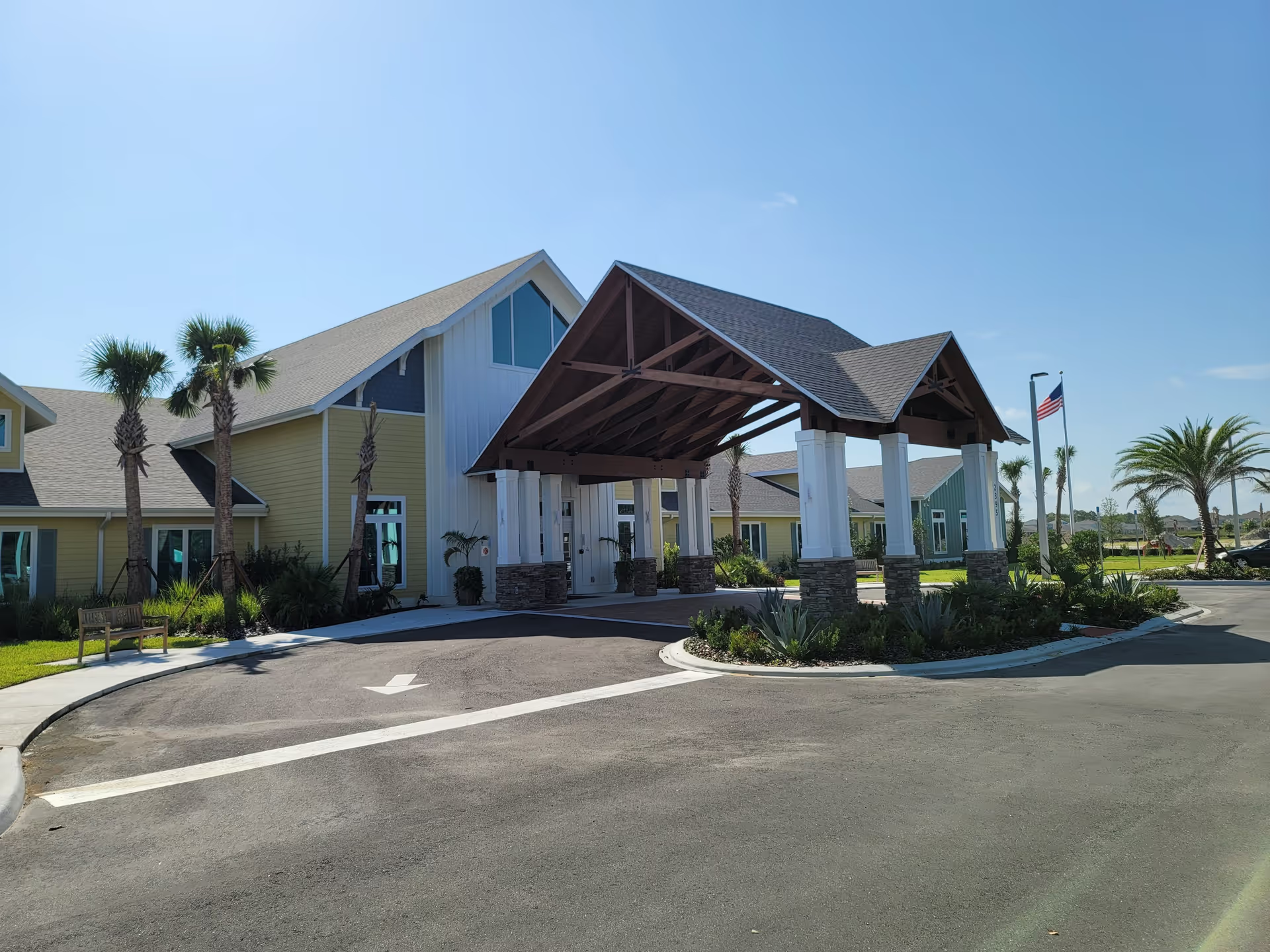
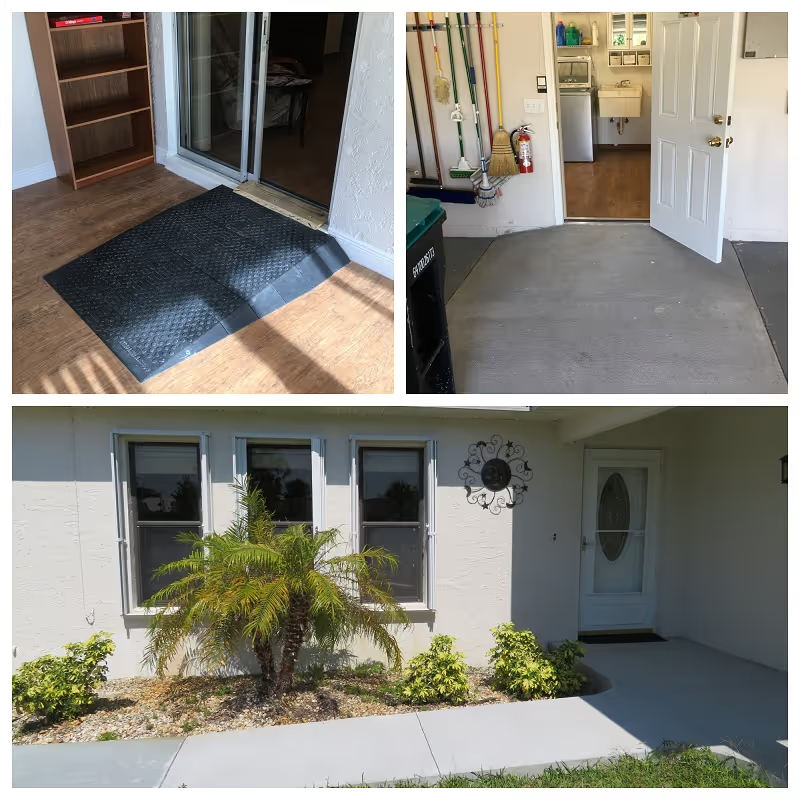
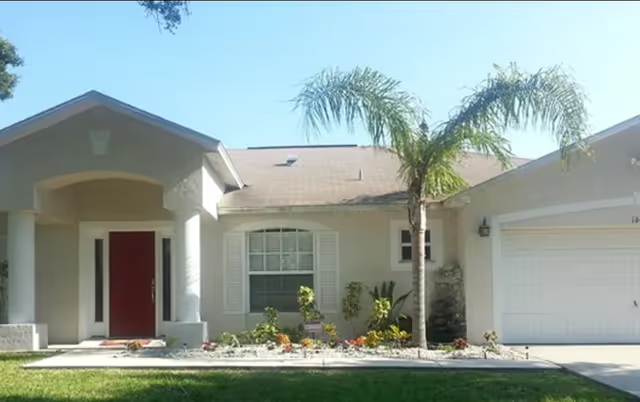
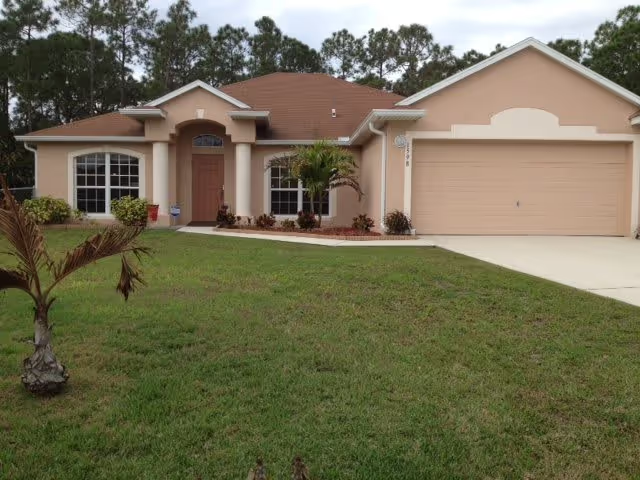
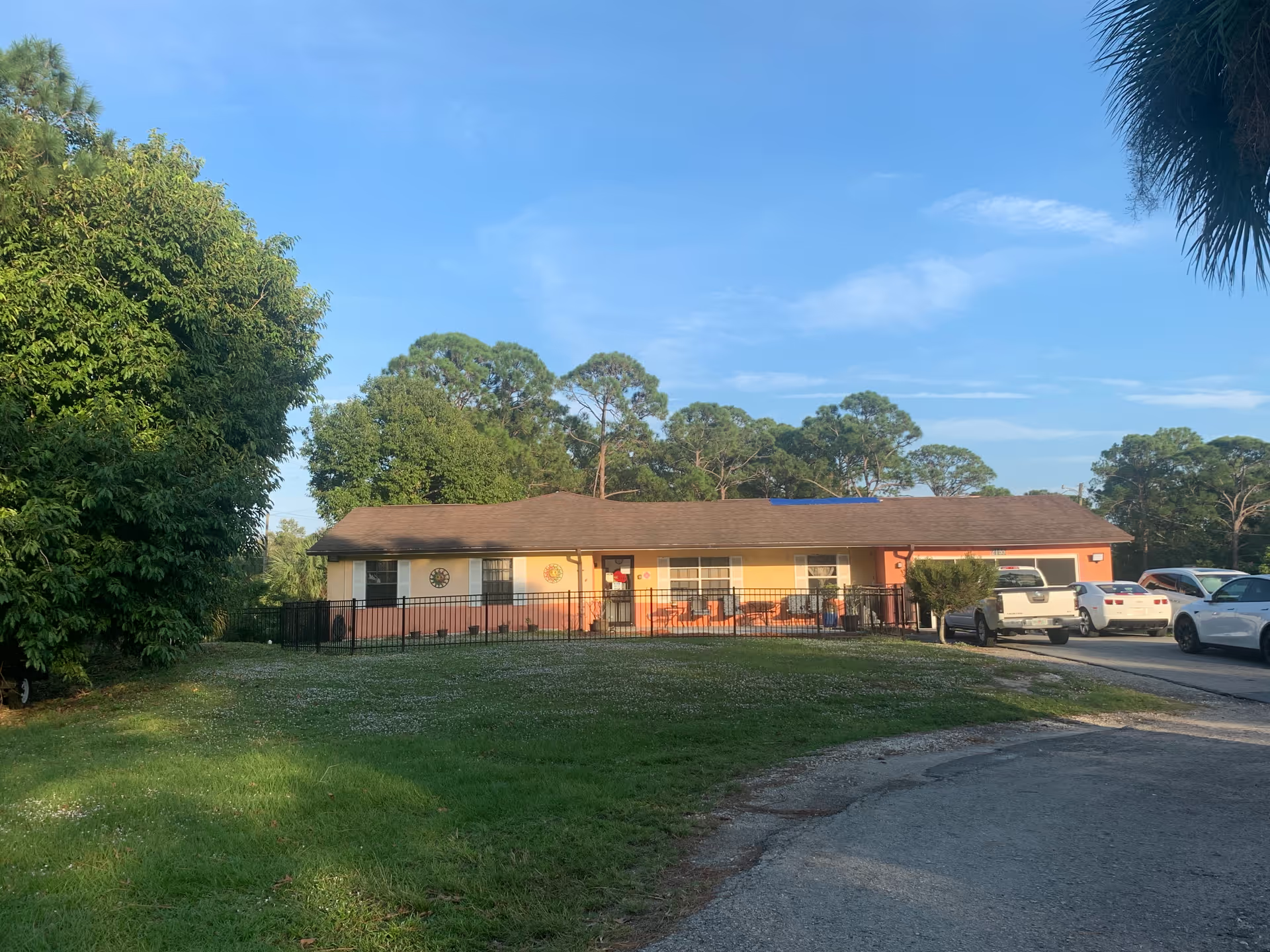
Overall impression: Reviews describe a facility with a strong culture of individualized, home-style care in many instances. Numerous families praised the staff as attentive, compassionate, and professional; several accounts highlight dignity-focused, personalized assistance and an environment that feels more like a private home than an institutional setting. The facility’s small-household layout, private bedrooms, accessible spaces, well-kept interior and gardens, and emphasis on social connection are repeatedly cited as strengths that contribute to residents’ comfort and family peace of mind.
Care and clinical services: Many comments reflect high-quality clinical oversight, including arrangements for nurse-practitioner and podiatry visits and caregivers who demonstrate medical competence and commitment. Home-cooked meals and attention to nutrition were noted positively. At the same time, there is a notable pattern of inconsistent clinical practice reported by some families—most prominently around wound-care protocols and reliability of assigned caregivers. These accounts point to variability in how clinical tasks are executed across shifts or staff members rather than a single systemic absence of medical oversight.
Staffing, conduct, and management: Staff are frequently described as kind, dedicated, and available “close at hand” to help. Ownership and upper management receive praise for thoroughness from multiple families. However, several reviews indicate operational weaknesses: understaffing relative to resident needs, unpredictable staffing coverage, and variability in staff conduct and communication tone. These issues manifest as delays in responsiveness, missed visits or tasks, and uneven oversight between units or shifts. The mix of strong management praise and reports of staffing instability suggests variability in day-to-day execution rather than uniformly poor leadership.
Facilities, dining, and activities: The physical environment and communal life are frequently singled out as positives — clean, comfortable rooms, accessible layouts, gardens, and opportunities for residents to connect with one another and families. Dining is described as home-style with residents “well fed,” supporting the home-like atmosphere. Reviewers also noted the facility’s ability to maintain safety and family connection during restricted periods, preserving resident independence where possible.
Notable patterns and guidance for families: The overall pattern is mixed but leans positive for families prioritizing a small-household, home-like setting with compassionate staff and individualized attention. The primary operational concerns to probe further are staffing consistency, clinical protocols for wound care and other nursing tasks, and sanitation/odor control in specific areas. Prospective residents and families may wish to ask the facility about current staffing ratios, recent turnover, wound-care training and protocols, how missed-care events are tracked and corrected, and whether there have been recent corrective actions or inspections. Observing a mealtime, asking for examples of clinical oversight, and speaking with current families about consistency across shifts can help clarify whether this facility’s strengths will match an individual resident’s needs.