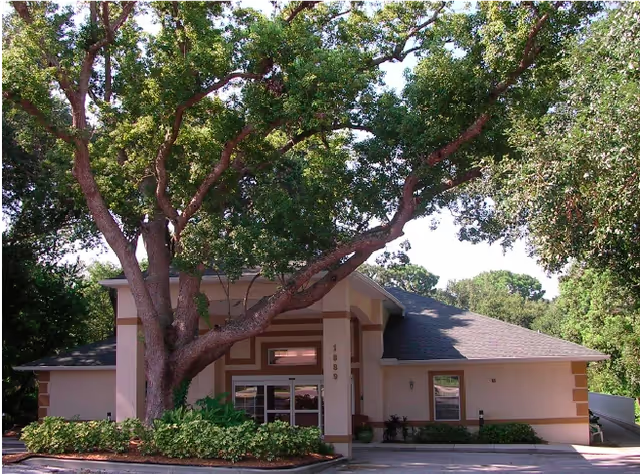
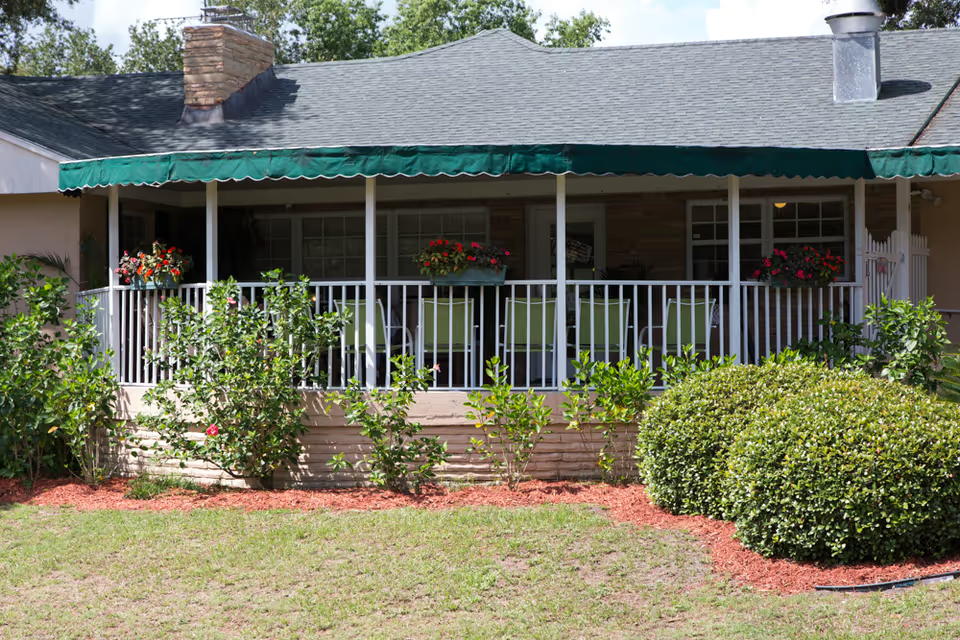
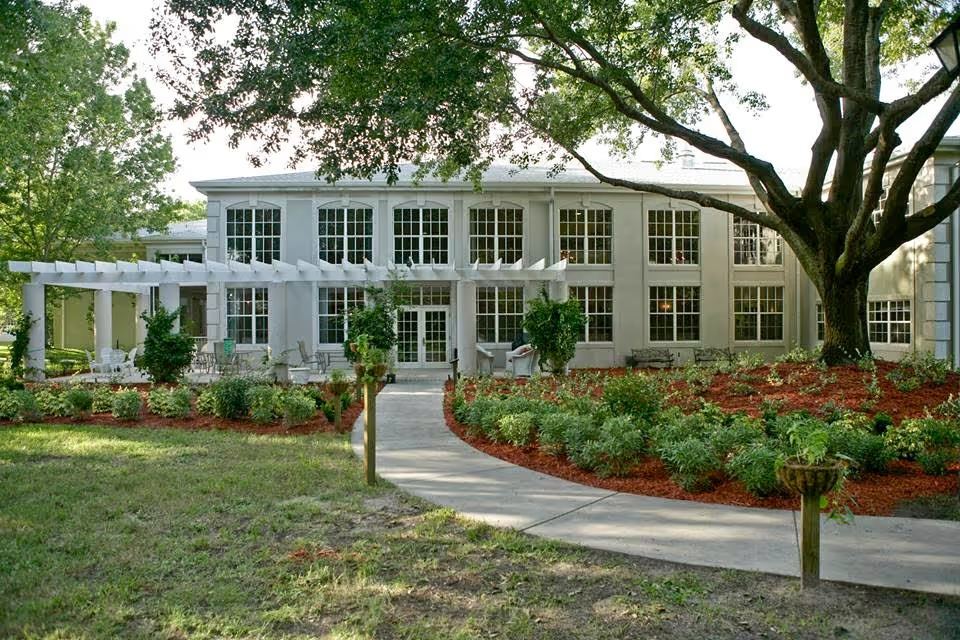
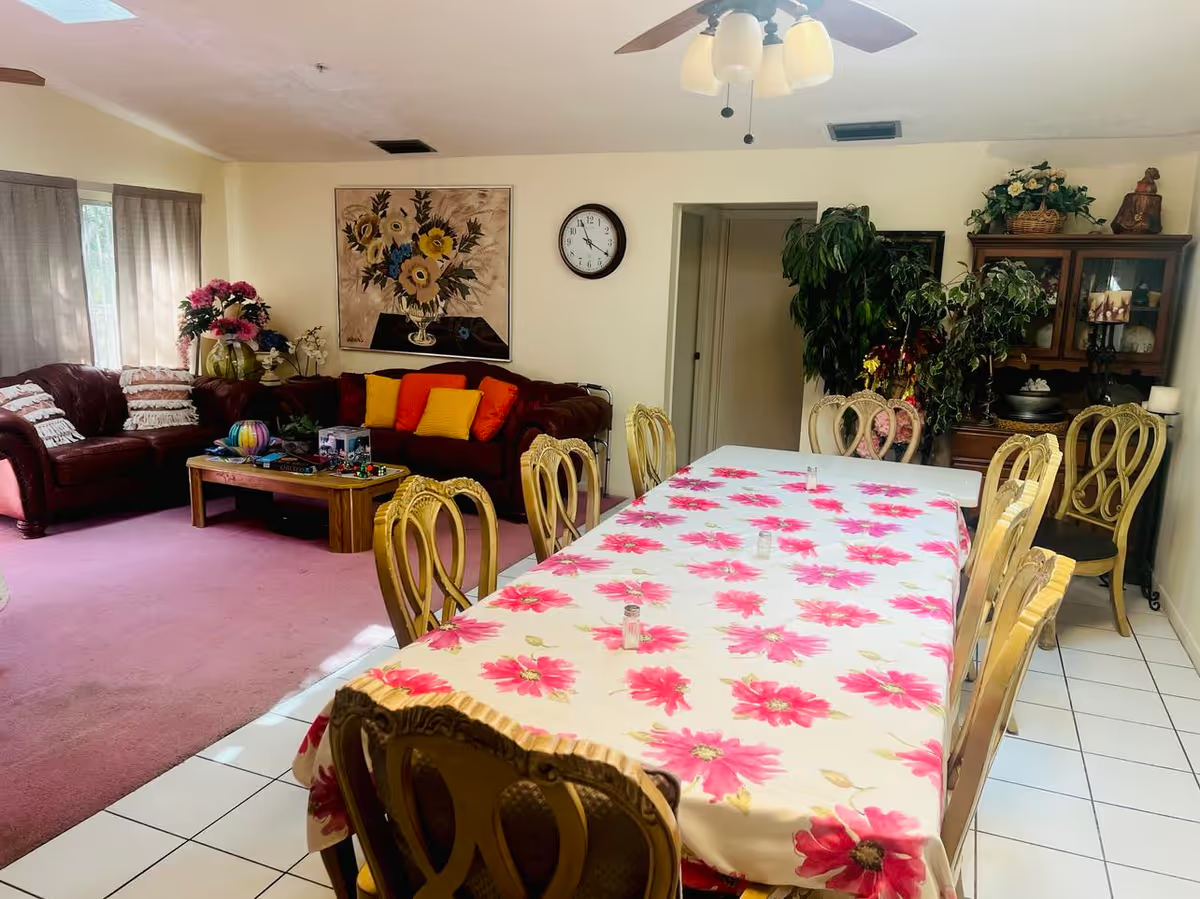
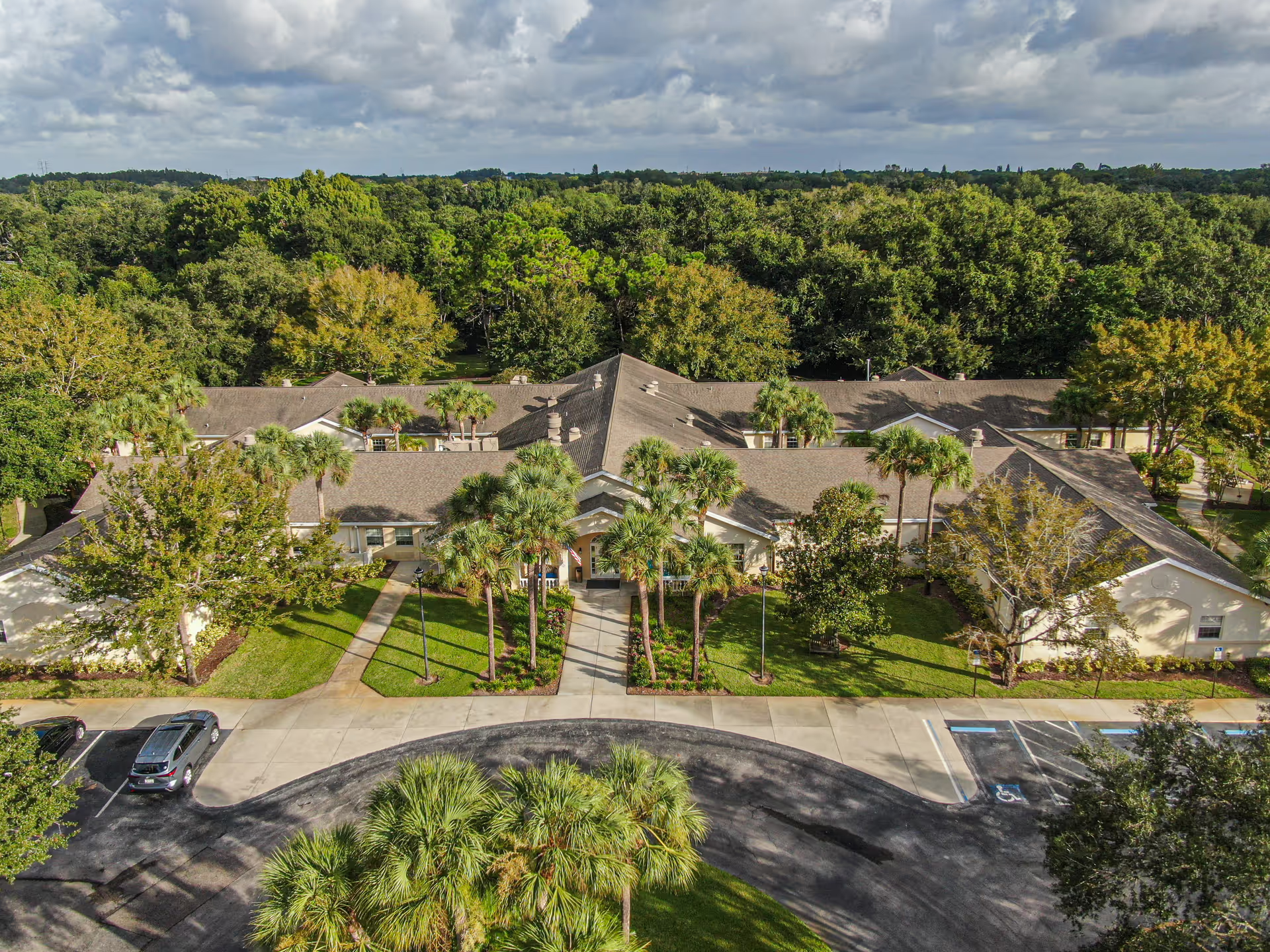
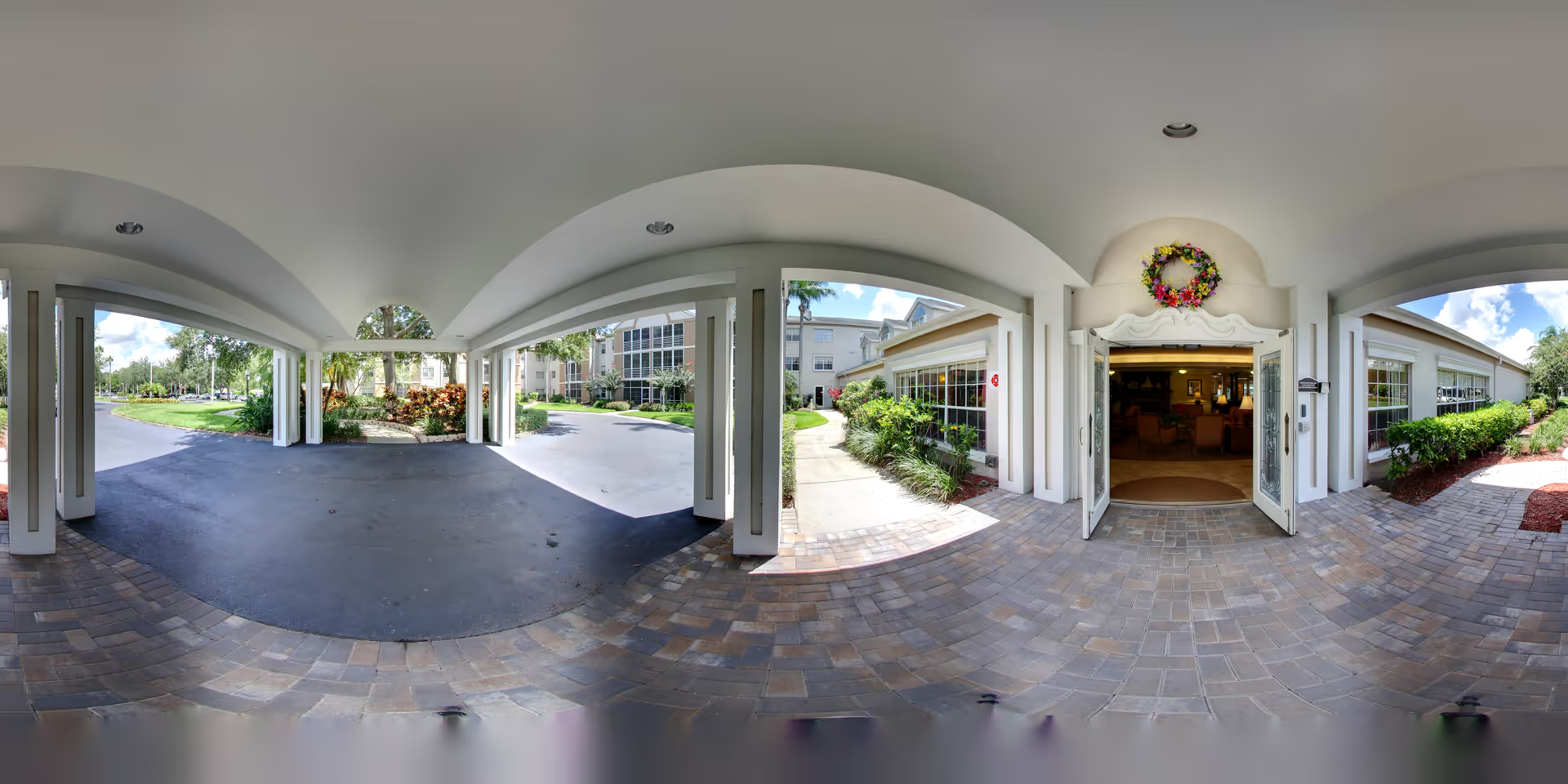
The reviews present a mixed picture of Angels Senior Living at Palm Harbor, with clear strengths in the lived environment and interpersonal care alongside recurring operational concerns. Many accounts emphasize dedicated, compassionate caregivers and an overall warm, homelike atmosphere anchored by an attractive historic building and well-kept grounds. Several families described positive admission experiences, expedited move-in assistance, and administrators or front-line staff who were responsive and helpful. Activities and social programming — including church services, entertainers, ice cream socials and other events — receive frequent positive mention, as do communal visiting areas and a dining environment that can feel home‑like.
Care quality and staffing are areas of significant variability. Multiple narratives praise individual caregivers for attentive, above‑and‑beyond service; however, other accounts describe inconsistent staffing levels, high turnover, and what reviewers perceived as insufficient clinical training for some direct-care personnel. These operational gaps are linked to delays in attending to resident needs, inconsistencies in bathing and mealtime assistance, and concerns about the facility’s ability to manage acute medical issues and triage situations reliably. A number of reviewers also praised particular administrative leaders for knowledge and responsiveness, while a different set of reviewers described unresponsive or opaque corporate communications.
Dining and activities show a similar split. The facility is credited with offering enjoyable meals and social dining events, and some reviewers noted improvements such as remodeled bathrooms and clean dining areas under new ownership. At the same time, there are recurring reports of meal-service interruptions when key kitchen staff are absent and inconsistent food quality. Activity programming is generally regarded as engaging, though a few families wished for a broader or more varied schedule and noted periods when programming leadership appeared absent or in transition.
Facility infrastructure and cleanliness received both positive and negative remarks. The building’s historic character, quiet tucked‑away location, and comfortable communal spaces are widely appreciated. Conversely, there are sanitation and pest‑control concerns cited in some resident rooms and occasional reports of unclean room flooring and maintenance oversights. Several reviewers noted improvements after ownership changes, including refurbished bathrooms and cleaner dining areas, suggesting that condition may be linked to recent management initiatives.
Management and culture reveal divergent experiences. Some reviewers highlight effective, responsive managers and a smooth transition under new ownership with measurable improvements in staffing and room upkeep. Others report difficulty obtaining clear information, misdirection from phone staff, refusal to provide executive contacts, and perceptions of a religious preference in materials and programming that limits spiritual inclusivity. A small number of reviews raised serious conduct concerns about staff professionalism that would merit follow‑up by prospective families.
Overall, the most consistent positive themes are compassionate individual caregivers, a warm and attractive physical setting, and active social programming. The most consistent operational risks are variable staffing and training, communication gaps with families and corporate leadership, intermittent sanitation and pest‑control issues, and occasional meal-service interruptions. Prospective families would be well served to schedule an in-person tour, ask for current staffing ratios and training protocols, inquire about clinical triage and incident‑response procedures, review pest‑control and sanitation records, and discuss spiritual and activity programming options to match a prospective resident’s preferences.