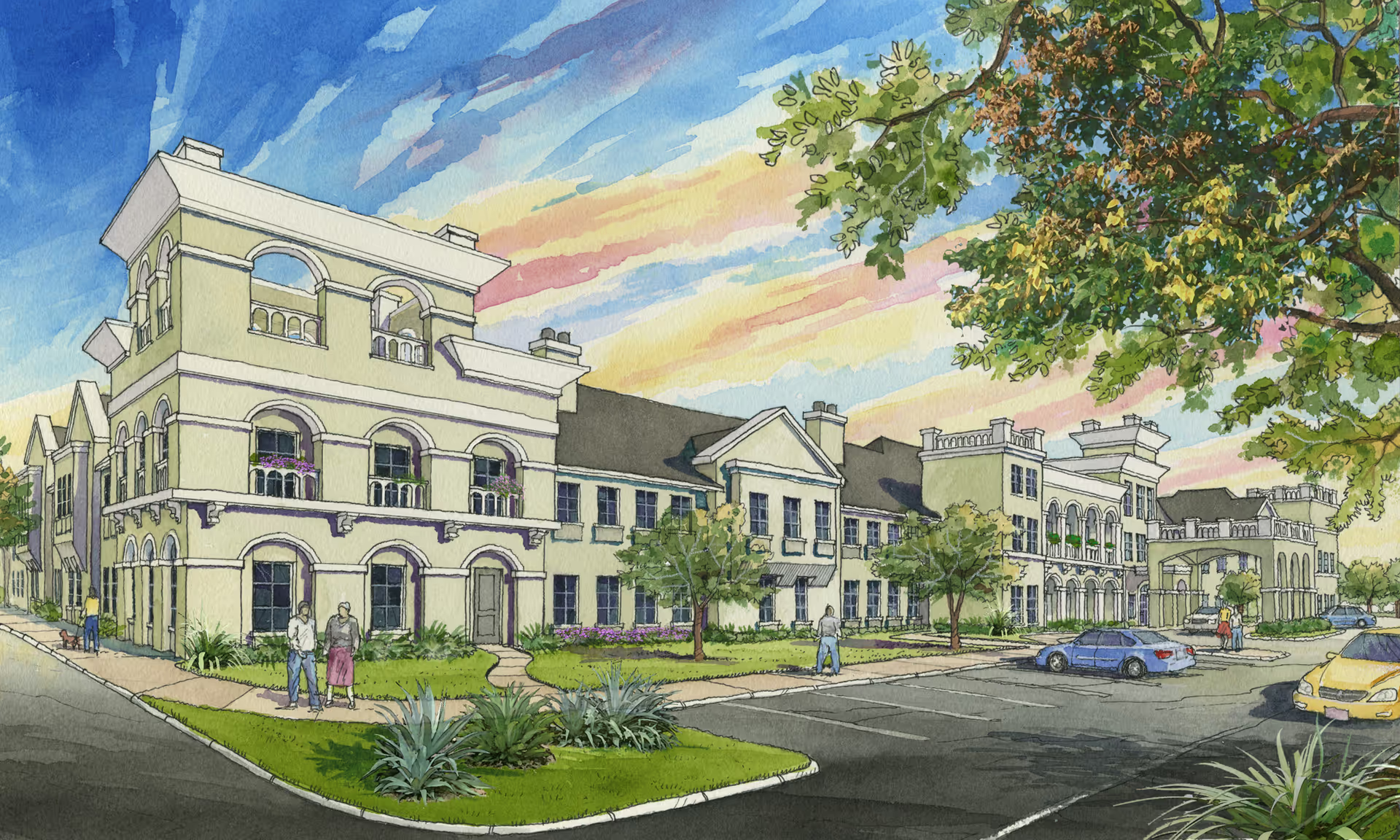
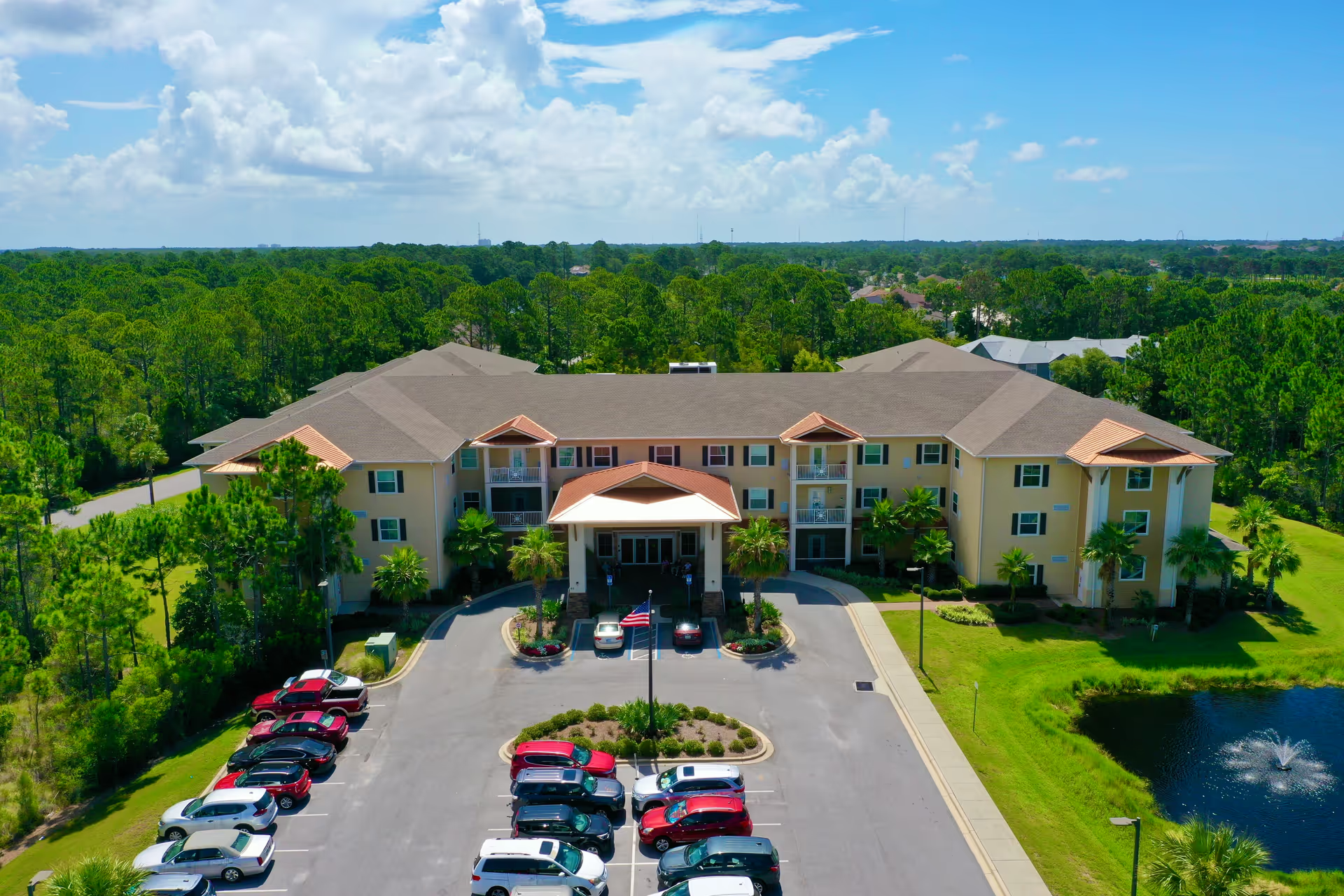
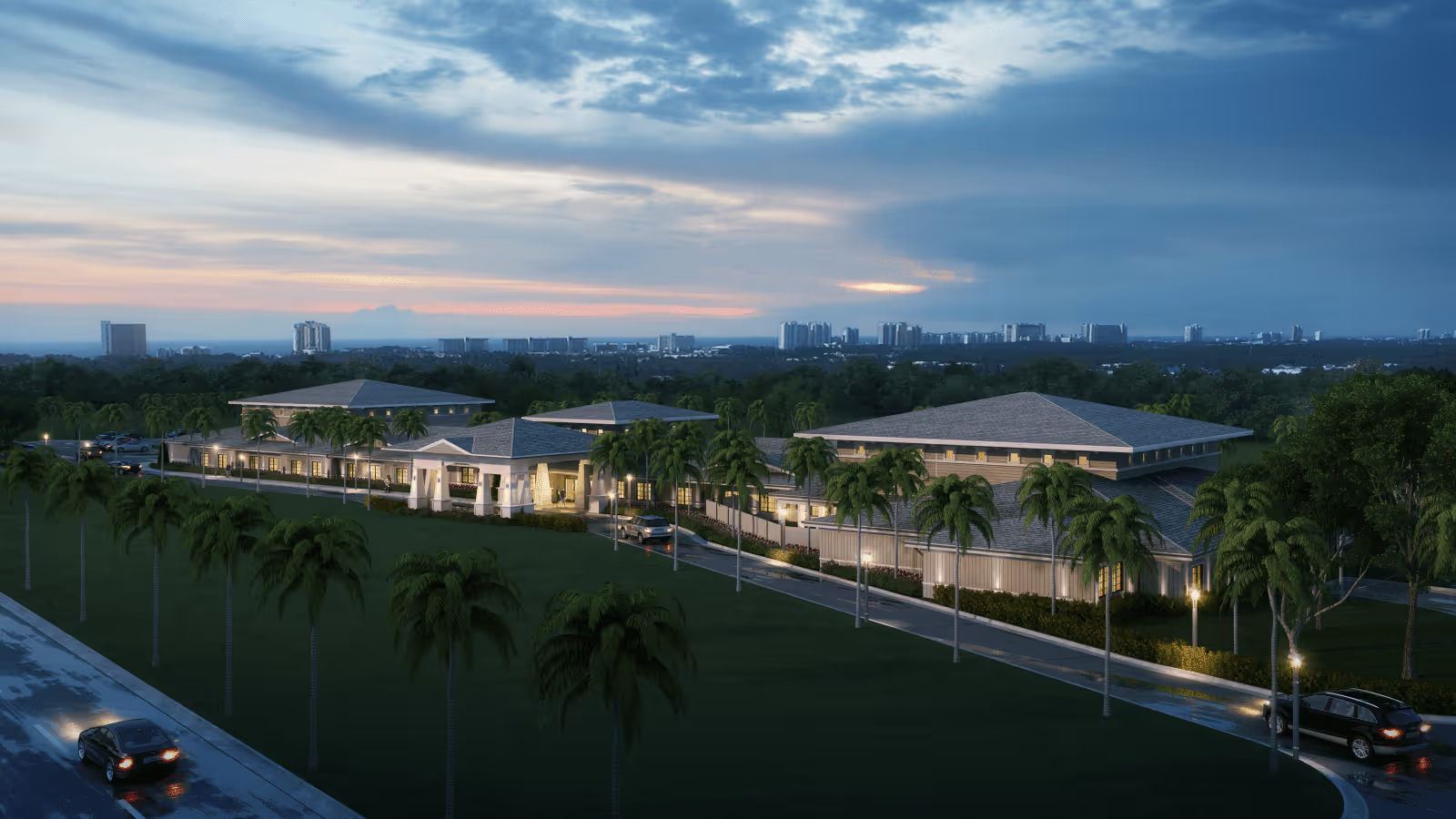
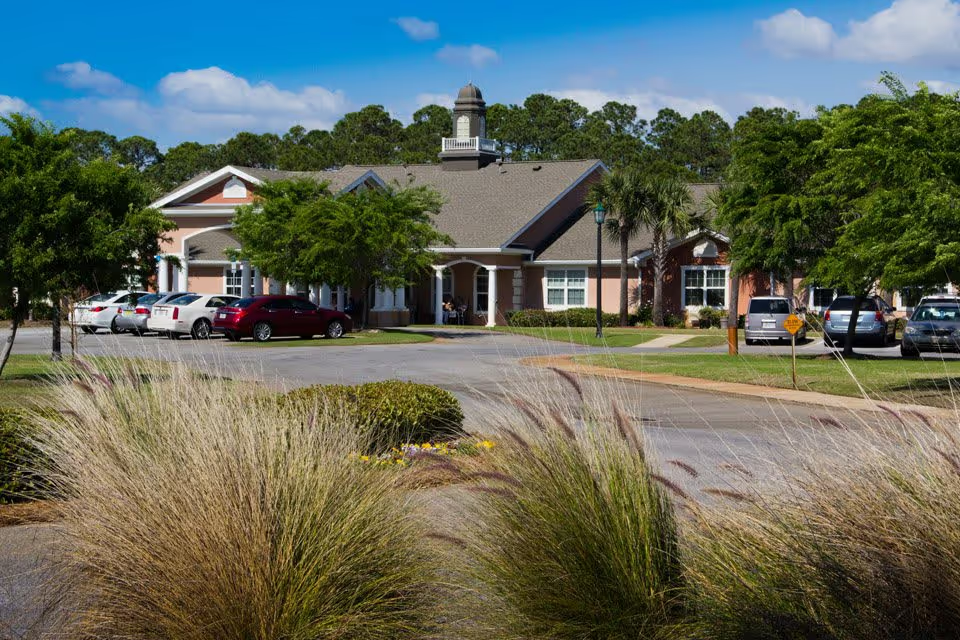
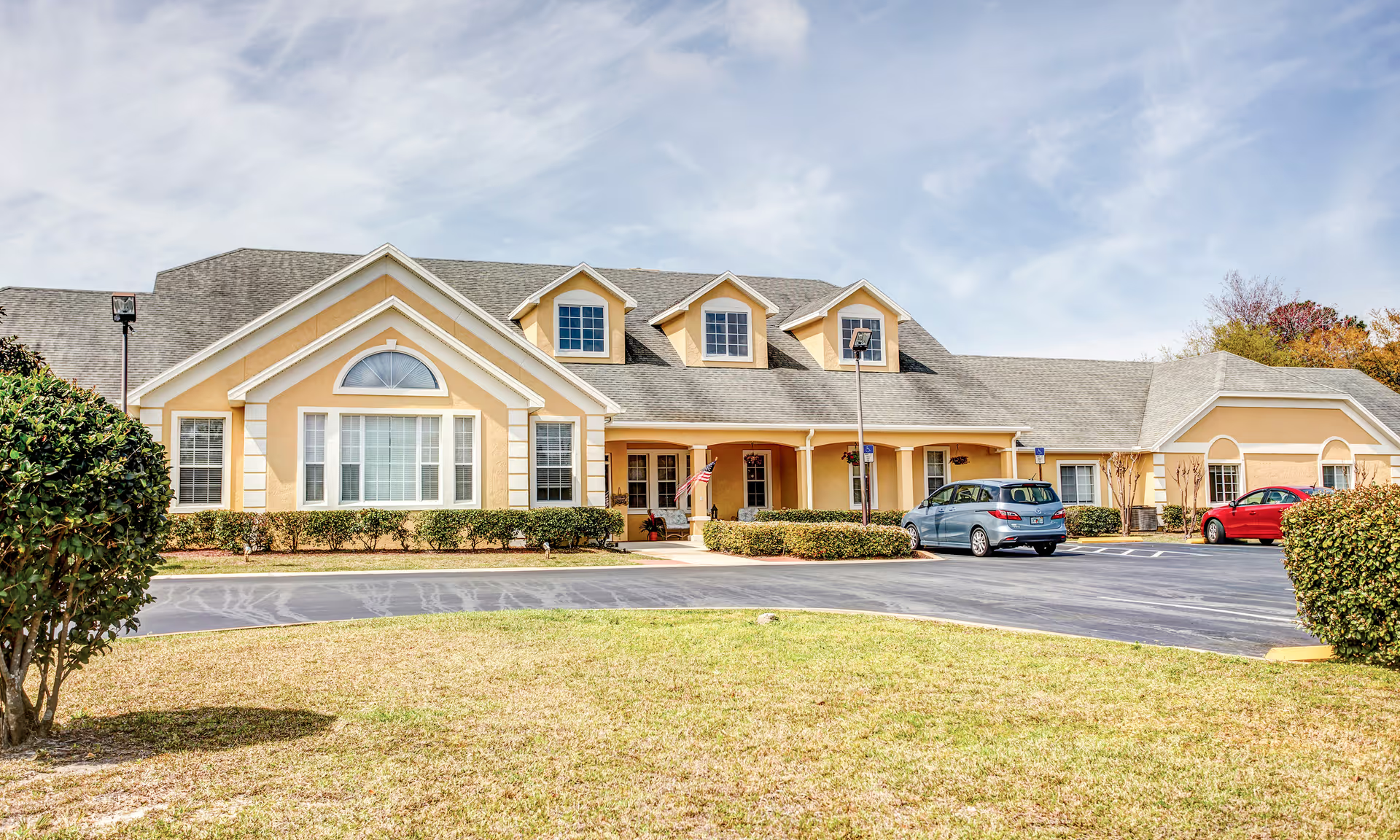
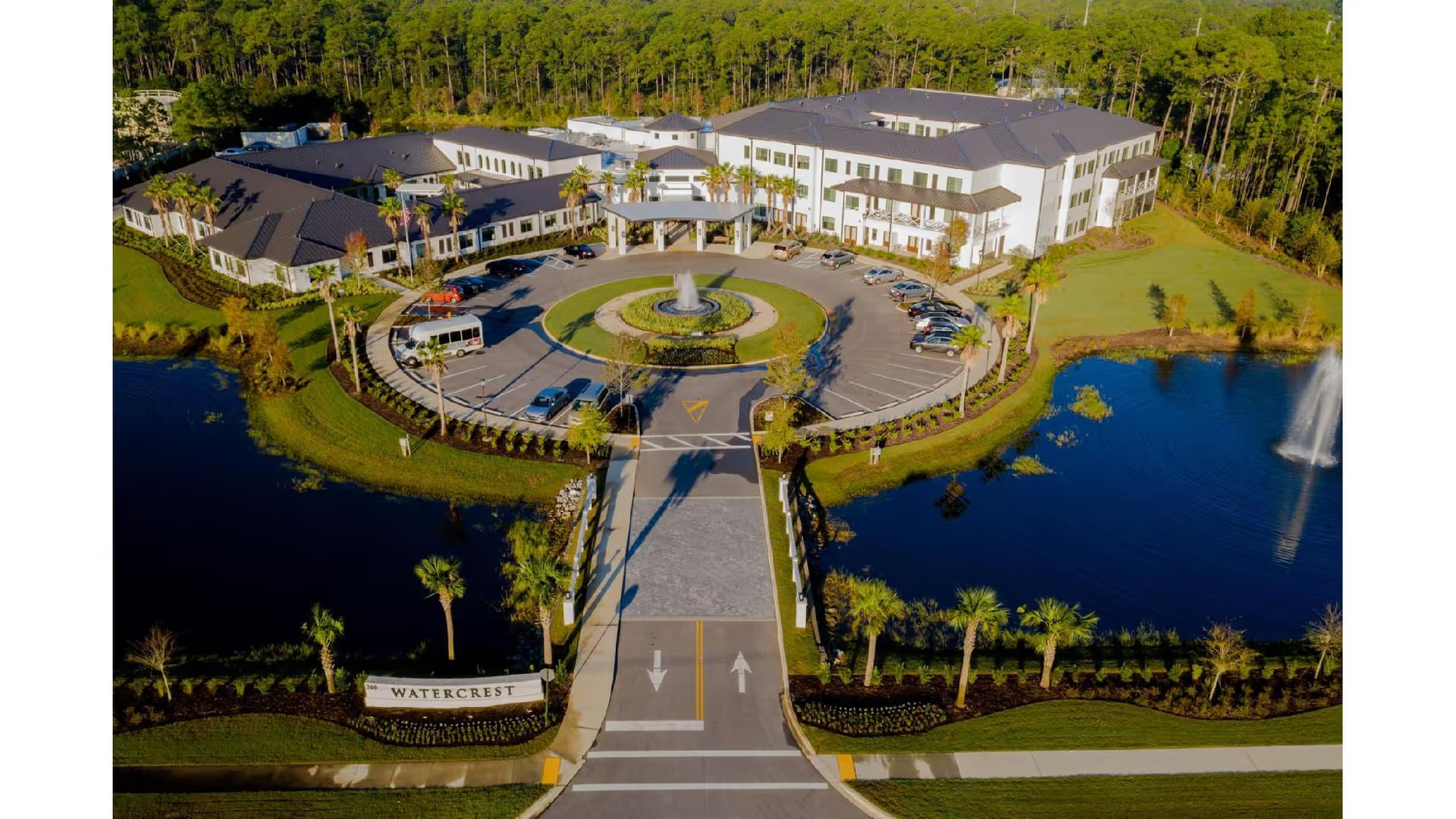
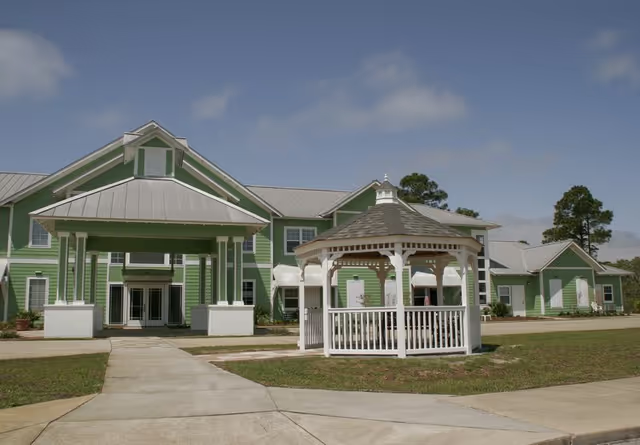
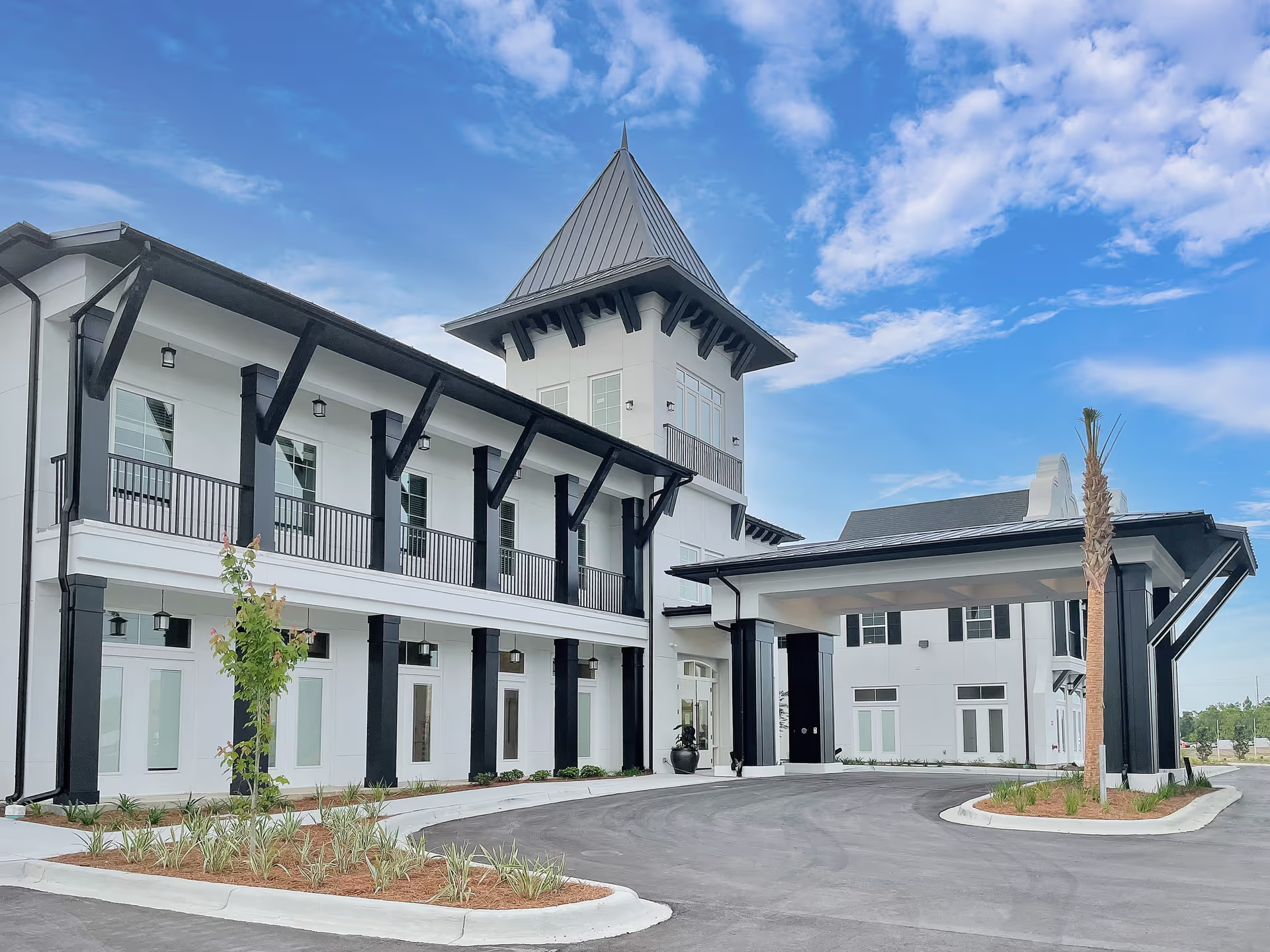
The Landing of Panama City Beach presents as a newer, well-appointed memory-care community with many operational strengths and a clear focus on secure, dementia-friendly design. Families consistently note a clean, modern building, attractive outdoor areas and courtyard space, and interior design elements intended to support orientation and familiarity. Rooms are described as spacious and well-maintained, and the facility offers practical on-site amenities — including hair and nail services, laundry, daily room cleaning, and an in-house dining program with an on-site chef — that contribute to a residential feel.
Staffing and the interpersonal culture are a central theme in reviews. A substantial portion of families praise compassionate, attentive caregivers, knowledgeable memory-care personnel, and admissions and leadership staff who are responsive and family-focused. Several accounts highlight proactive programming: a varied activities calendar, religious services, musical/entertainment visits, exercise opportunities, and support groups that promote social engagement and purpose for residents. The community also appears to coordinate well with hospice and short-term/overnight/daycare arrangements, which some families found helpful during transitions.
Alongside the positive accounts, a pattern of operational weaknesses emerges that prospective families should weigh. Staffing instability and turnover are recurring concerns; reviewers describe periods when staffing levels or experience were insufficient to consistently meet resident needs. This links to reports of delays in response, inconsistent assistance with meals and personal care, and variability in sanitation oversight. There are also indications of gaps in clinical capability for higher-acuity residents — families expressed that some situations would benefit from stronger skilled-nursing resources or more consistent clinical oversight.
Communication and care-continuity issues are another notable pattern. Families raised concerns about inconsistent updates after incidents, limited advance notice about activities, and constraints on in-person access at certain times. Medication-management and documentation weaknesses were mentioned in several accounts, and there were references to unclear billing practices and additional fees that surprised some families. Operational practices such as resident-call system accessibility and fall-risk monitoring likewise surfaced as areas needing improvement; some reviewers described limitations in call/alert access and mixed approaches to vital-sign monitoring, including what some perceived as overly frequent routine checks.
In sum, The Landing appears to offer many of the features families seek in a memory-care community: a safe, well-designed environment, strong programming, appealing amenities, and many staff who are described as caring and competent. At the same time, uneven staffing levels, occasional lapses in personal-care and sanitation oversight, communication shortfalls, and gaps in clinical and medication-management processes have been cited as recurring operational weaknesses. Prospective residents and families should consider visiting to observe staffing patterns and care routines, ask for specifics about clinical coverage and escalation procedures, review billing and fee policies in detail, and verify how the community communicates about incidents and daily activities before making a placement decision.