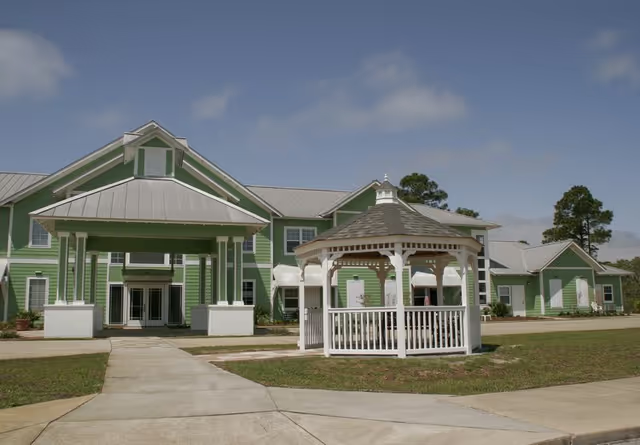
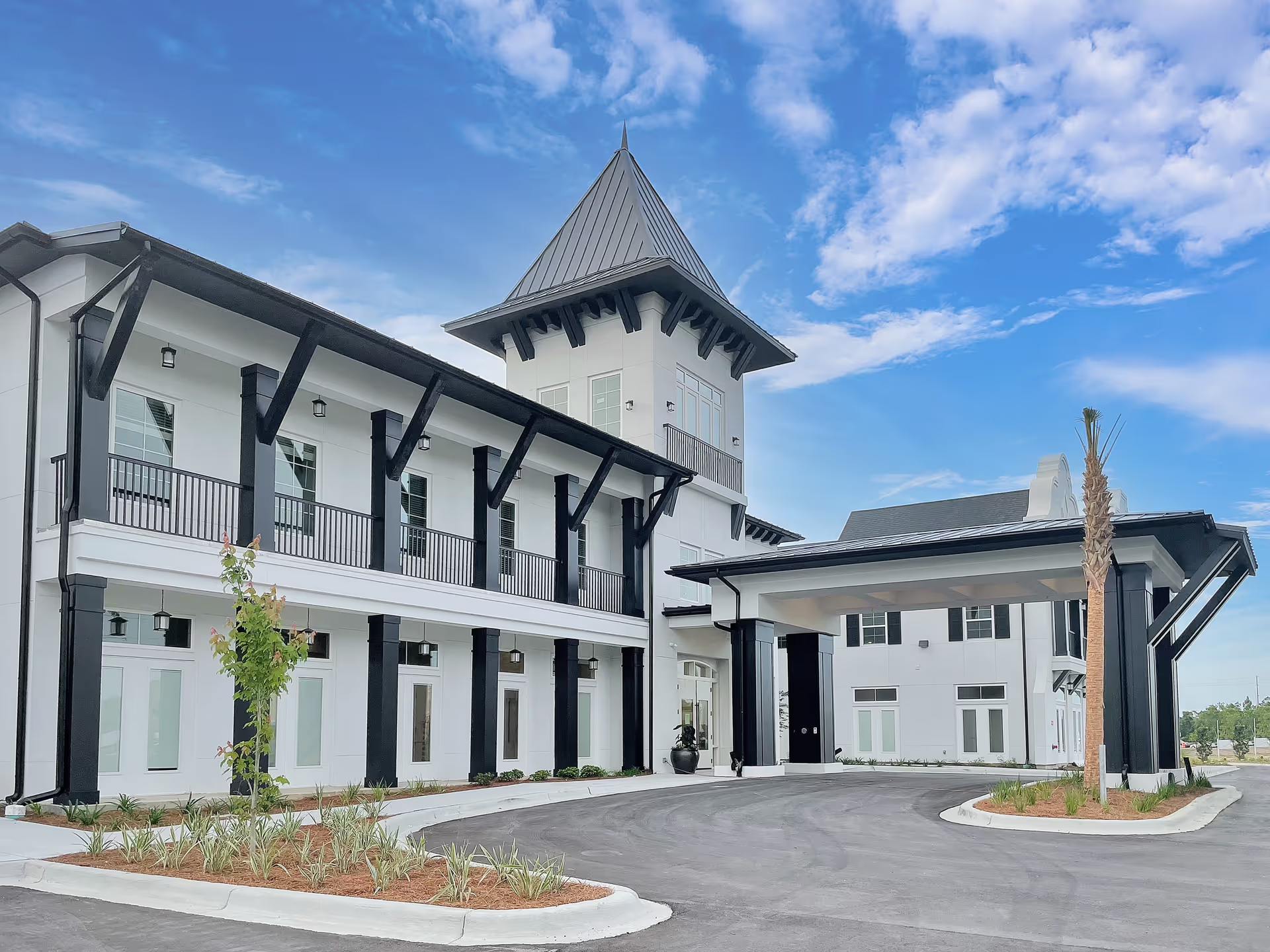
Reviews of Panama City Health and Rehabilitation Center present a mixed picture: many families and residents praise the compassion and attentiveness of direct-care staff, clean rooms and communal areas, and flexible visiting arrangements, while others describe operational and clinical inconsistencies that materially affect day-to-day experience. Overall impressions appear polarized — some residents express high satisfaction and peace of mind, while other accounts raise substantive concerns about how the facility manages clinical care, property, and daily services.
Care quality is uneven across accounts. Several reviews highlight caring, respectful nursing staff who preserve resident dignity and provide reliable support. At the same time, narratives point to variability in certified nursing assistant services and personal-care delivery; in some cases the level of assistance depends on which shift or which nurse is assigned. A subset of reviews raises serious clinical-safety concerns, including medication-administration problems and weaknesses in emergency or incident response. These items suggest gaps in clinical protocols and escalation/communication processes that prospective families should clarify during tours.
Staffing and conduct are similarly mixed. Front-line caregivers are frequently described as kind and considerate, contributing to positive day-to-day interactions. Conversely, there are recurring comments about inconsistent professionalism — for example, unfriendly or moody behavior at reception and variable responsiveness from certain staff. Staffing variability appears to be a primary driver of the divergent experiences reported: where teams are consistent and engaged, families report good outcomes; where turnover or assignment mismatch occurs, families report delays and communication problems.
Dining and daily services show a pattern of inconsistency. Some residents and families describe palatable meals, snacks, and an immaculate dining environment; others describe poor meal quality and limited appetite appeal. Laundry and personal-property management are a clear area of operational weakness: multiple accounts describe lost clothing, laundry issues, and concerns about disappearing items. Accessibility equipment provisioning is another practical gap noted (for example, walkers not being consistently supplied), which can affect mobility-dependent residents.
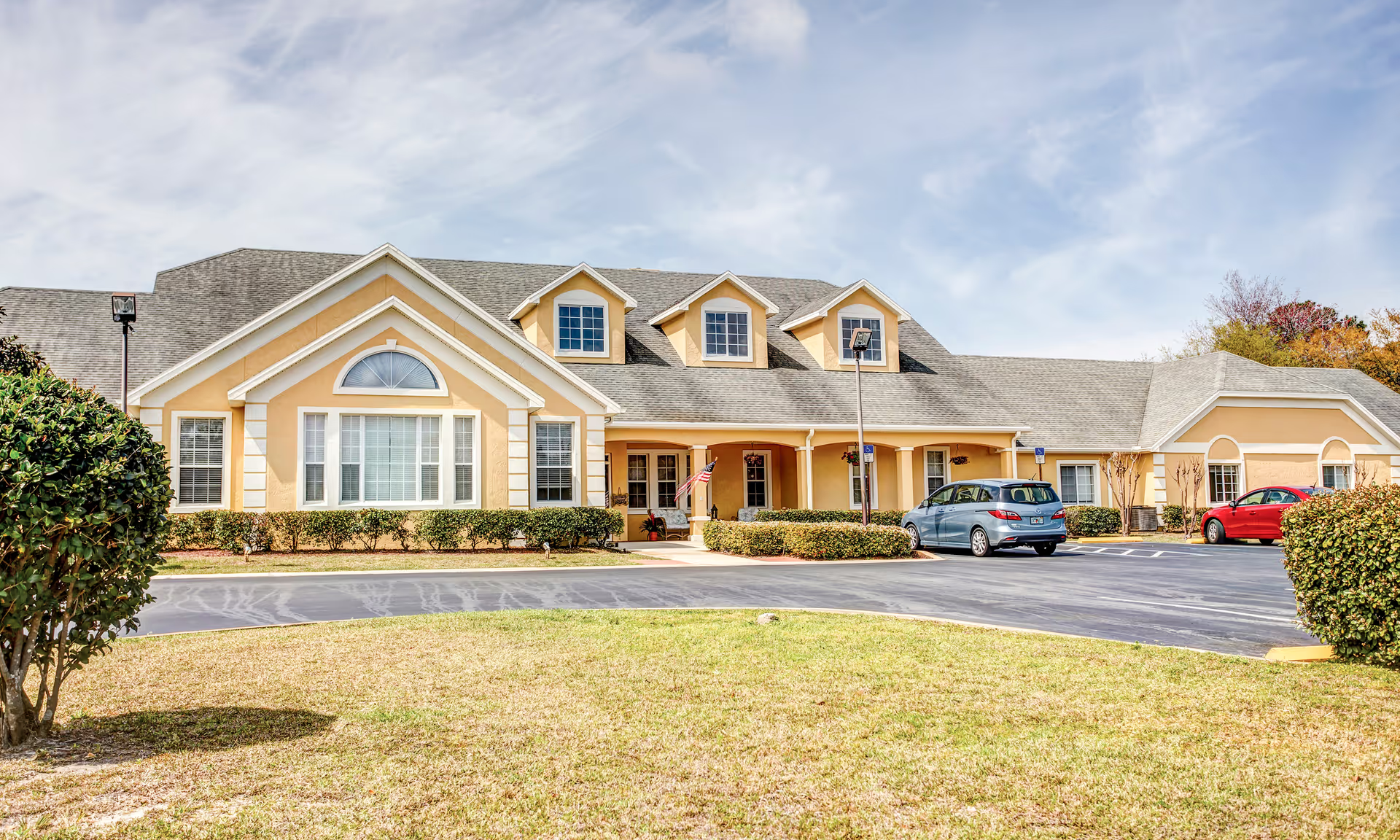
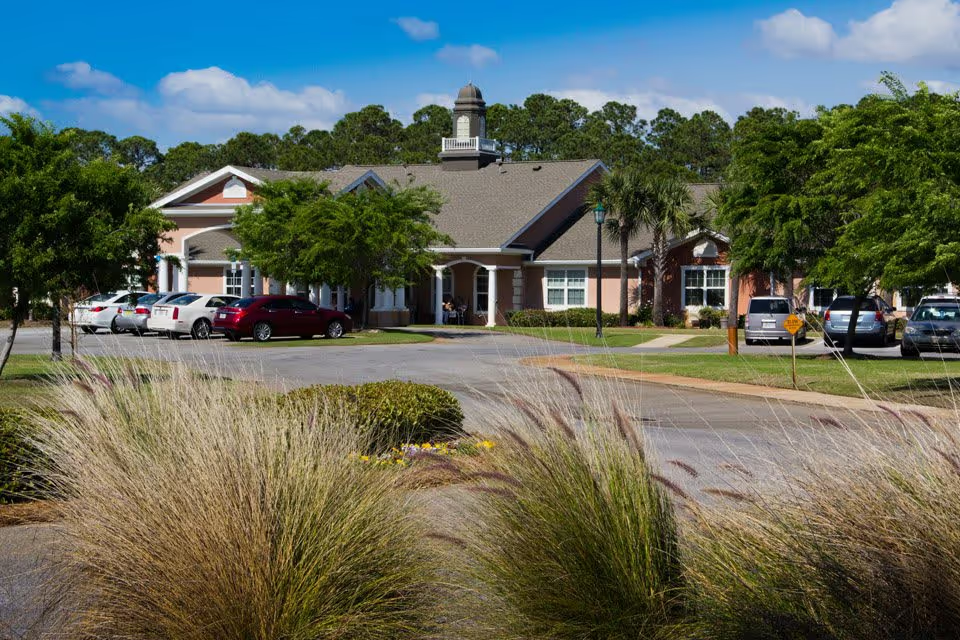
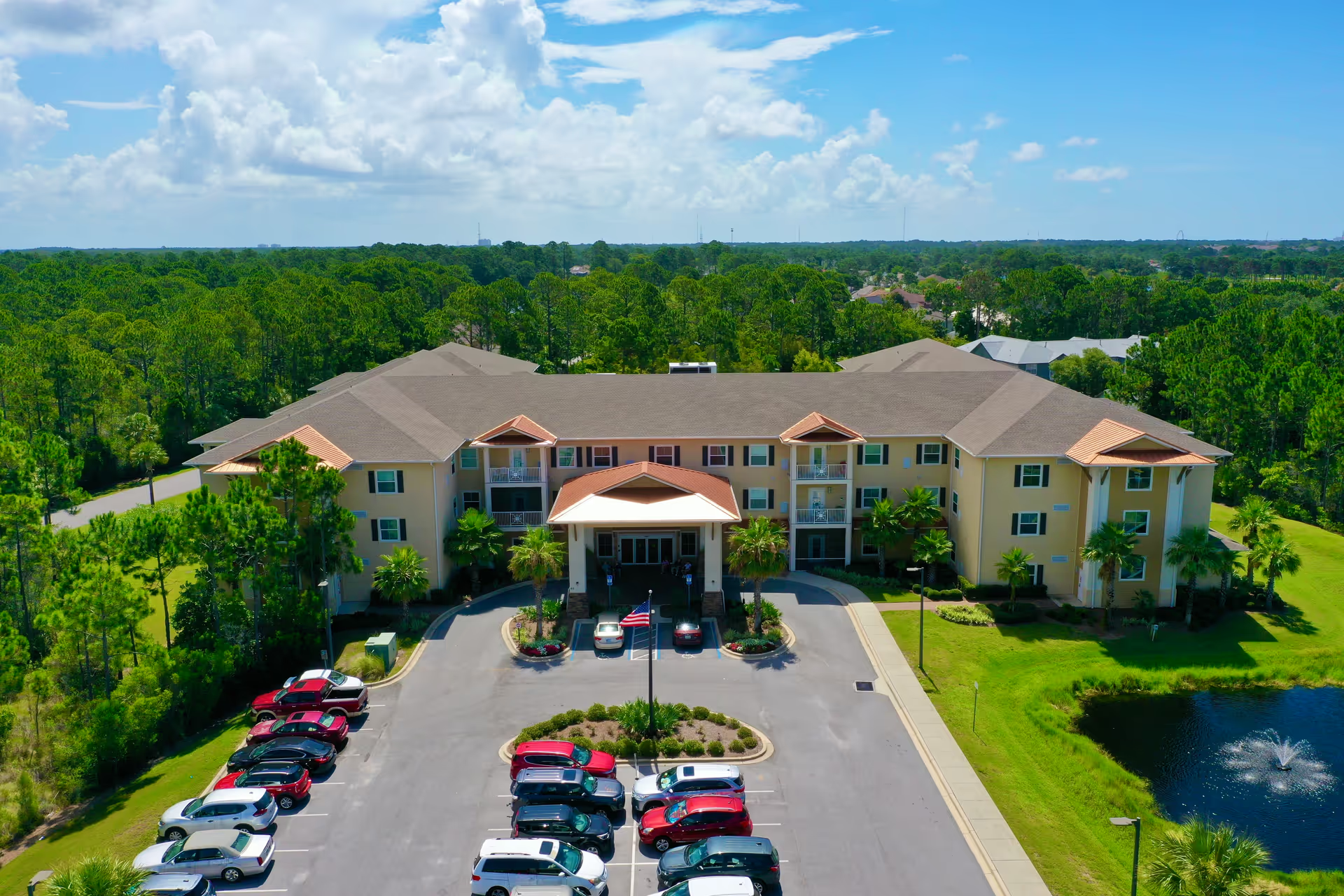
The physical plant and programming reflect its age and mixed capacity. The building is described as older and, at times, crowded — with multi-occupancy rooms and noise from roommates cited in several comments. Cleanliness and odor control are strengths in many areas, yet other accounts cite sanitation concerns in specific units, indicating inconsistency in housekeeping standards across the facility. Mentions of activities and programs are sparse; positive social aspects tend to be conveyed indirectly through praise for staff and visiting flexibility rather than detailed descriptions of activity programming.
Management and communication emerge as an important theme. Families report limited responsiveness to feedback in some cases, which compounds frustrations about property controls, clinical issues, and service quality. Given the mix of positive and negative experiences, prospective residents and families would benefit from targeted inquiries during a visit: ask about staffing ratios, medication-safety protocols, property and laundry procedures, how mobility equipment is provided, housekeeping standards, and examples of recent family feedback and the facility’s responses. This facility appears capable of providing high-quality, compassionate care in many instances but also demonstrates operational variability that warrants careful evaluation on an individual basis.