Memorial Manor receives predominantly positive feedback, especially for short-term rehabilitation after surgery, falls, strokes, and other hospital stays. Residents and families frequently praise physical and occupational therapy for being encouraging, skilled, and focused on practical recovery goals. Many describe improvements in mobility and independence, while wound care, speech therapy, and support from physicians or physician assistants are also recognized. However, experiences are not uniform: a few accounts raise concerns about managing complex conditions, medication administration, respiratory support, and timely clinical attention.
Staff are often described as kind, patient, and respectful, with nurses, aides, therapists, and support personnel singled out for helping residents feel comfortable and valued. Families also praise case managers and social services for arranging transitions and explaining next steps. In contrast, other accounts describe delayed responses to call bells and personal-care needs, less attentive overnight or weekend coverage, and inconsistent communication with families. These differences suggest that responsiveness and service quality may vary by shift, unit, and care team.
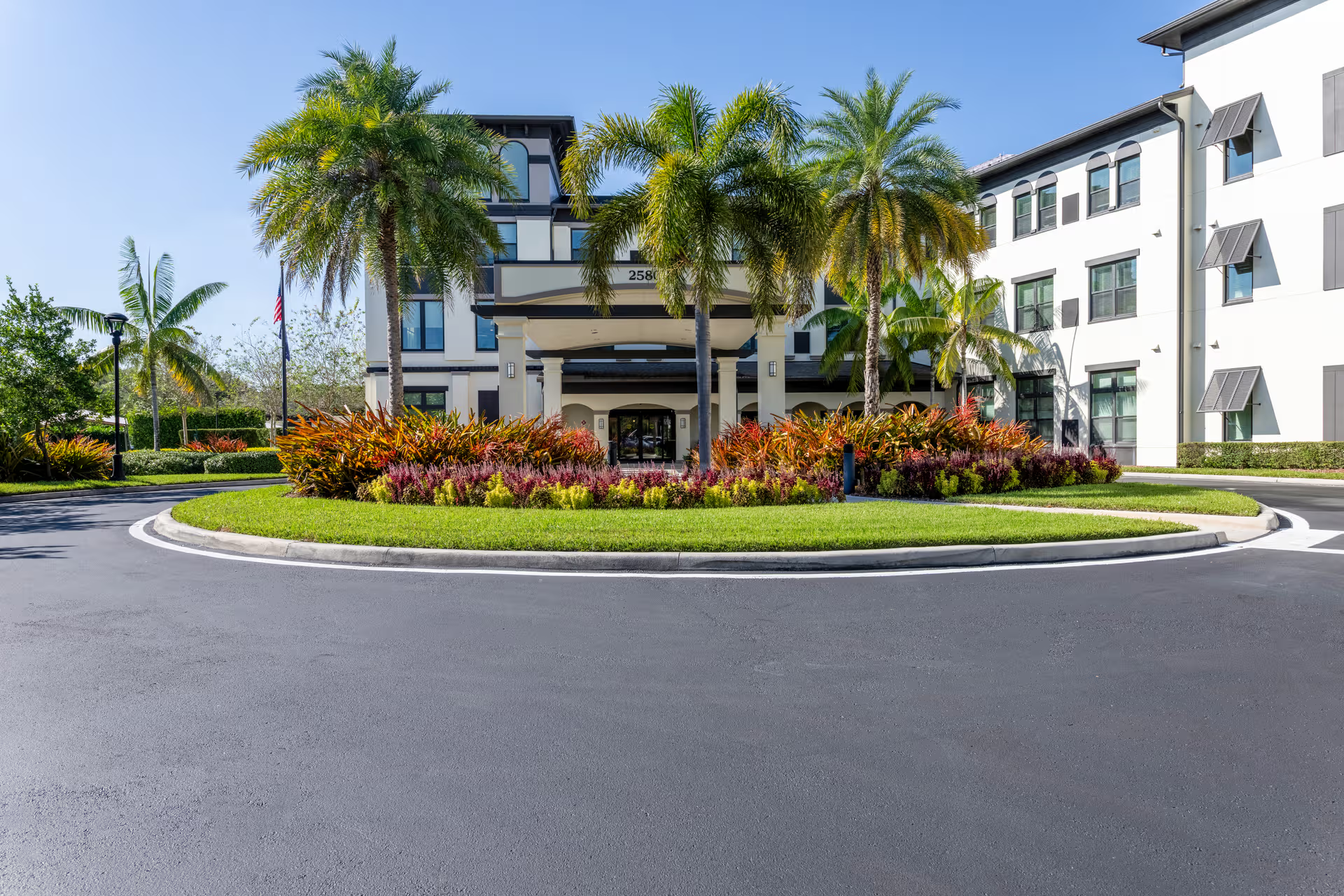
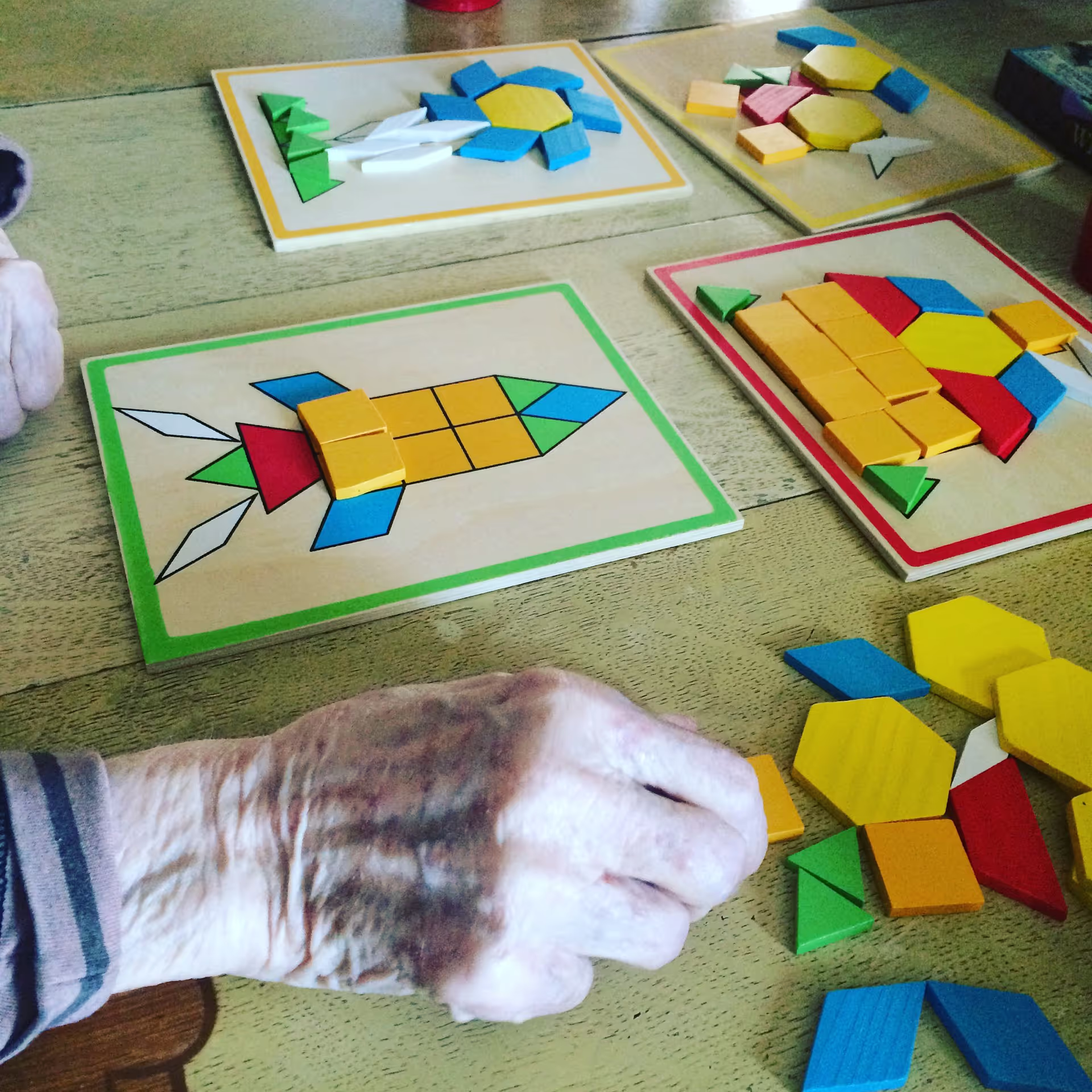
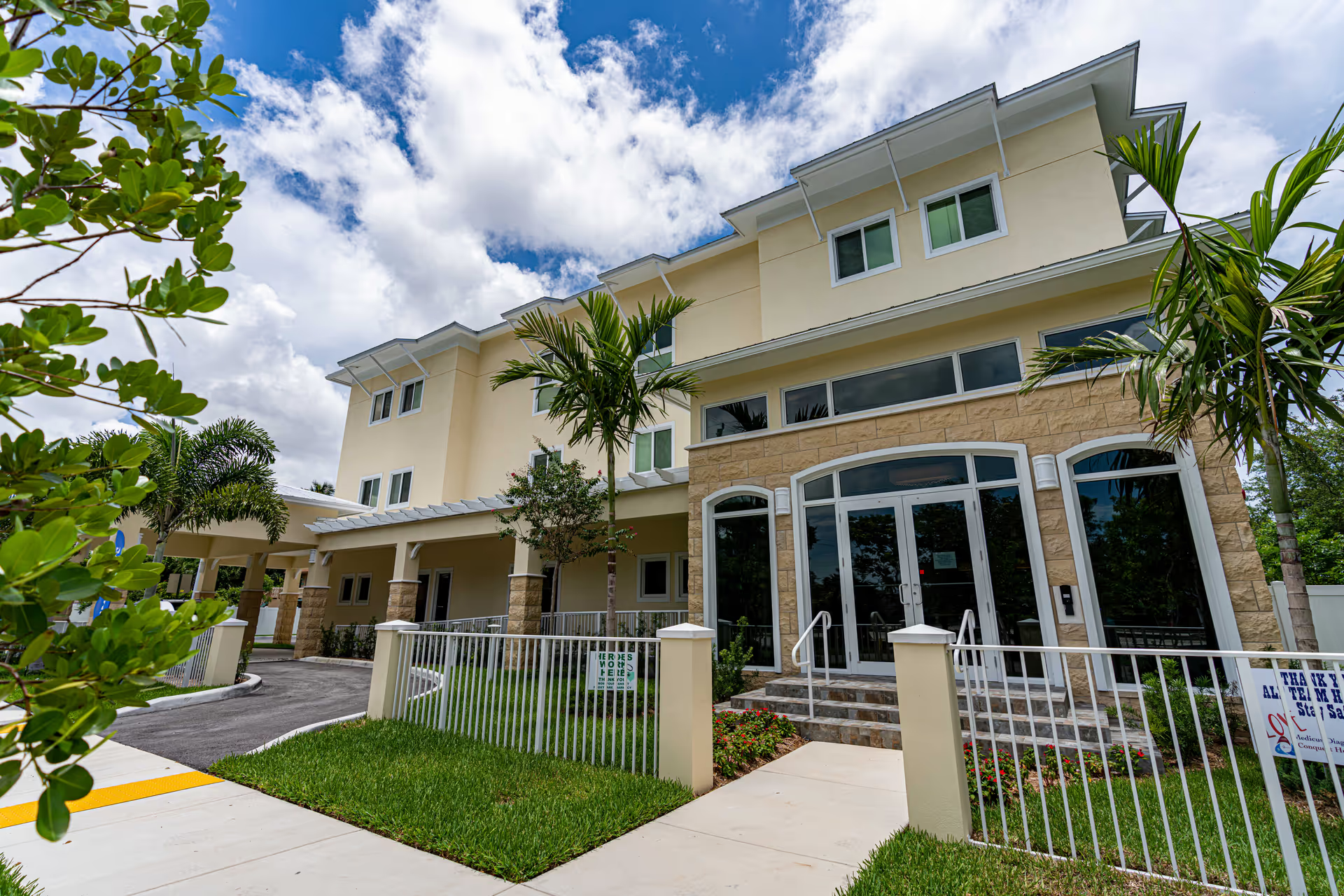
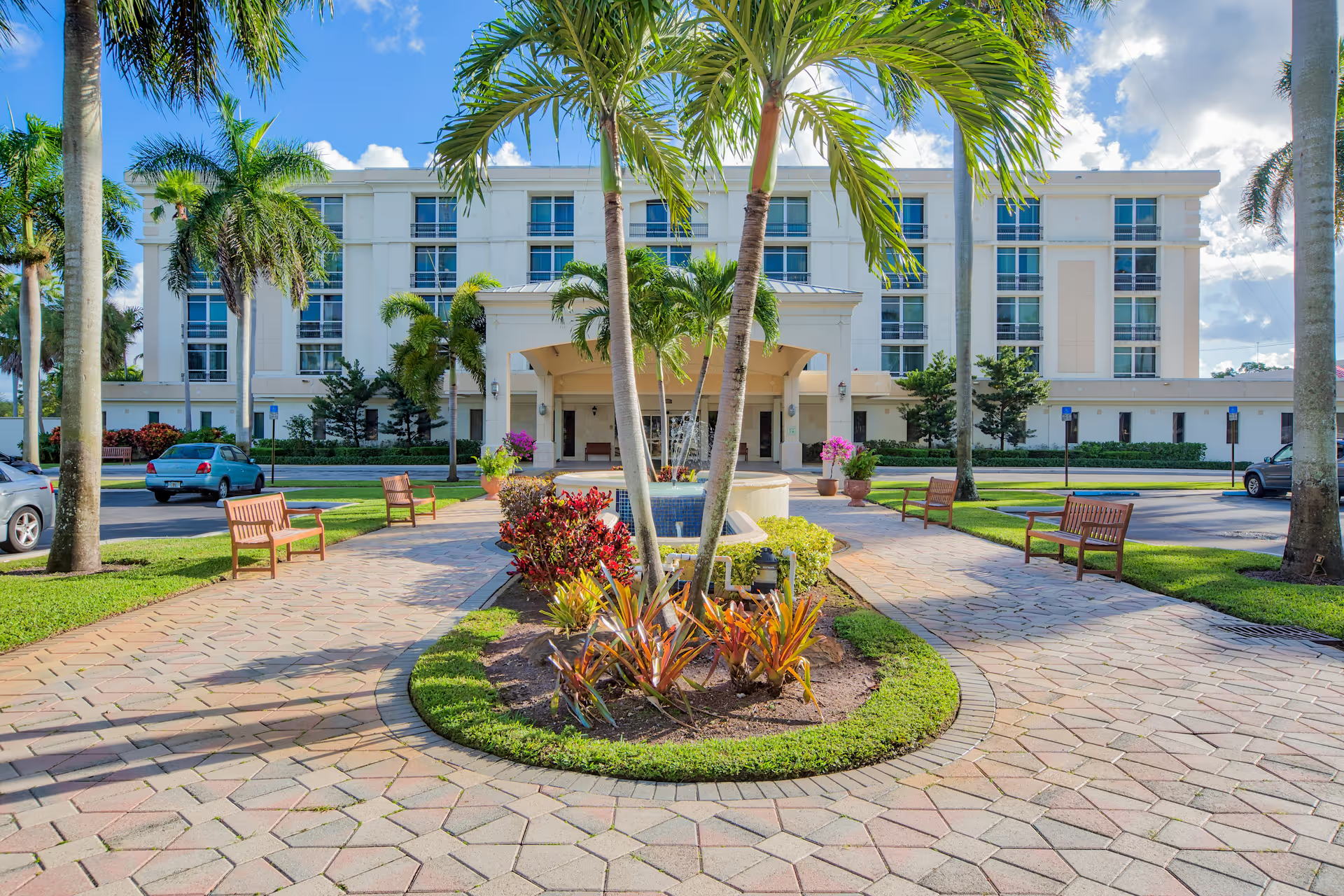
Dining is a frequent strength: many residents report appealing meals, generous portions, and helpful accommodation of personal or therapeutic diets. Some accounts describe uneven meal quality or difficulty getting prescribed dietary restrictions followed consistently. Activities are another recurring positive, with bingo, music, games, social events, and outdoor spaces contributing to engagement and morale. The building and grounds are commonly described as clean and well maintained, though isolated accounts raise concerns about pest control and room or bathroom upkeep. One resident also characterized the facility as older than newer alternatives.
Management and administration receive praise for supportive leadership, admission coordination, and problem-solving, but communication and access to staff are not consistently viewed positively. Families describe difficulty obtaining updates, reaching clinicians or case managers, and receiving clear information about treatment or discharge. Overall, the reviews portray a facility with notable rehabilitation strengths, appealing activities, and many caring staff members, alongside meaningful concerns about consistency in responsiveness, medication and clinical coordination, personal care, and family communication. Prospective residents and families may wish to ask about staffing and response practices on evenings and weekends, medication safeguards, diet-order monitoring, and discharge planning for their specific needs.