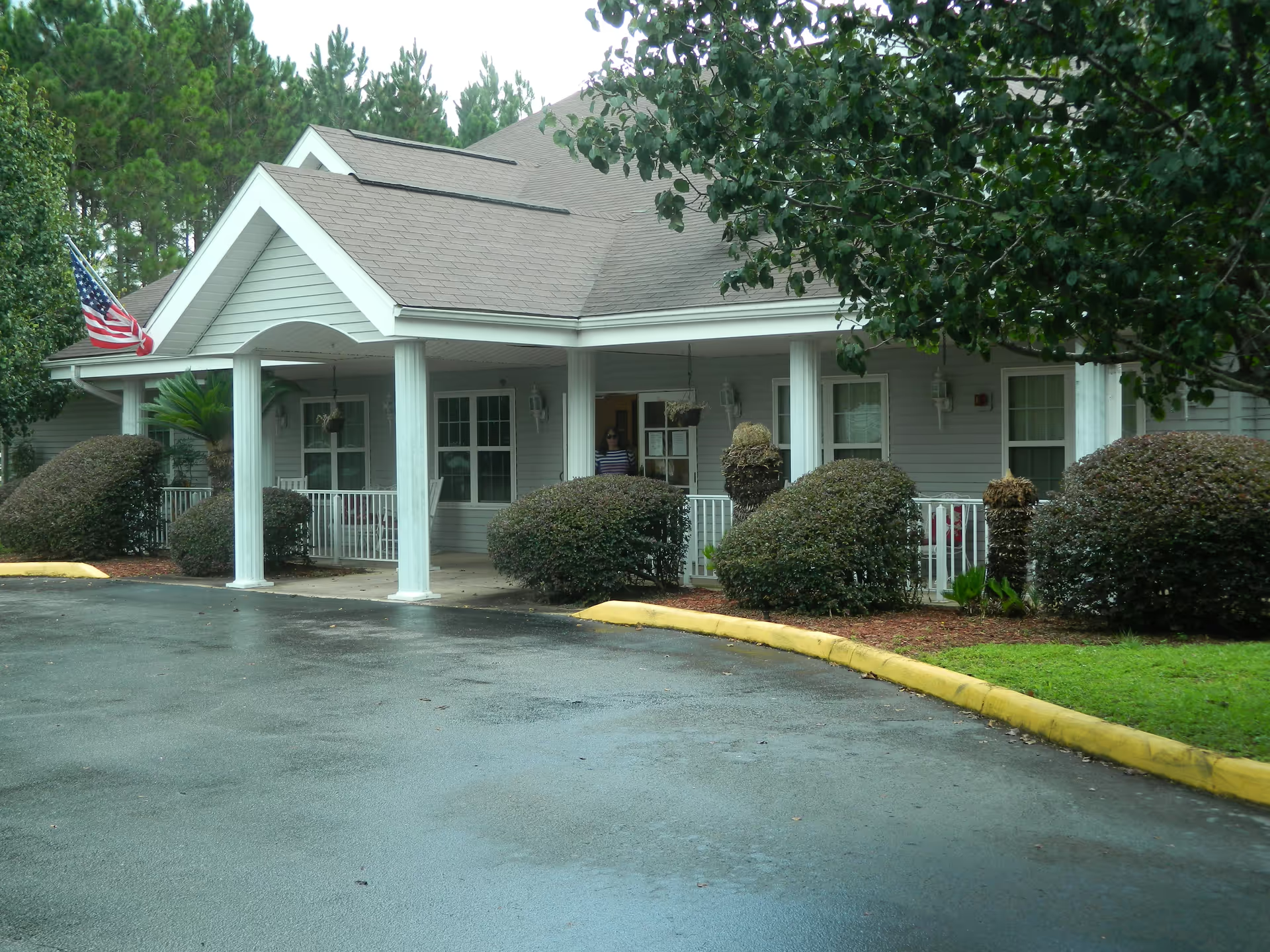
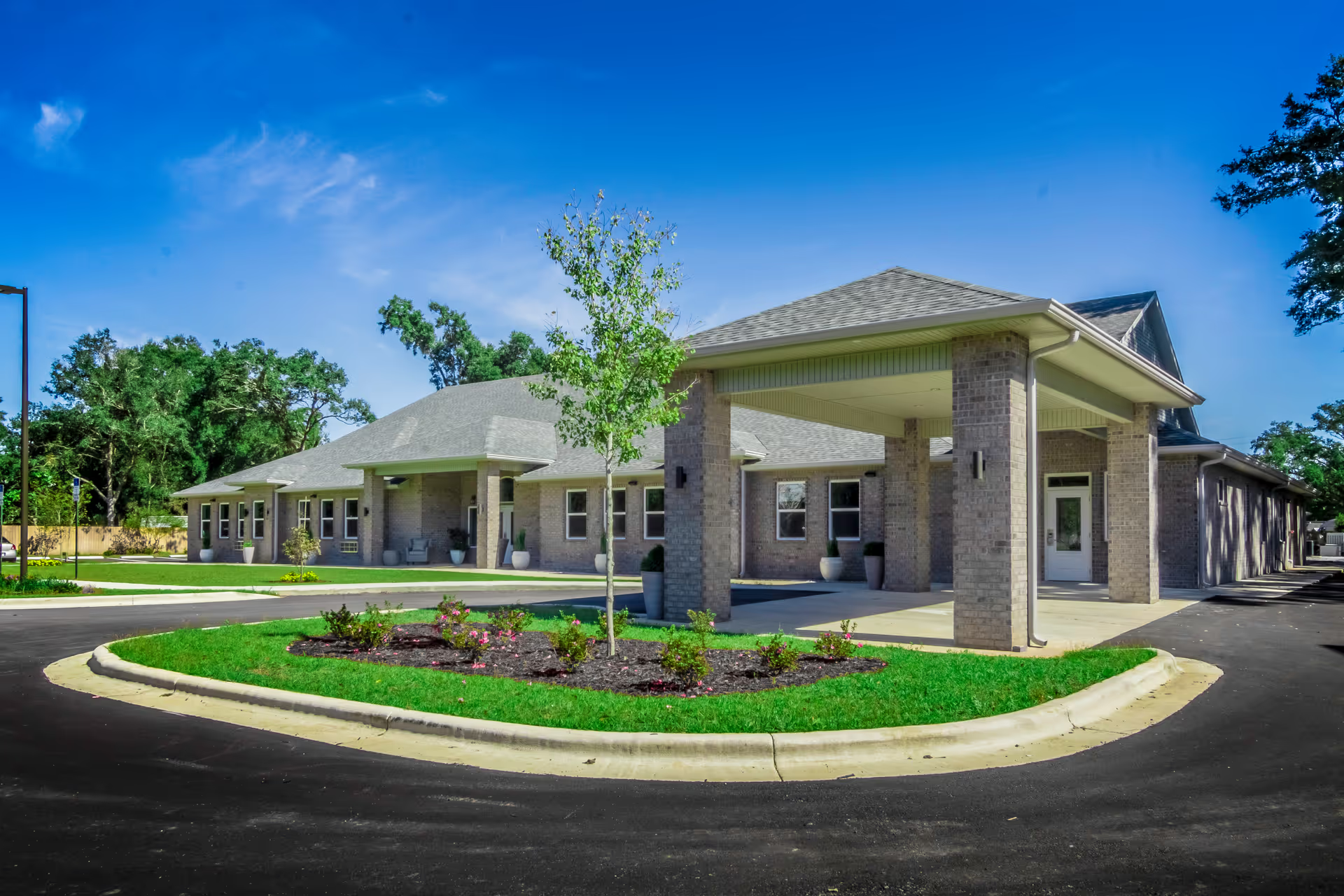
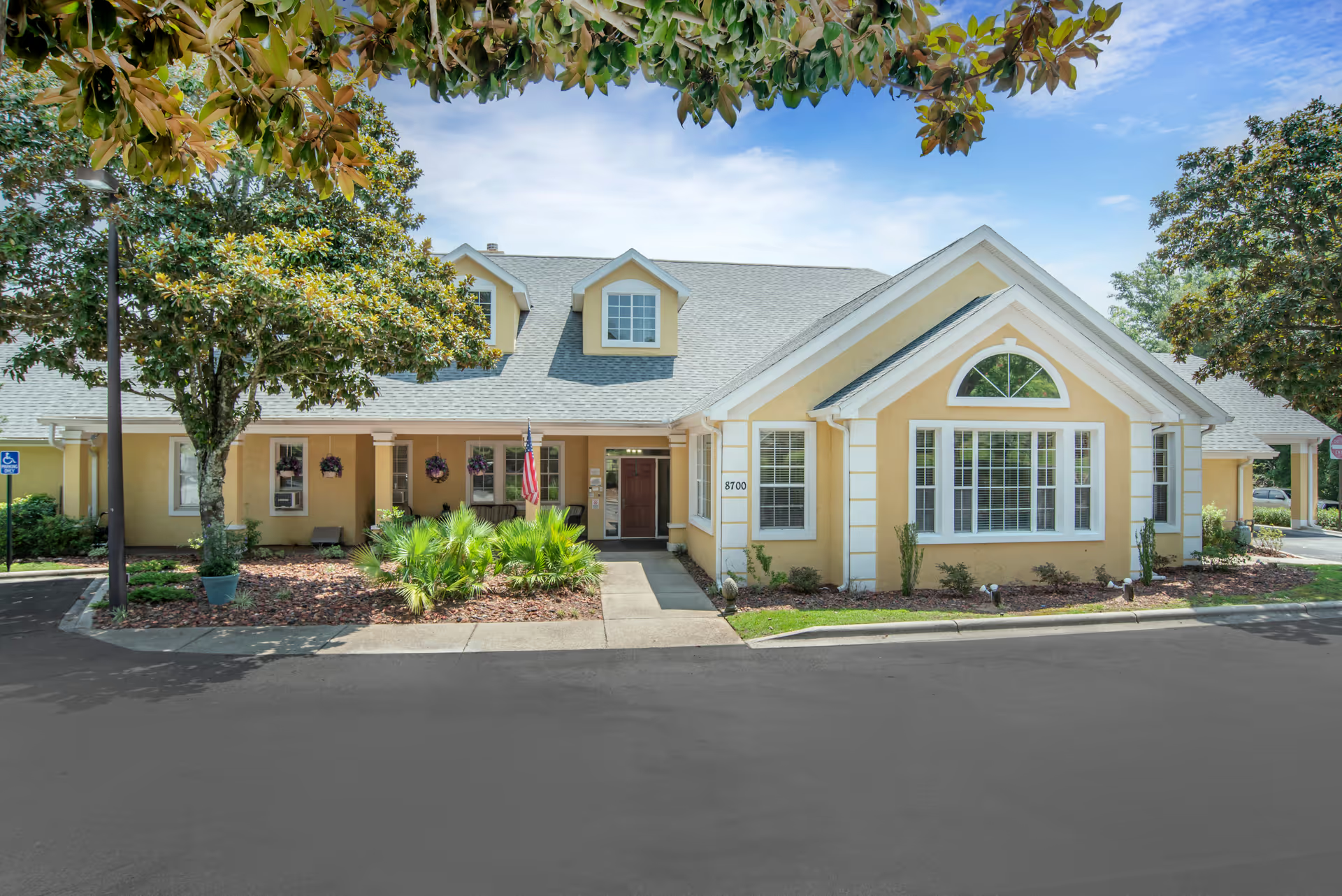
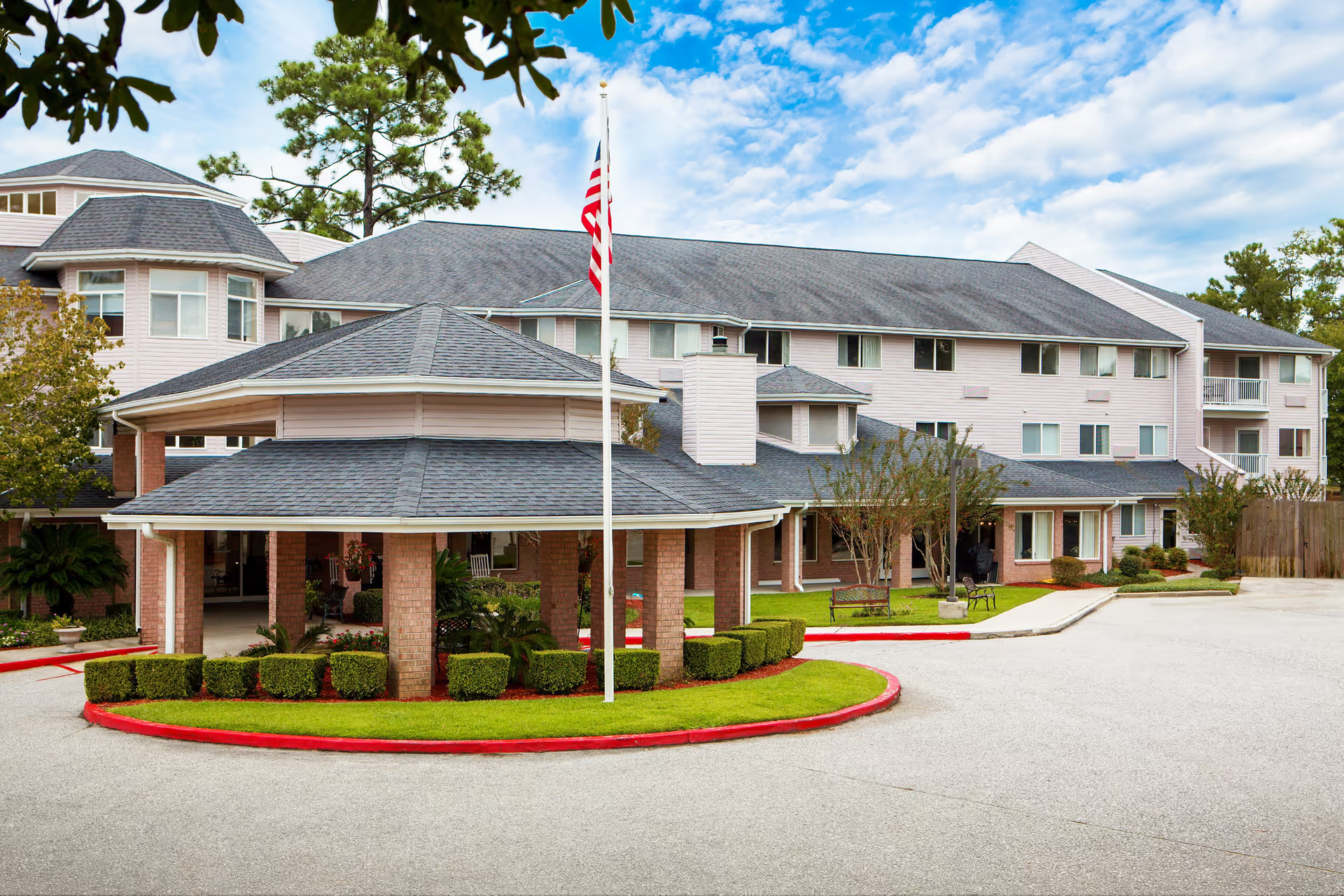
Overall impression is mixed: many reviewers emphasize a warm, family-oriented atmosphere, attractive grounds, and caring staff, while others raise operational and management concerns that affect day-to-day reliability. The facility receives repeated praise for its physical environment and social programming, but critiques about staffing, management decisions, and certain facility operations are recurring themes.
Care quality and staff: Numerous accounts highlight compassionate, attentive caregivers and a close-knit staff culture—some families specifically described staff who treated residents like family and cited improvements in health and mood after placement. The facility appears capable of providing dementia/Alzheimer’s care and individualized attention in many cases. At the same time, reviewers also describe staffing inconsistencies and instances of staff being overworked, which can lead to slower responses and variable day-to-day experience. There are also isolated descriptions of concerns about management conduct and how policy decisions have impacted residents’ autonomy.
Dining and food service: Dining is generally viewed as a strength: menus with dietary options, healthy snacks, and pleasant dining areas are frequently noted, and several reviewers praised specific meals. However, meal quality was described as uneven in some accounts, with culinary staffing turnover cited as a factor in variable food consistency.
Activities and social life: The facility offers a broad range of programming — from exercise classes (yoga, aerobics) to cultural outings and themed social activities (holiday events, community groups like the Dancing Grannies). Reviewers appreciated the active calendar, courtyard gatherings, and accessibility of common activity spaces, which contribute to social engagement and a lively community feel.
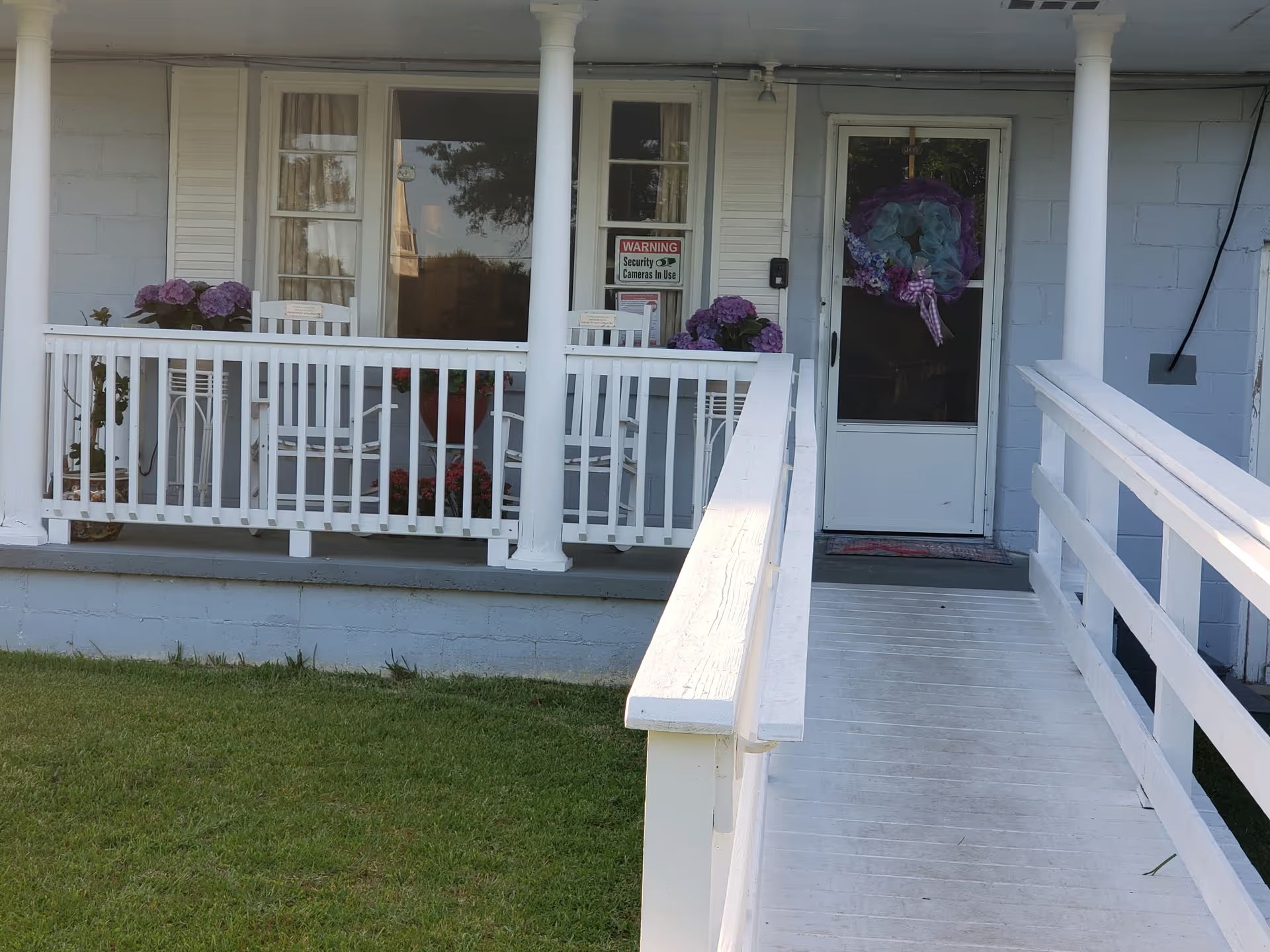
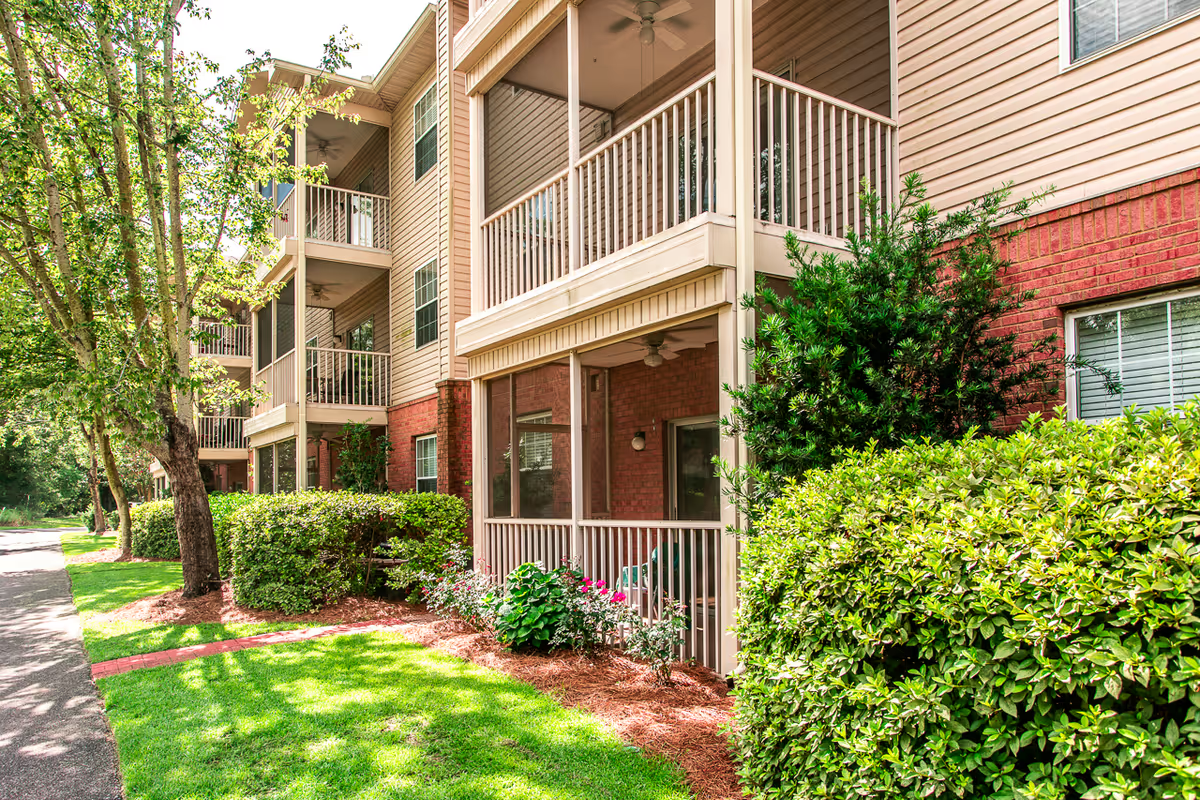
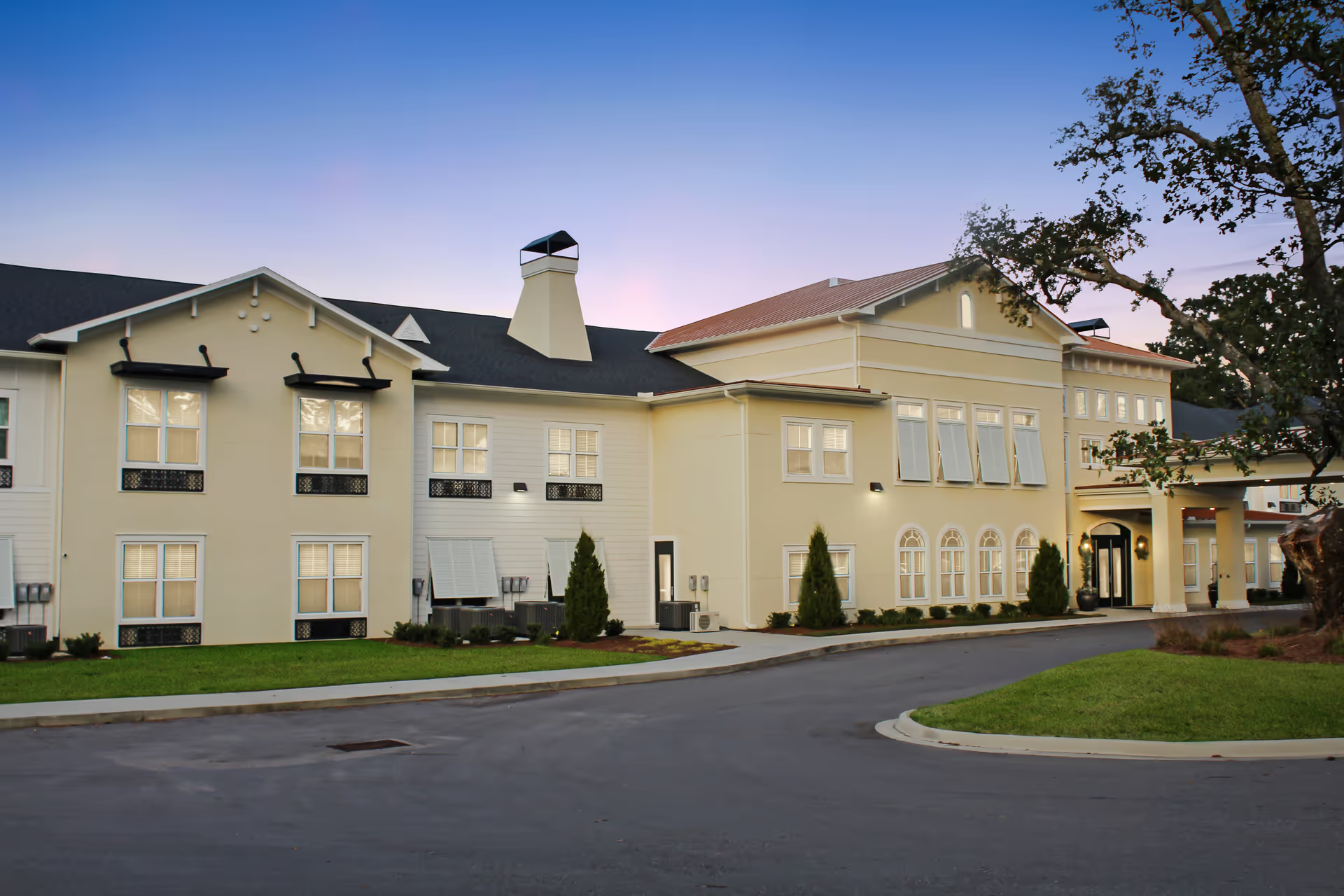
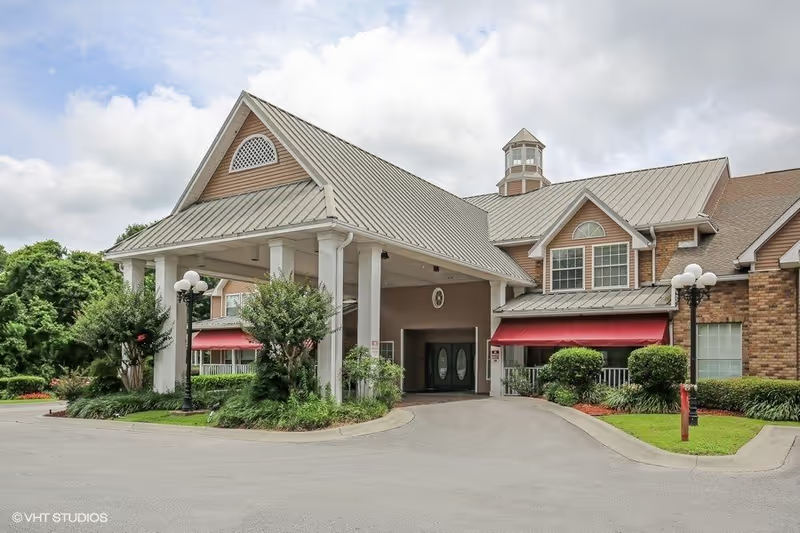
Facilities and operations: The campus and living units are often described as clean, well-kept, bright, and easy to navigate, with private-room options and outdoor areas. Noted operational issues include unreliable transportation logistics (including difficulties with bus services and returns from emergency visits), partial Wi‑Fi coverage, and intermittent maintenance responsiveness (including an unresolved flooding incident described by a reviewer). There are also mentions of sanitation variability and pest-control concerns in some units, which indicate inconsistent implementation of housekeeping or pest-prevention protocols.
Management and communication: The facility’s family-owned, community-oriented culture is appealing to many families, and changes in ownership were described as beneficial by some. Conversely, several accounts criticize management practices—citing owner interference in resident matters, policy disputes over rooming and eligibility, and problematic customer-service interactions (for example, poor handling of phone inquiries). These issues suggest gaps in communication, policy transparency, and complaint resolution processes.
Notable patterns for consideration: Prospective families should weigh the strong social programming, generally compassionate caregiving, and pleasant physical environment against operational inconsistencies that may affect reliability (staffing levels, transport, maintenance, and certain service standards). For families considering placement, it may be useful to ask specific, recent questions about staffing ratios, transportation protocols for emergencies, pest-control and sanitation procedures, Wi‑Fi coverage, and how management handles resident autonomy and family concerns.