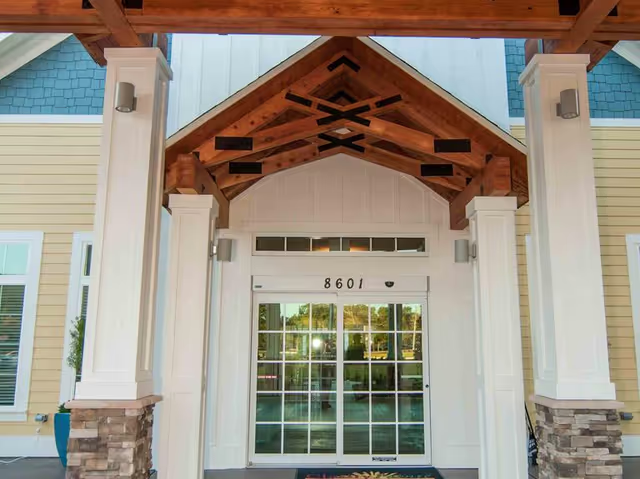
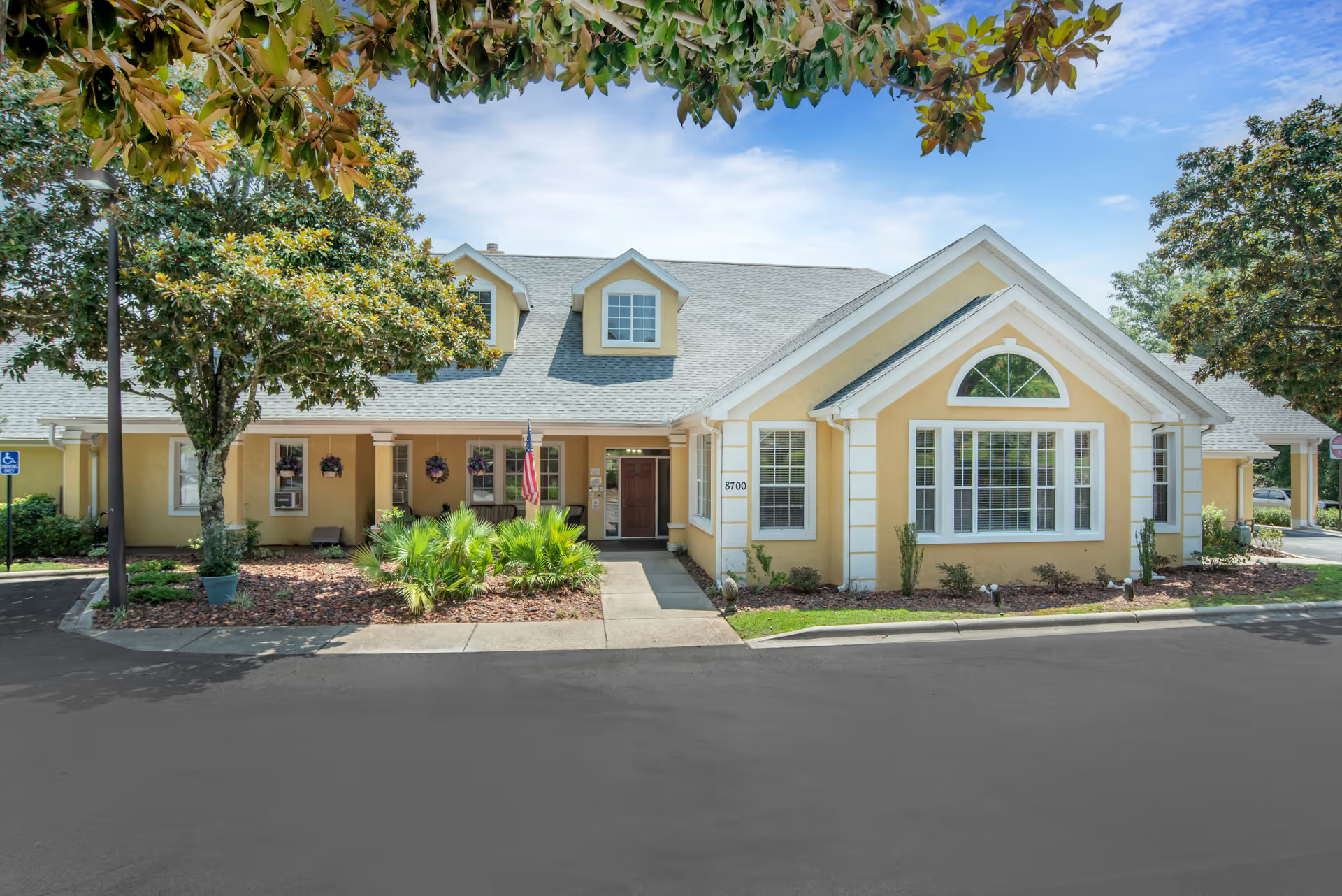
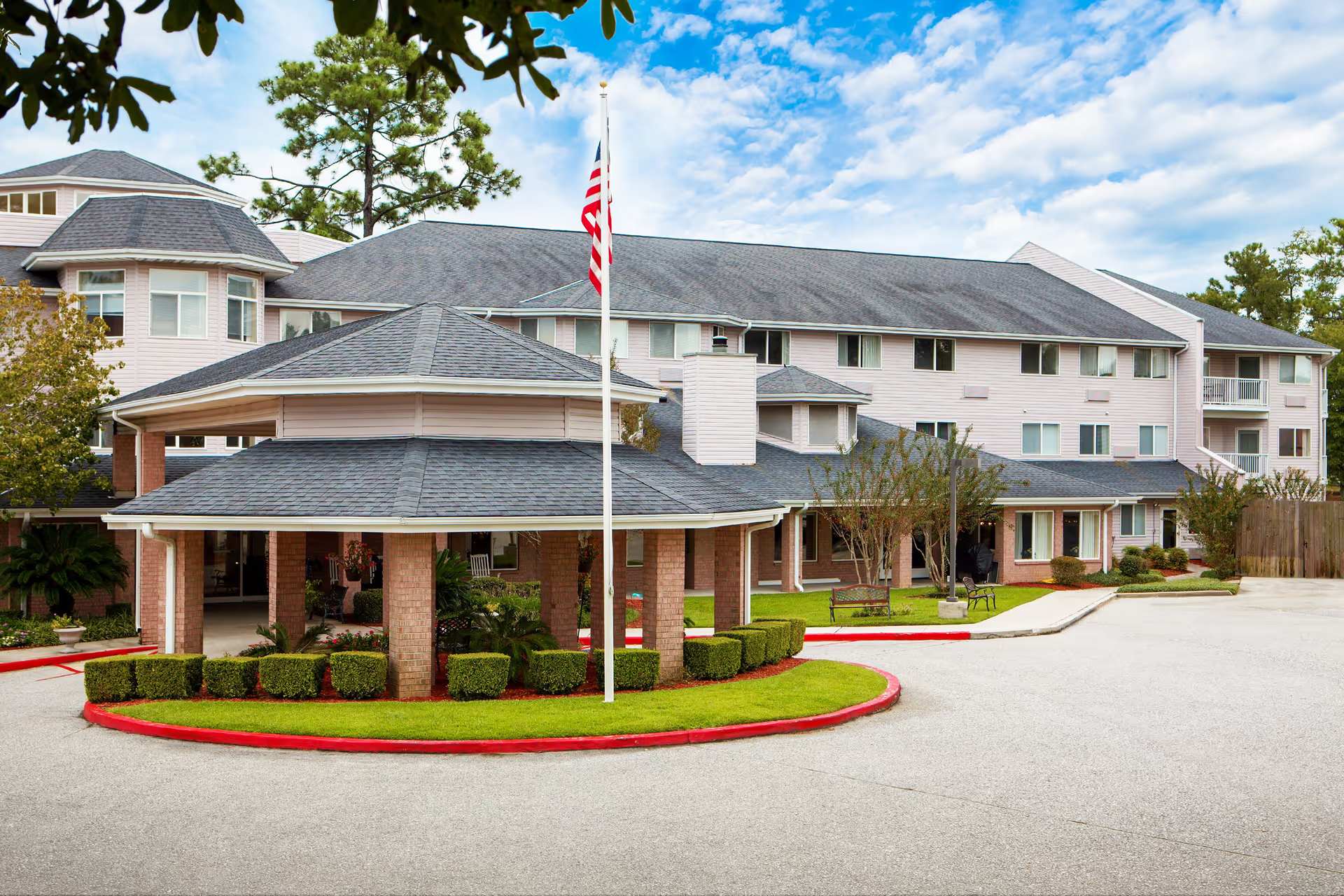
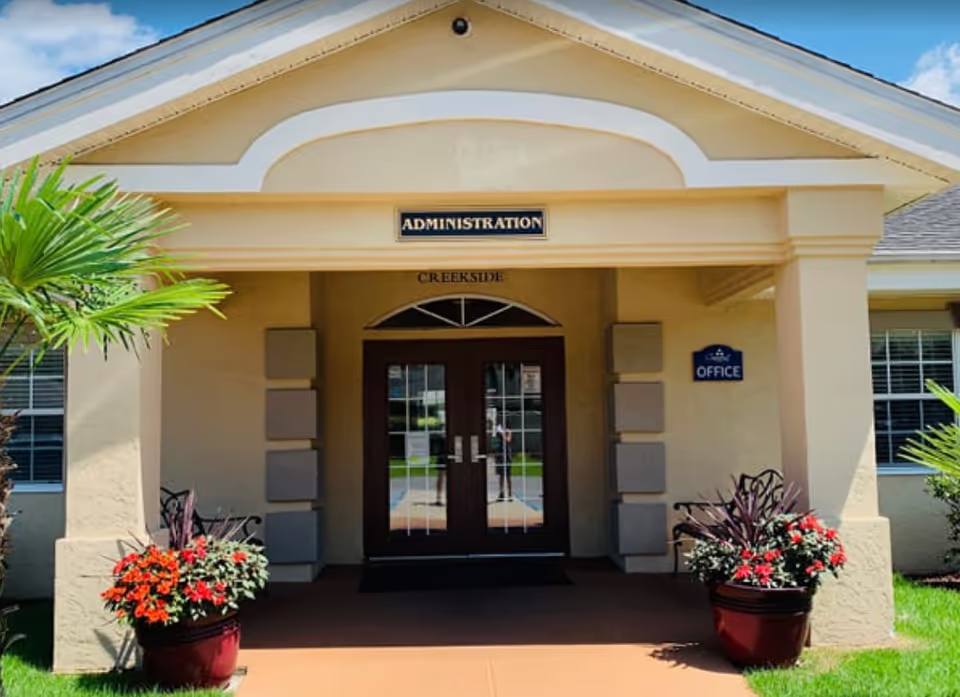
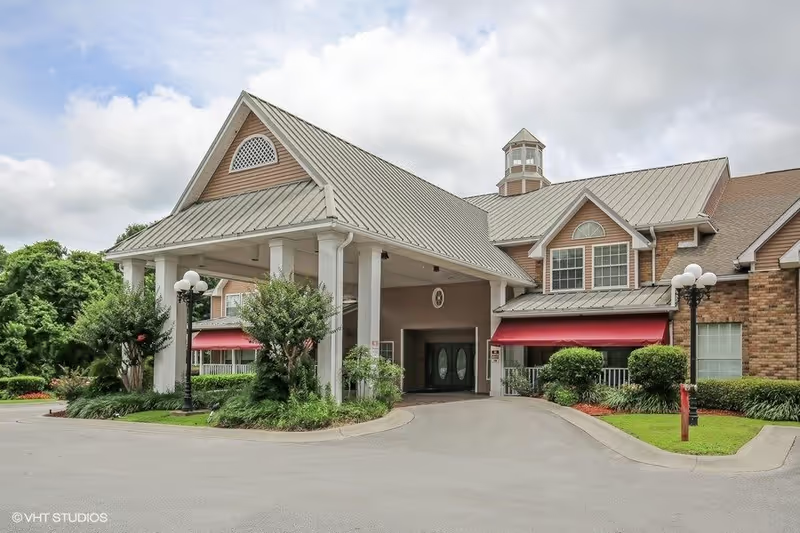
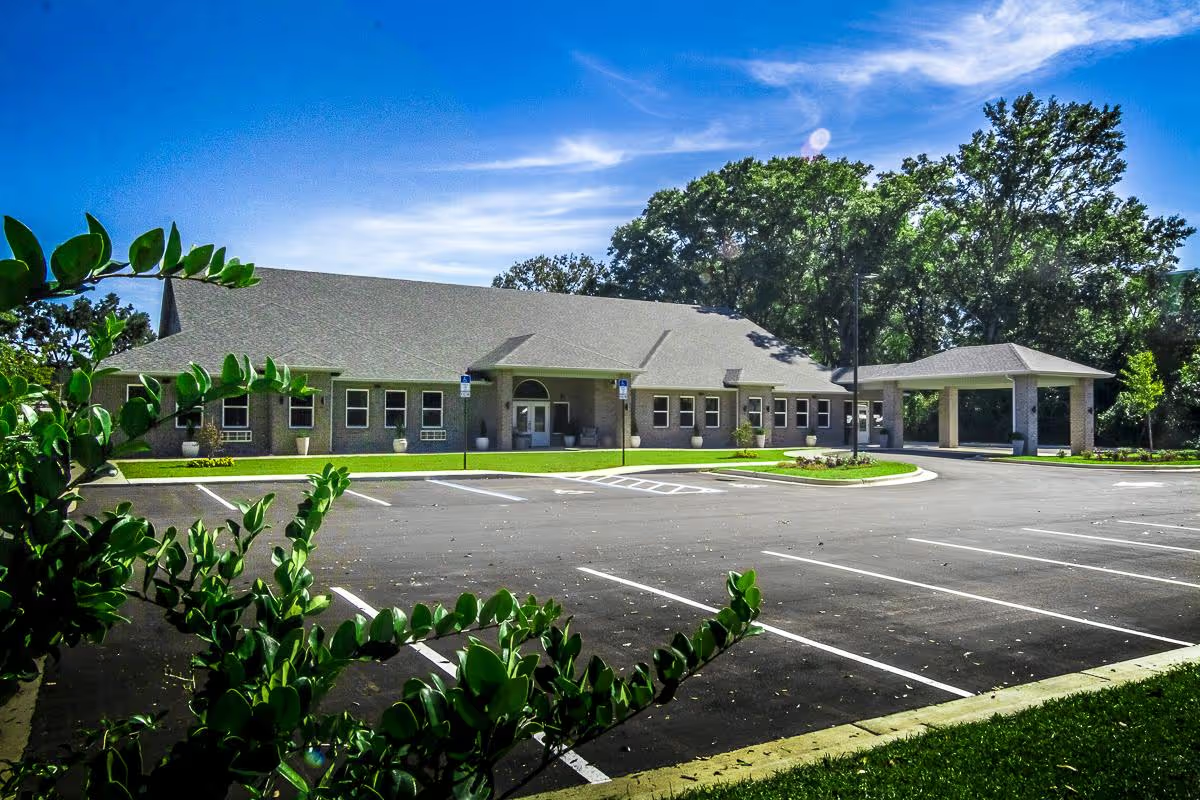
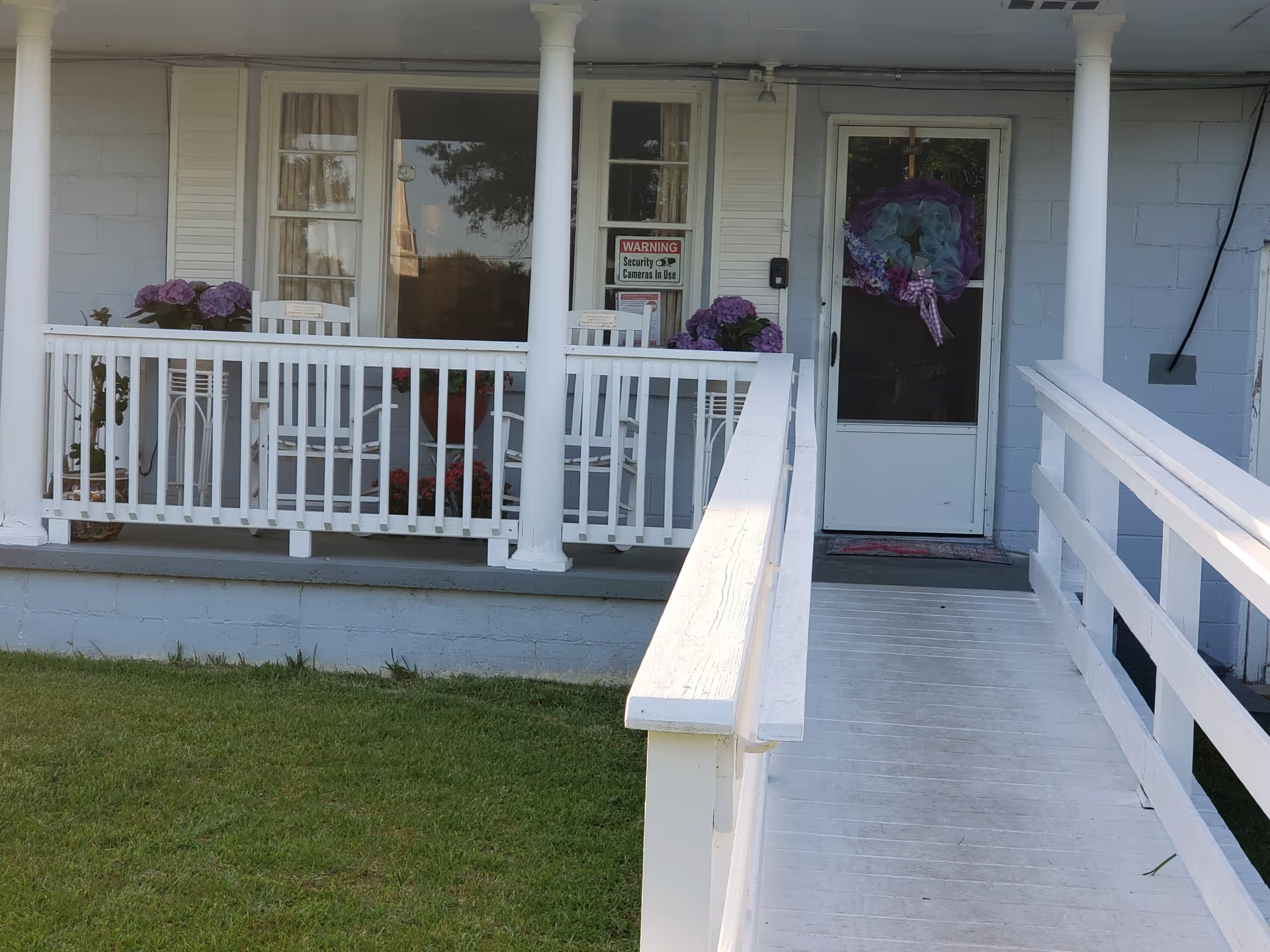
Windermere Memory Care presents a mixed but instructive profile for families considering memory-specific placement. Many reviewers praise the physical environment: a bright, recently updated facility with an apartment-like layout, pleasant outdoor areas, an on-site salon, and a secure campus design. Numerous families describe warm, compassionate caregiving staff who provide personalized attention, know residents by name, and create a family-like culture. Specialized memory-care elements — including safety features for wandering prevention and focused programming — are cited as strengths, and several families expressed satisfaction with transition support and administrative assistance during move-in.
At the same time, a consistent theme across the feedback is operational strain tied to staffing. Understaffing and turnover are repeatedly linked to lapses in basic care processes: inconsistent bathing and linen changes, delays in incontinence care, and uneven housekeeping and laundry practices. Reviewers describe gaps in clinical coverage (for example, intermittent primary care or physician assistant availability), medication-administration inconsistencies, and inconsistent wound- or post-hospital care follow-up. These clinical and staffing gaps have, in some cases, coincided with emergency transfers and family concern about monitoring and response.
Dining and activities receive mixed evaluations. Some families report appealing meals, dining spaces, and regular group activities including exercise sessions, while others note limited menu variety, inconsistent meal freshness, and a lack of proactive activities leadership. Several reviewers suggested the facility would benefit from a dedicated activities director and a registered dietitian or nutritionist to standardize menus and mealtime engagement. Front-desk responsiveness and after-hours phone access are also identified as areas needing improvement.
Management and communication present a bifurcated picture. Multiple accounts praise engaged administrators and hands-on ownership that facilitate good family communication and smooth transitions. Conversely, other families describe slow or insufficient responses to incidents, inconsistent follow-through on promised roommate changes or care plans, and weak incident-notification practices. There are also isolated, serious allegations concerning resident safety and outcomes; these have been raised with facility leadership and merit careful inquiry during any tour or pre-admission discussion.
In summary, Windermere offers many attributes families seek in memory-care — a modern, secure, home-like environment and staff who can provide warm, personalized attention. Prospective residents and families should balance those strengths against recurring operational concerns, particularly staffing levels, laundry and sanitation controls, clinical coverage, and consistency of activities and dining. When evaluating Windermere, visitors may find it helpful to ask specifically about current staff-to-resident ratios, clinical coverage (nursing and medical provider availability), laundry and infection-control protocols, the activity program and its leadership, and the facility’s incident-reporting and family-notification procedures.