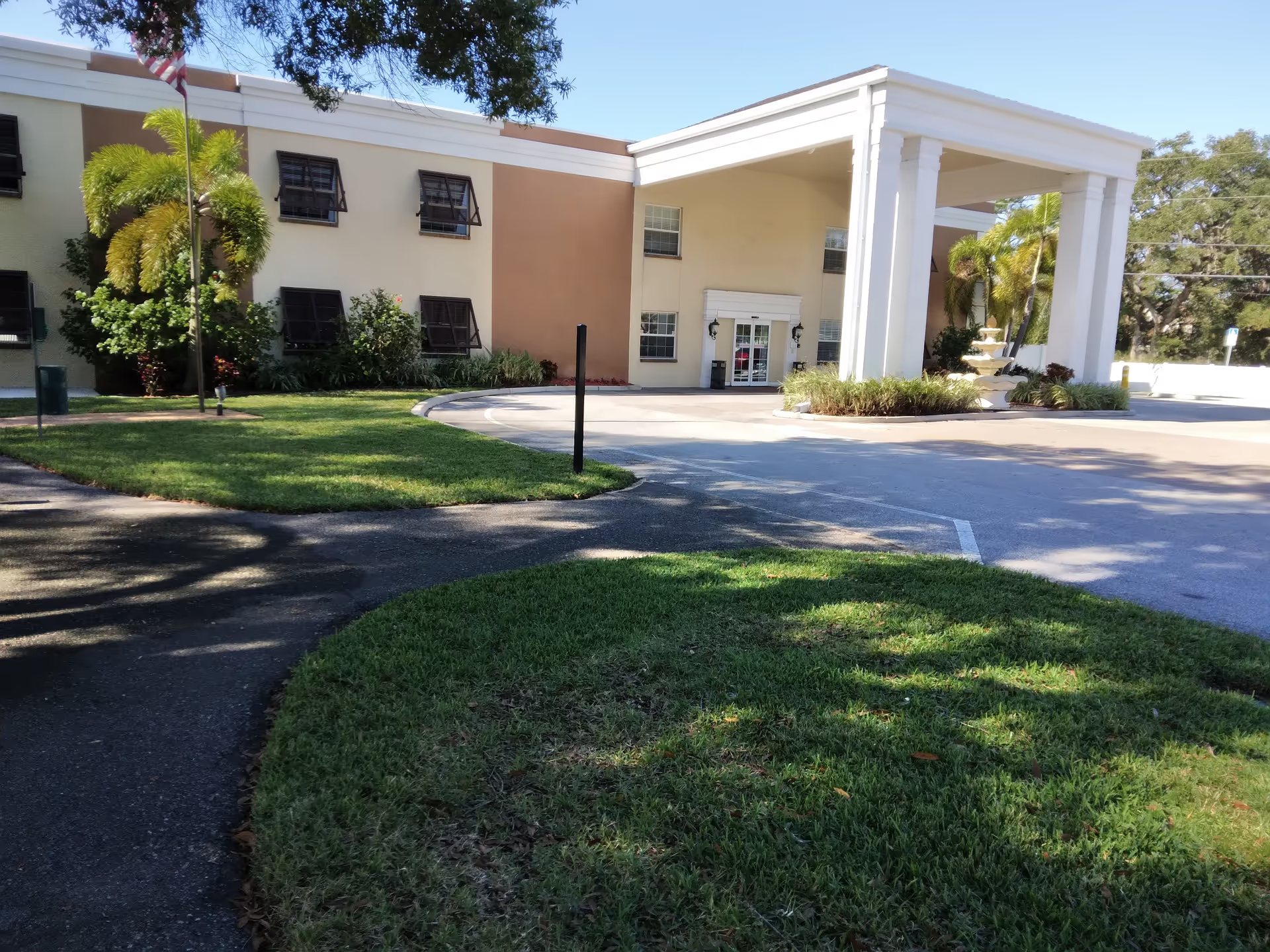
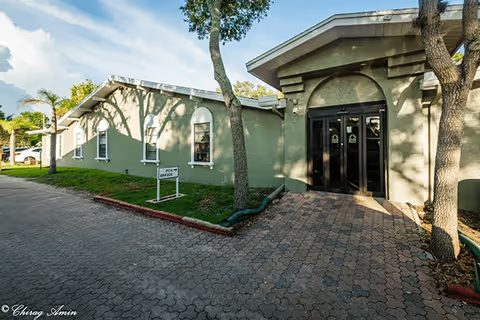
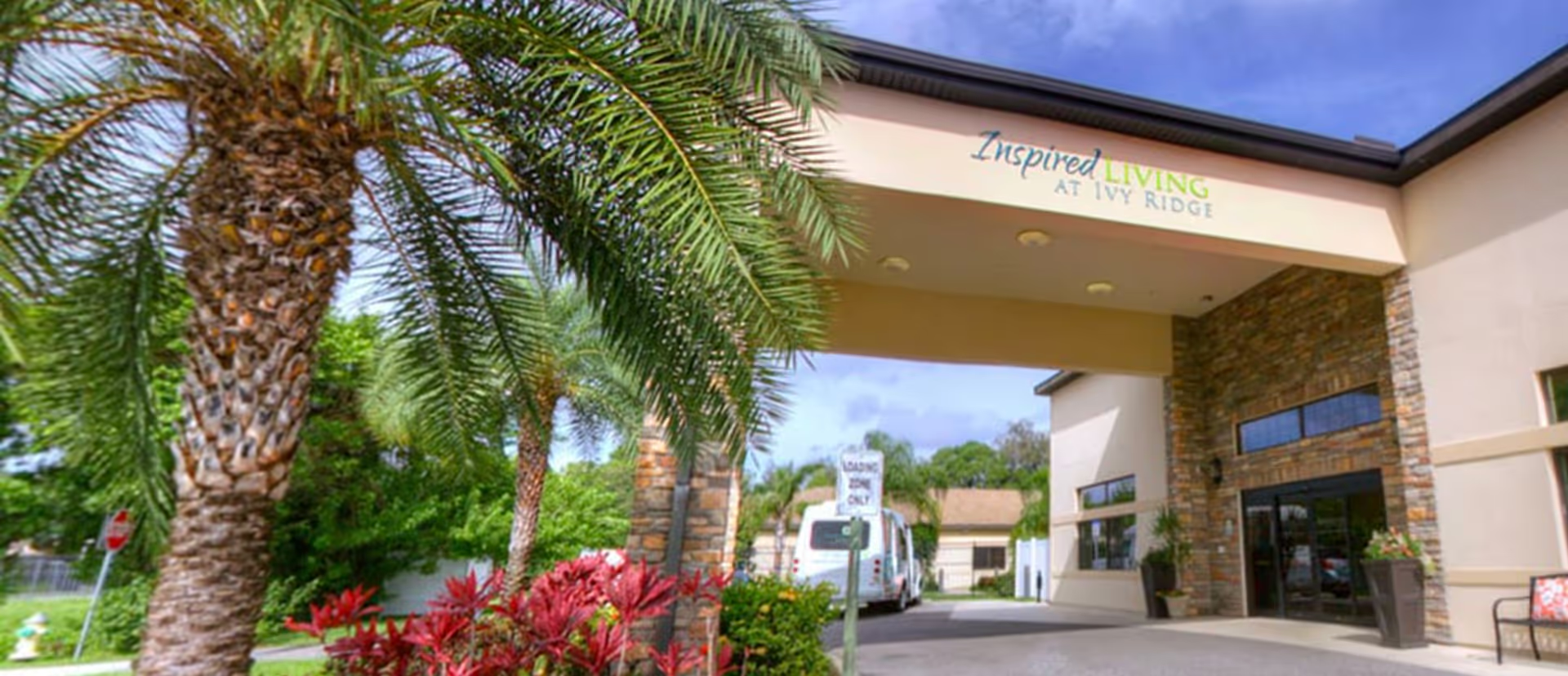
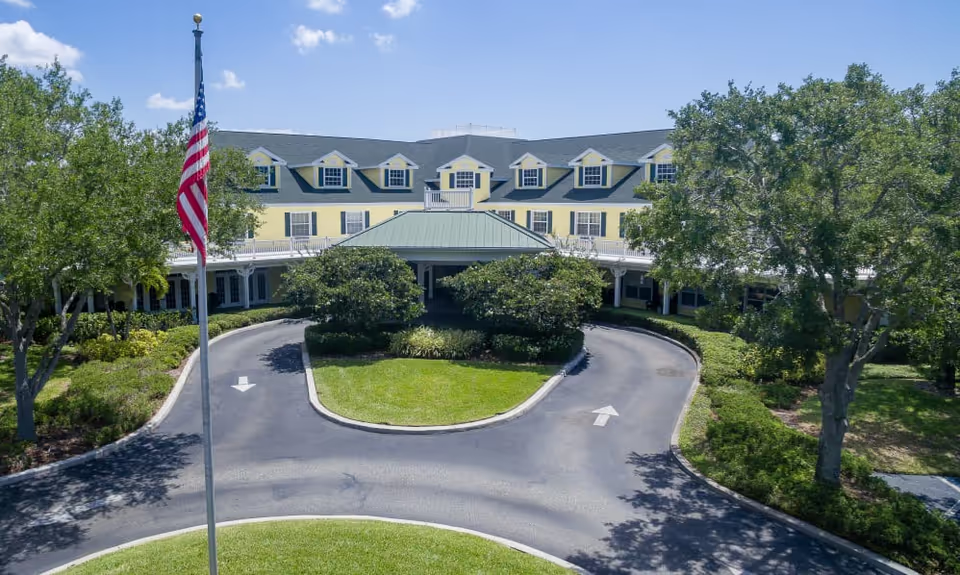
The reviews describe a facility with marked variability: many families and patients praise the rehabilitation program, several therapists, and a subset of nursing and CNA staff for producing clear functional improvements and providing compassionate day-to-day care. Positive comments cluster around the physical-therapy department, admissions ease of entry, clean public spaces, active social programming (for example, organized outings and games), and individual staff members who communicate well and coordinate post-discharge services.
Counterbalancing those positives are recurring operational weaknesses. A frequent theme is inconsistent staffing levels and responsiveness — reviewers commonly cite longer response times and reduced supervision on weekends and nights, which correlates with delayed assistance for toileting, bathing, dressing, and mobility. Associated with this are concerns about medication administration and monitoring, including delayed pain control and questions about medication practices used to manage agitation or mobility.
Dining and nutrition receive mixed feedback: some families note supportive special-diet handling and adequate meal service, while others describe meals that do not match menus, limited nutritional variety, and inconsistent diabetes or dietary management. Housekeeping and infection-control issues are another recurring pattern; several reviews reference sanitation and pest-control concerns, inconsistent linen and laundry handling, and lapses in wound-care follow-up that require attention.
Management and communication emerge as a third area of variability. Positive experiences often identify proactive social workers and admissions staff who provide clear updates and coordinated care plans. Conversely, other families describe poor follow-through on discharge planning, missing or misplaced personal items, difficulty reaching nursing leadership, and uneven administrative responsiveness. A number of comments also indicate regulatory or compliance-related events that have affected family confidence.
For prospective residents and their families: the facility can offer strong rehabilitation outcomes and several staff who deliver attentive, personalized care, but the experience appears highly dependent on timing, assigned staff, and unit oversight. When evaluating placement, consider asking about weekend and night staffing ratios, wound- and diabetes-care protocols, infection-control practices and pest-control schedules, medication administration policies (including monitoring and incident reporting), property-handling procedures, and the facility’s typical communication pathway for family updates and discharge planning. A tour that includes conversations with therapy leaders, nursing leadership, and the social-work team can help clarify how consistent the positive elements are likely to be for a specific placement.