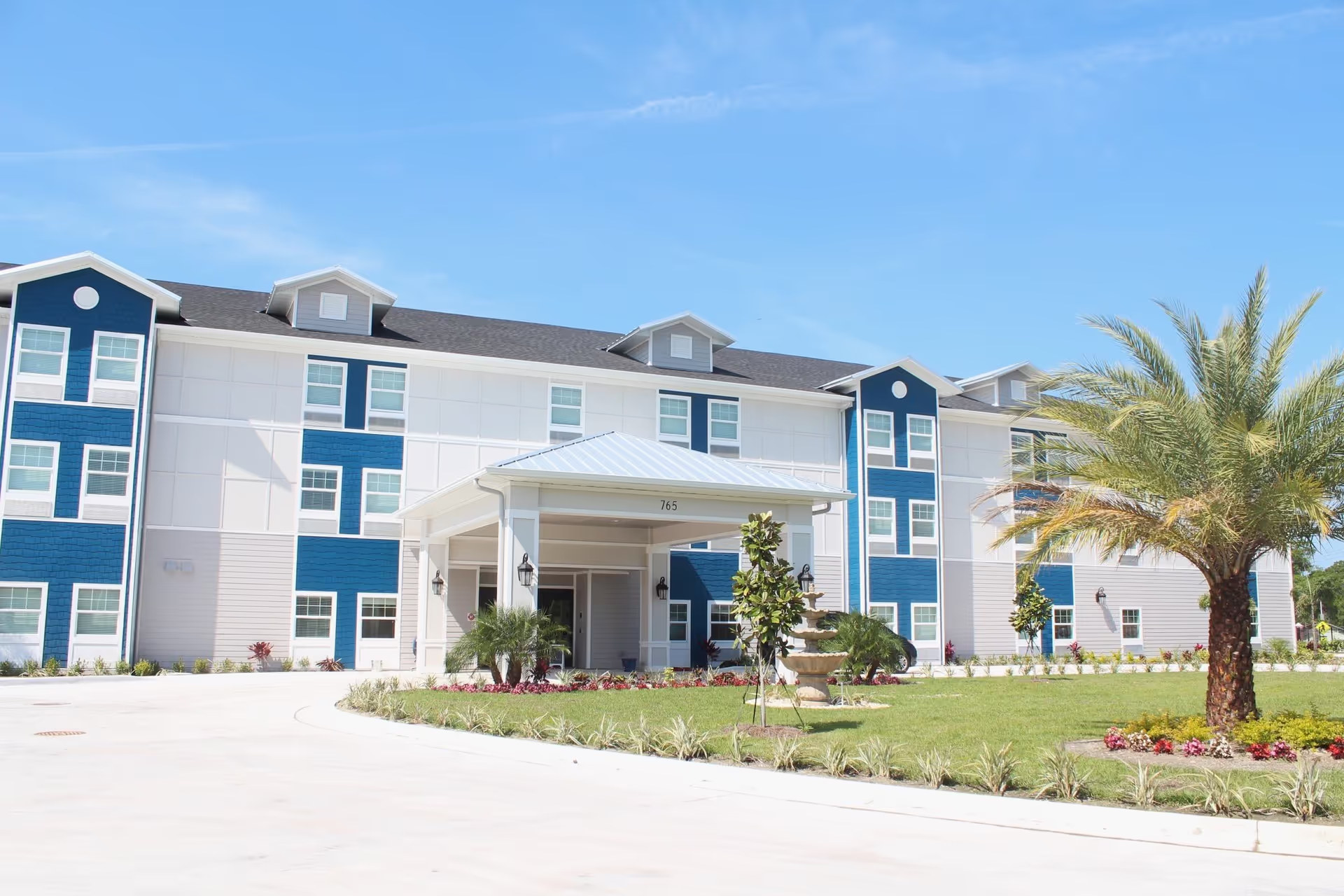
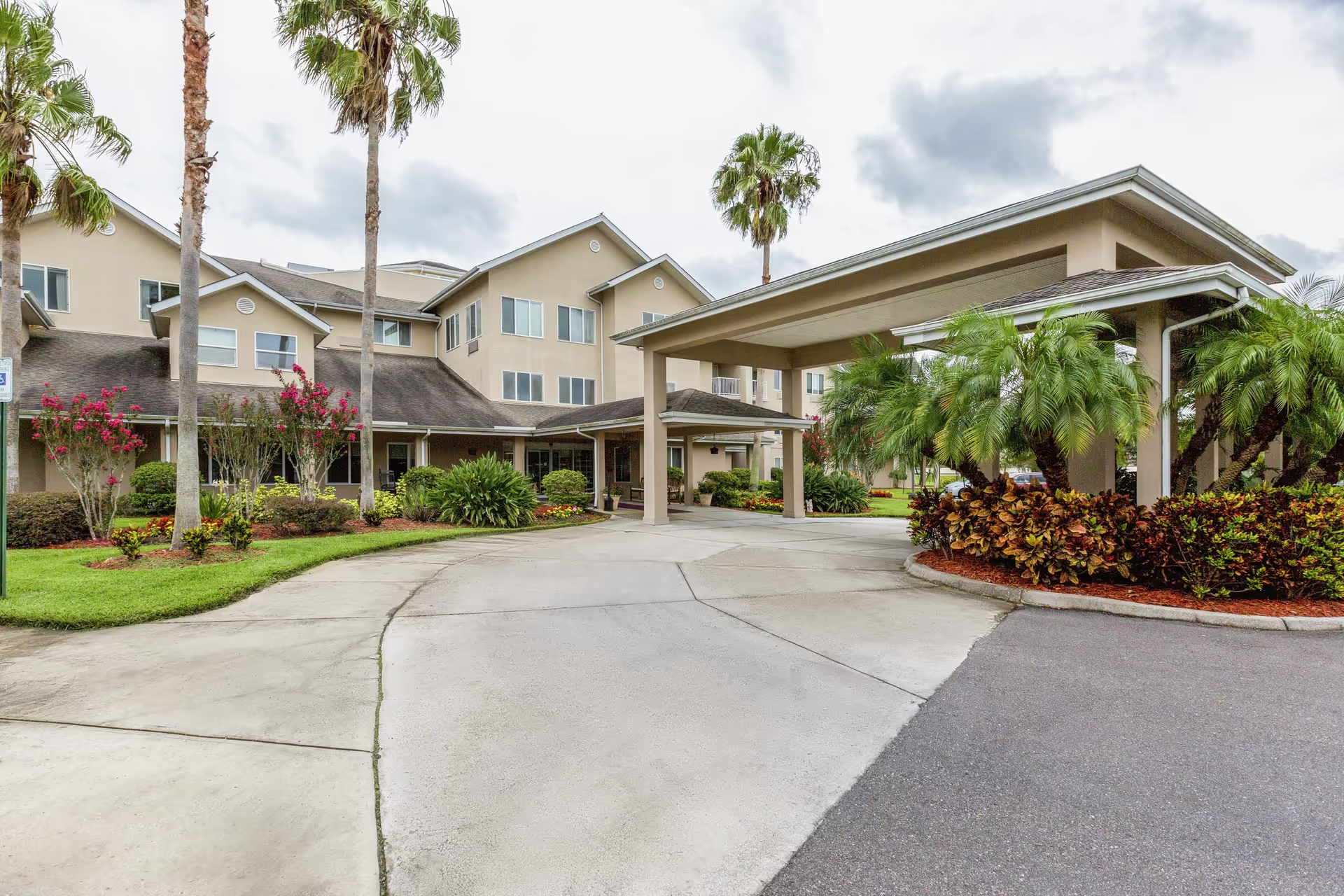
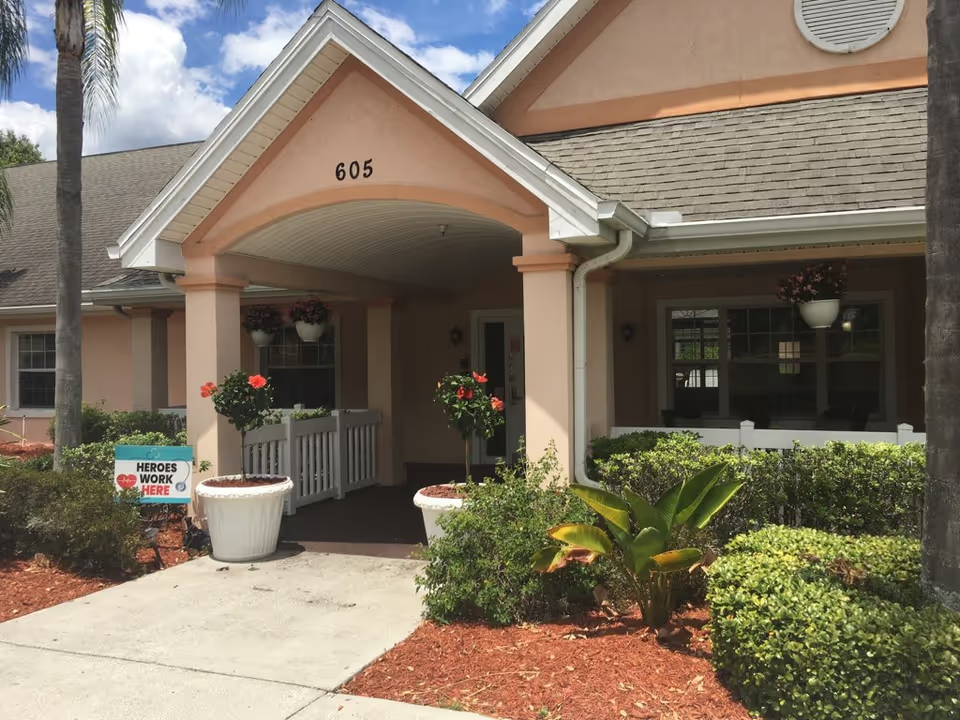
Coventry Assisted Living is described by many families as a small, converted-home facility with a consistently home-like, family-oriented feel. Positive accounts emphasize hands-on ownership, attentive caregiving, and a clean, welcoming environment. The small census is frequently cited as an advantage: staff are able to provide personalized attention, maintain medication records, and arrange on-site clinician visits, which contributes to peace of mind for many families. The facility’s common areas — including a porch/deck and homestyle dining spaces — reinforce a domestic atmosphere rather than an institutional one.
Staff quality and direct care are the strongest recurring positives. Numerous family members describe compassionate, responsive caregivers who assist with grooming, medical treatments, and daily needs; several accounts note daily communication with families and thoughtful observance of birthdays and holidays. Medication administration and documentation are routinely described as organized, and on-site nurse practitioner or physician visits are perceived as helpful for continuity of care. At the same time, there are recurring concerns about inconsistent care thoroughness and variability in staff interpersonal skills. Some families felt the facility struggled when a resident’s care needs increased, and there are indications that the home’s clinical capacity may be limited for higher-acuity residents.
Dining and programming receive mixed feedback. Many reviewers praise homemade meals and attentive meal staff, as well as occasional special events and family-involved celebrations. Activities such as bingo, singing, games, and walks are common and contribute to social engagement. However, others describe limited menu variety and inconsistent meal quality at times, and several note reliance on small-scale or packaged snacks during off-hours. Activity programming is generally resident-focused but modest in scope; because of the facility’s small size, there are fewer organized off-site outings and a lighter activity schedule compared with larger communities.
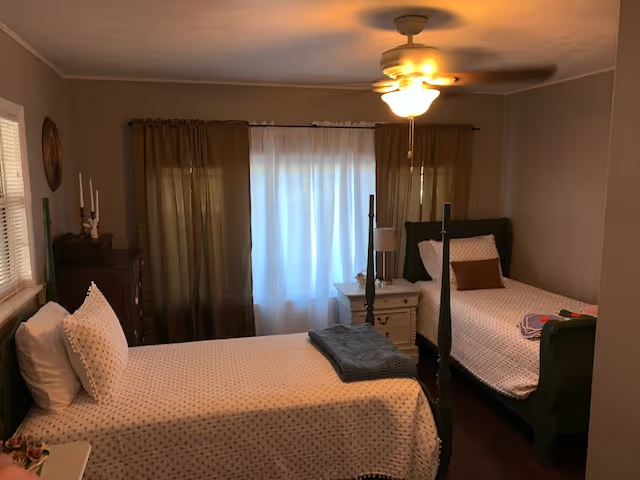
Facility layout and safety patterns reflect the converted-home model. Reviewers commonly describe the building as kept up, clean, and homey, with private rooms and pleasant common spaces. That model does impose constraints: bedrooms are sometimes small, and the physical layout can limit program space and clinical infrastructure. There are also operational concerns tied to safety practices — specifically, the need for clearer entry monitoring and wandering-prevention protocols. These are presented as systemic operational gaps rather than single incidents, and families considering placement should verify the facility’s current procedures for supervision, visitor control, and care transitions.
Management and value impressions are mixed. Many families praise the owners’ direct involvement, prompt responsiveness, and personal touch; others express concerns about staffing capacity and whether the facility can meet higher or rapidly changing care needs without transferring residents. A recurring theme is that Coventry can be an excellent fit for residents who need personalized, low-to-moderate assistance within a homelike setting, but less suitable for those requiring frequent skilled nursing interventions or intensive medical oversight.
Recommendations for prospective families: tour during a mealtime and an activity period, ask about staff-to-resident ratios and on-call clinical coverage, inquire specifically about wandering-prevention and entry-monitoring procedures, review recent medication-administration records and care-plan examples, and clarify how higher-acuity needs are handled (transfer protocols, hospice and advanced-care arrangements). These steps will help determine whether the facility’s home-style strengths align with a particular resident’s clinical and social needs.