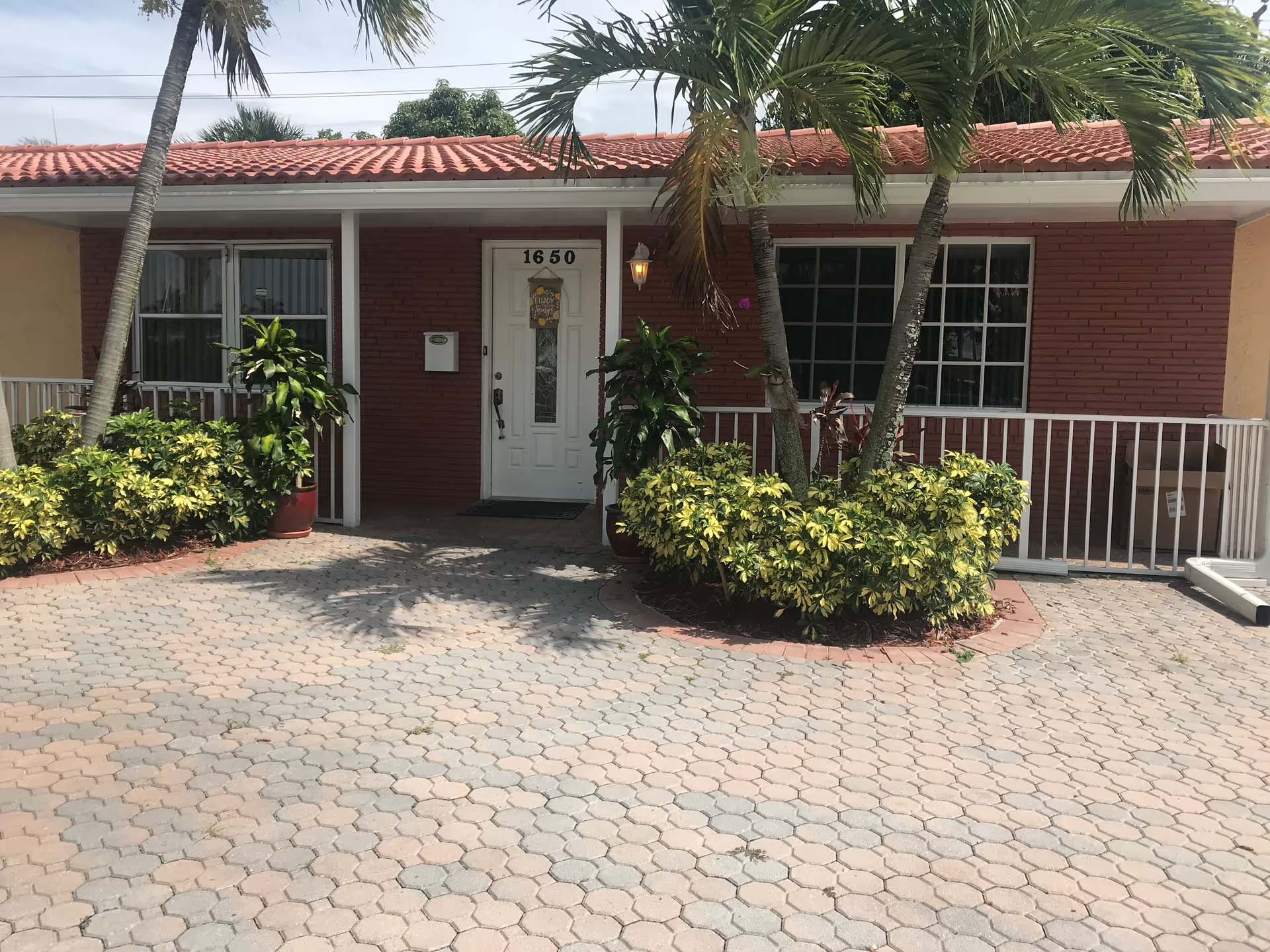
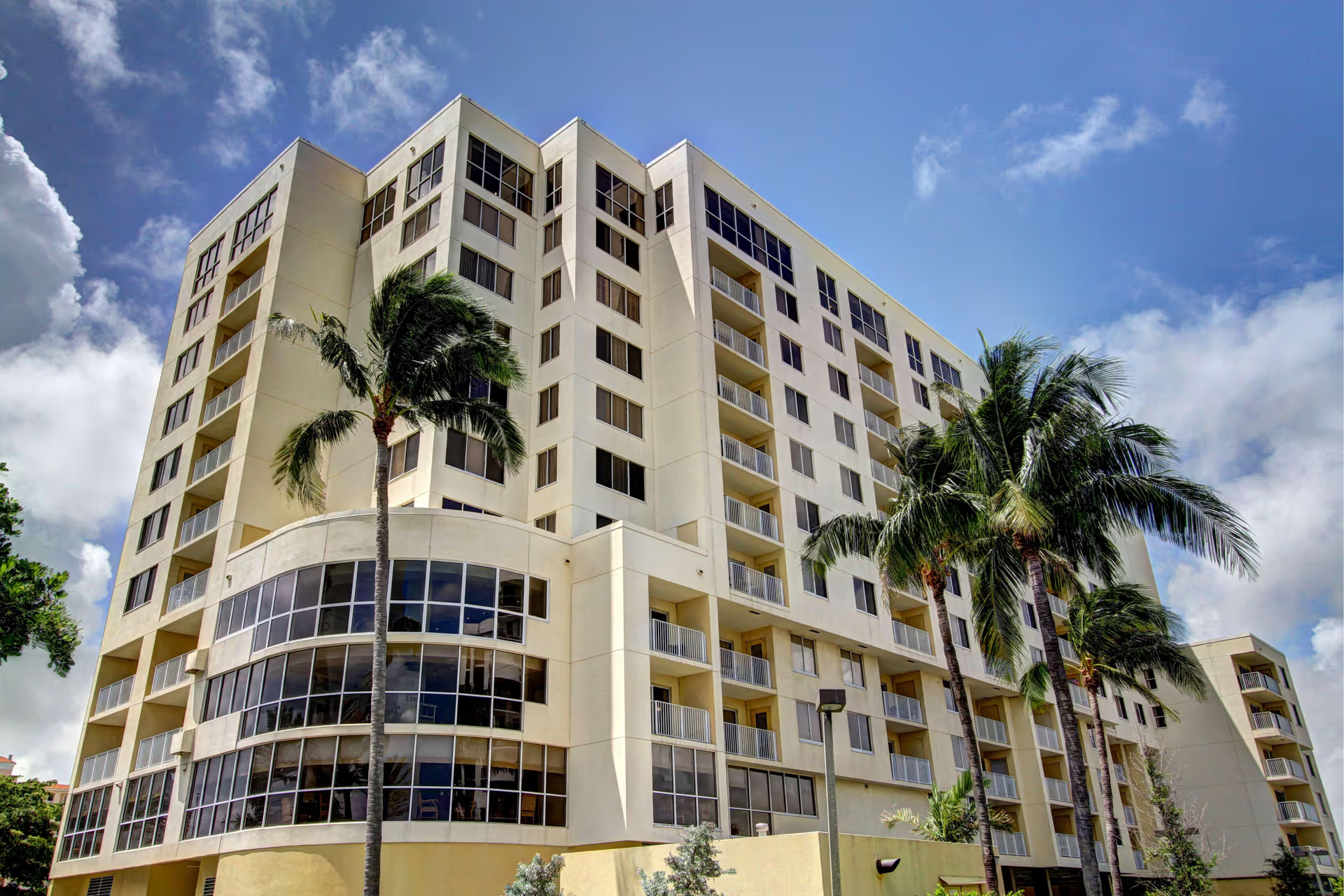
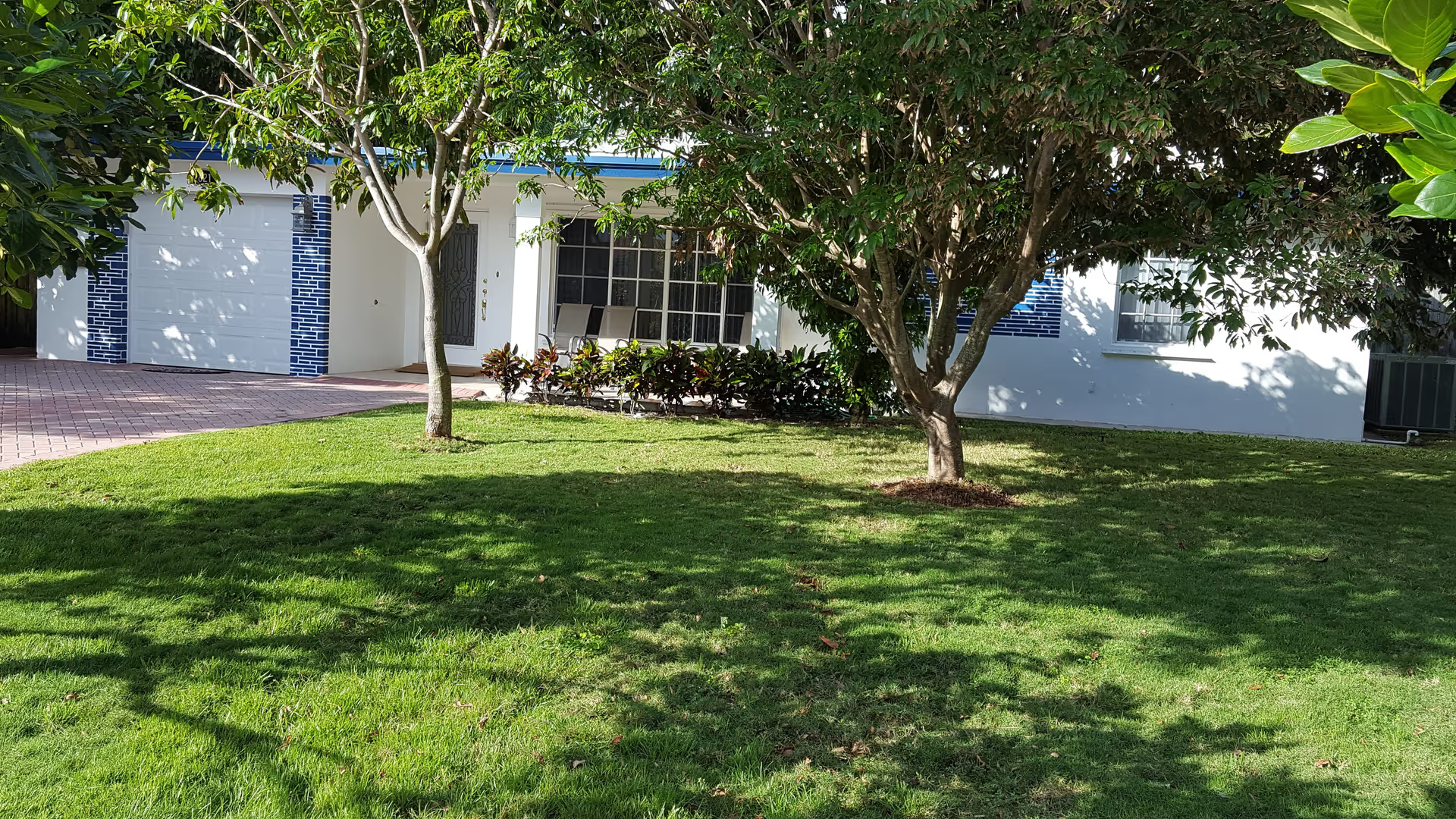
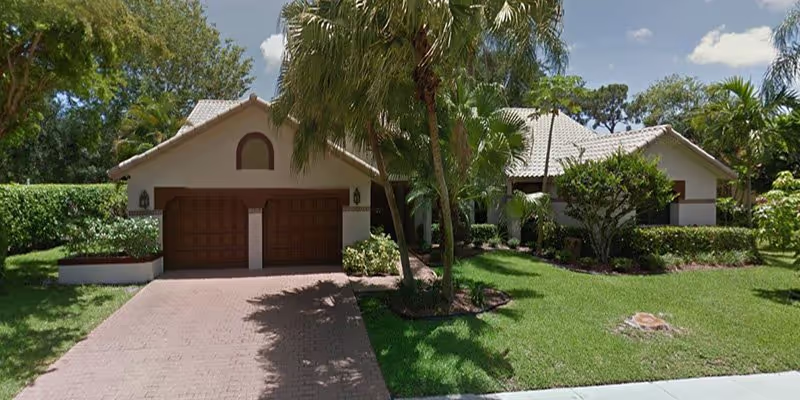
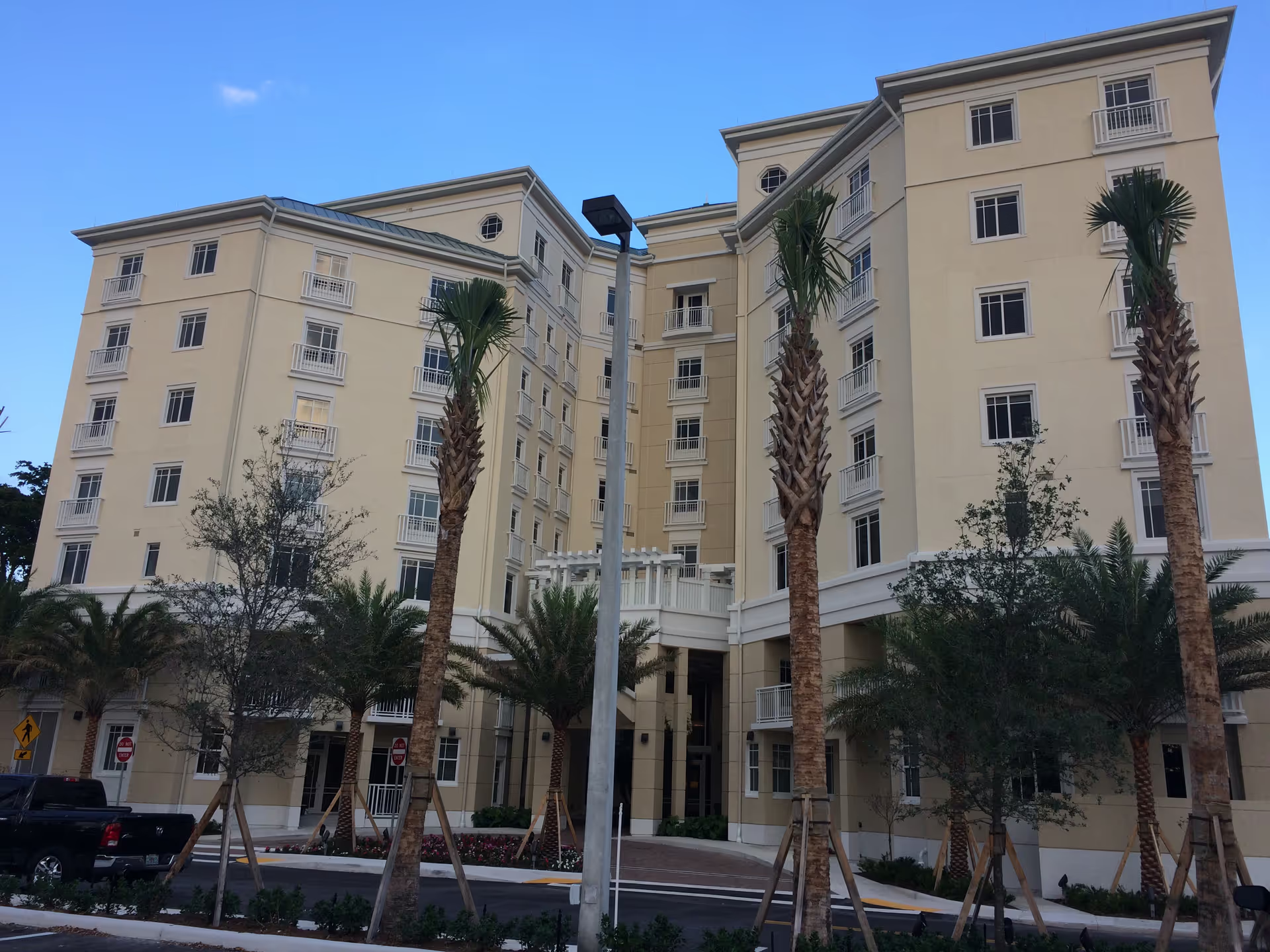
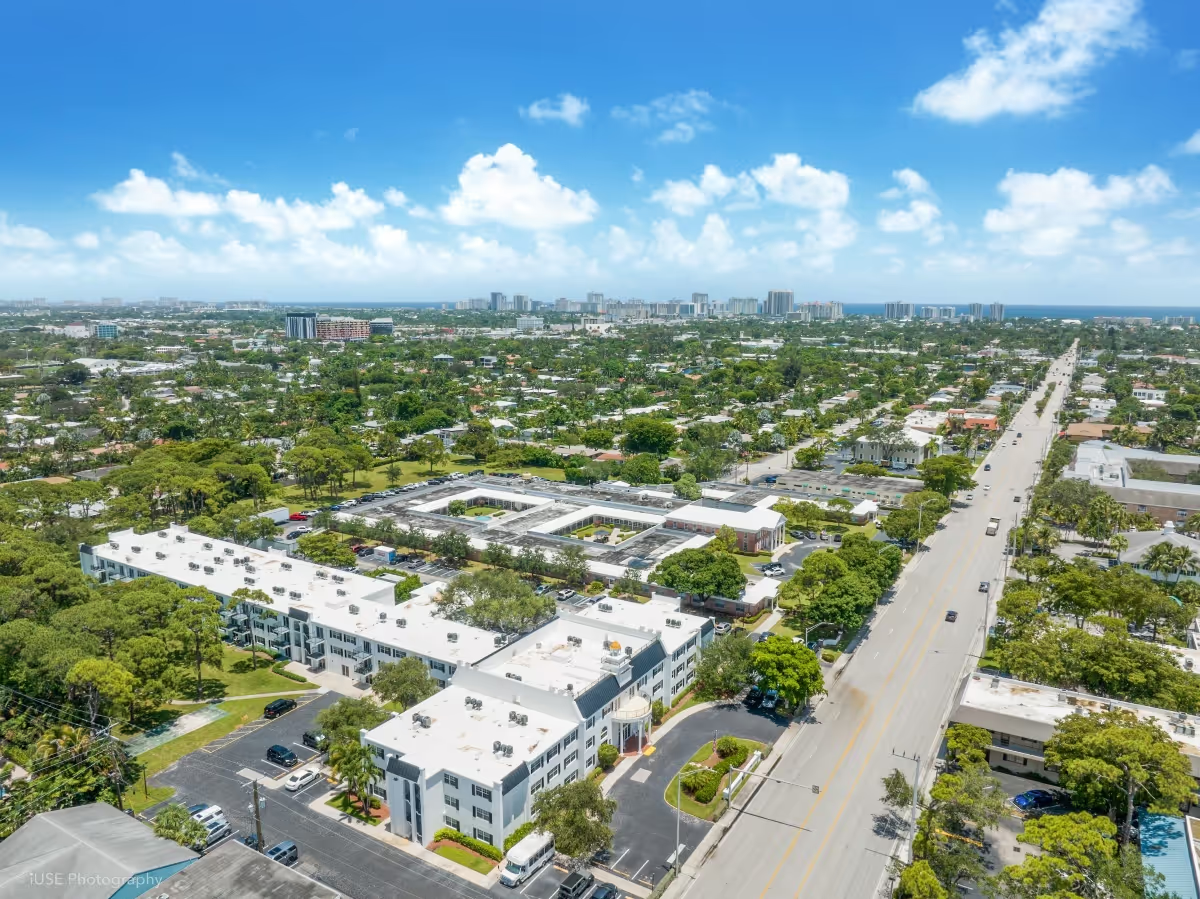
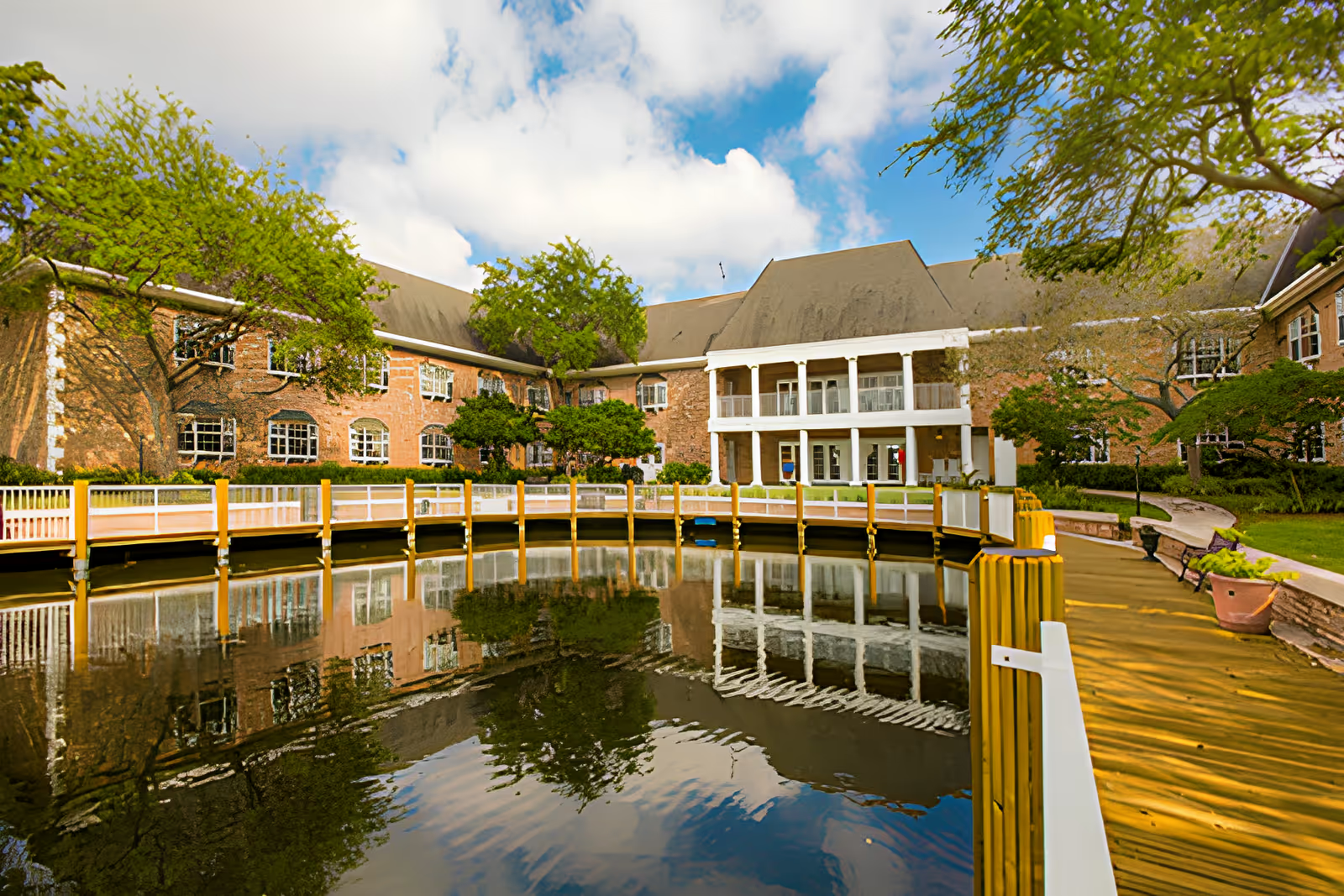
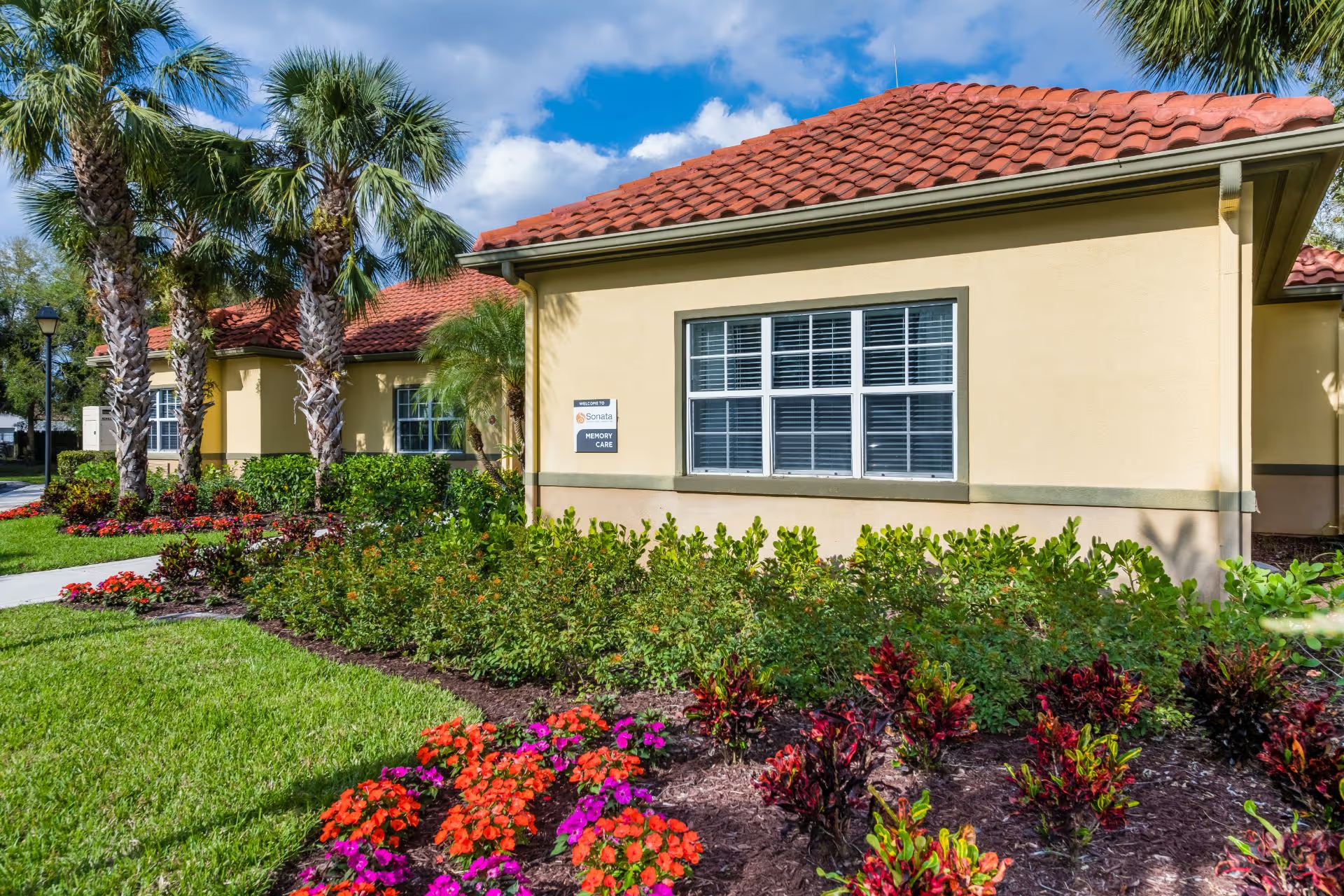
John Knox Village appears as a large, resort-style senior campus with many enduring strengths: extensive landscaping, lakes and gardens, a broad continuum of care (independent living through hospice), multiple dining venues, plentiful activities, and on-site medical and therapy services. Many comments praise the campus amenities — pools, performing arts venues, fitness facilities, libraries, and frequent programming — and several accounts highlight a strong sense of community, long-tenured residents, and well-maintained common areas and newer units.
Care and staffing descriptions are mixed. Numerous reviewers commend individual caregivers, therapists, and nurses for attentive support and strong rehabilitation outcomes in short-term episodes. At the same time a consistent theme is insufficient direct-care staffing levels and aides who are overwhelmed; this manifests as delayed or inconsistent assistance with bathing, feeding, mobility support, and supervision. Those planning a move should expect variability in day-to-day assistance and may need to budget for private aide support if higher-touch care is required. There are also recurring references to clinical variability across units, including concerns about medication handling and safety-related practices; prospective families should ask for current staffing ratios, clinical oversight protocols, and incident histories.
Facility operations and maintenance show both positives and gaps. The grounds and many interiors are maintained to a high standard, but reviewers also describe sanitation concerns in specific care areas, unresolved humidity and mold-related issues in some villas, odor concerns, and slow or incomplete follow-up on maintenance requests. Housekeeping frequency and thoroughness was reported as inconsistent in places. These infrastructure and cleanliness matters have been linked to allergy and respiratory concerns for some residents, so confirmation of HVAC maintenance, humidity control, and pest/sanitation protocols is advisable during a tour.
Dining and activities are frequently cited as highlights: flexible menus, cooking demonstrations, multiple eating venues, and an active events calendar contribute to a lively resident experience. Conversely, some reviewers noted inconsistent food quality, cafeteria-style offerings in parts of the campus, and inconvenient dining layouts that affect accessibility for residents who need closer or smaller dining settings.
Management, cost, and governance present additional patterns to weigh. The community operates with relatively high entry fees — including non-refundable deposits — and above-average monthly charges; several reviewers felt the financial terms were burdensome relative to the service received. There are repeated concerns about management responsiveness, follow-through on promises, and record-keeping for resident requests. A few more serious governance concerns were raised by reviewers; prospective residents and families should review contract terms, the dispute-resolution process, and any available incident or regulatory records. If specific clinical-incident claims are material to decision-making, request documentation and ask how such events were handled and remediated.
Bottom line: John Knox Village offers a broad, amenity-rich campus and many examples of high-quality services and engaged community life. However, reviewers also identify operational weaknesses that can affect care experience — chiefly staffing adequacy, sanitation and air-quality controls, maintenance responsiveness, and management follow-through — and the community carries a substantial financial commitment. Visitors should tour multiple levels of care, meet clinical leadership, inspect ventilation and cleanliness in units, inquire about staffing ratios and housekeeping schedules, and review contractual provisions before deciding.