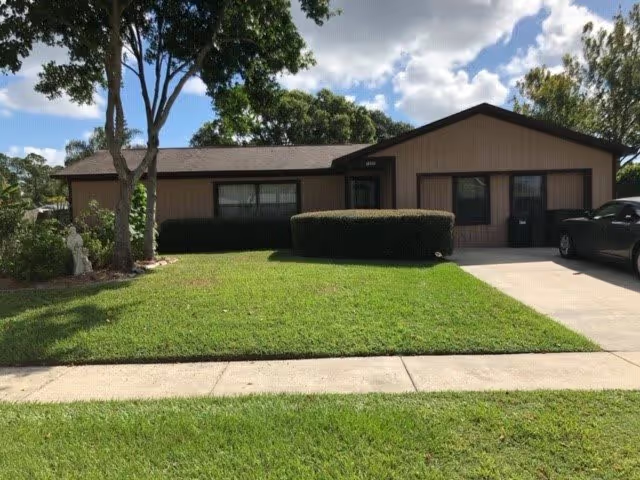
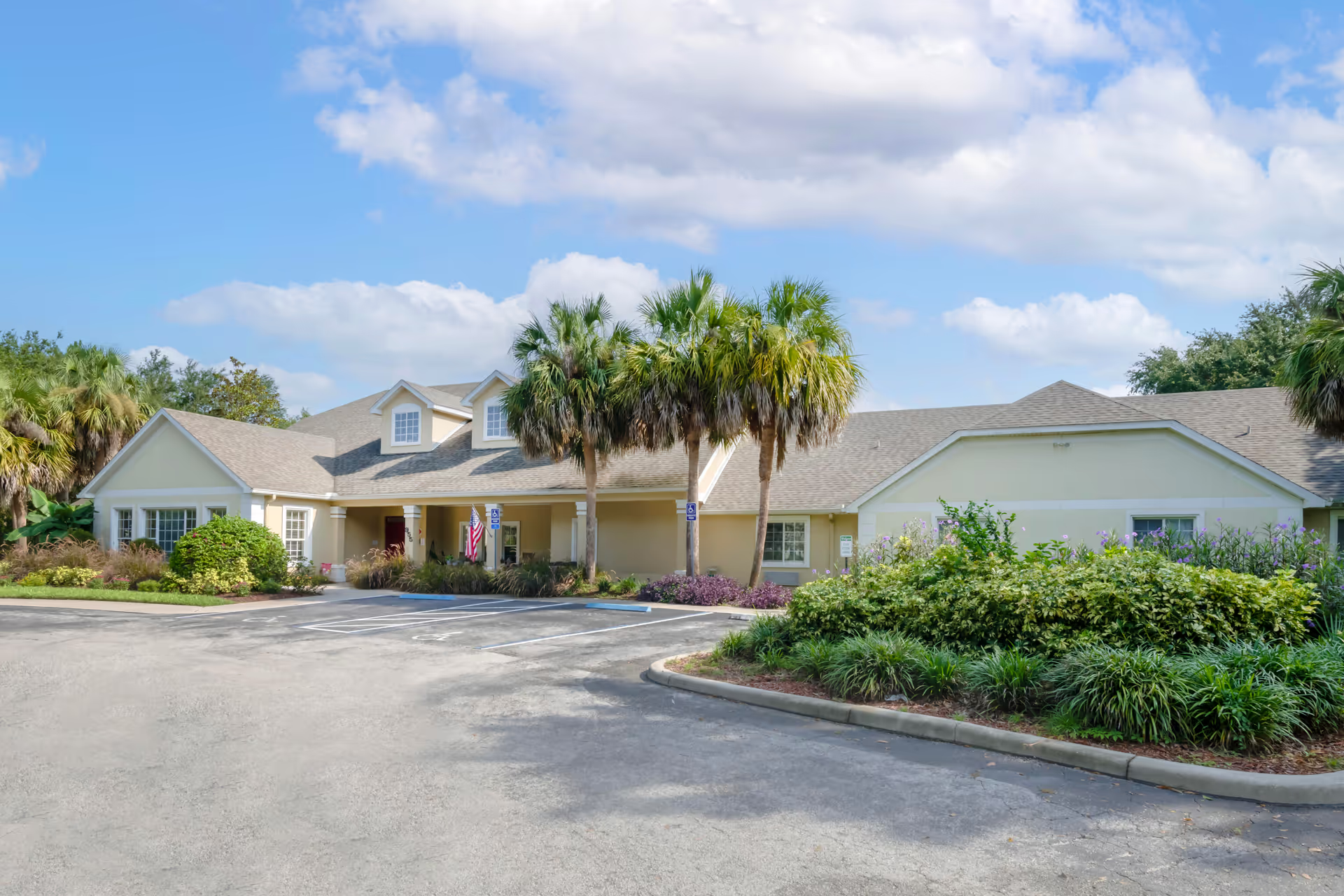
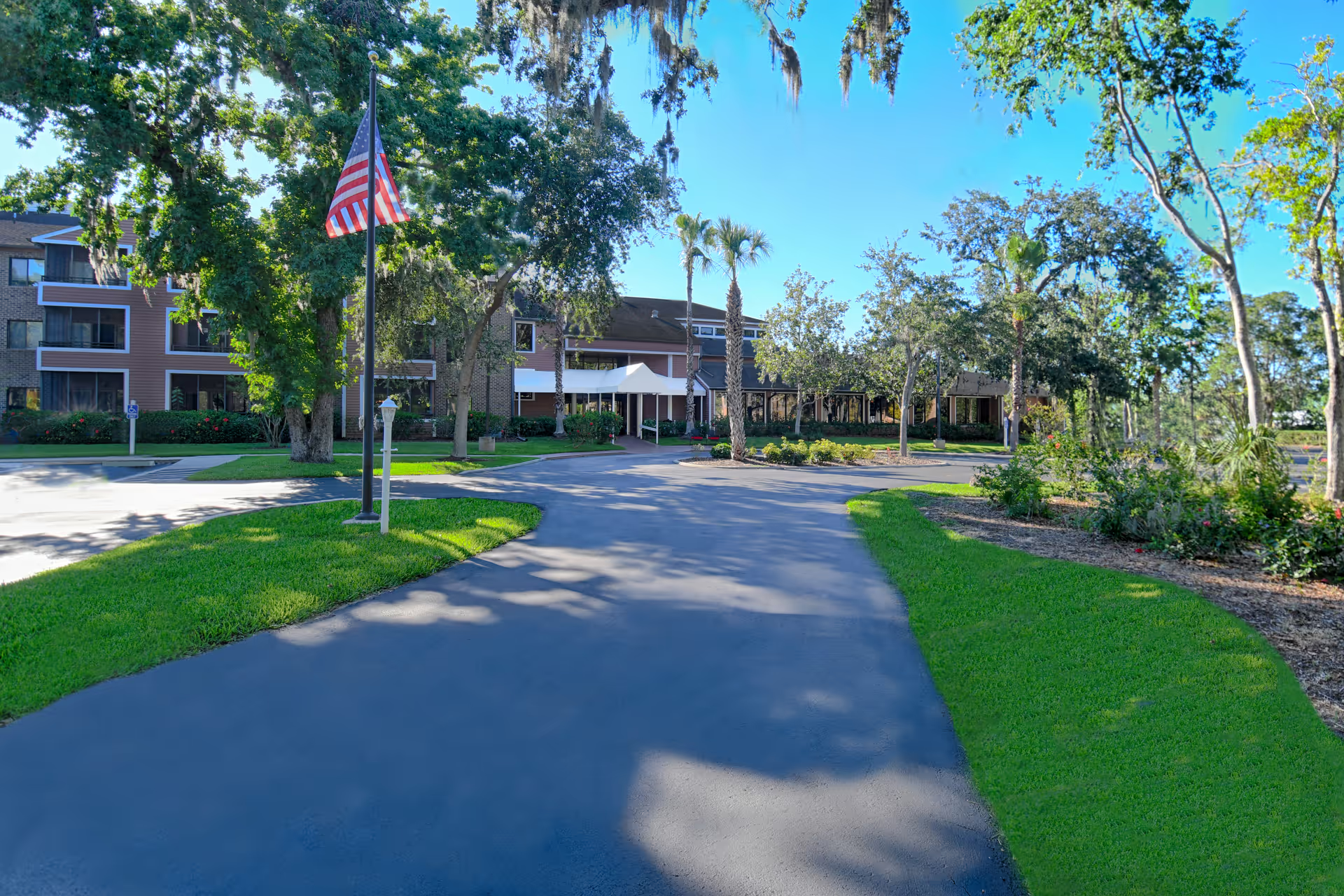
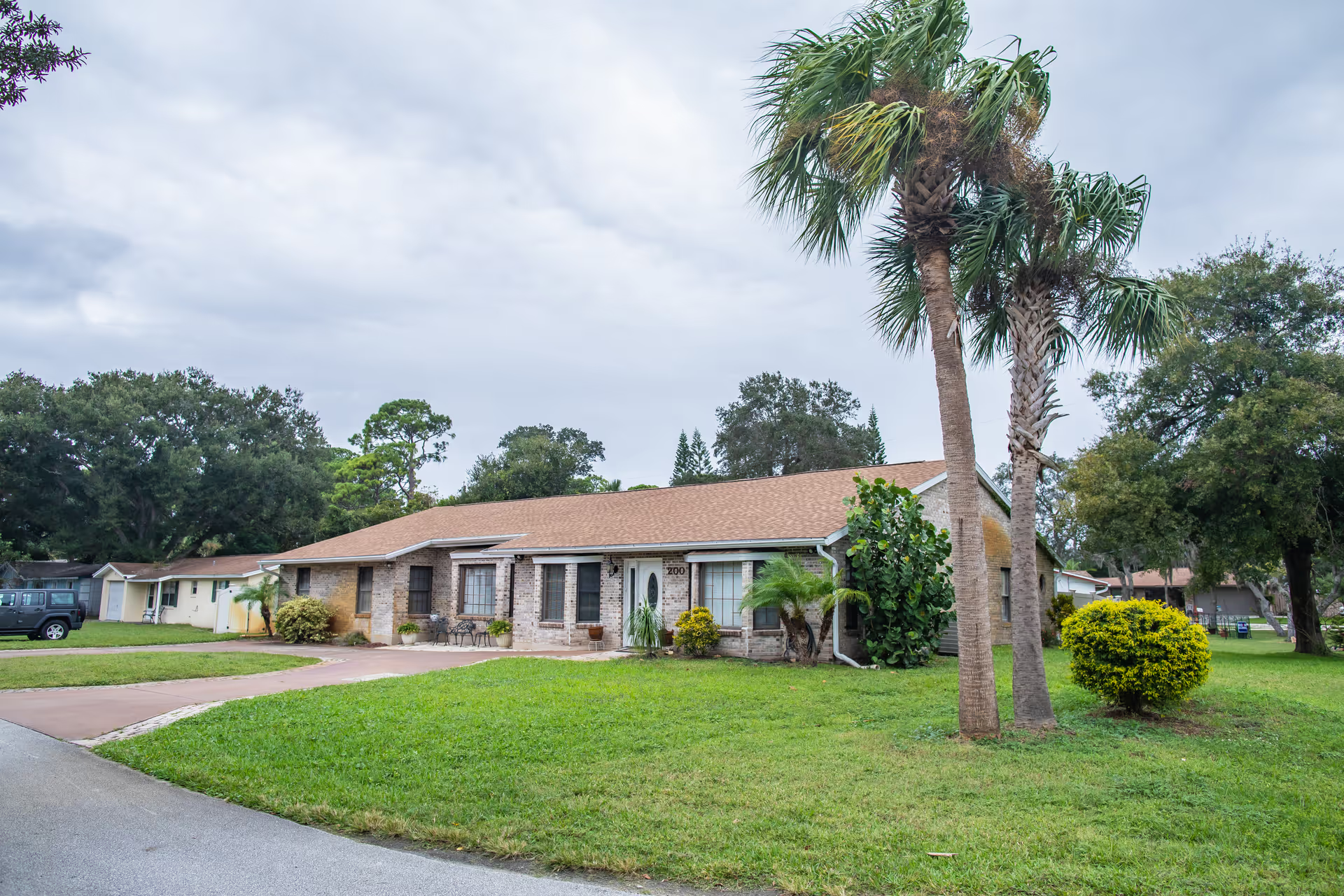
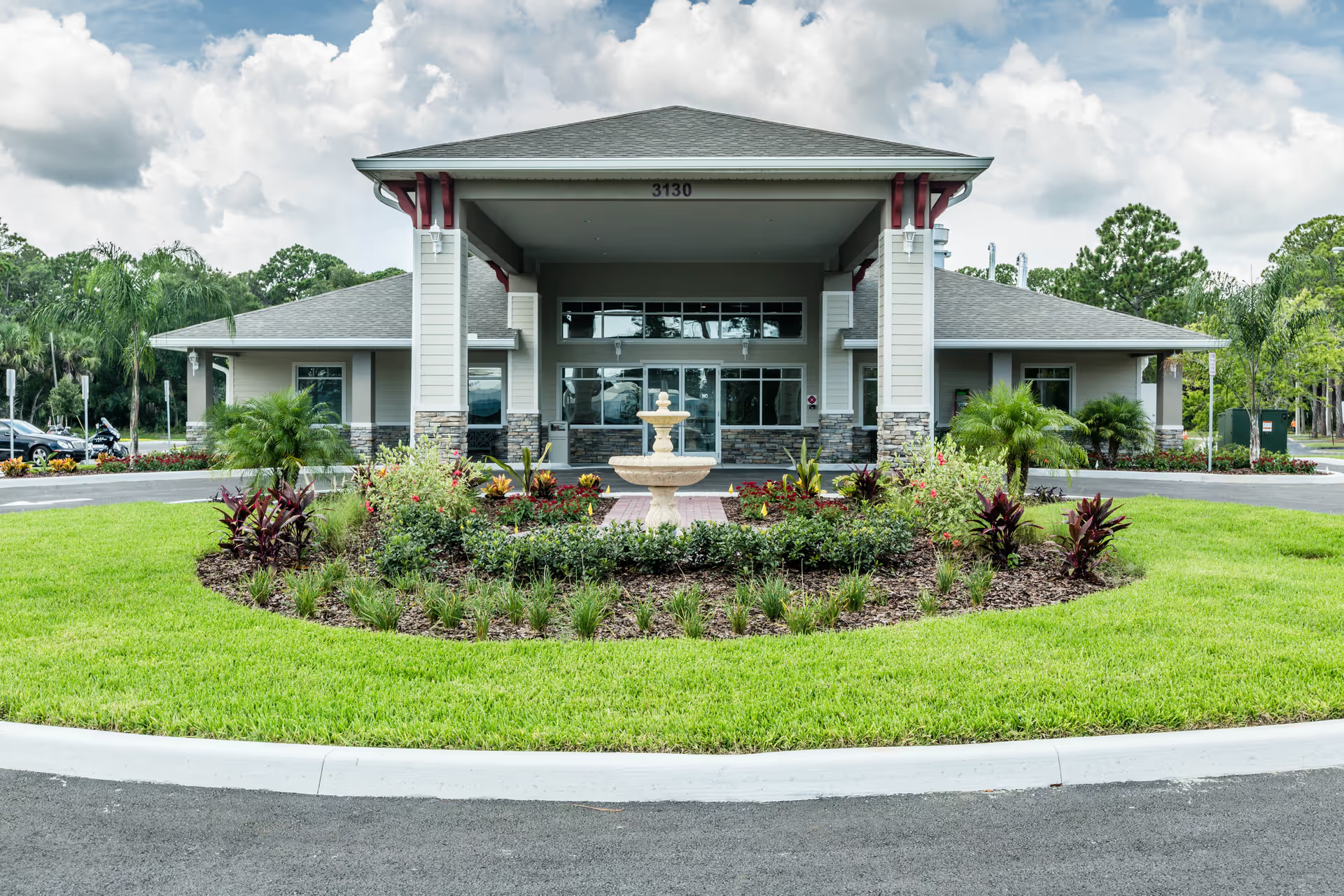
Seagrass Village of Port Orange offers independent living, assisted living, and memory care in a modern, multi-level community. Residents and families commonly praise the building’s cleanliness, attractive décor, open common areas, and resort-like amenities. Apartments vary in size and layout: some are described as roomy and well appointed, while others are considered small, with limited closet space, small balconies, or compact refrigerators. Some units include full kitchens, patios, or balconies; furnishings generally need to be supplied by residents. The location is convenient to shops and services, though its main-road setting and traffic are drawbacks for some, and the building offers less outdoor land than some visitors would prefer.
Care and staff experiences are mostly positive, with frequent praise for friendly, helpful employees and assistance during move-in or transitions between care levels. Families also describe helpful therapy services and support coordinating physicians or medications. However, accounts are not uniform: concerns include limited caregiver coverage at certain times, slower response or support for residents with higher needs, and questions about memory-care oversight. One particularly critical account raised concerns about the memory-care environment, staffing strain, resident placement, and personal belongings; this is a serious individual account and does not represent the overall pattern of feedback. Some reviews also describe care-team members as responsive while noting that nursing leadership can be stretched.
Dining is generally a strength. Residents and visitors often describe meals as tasty or excellent, with varied menus, restaurant-style seating, and regular social gatherings such as happy hours. A few accounts characterize food as adequate rather than exceptional, suggesting experiences and preferences differ. Activities include karaoke, movies, live entertainment, parties, games, pool exercise, and fitness opportunities. Some residents report enjoying a full activity calendar and making friends, while a few visitors saw limited interaction in shared spaces during their tours. Menu readability was also raised as a practical accessibility concern.
Management and administrative experiences are mixed. Several families praise individual staff for clear answers, careful follow-up, and easing the move-in process; other accounts describe delayed callbacks or promised paperwork that did not arrive. Some families also report difficulty understanding or anticipating changes in fees, including increases during a resident’s stay. Flooding and recovery are another notable concern: reviews describe first-floor flooding and difficulties with relocation or help re-establishing a resident, while another visitor came away with a strong impression of the community’s hurricane preparedness. These differing accounts make it important for prospective residents to ask about flood mitigation, emergency relocation, evacuation procedures for people with mobility limitations, staffing by shift, memory-care support, and the full schedule of fees before making a decision.