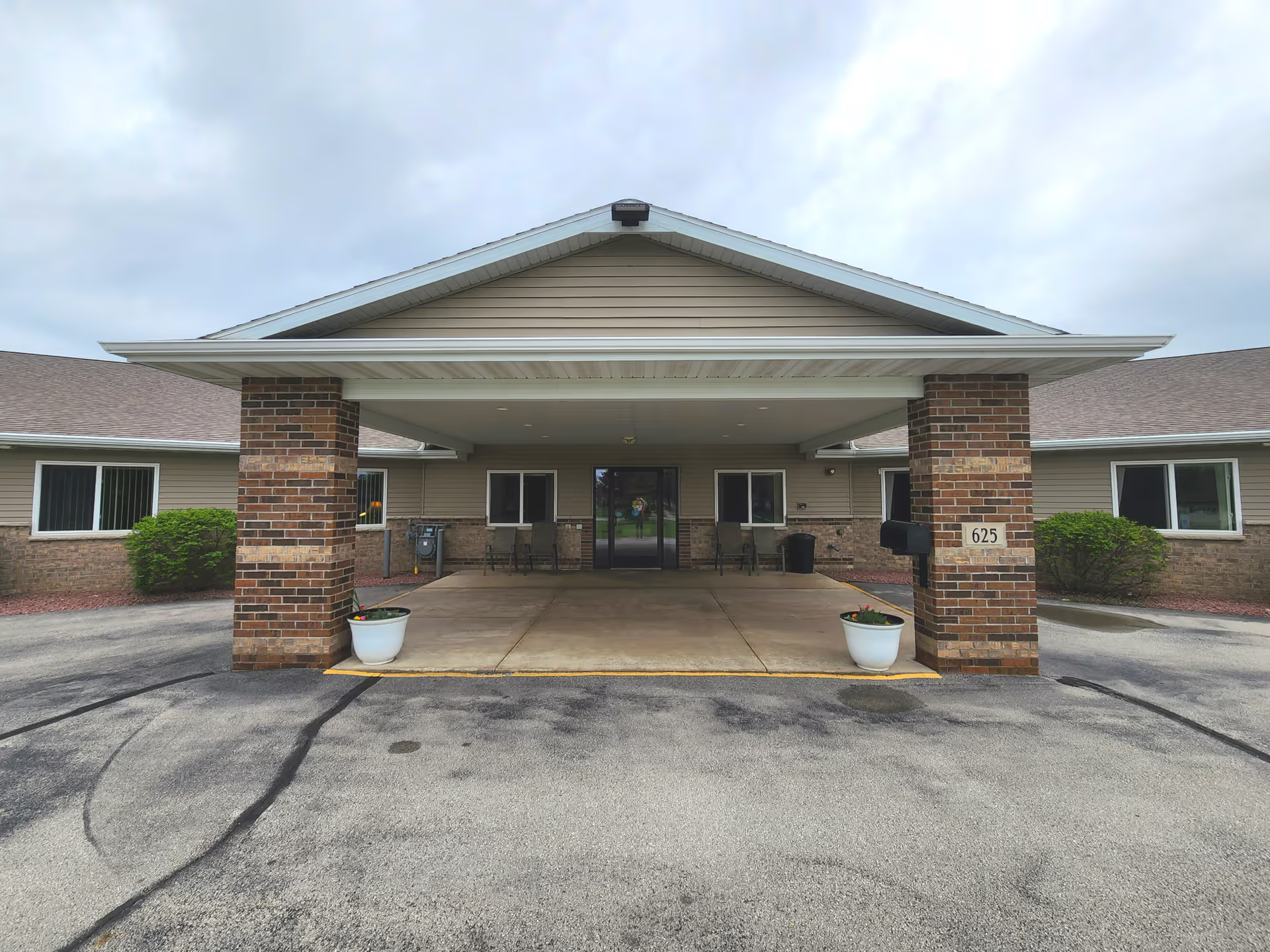
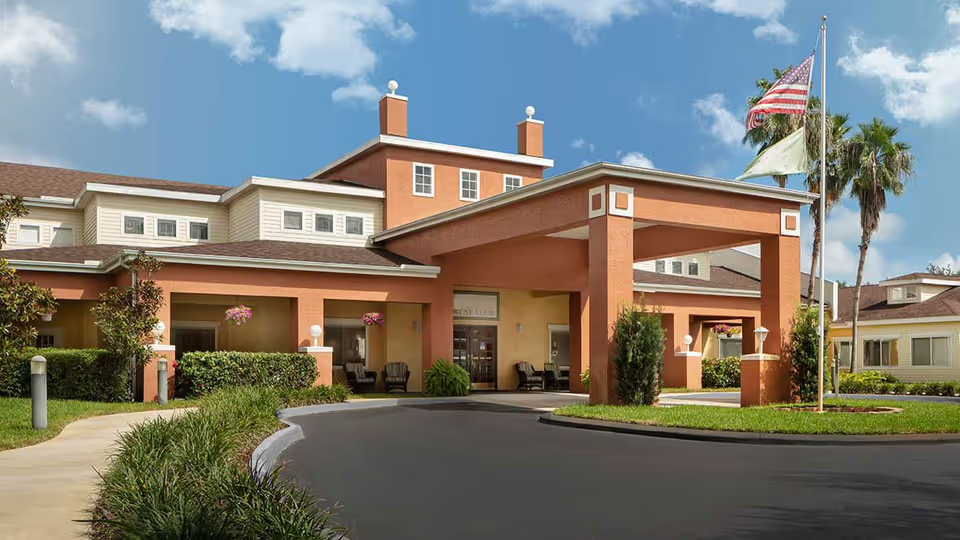
Overall impression: The Palms at St. Lucie West is described predominantly as a small-to-mid-sized assisted living community with a strong emphasis on personalized, relationship-based care. Families and visitors frequently highlight compassionate caregiving, nursing responsiveness, and staff who learn residents’ names and preferences. The community’s size and staffing pattern contribute to a family-like atmosphere, with many accounts of staff coordinating care transitions, communicating with families, and working collaboratively through rehabilitation and end-of-life care stages.
Care and staff: Staffing is the facility’s most consistently praised element. Caregivers and nursing personnel are characterized as attentive, warm, and engaged; reviewers note follow-through from support staff and frequent updates to families. Long-tenured employees and visible leadership presence foster continuity and a sense of familiarity. At the same time, reviewers describe variability across shifts: communication and responsiveness can be uneven at times, and front-desk demeanor has been called inconsistent. Prospective families should clarify staffing patterns by shift, handover procedures, and memory-care supervision protocols during tours.
Dining and activities: Dining is a focal point of community life. Many describe restaurant-style dining, well-prepared menus, special meals for birthdays and holidays, and thoughtful touches such as fresh-baked items on arrival. A minority of accounts describe inconsistent meal quality and occasional shortages, suggesting occasional service interruptions. The activities program is active and diverse, led by an engaged activities director who organizes exercise sessions, local outings, games, holiday events, music, and pet-visit programming. Activities appear to serve a broad range of cognitive and mobility levels, including dementia-friendly offerings.
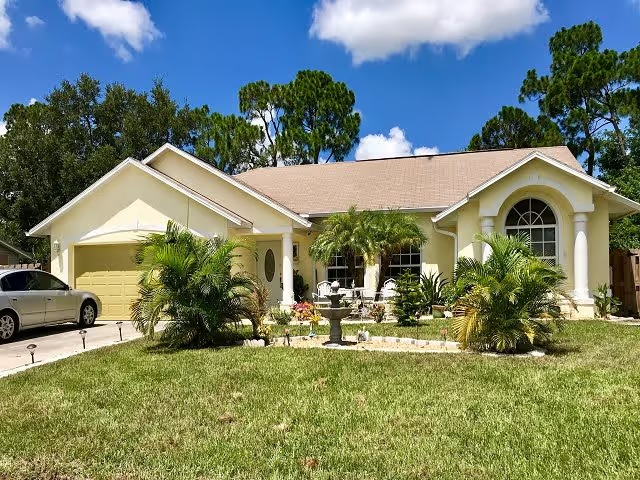
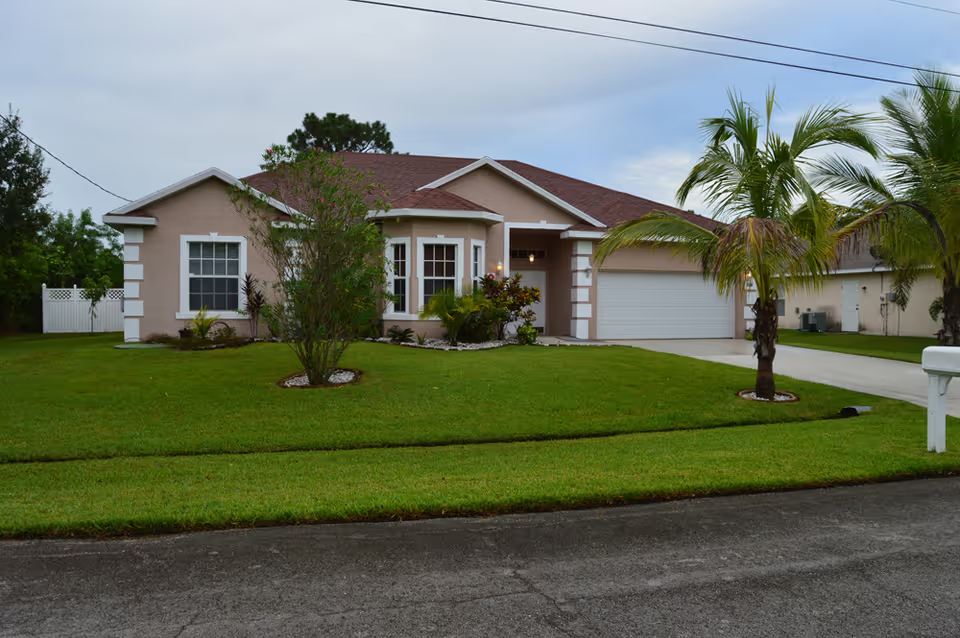
Facilities and operations: The Palms’ physical plant is generally described as clean, well-maintained, and home-like, with spacious villa apartments, weekly housekeeping, frequent laundry service, and responsive maintenance. The community’s smaller footprint supports personalized attention but also constrains on-site amenities; reviewers point to limited recreational space, fewer specialty amenities (for example, limited pool or large multipurpose rooms), and a smaller social pool for more active residents. Availability is sometimes limited, with waitlist constraints and differential pricing that can make private accommodations more costly.
Notable patterns and recommendations: Positive patterns include consistent praise for hands-on caregiving, family-oriented culture, engaged activities, and coordinated transitions of care. Areas to investigate further in a tour or meeting are staff coverage across shifts, specific memory-care protocols and supervision practices, meal-service continuity and contingency plans, front-desk and reception communication practices, exact housekeeping schedules, and current waitlist/pricing for private units. For families seeking a smaller, community-oriented setting with active programming and close staff relationships, The Palms appears well suited; those prioritizing extensive on-site amenities or uniform service consistency across every shift should seek clarifying information before committing.