Overview Reviews present a mixed but specific pattern: many families and residents praise the interpersonal side of care—individual caregivers, long-tenured staff members, and a handful of employees who receive particular commendation for going beyond routine duties. At the same time, several operational and clinical concerns recur across accounts, producing a picture of a facility that performs strongly in resident engagement and environment but inconsistently in clinical controls, management, and service reliability.
Care and staff The caregiving team is frequently described as warm, respectful and relationship-driven, with examples of staff forming close, supportive bonds with residents. The memory-care unit is praised for its smaller size and private rooms, which some families say enable more one-on-one attention. However, reviewers also describe uneven staffing (including reports of notable turnover and underpaid staff), gaps in clinical coverage at certain hours, and variability in staff skill levels. Medication management and administration emerge as a recurring operational weakness: reviewers cite timing and dosing errors, confusing med-tech practices, and fee structures tied to medication services. Families should ask about current nurse coverage, med-tech training, and medication-auditing procedures during tours.
Dining and activities Dining experiences are strongly polarized. Some reviewers report restaurant-style service, an engaged chef who personalizes meals, and generally appetizing menus; others describe repetitive, cold, or overly salty food and declines in meal quality tied to staffing changes. Activity programming is generally robust—bingo, arts and crafts, exercise, and social events are commonly offered and appreciated—but program quality appears tied to activity-staff continuity. Several accounts note that activities became less varied or felt less age-appropriate after staff changes. Prospective residents should inquire about the current activity calendar, staffing for activities, and how menus are managed day-to-day.
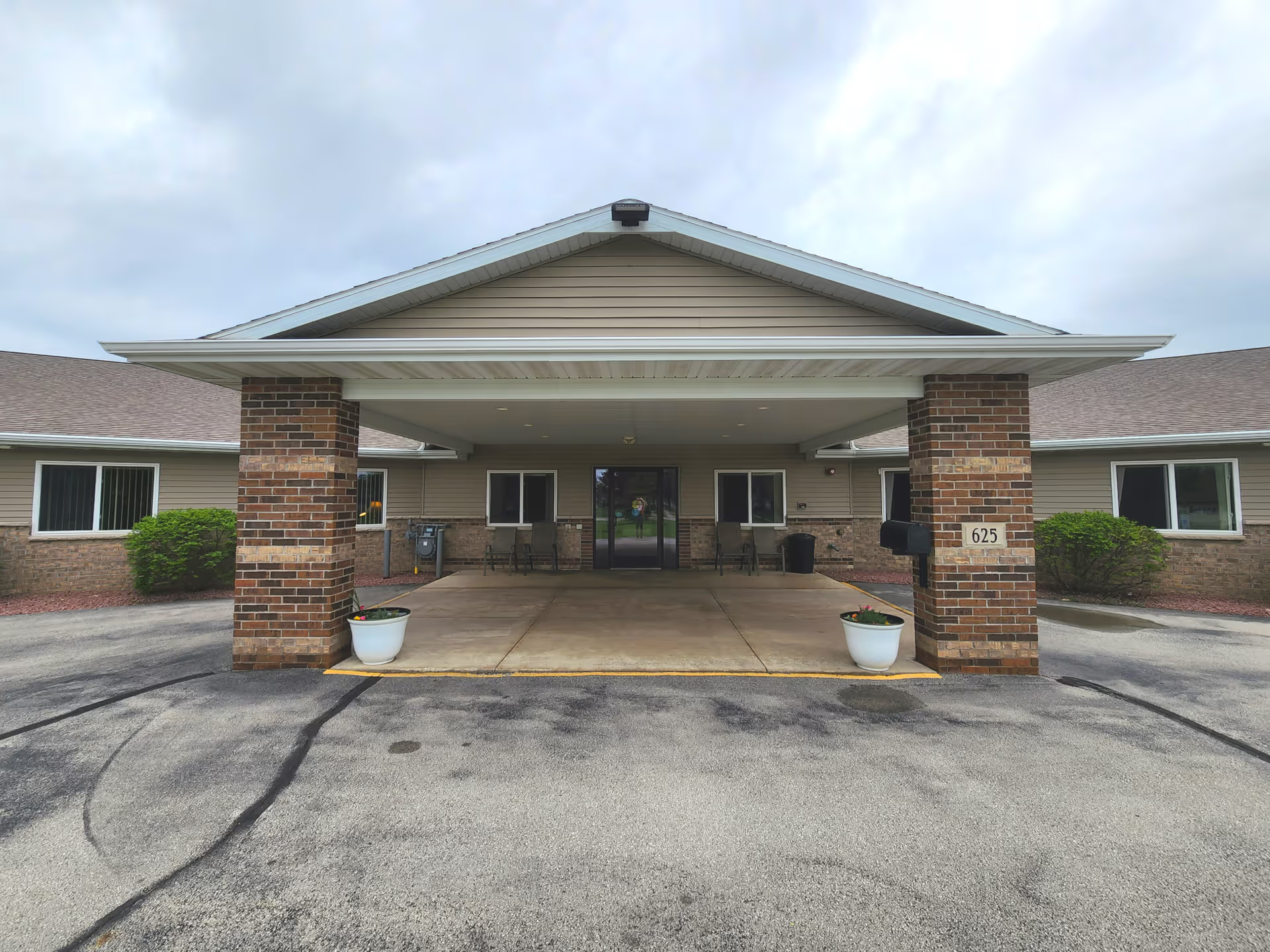
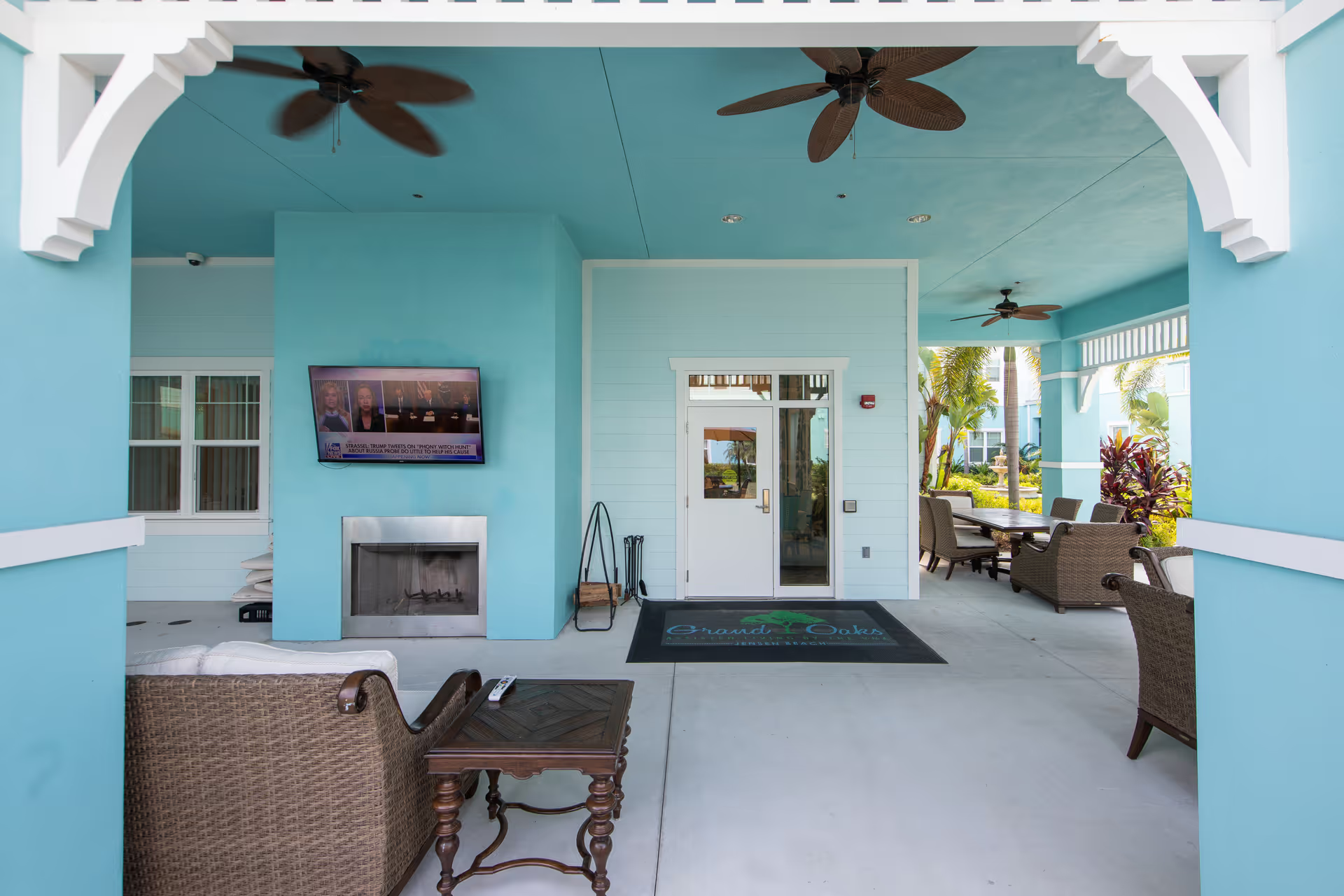
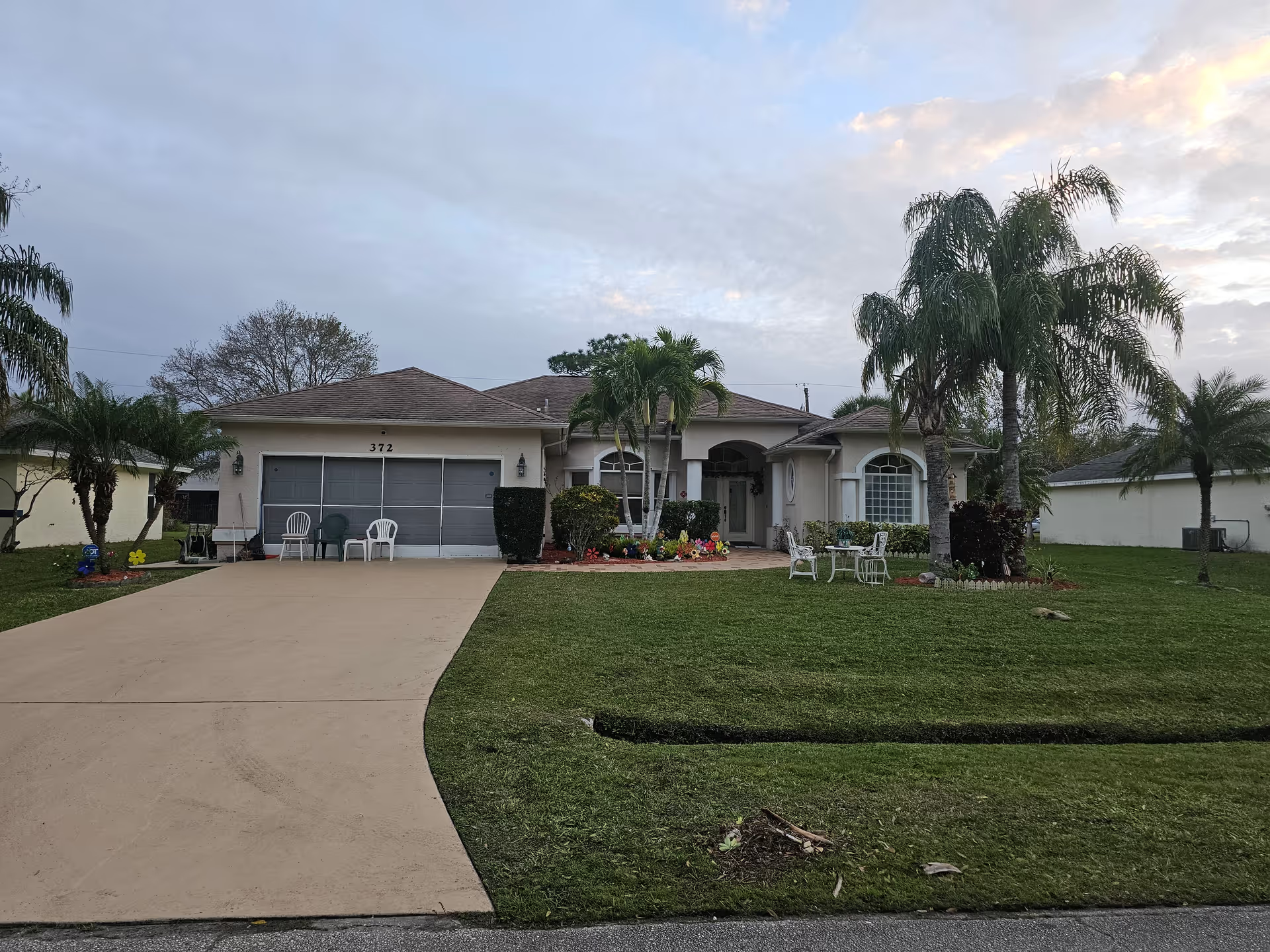
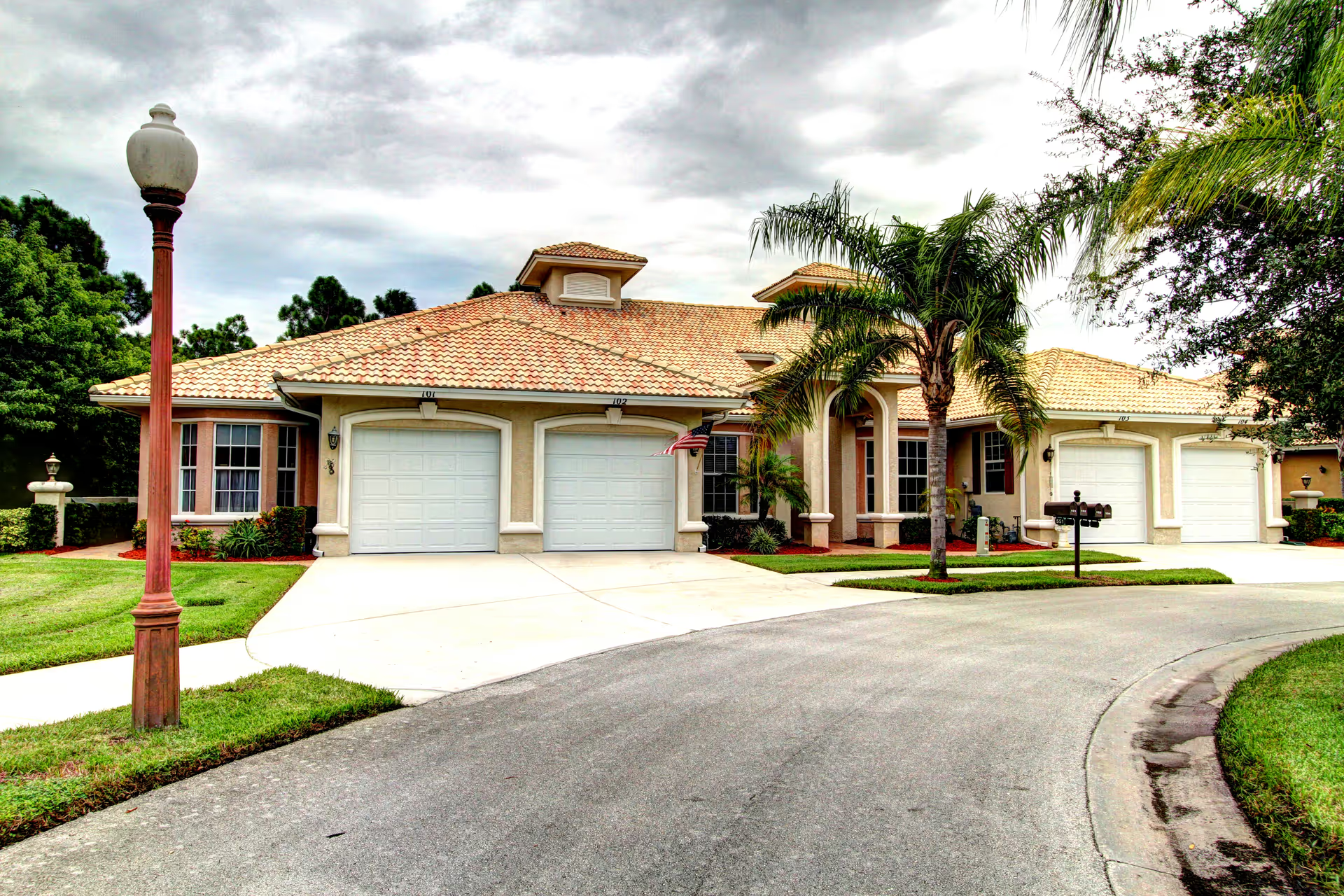
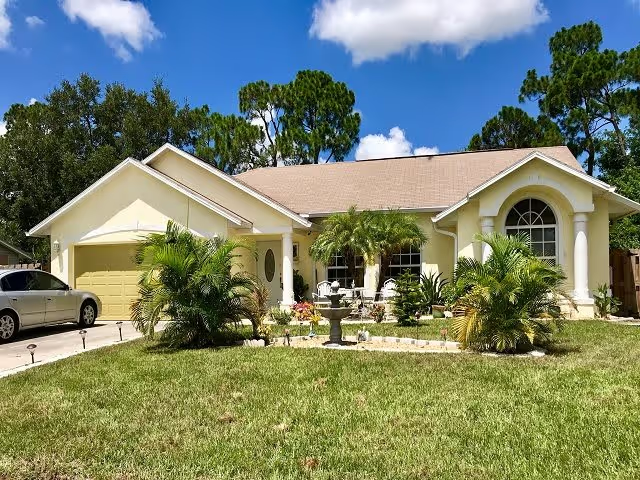
Facilities and amenities The interior common areas are routinely described as clean, well-decorated, and odor-free, with on-site amenities such as a beauty salon, therapy services, and a dining room that many families appreciate. Exterior appearance and some room sizes receive less favorable comments: rooms vary in layout and may be smaller than expected, and some units are formed by combining studios which can create unusual floor plans. Housekeeping and general maintenance are often noted positively, but a few reviews raise sanitation and equipment-cleaning concerns in the context of clinical incidents. Prospective families should view multiple room types and ask about housekeeping and equipment-cleaning protocols.
Management, billing, and communication Administrative themes are mixed. Positive experiences include helpful receptionists, a business manager assisting with finances, and effective directors. Conversely, reviewers frequently cite leadership turnover, delayed or opaque responses to complaints, and billing transparency issues—including lump-sum invoices, non-itemized charges, billing increases without clear explanation, and delays in refunds. Communication during transitions (move-in and early weeks) is another area of inconsistency: some families report excellent, ongoing updates while others describe poor handoffs and gaps in knowing a resident's condition. These are operational traits that can materially affect experience; ask for sample invoices, a written escalation pathway, and recent turnover/tenure data for leadership and nursing staff.
Notable patterns and guidance The dominant pattern is one of strong interpersonal care offset by operational instability in certain domains. The facility tends to excel at resident engagement, social programming, and interior upkeep, but exhibits variability in clinical controls (medication, staffing coverage), meal-service consistency, and administrative transparency. There are also isolated but serious concerns in a few accounts (including clinical- and legal-concern references); when a potential placement is under consideration, families should request documentation of nursing coverage hours, staffing ratios for memory care, medication-administration protocols, a copy of typical billing statements, and references from current families. An in-person tour that includes meeting nursing and activity staff and sampling a meal will help confirm whether the current operating state aligns with a family’s priorities.