Life Care Center of Punta Gorda elicits strongly polarized feedback: many families and residents praise the facility for compassionate bedside care, a strong rehabilitation program, and a clean, bright physical environment, while others describe operational shortcomings that affected clinical continuity and family confidence.
Care quality and clinical services: The facility receives consistent, positive comments about its physical and occupational therapy teams, rehabilitation outcomes, and attentive end-of-life and hospice support. At the same time, a recurring operational concern is inconsistent medication administration and timing, with several accounts of delays or errors. There are also mentions of gaps in responsiveness to acute health changes and wound management in isolated cases. For prospective residents, the overall pattern suggests reliable rehabilitation capability but variability in routine nursing tasks and medication processes.
Staff and communication: Nursing, CNA, therapy, and admissions personnel are frequently described as friendly, caring, and helpful; admissions and care‑coordination staff are singled out as a strength for smoothing transfers. However, reviewers also identify high staff turnover, shift‑to‑shift variability, and inconsistent leadership follow‑through. Family communication is uneven — some families receive proactive updates and caseworker support, while others report difficulty finding a clear point of contact for complaints or progress updates.
Dining and activities: The dining areas, menus, and on-site activities are commonly praised; reviewers note a bright dining room, home-style hot meals, and an active events schedule. That said, meal quality is reported as variable: some residents and families describe excellent food and accommodations for picky eaters, while others note poor taste/texture or difficulties with special‑diet consistency (especially puréed or modified-texture meals in individual cases).
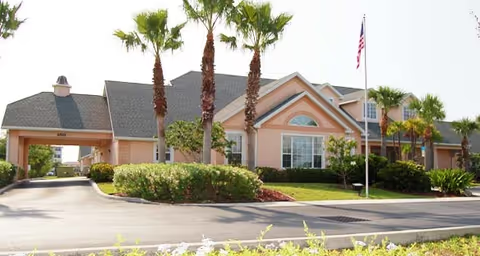
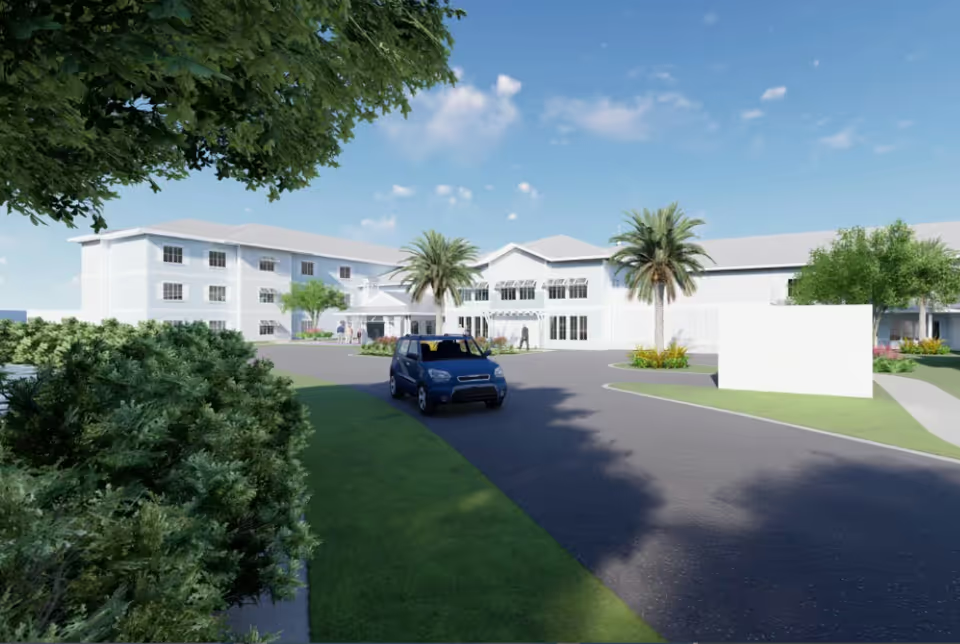
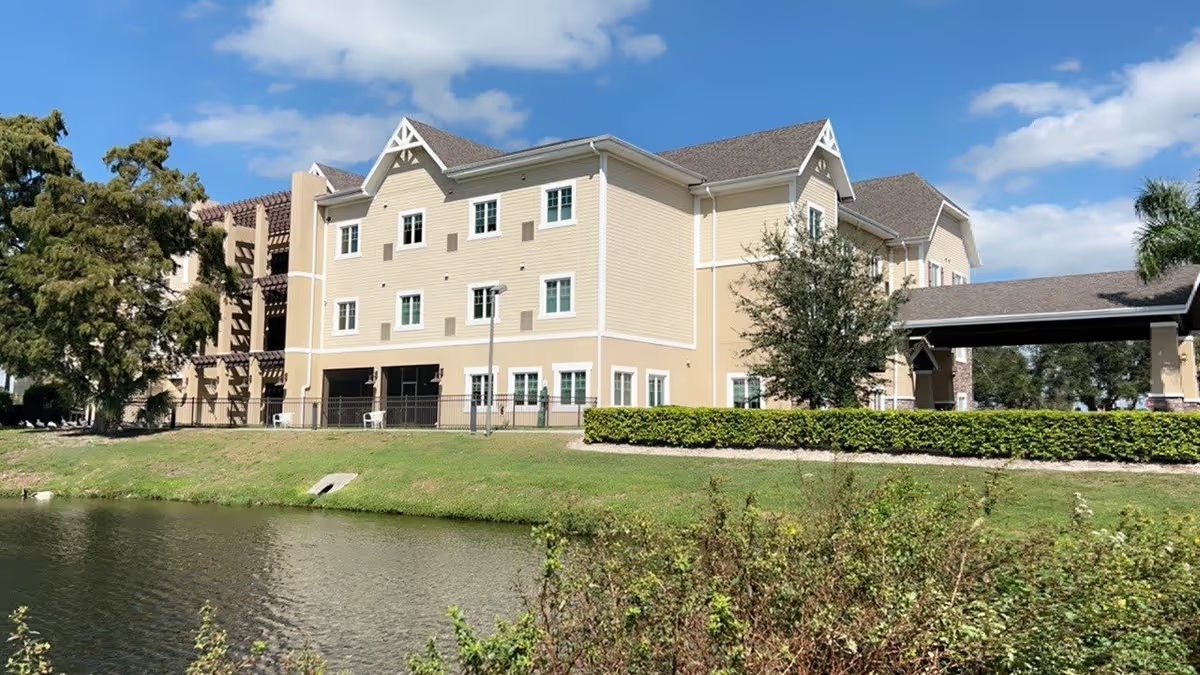
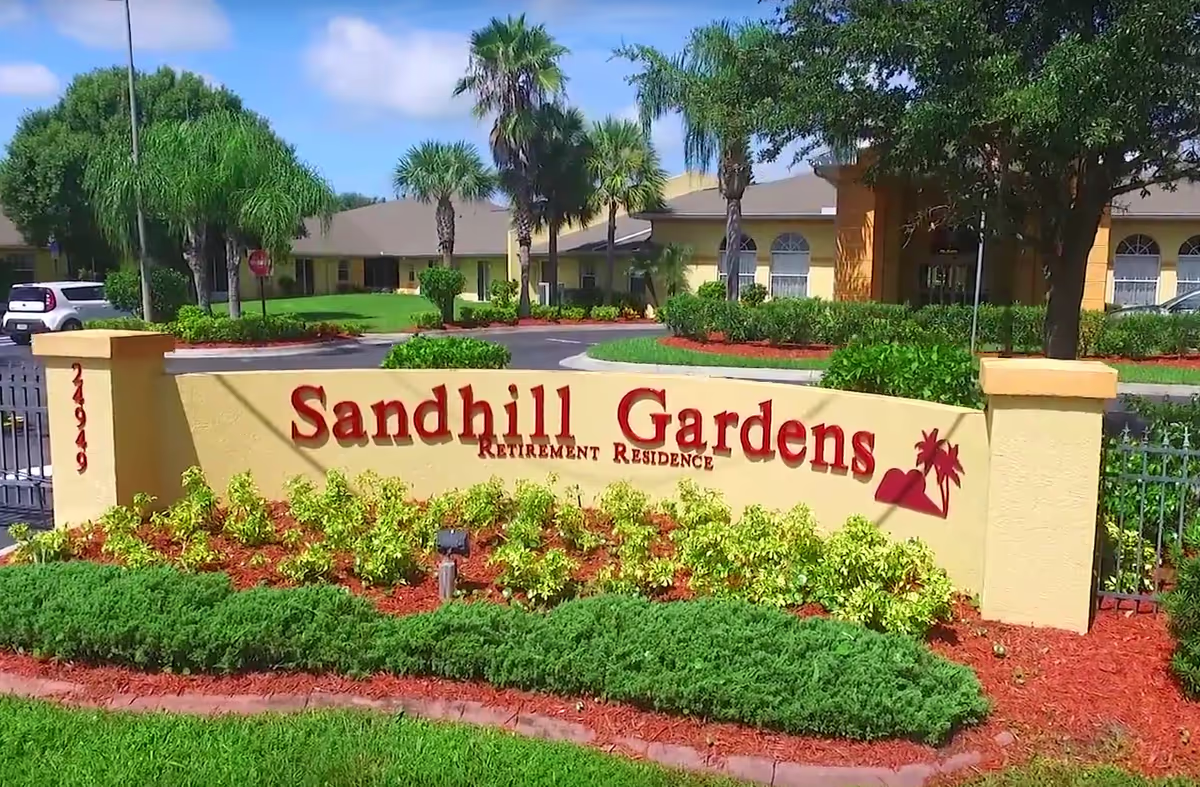
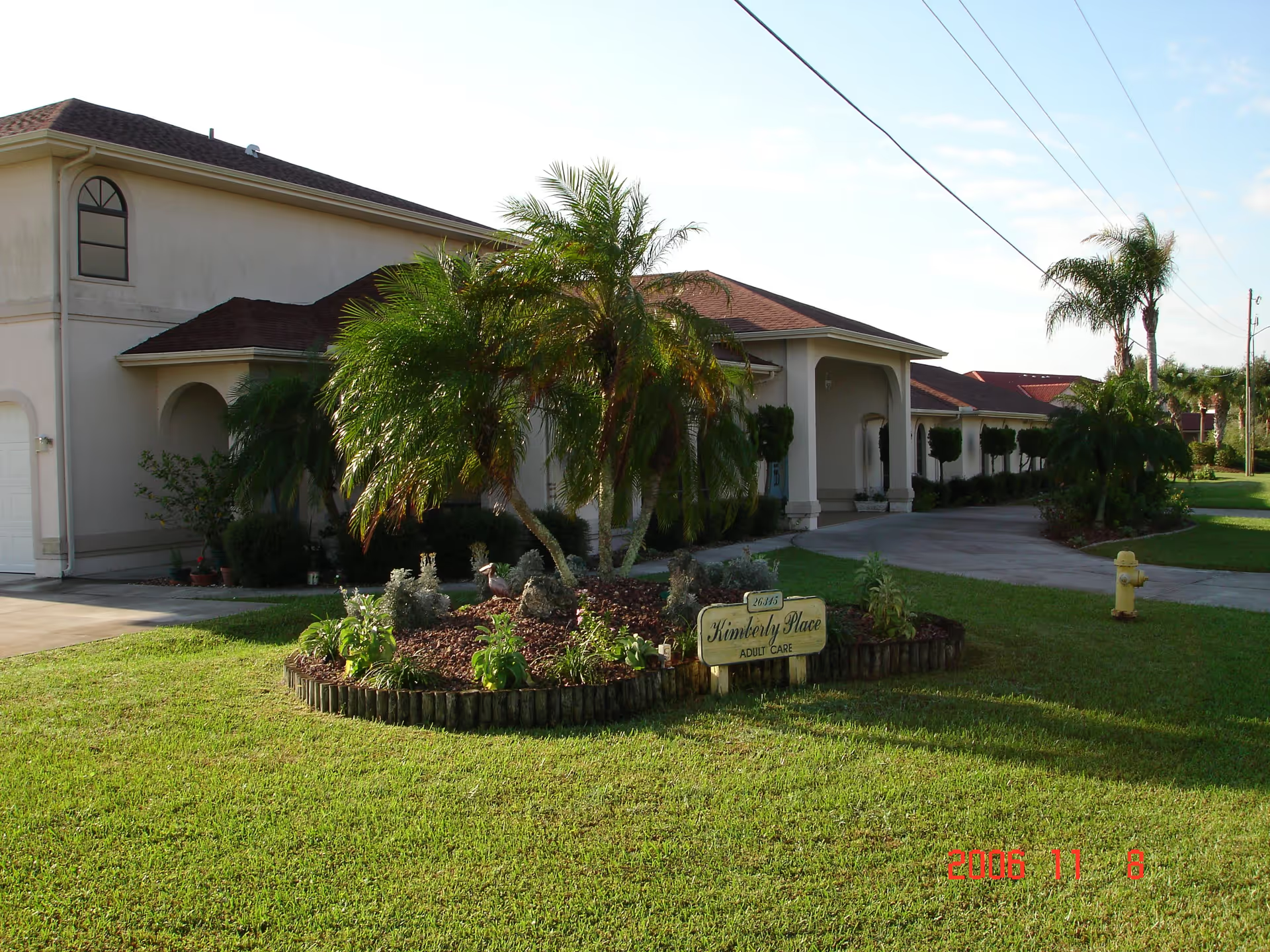
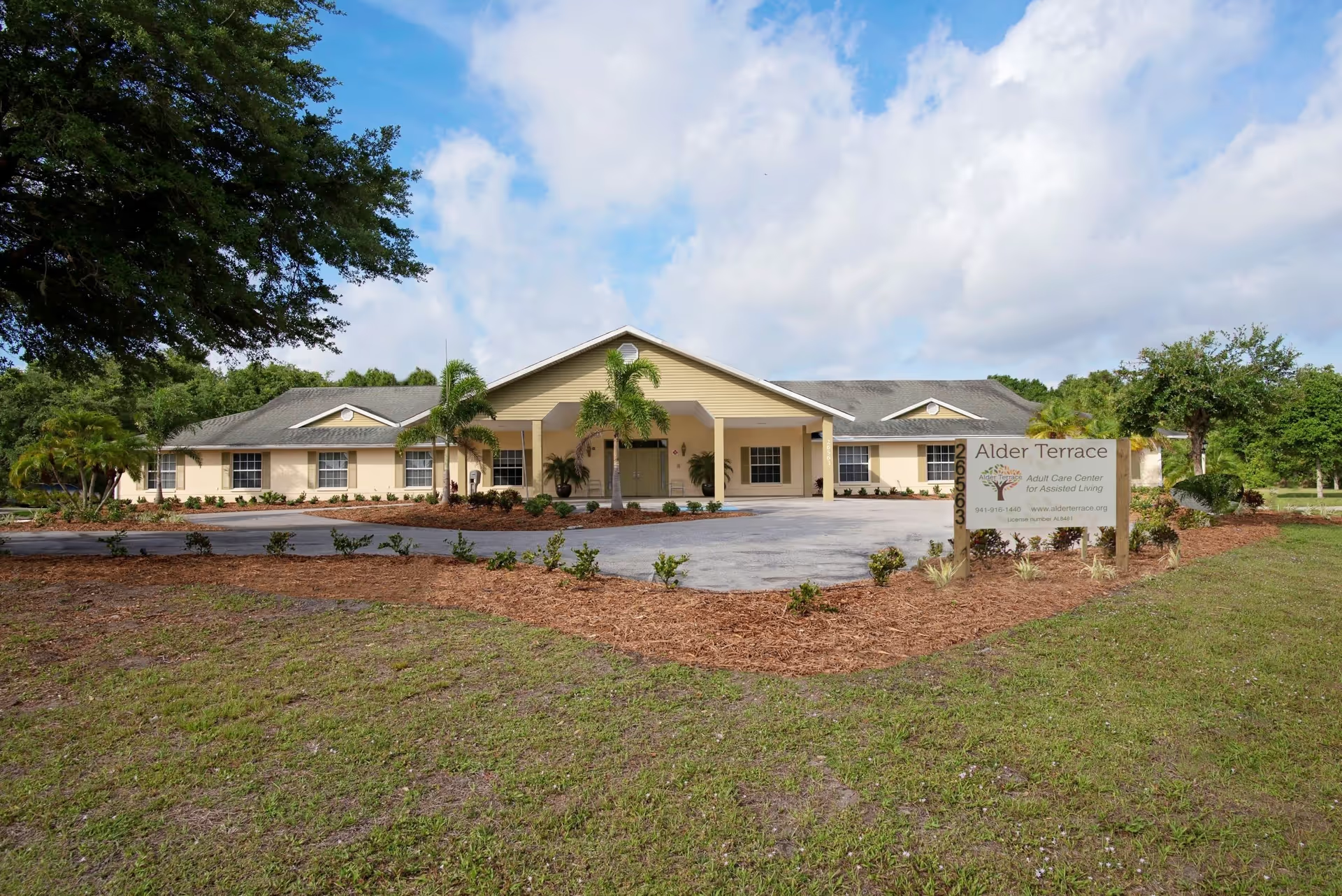
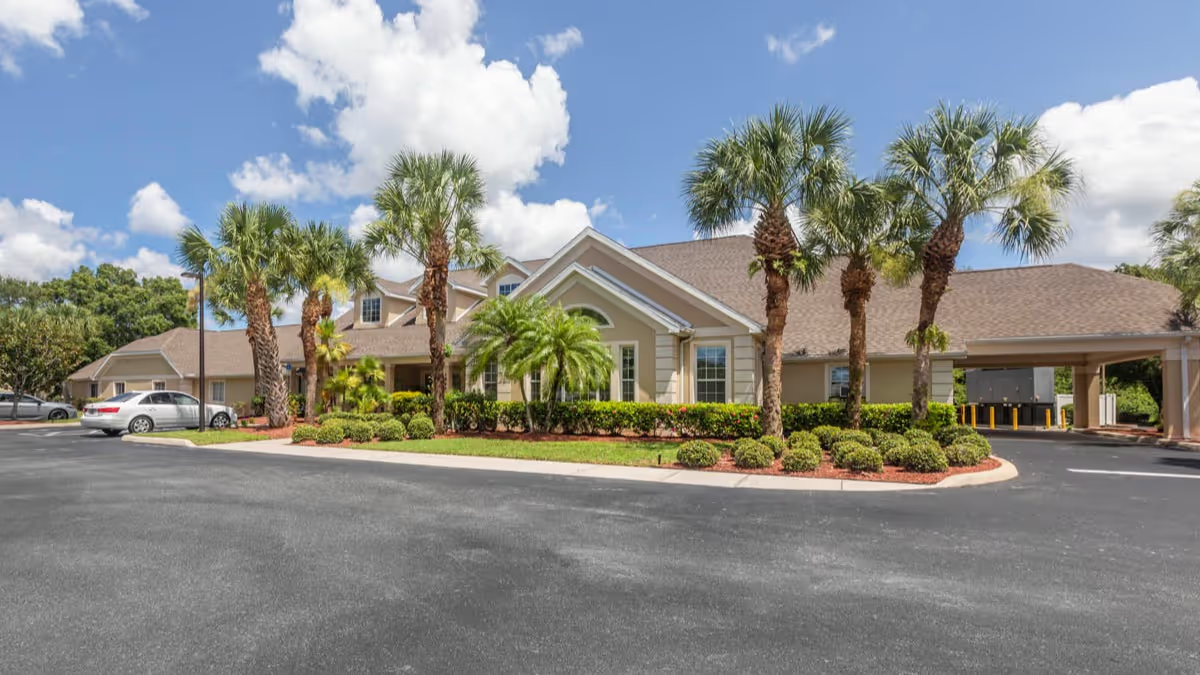
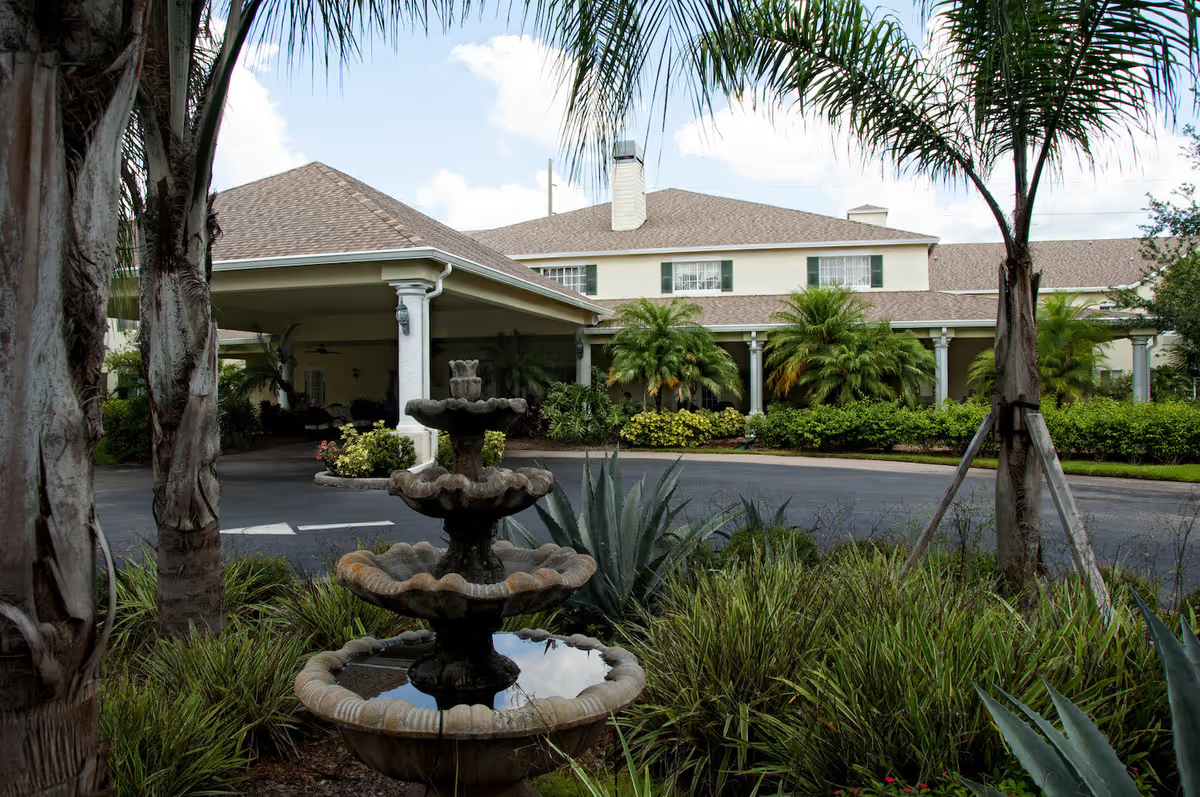
Facilities and housekeeping: Many reviewers describe the building and grounds as clean, well maintained, and comfortable, with an attractive courtyard and library. Counterbalancing this, there are isolated sanitation and housekeeping inconsistencies, room maintenance issues (outdated rooms, occasional hot-water or shower problems), and spotty cleanliness in certain units reported by families. These mixed observations suggest generally good facility upkeep with some lapses in specific areas.
Management and operations: Operational themes include frustration with admission/discharge paperwork, billing and insurance handling (including Medicaid barriers), and occasional miscommunication at the director level. Nighttime operational practices — such as early/late clinical procedures and housekeeping activities — were described as disruptive in some accounts. Telephone and voicemail reliability were also raised as impediments to family contact. Several reviewers perceived management priorities as uneven, noting attention to appearance in contrast with inconsistent clinical follow-through.
Notable patterns and practical takeaways: Overall impressions cluster into two broad experiences: families who report high satisfaction centered on therapy outcomes, compassionate frontline staff, and smooth admissions; and families who experienced operational or clinical-process failures that undermined trust. Prospective families should consider asking the facility about current staffing ratios, medication administration protocols, memory-care availability, the designated family point of contact, the discharge/billing workflow (including Medicaid processes), housekeeping schedules, and nighttime routines. These targeted questions can help clarify whether the aspects that matter most to a particular resident are consistently supported at the time of admission.