The reviews present a mixed but coherent picture: Riverchase Health and Rehabilitation Center is frequently praised for its direct-care staff and clinical specialties while exhibiting operational inconsistencies that families should evaluate closely.
Care quality shows important strengths alongside notable weaknesses. Multiple families highlighted strong wound-care skills and effective therapy programs that supported measurable recovery. Several reviewers described thoughtful discharge planning and robust post-discharge follow-up, which suggests effective care‑coordination processes in many cases. At the same time, there are recurring concerns about medication-management processes and occasional slow responses to acute medical needs or hospital transfers. These delays, coupled with isolated but serious allegations about medication diversion and inconsistent conduct, point to areas where clinical oversight and risk-management systems may need reinforcement.
Staff and leadership elicit substantial praise. Numerous comments single out compassionate, attentive nurses and therapists, and several reviewers praised specific leaders for visible engagement and improvements under their direction. Social-work support, admissions assistance, and some front-line staff received repeated commendations for clear communication, paperwork help, and family-oriented service. Conversely, reviewers also described variability in staff responsiveness and communication tone, indicating inconsistency in staff conduct and training across shifts.
Dining, activities, and rehabilitation services are described unevenly. Some families appreciated the food, recreational programming, and an active social calendar; others reported unhealthy meals, limited activities, or inadequate rehab availability. This pattern suggests that the facility provides meaningful programming in some units or at some times but that consistency across the facility may be limited.
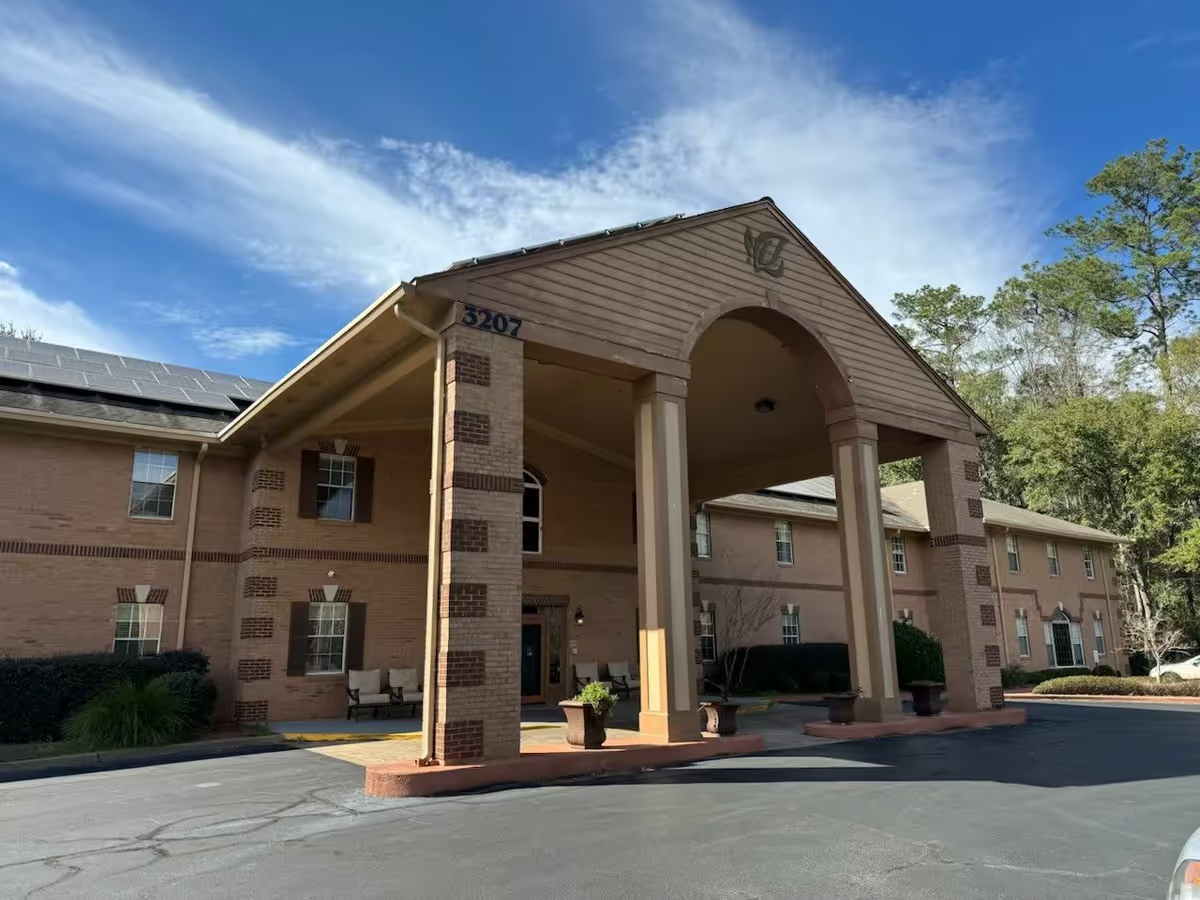
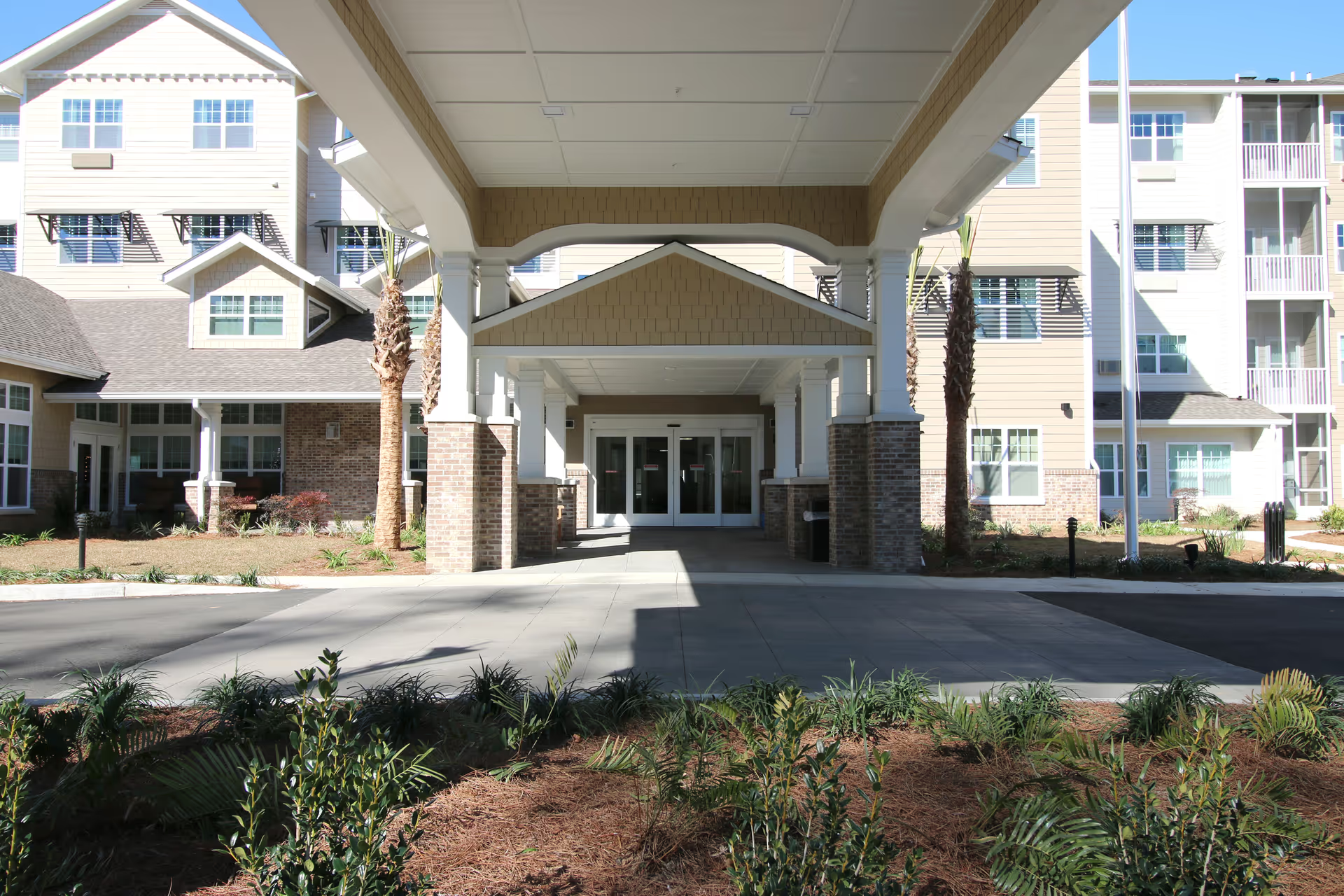
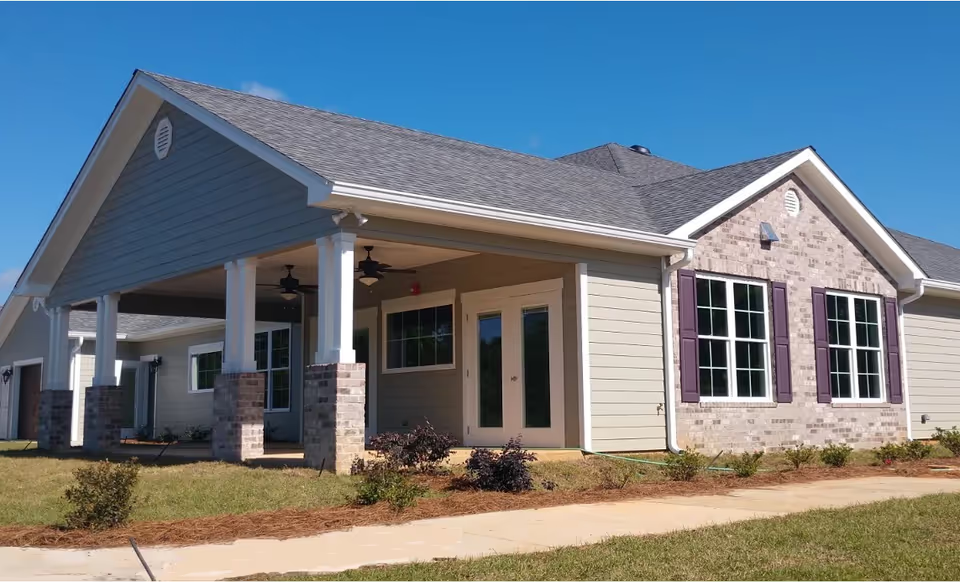
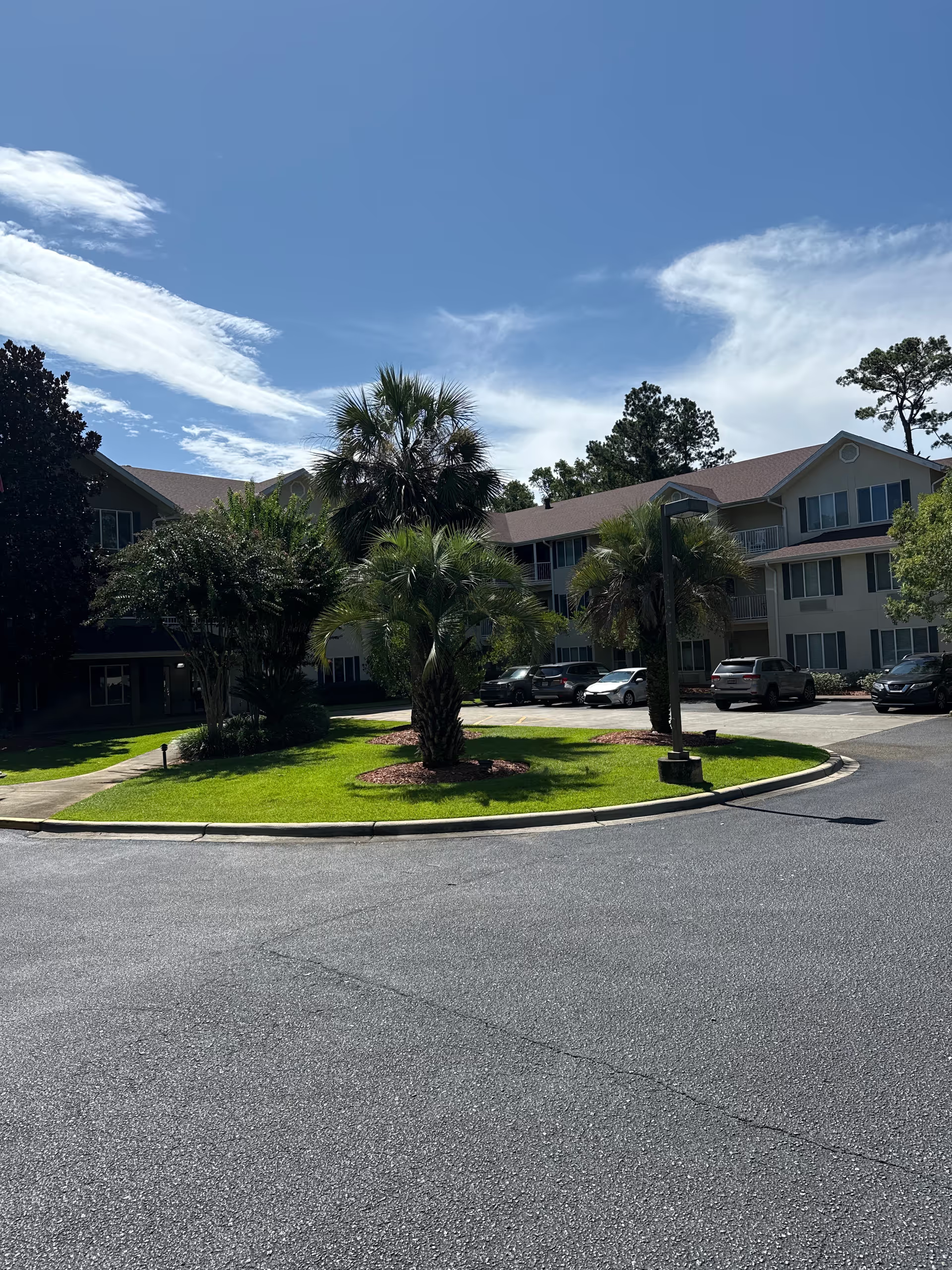
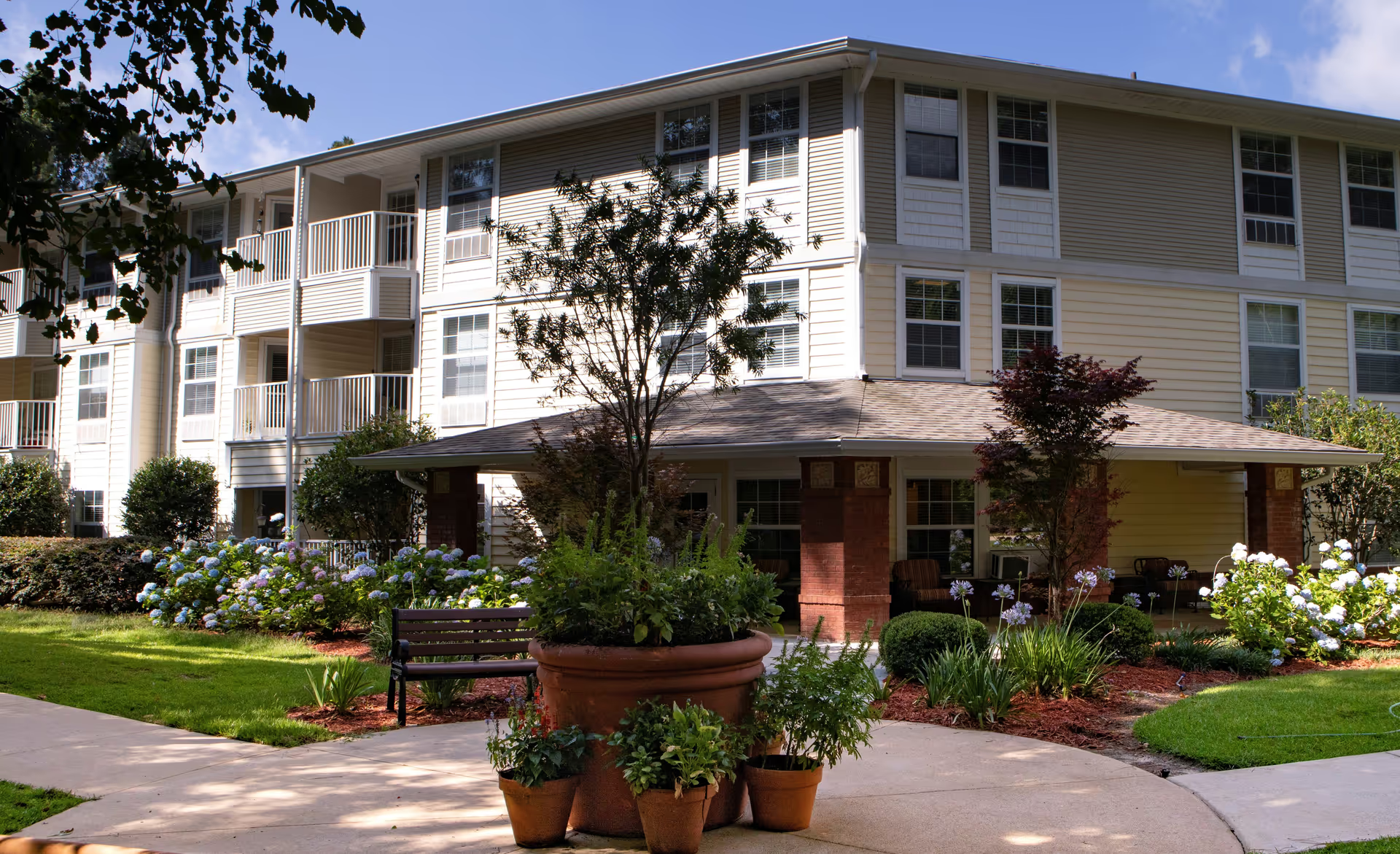
Facility and operational issues are mixed. Many reviewers described clean, roomy rooms and well-kept common areas; others reported problems with maintenance responsiveness (for example, heating or phone repairs), laundry return, and parking. These maintenance and logistical concerns can affect comfort and daily living even when clinical care is strong.
Management and policy concerns appear in several reviews. While leadership is often credited with improvements, families also raised issues around communication, transparency about infection events and end-of-life care, and the enforcement of billing and discharge policies. Marketing claims and star‑rating statements were questioned by some reviewers who felt those representations did not match their experience. These themes point to a need for clearer family communication, consistent policy application, and transparent incident reporting.
Overall pattern: the facility demonstrates clear strengths in individualized clinical care—notably wound care and rehabilitative services—and benefits from committed staff and engaged leaders. However, operational variability (staffing, medication oversight, maintenance, and communication) produces a polarized set of experiences. Prospective residents and families should consider an on-site visit, ask specific questions about staffing patterns, medication-safety protocols, infection-control practices, laundry and maintenance procedures, activity schedules, and billing/discharge policies, and request references about post-discharge follow-up to assess how consistently the facility delivers on the positive practices that many reviewers described.