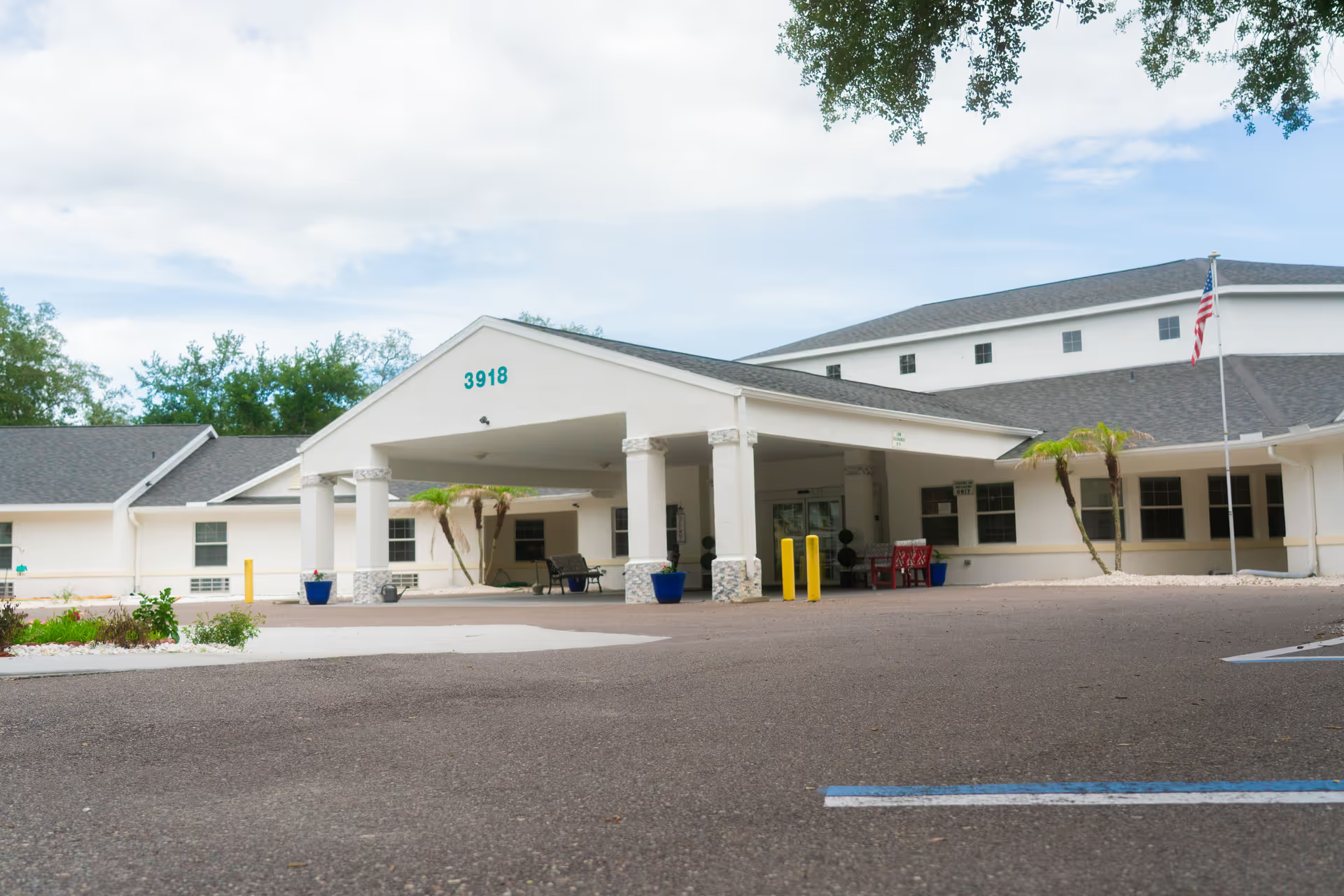
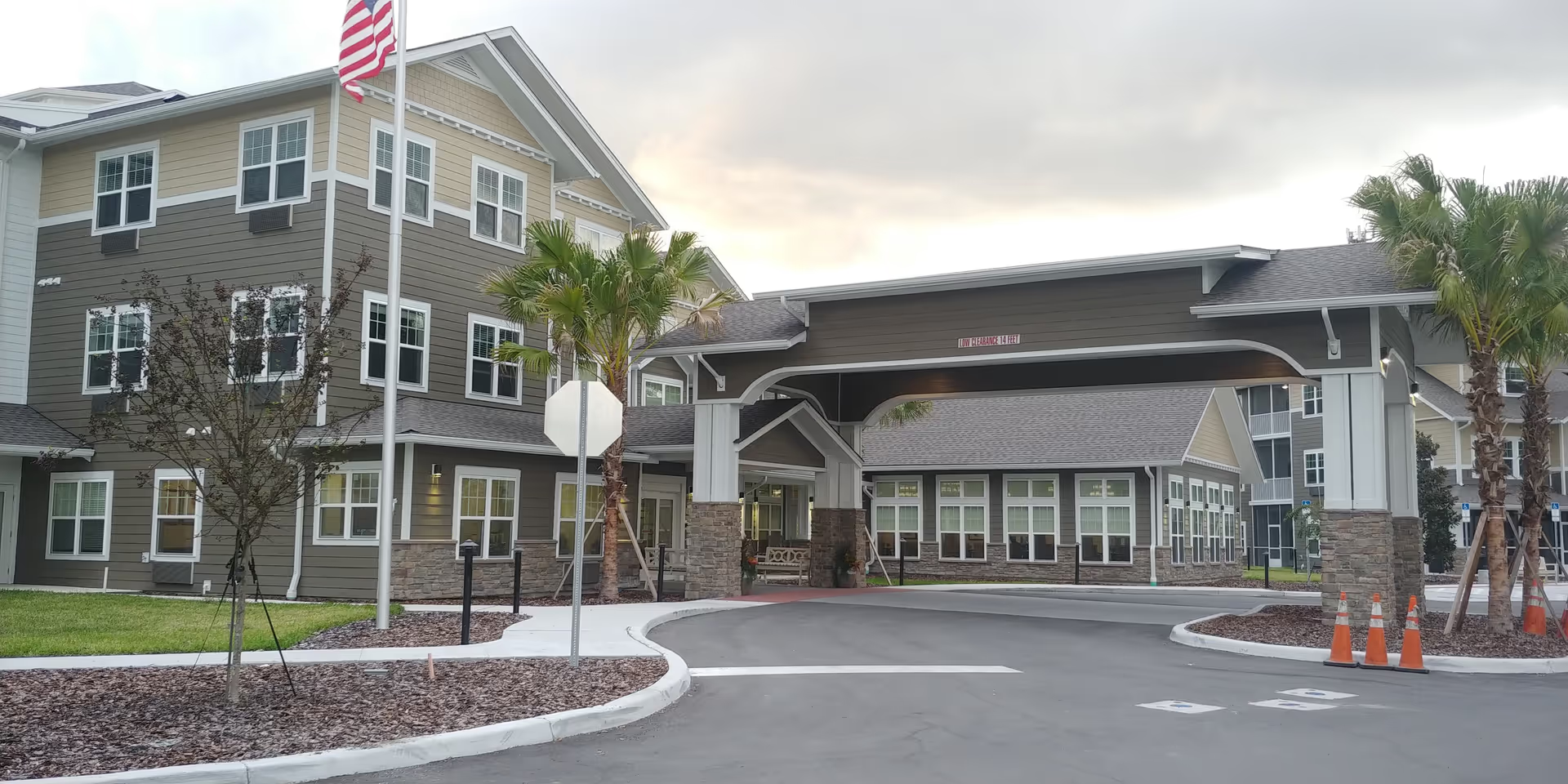
Overall impression: Twin Creeks presents as a well-appointed, recently constructed assisted living and memory-care community with many families praising its cleanliness, design, and active social environment. Numerous accounts highlight a warm, family-like culture among staff, an open-door administrative style, and a broad set of amenities (theater, gym, library, porches) that support resident engagement. The community routinely offers a varied activities calendar—Bingo, arts and crafts, live music, outings and field trips—and several reviews emphasize resident-led programming and family-involved events that contribute to social connection.
Care and clinical services: Many reviewers described attentive, compassionate care and praised nursing-administered medications, daily health monitoring, on-site therapy, visiting dental services, and pharmacy delivery options. At the same time, a pattern of clinical variability emerges: reviewers documented instances of medication-management problems, limited clinical coverage at weekends or after-hours, and occasions when dressing changes or other nursing services were not available. A small number of serious accounts raised concerns about clinical oversight and hospice coordination; these accounts contrast with the majority of positive reports and suggest that clinical consistency can vary over time and between shifts.
Staff and culture: The facility is frequently described as having caring, engaged staff who form close relationships with residents; activities and memory-care leaders are singled out for strong performance. However, persistent themes include staffing shortages and notable turnover among nursing and direct-care personnel. These operational pressures are associated with reports of delayed responses to call lights, uneven continuity of care, and variable experiences depending on shift and staff assignment.
Dining: Dining is a pronounced strength for many residents—reviewers often note a skilled head chef, nutritious and appealing meals, and accommodations for soft-food or allergy needs. Conversely, some reviews point to intermittent declines in food quality and to dining-room staffing shortages that affect meal service on occasion. Prospective families should assess current dining staffing and meal-service protocols during a tour.
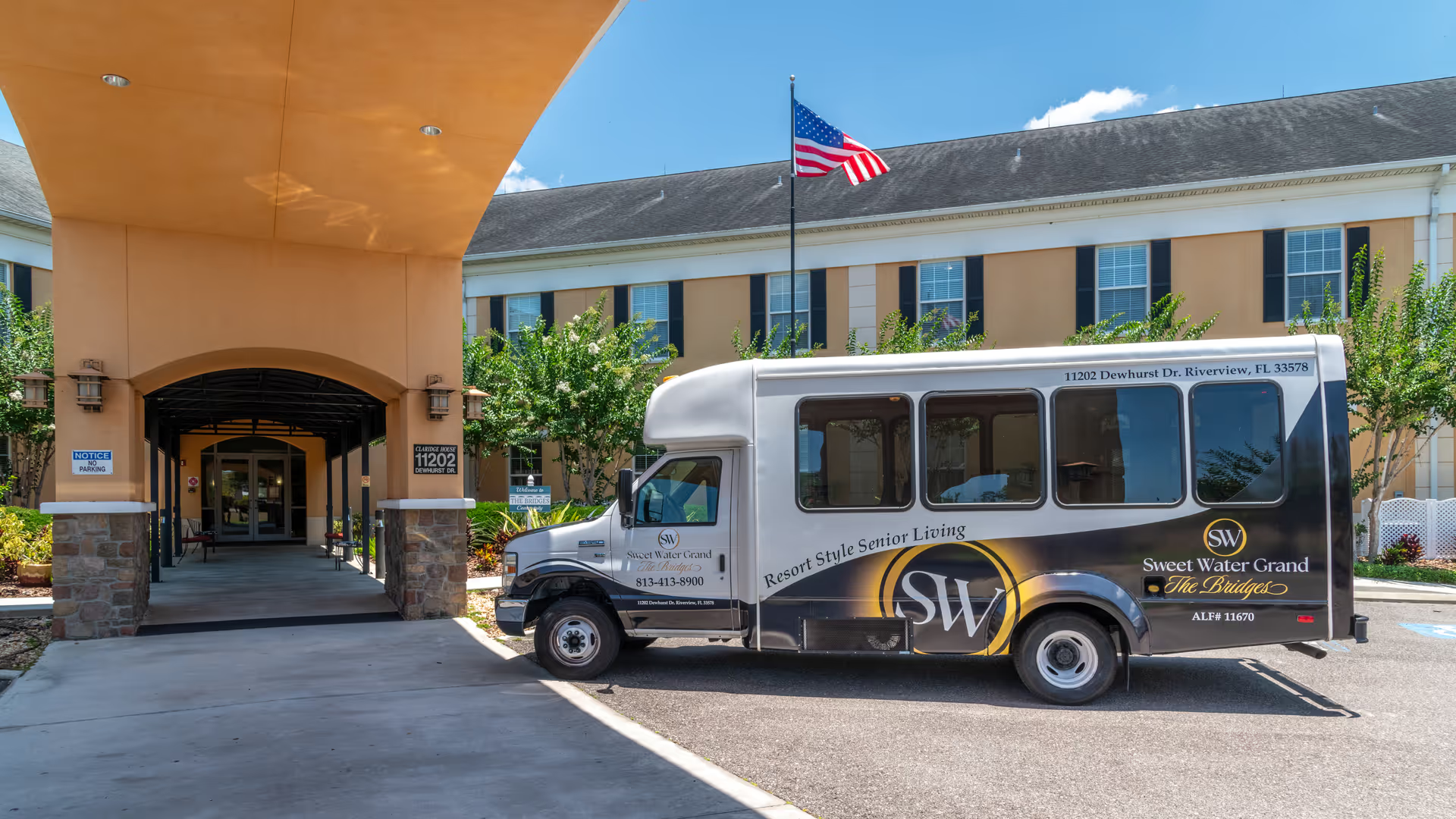
Activities and amenities: The programmatic offerings and physical amenities are widely praised: frequent social events, outings, a small bus for transport, ice-cream socials, and on-site entertainment are repeatedly mentioned. At the same time, activity frequency and the execution of outings can be uneven when staffing constraints occur, so activity consistency may vary.
Facilities and maintenance: The property is often described as immaculate, tastefully decorated, and well maintained, with private and comfortable apartment options. A minority of reviews cite unit-level housekeeping inconsistencies and isolated sanitation or odor concerns; these suggest that cleanliness standards may be strong overall but occasionally inconsistent in practice.
Management, communication and value: Many families commend the leadership for accessibility and transparent communication during transitions. Contrasting comments include concerns about billing clarity, perceived value versus cost, and uneven professionalism during tours or administrative interactions. Visitation policies were strictly enforced during infection-control periods, which several families found restrictive; prospective visitors should clarify current visitation protocols. Additionally, reports about hospice coordination and end-of-life communication indicate an area worth investigating directly with management.
Notable patterns and recommendations: The dominant strengths are compassionate staff, robust amenities, chef-driven dining, and an active social environment in a clean, new facility. The dominant operational weaknesses center on staffing consistency, clinical coverage variability, and occasional service lapses that affect medication handling, responsiveness, dining continuity, and housekeeping. Prospective residents and families should tour the community, ask for current staffing ratios and weekend clinical coverage, review medication-administration and hospice coordination protocols, request recent housekeeping and dining staffing plans, and clarify contract and billing practices to ensure expectations match current operations.