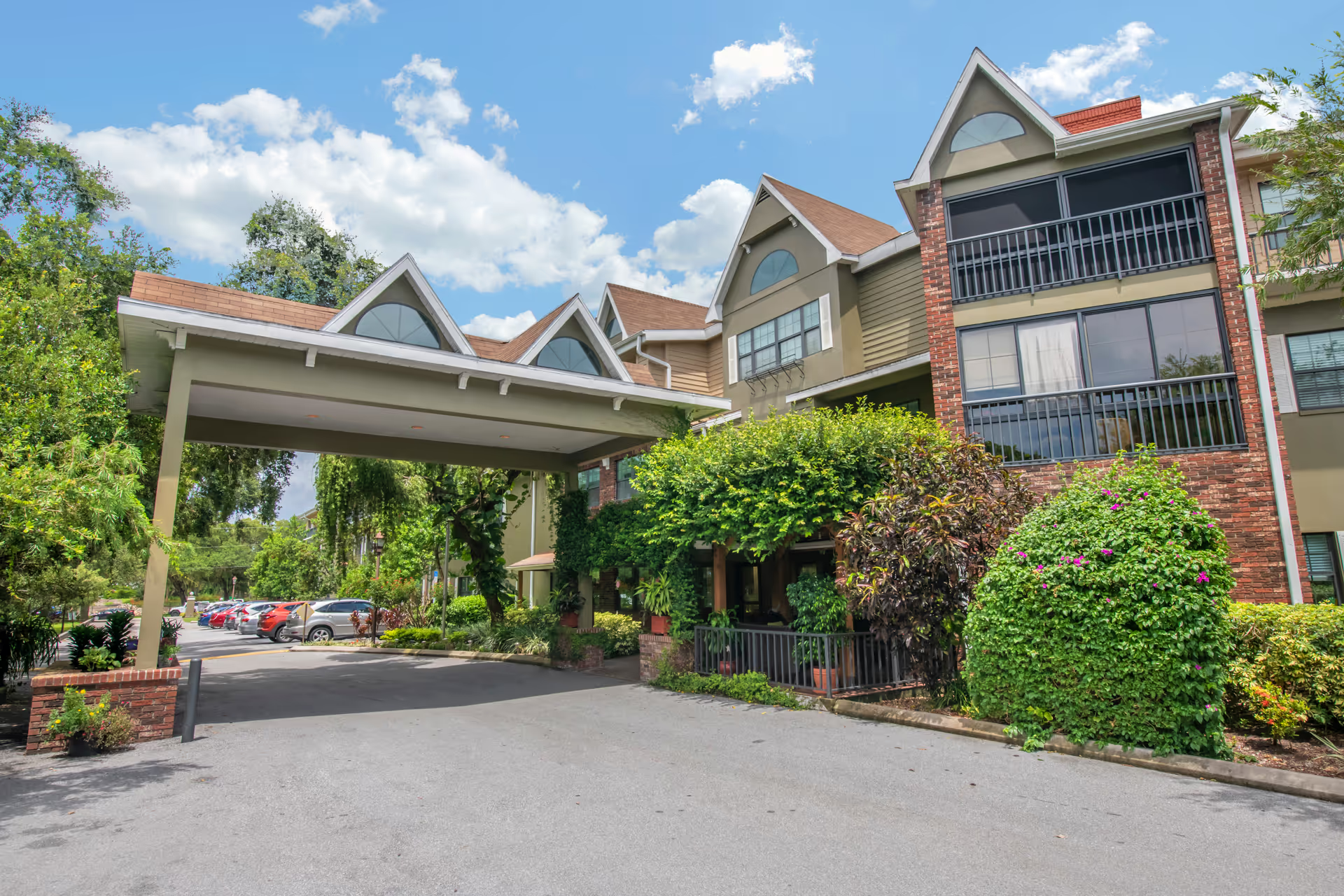
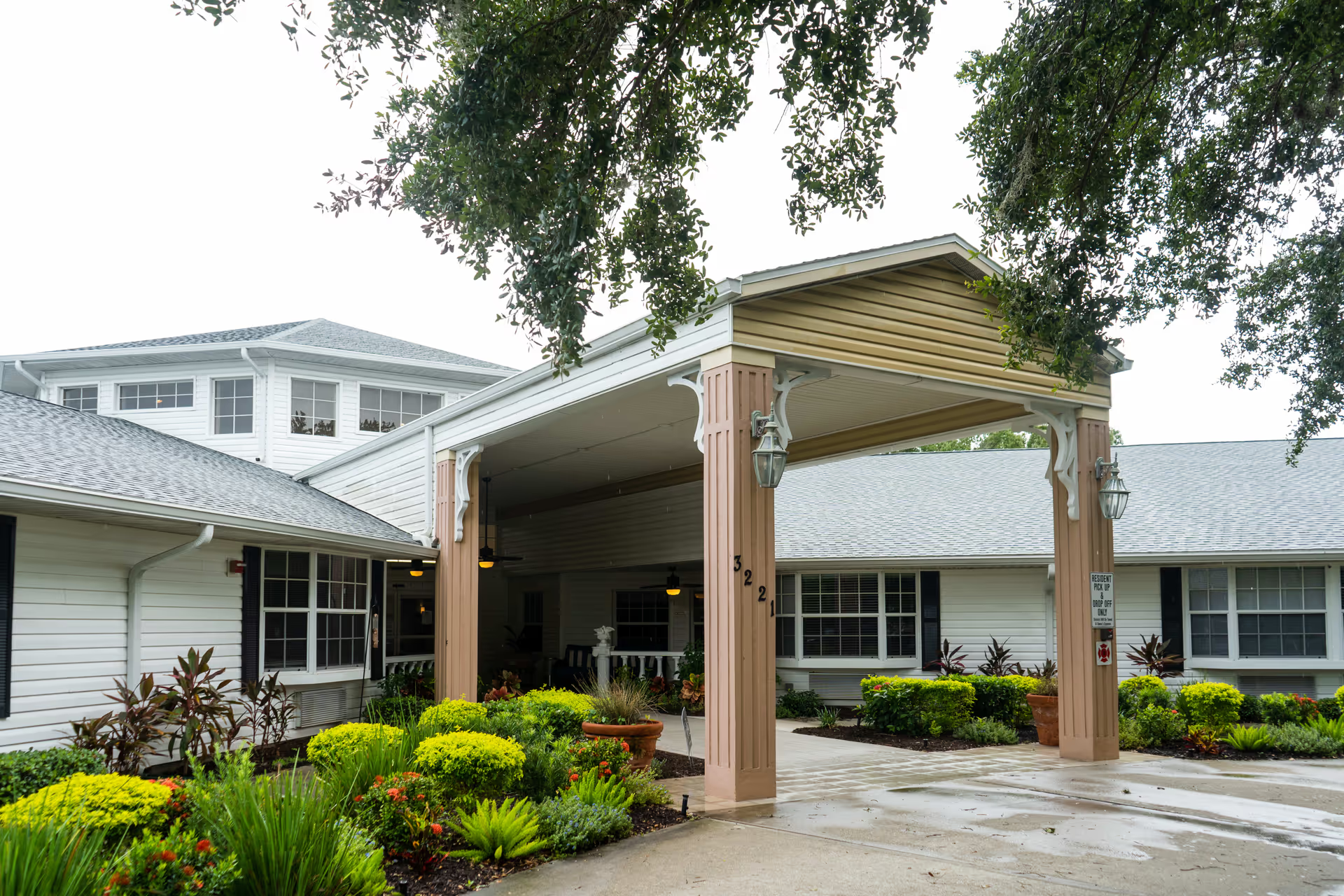
Alderman Oaks presents as a small, family-run retirement residence with many attributes typical of a boutique community. Reviewers consistently describe warm, compassionate staff who have long tenure and cultivate a family-like environment. Staff-level strengths include an attentive admissions process, owner accessibility, and caregivers who are praised for individualized, respectful interactions. The facility operates a rental model (no buy-in), and families note reliable housekeeping, laundry services, and an approachable management team.
Dining and activities are frequent strengths in the reviews. Meals are generally described as high quality, healthful, and diverse, with specific praise for desserts and healthy-snack options; at the same time a minority of comments indicate occasional declines in meal quality. The activities program is robust for a small community — daily classes, exercise programs, live music, painting and jewelry classes, salon services, and scheduled outings such as field trips and Lunch Bunch — supporting an active social life for residents who wish to participate.
Facilities reflect a compact, neighborhood-style setting: comfortable common areas, pleasant outdoor walking spaces, and a selection of apartment styles from studios to one-bedroom units. Several reviewers noted accessible design features and comfortable furniture; others raised that some apartments are small, lack kitchen or in‑room laundry facilities, and that portions of the interior decor and carpeting show wear. Outdoor grounds are generally praised, though some comments indicate limited exterior space in parts of the site.
Operationally, the most consistent concerns relate to staffing and clinical capacity. There are accounts of inconsistent staffing levels (including an early move-in period described as disorganized) and an acknowledged limitation in on-site nursing resources, which suggests the community is best suited to independent and lower-level assisted living needs rather than higher-acuity medical care. Some families reported transportation limitations for residents who use larger mobility devices, and a few described traffic or access constraints at certain times of day. In the memory-care area, reviewers flagged the risk of social isolation for some residents, indicating programming and engagement can vary by household or unit.
Overall, Alderman Oaks appears to offer strong interpersonal care, stimulating programming, and good dining in a small, intimate setting with attentive management. Prospective residents and families should weigh these strengths against the facility’s boutique scale — limited private in‑unit space, narrower clinical services, and occasional variability in staffing, maintenance, and meal consistency — to determine fit based on acuity needs and expectations for amenities and ongoing service continuity.