Brookdale Palmer Ranch presents a mix of clear strengths and recurring operational concerns. Many reviewers praised the caregiving team — CNAs, nurses, and therapists are frequently described as compassionate, engaged, and effective. Rehabilitation services (physical, occupational, and speech therapy) are a documented strength, with multiple accounts of successful recovery and improved mobility. Memory‑care programming also received positive attention for individualized activities and successful transitions. The community atmosphere is often described as warm and family‑oriented, with a small‑community feel that supports close staff–resident relationships.
Dining and nutrition are a visible focus: the facility has dietitian involvement, accommodates special dietary needs, and has undergone culinary changes that some families appreciated. At the same time, meal quality appears inconsistent — several reviewers noted overcooked or underseasoned items, uneven kitchen performance, and variability between dining experiences. The dining room and guest‑meal options are generally seen as pleasant when service is functioning well.
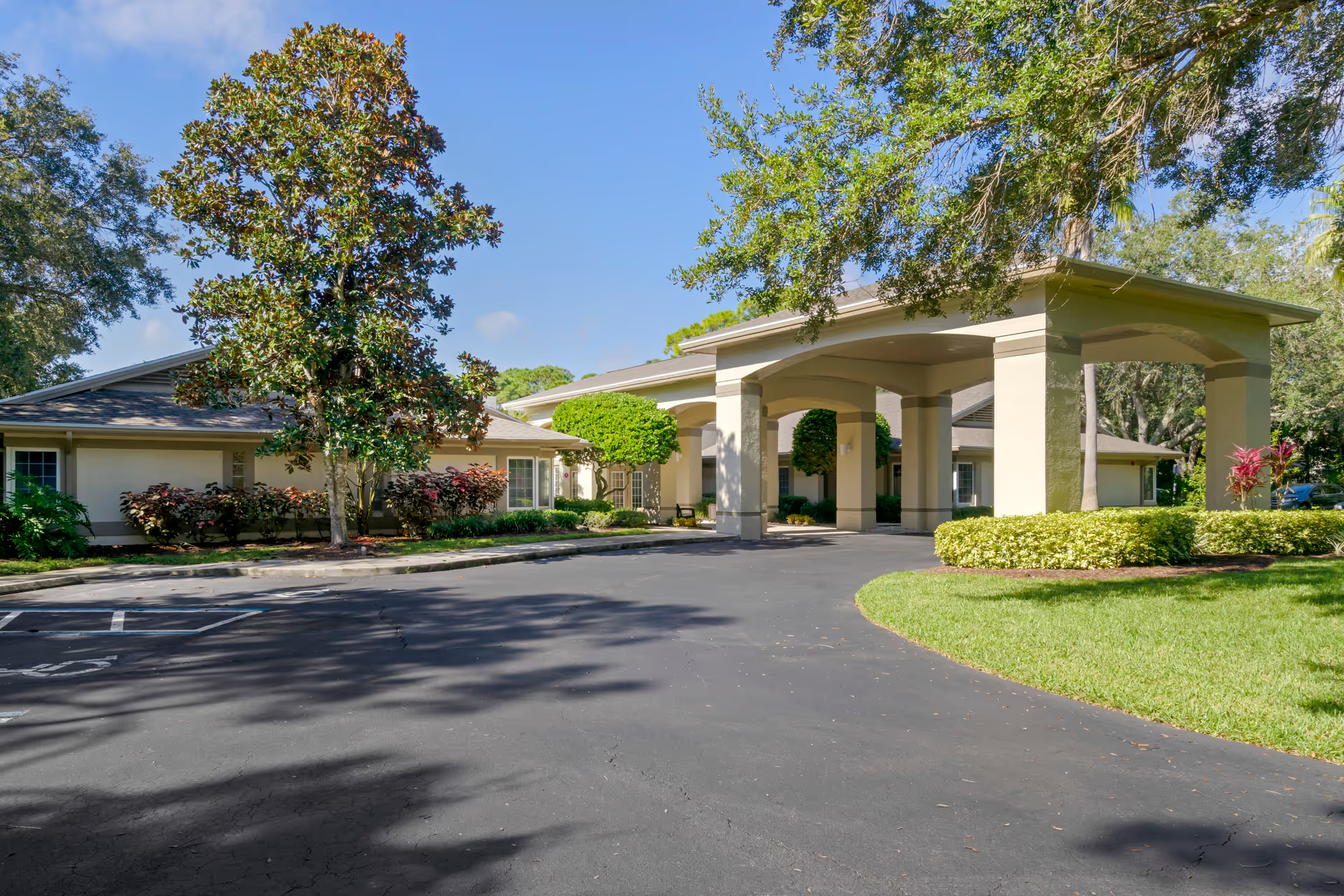
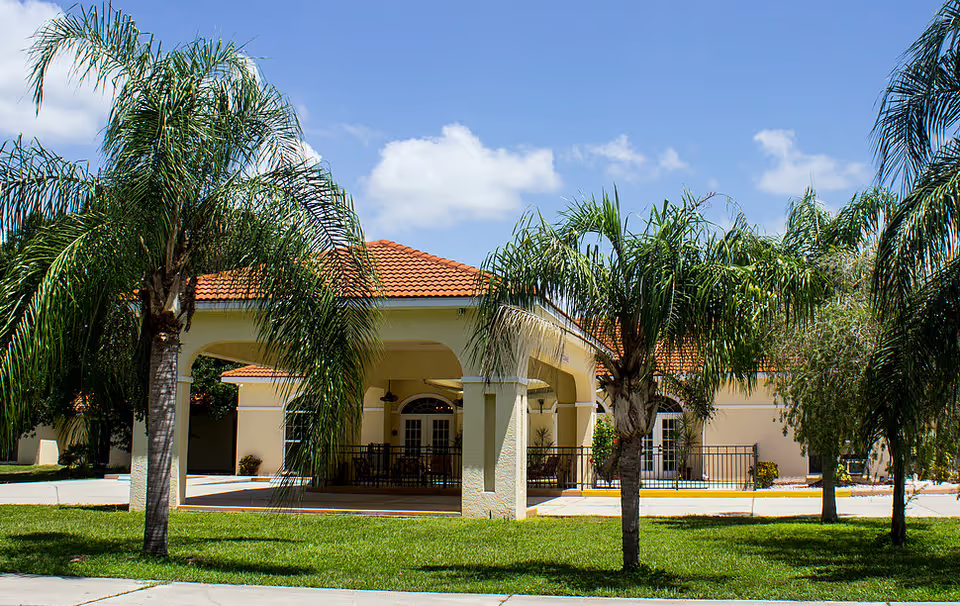
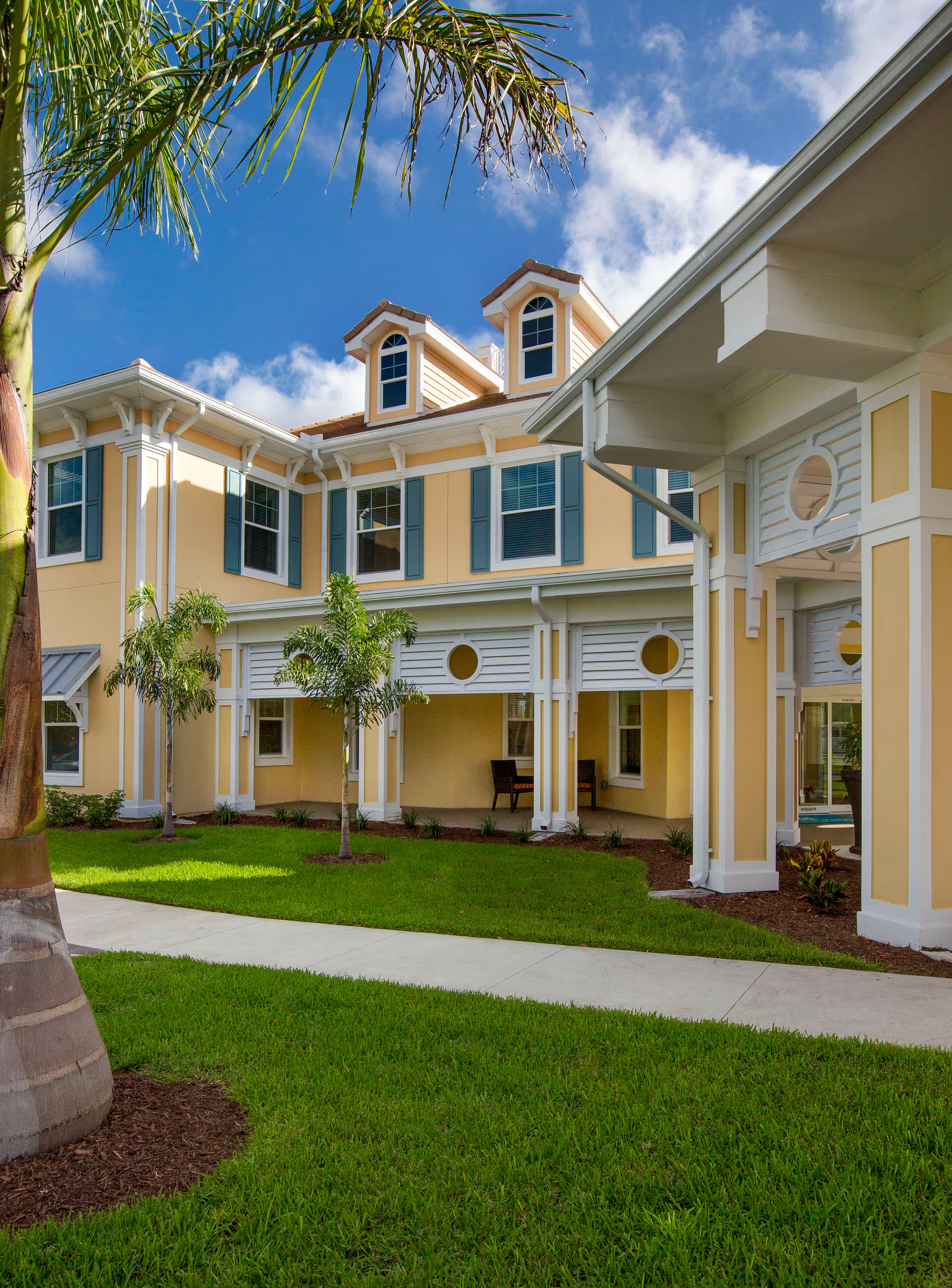
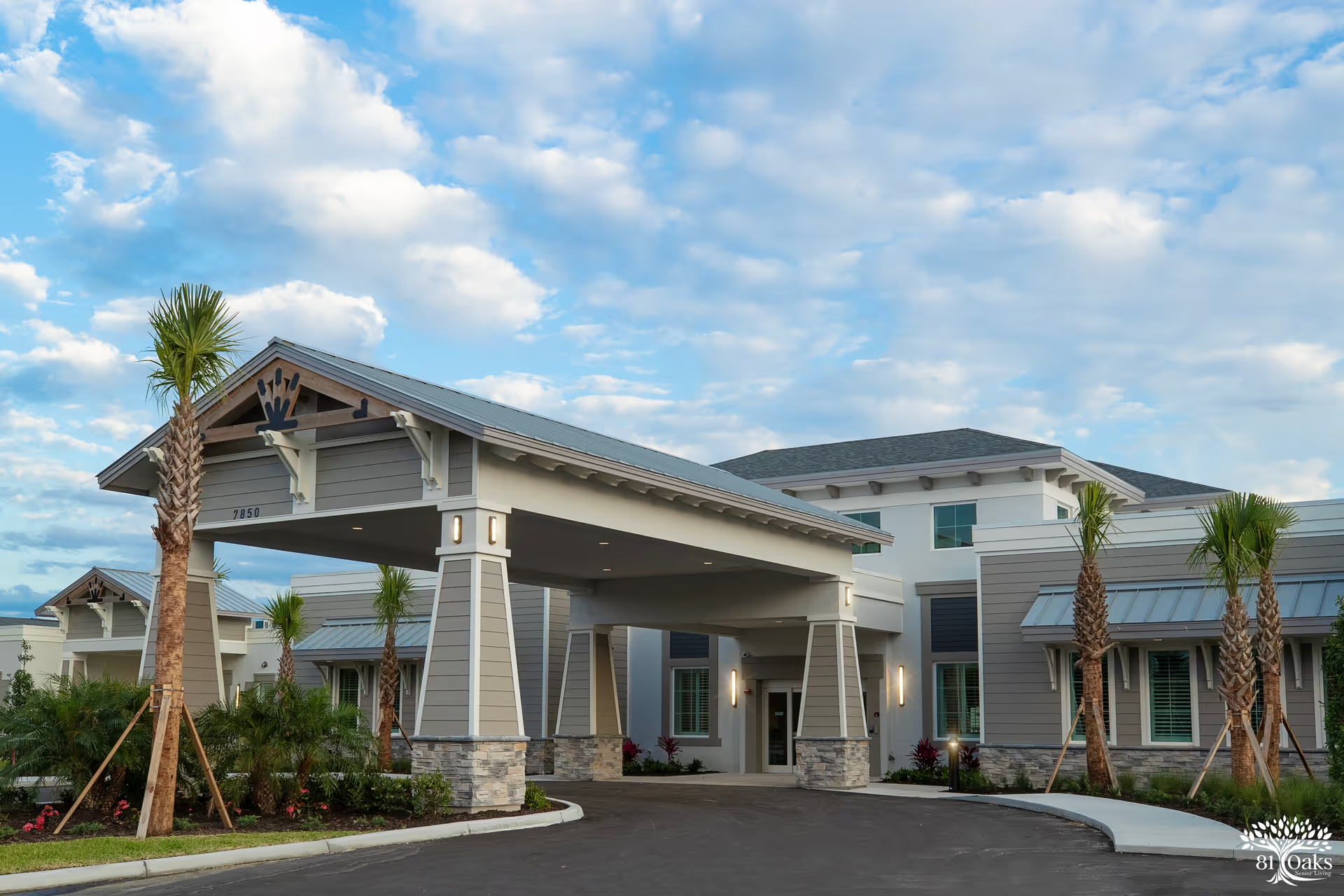
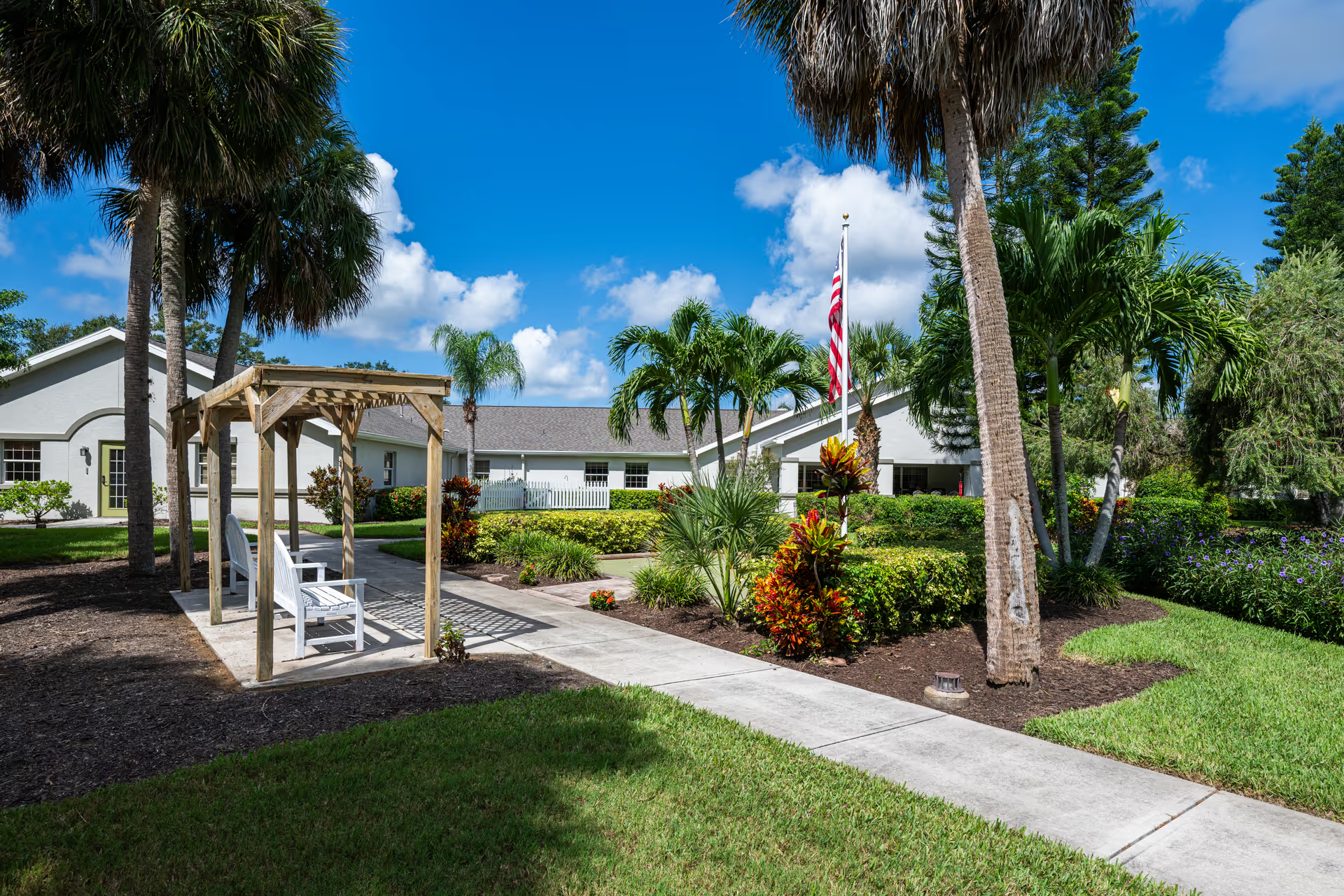
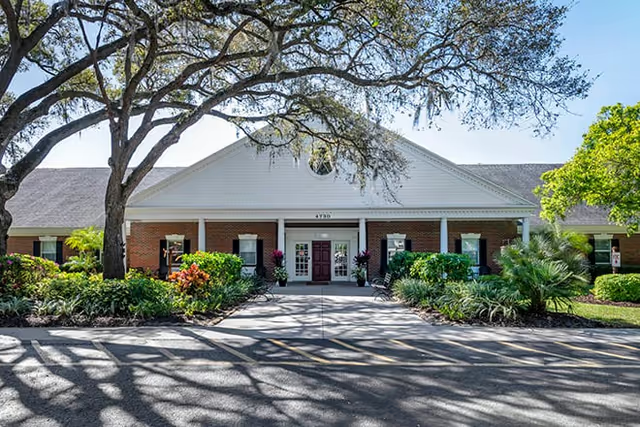
Activities and social programming are a clear positive. The community offers a broad range of options (bingo, virtual bowling/Wii, music, outings, happy hours and intergenerational events) that support resident engagement. Common areas, landscaping, and renovated private rooms receive favorable remarks: many find the interiors bright, clean, and tastefully updated, with accessible bathrooms and sensible safety features.
Operationally, the facility shows persistent weaknesses that prospective families should consider. Staffing inconsistencies — particularly on evenings and nights — and slow call‑button response times were recurrent themes. These service gaps are linked in several reviews to delays in assistance, personal‑care checks, and medication administration; reviewers also described pharmacy coordination problems that contributed to medication delays. Cross‑department communication and administrative coordination (billing, transfers, and documentation of care/activities) were called out as uneven, and a subset of reviews raised serious administrative and conduct concerns, including allegations of improper billing and other misconduct.
Maintenance is mostly adequate but not uniform: landscaped grounds and renovated units coexist with reports of slow repairs and occasional pest‑control issues. Cleanliness is often praised in common areas and newly renovated spaces, though a few reviewers described sanitation and incontinence‑care concerns in specific contexts. Clinical incident response and family communication show variability — some families praised prompt, detailed updates, while others described delays in notification following falls or end‑of‑life situations.
In summary, Brookdale Palmer Ranch demonstrates strengths in personalized caregiving, therapy/rehab outcomes, memory‑care programming, and resident engagement. These positives are tempered by recurring operational patterns: inconsistent staffing, delayed response times, variable dining quality, and administrative/communication gaps. Families considering the community should verify current staffing levels and call‑response metrics, ask about recent changes in management and kitchen leadership, review medication‑management processes, and request documentation of care practices and incident‑notification protocols to ensure the community’s operational performance aligns with their needs.