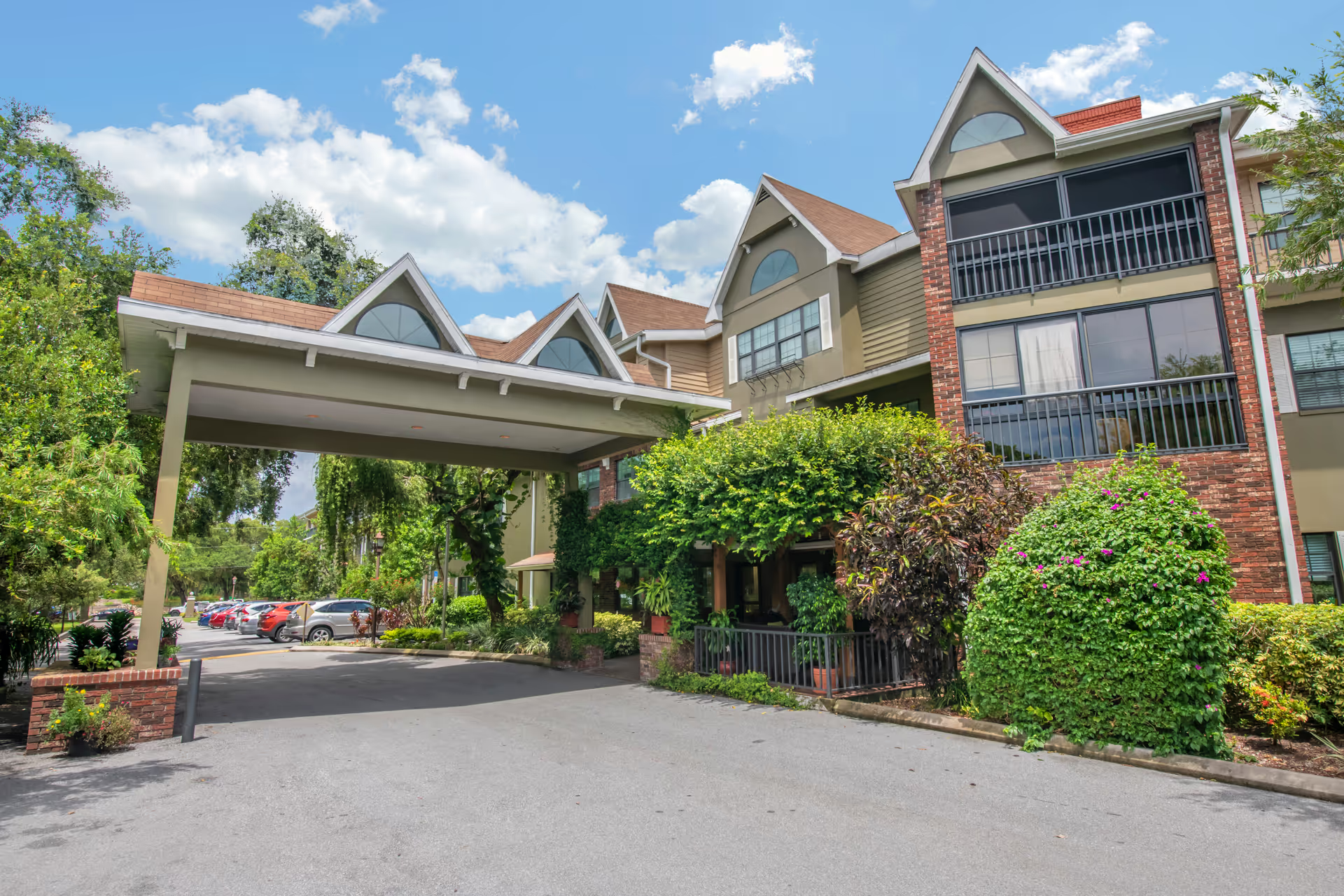
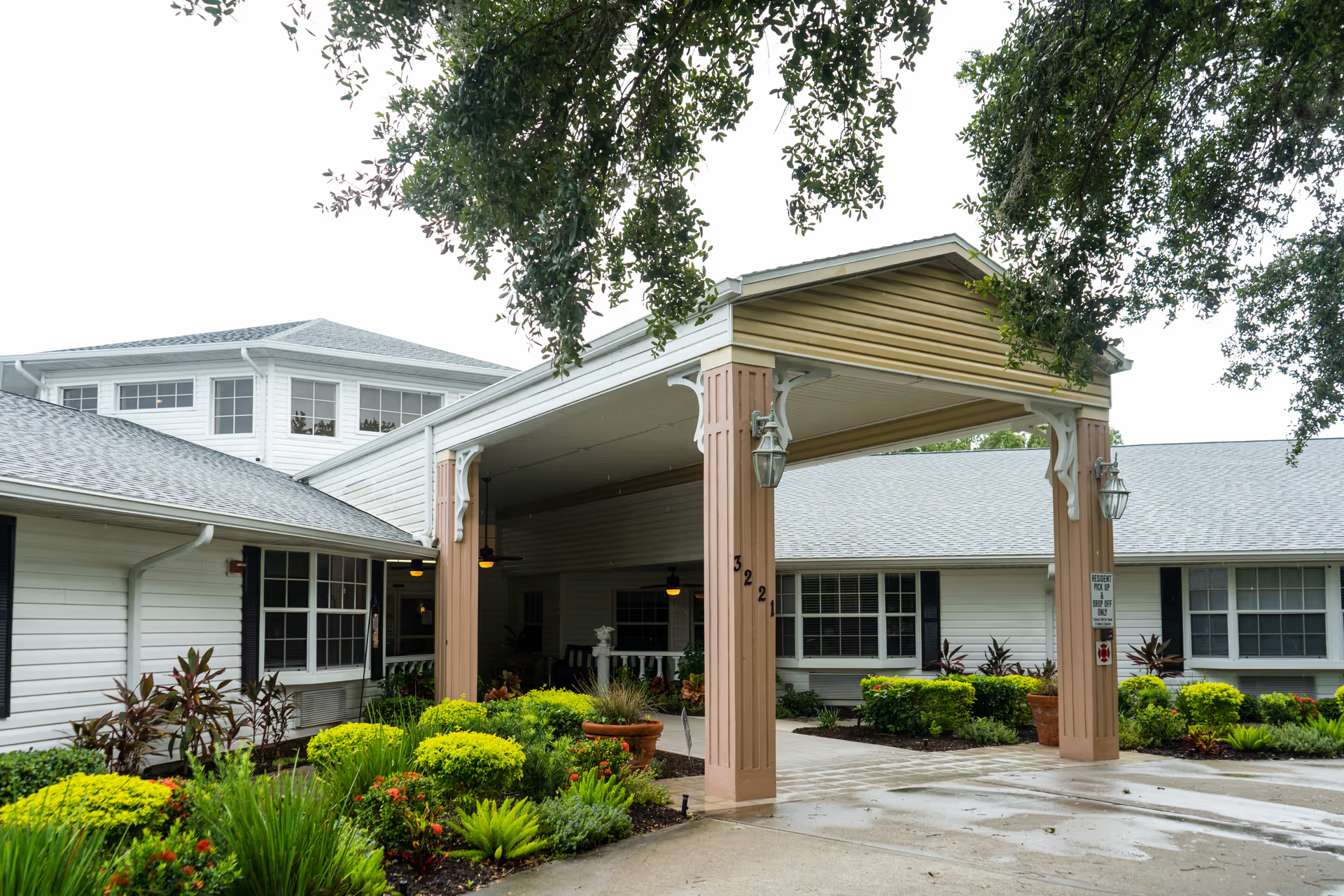
Overall sentiment across the reviews is strongly positive, centered on high-quality, compassionate caregiving and a home-like, small-facility atmosphere. Reviewers repeatedly emphasize that caregivers provide personalized attention and go out of their way to make residents feel comfortable and at home. The facility’s size and house-like setup are presented as deliberate strengths: the smaller scale contributes to a warm, intimate environment rather than an institutional feel. A common refrain is that the communal aspects of the household — particularly meals taken together — foster a family-like sense of community and belonging.
Care quality and staff stand out as the most frequently praised elements. Caregivers are described as fabulous and attentive, with specific praise for an individual caregiver named Mary, who is characterized as joyful, helpful, and willing to exceed expectations. Multiple notes about residents bonding with caregivers indicate consistent, relationship-based care rather than purely transactional caregiving. Phrases such as “well cared for” and “easy to say this is the place” reflect a high level of resident and family satisfaction. The reports of caregivers going beyond expectations suggest a culture of proactive, compassionate engagement with residents’ needs.
Facilities and activities are described positively within the context of the small, home-like setting. The house is called out as nicely set up, and the presence of a pool and enjoyment of pool time are specifically mentioned as appreciated recreational options. Because the facility is smaller and designed to feel like a home, activities and communal routines (especially shared meals) appear to be organized to reinforce social connection and the sense of family rather than large-scale programming.
Dining is another clear strength: meals are described as thoughtfully prepared, and the practice of dining together is repeatedly noted as a contributor to the overall sense of being at home. The shared-meal ritual is portrayed as both nourishing and socially meaningful, helping residents feel connected and cared for beyond basic nutrition.
The primary and recurring concern in the reviews is emotional: residents may experience significant distress around the loss of independence and the process of moving in. Several summaries note an initial period of devastation or upset about losing independence, even when the ensuing care experience is very positive. However, the narratives also indicate that this emotional adjustment often improves over time as residents bond with caregivers and settle into routines (one account references a two-year stay and positive engagement like pool time). This pattern suggests the transition is a predictable challenge rather than a failure of care, with staff relationships and the home-like environment playing key roles in easing that adjustment.
Notably absent from the summaries are specific criticisms about management, cleanliness, safety, medical care quality, or cost — either because reviewers did not raise such issues or because the provided summaries omitted them. The available information is concentrated on interpersonal care, environment, dining, and emotional adjustment. In sum, the reviews paint Croton Manor as a small, well-run, family-oriented residential setting with strong, relationship-based caregiving and meaningful communal routines, while also highlighting the predictable emotional difficulty residents may face when transitioning from greater independence to residential care.