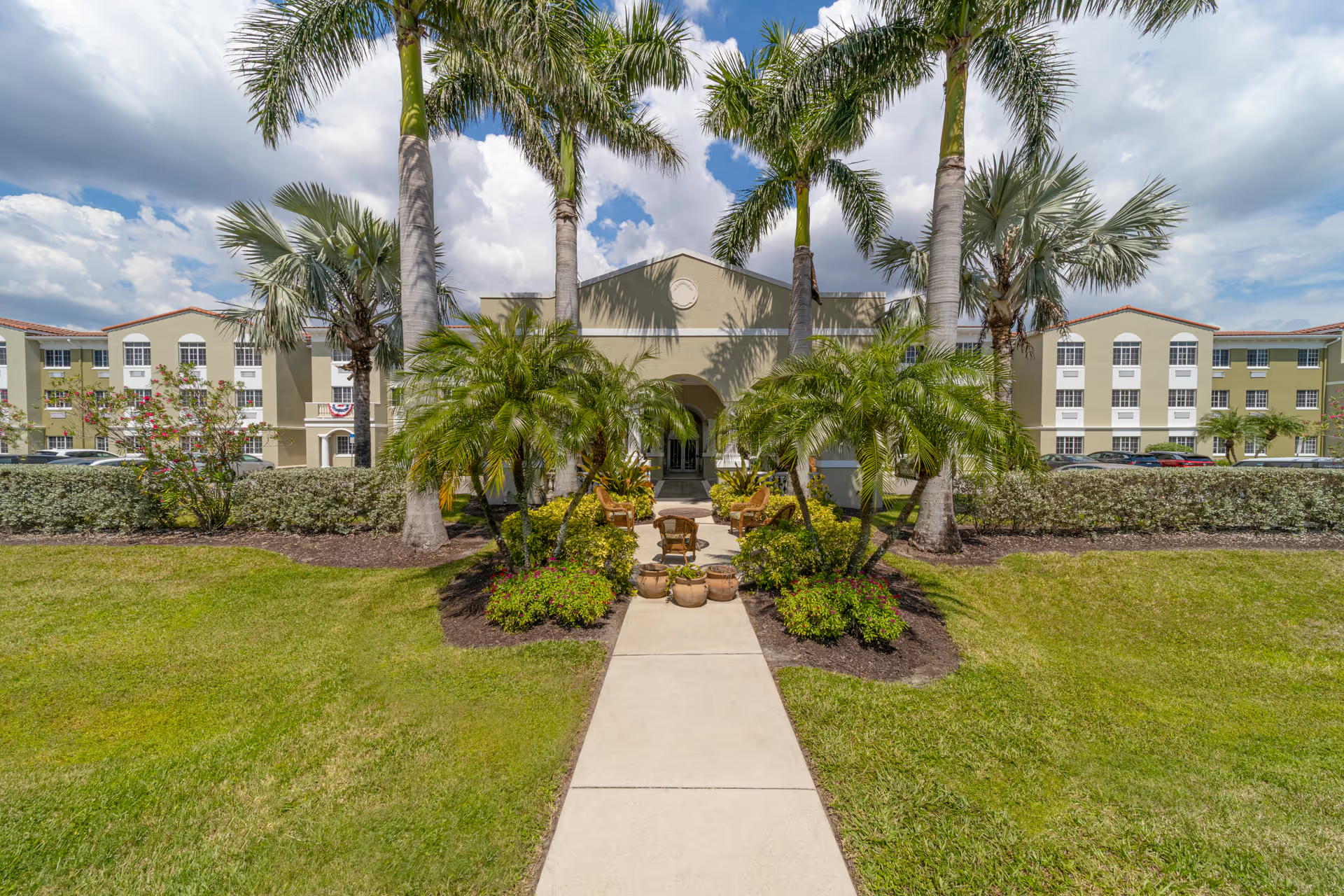
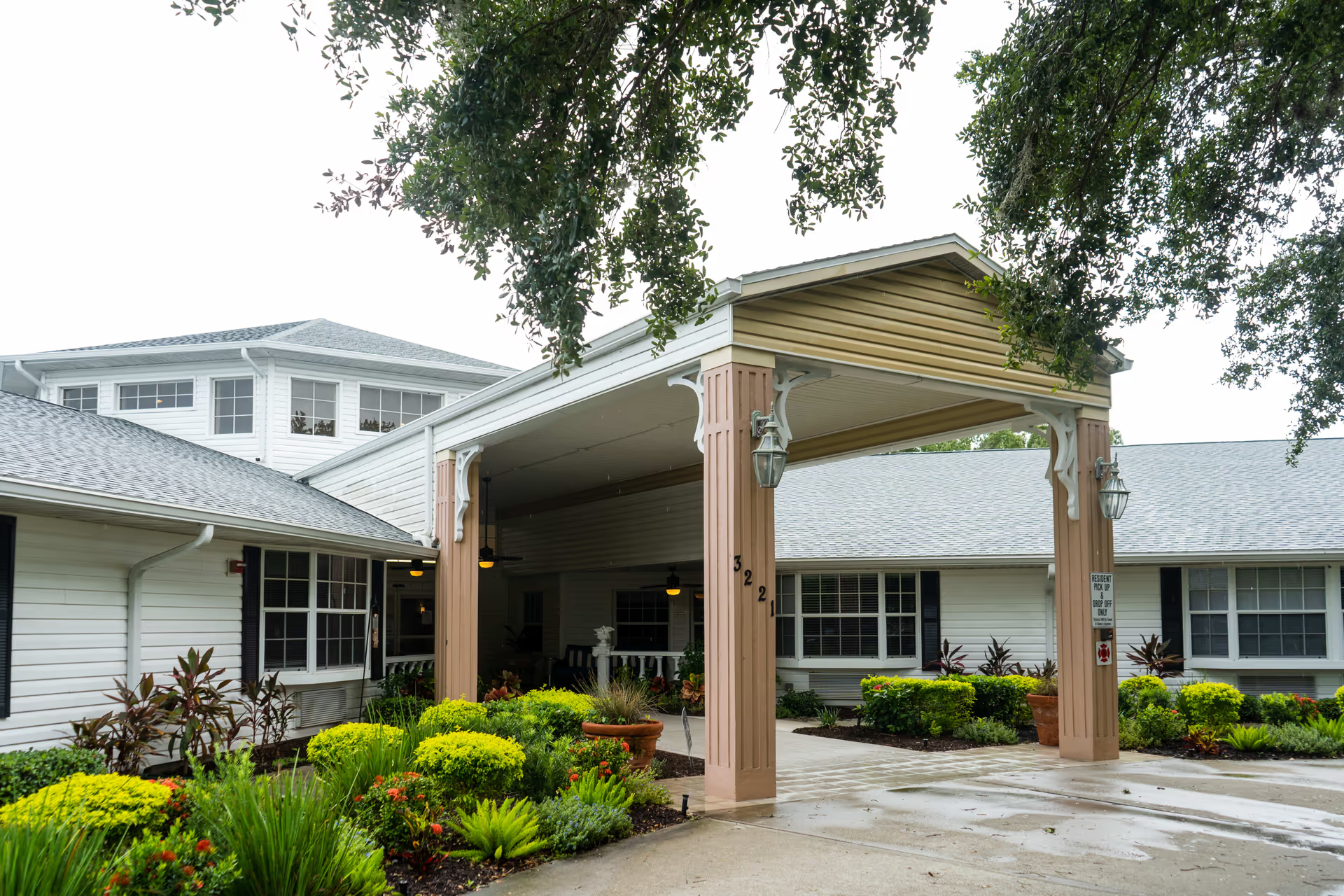
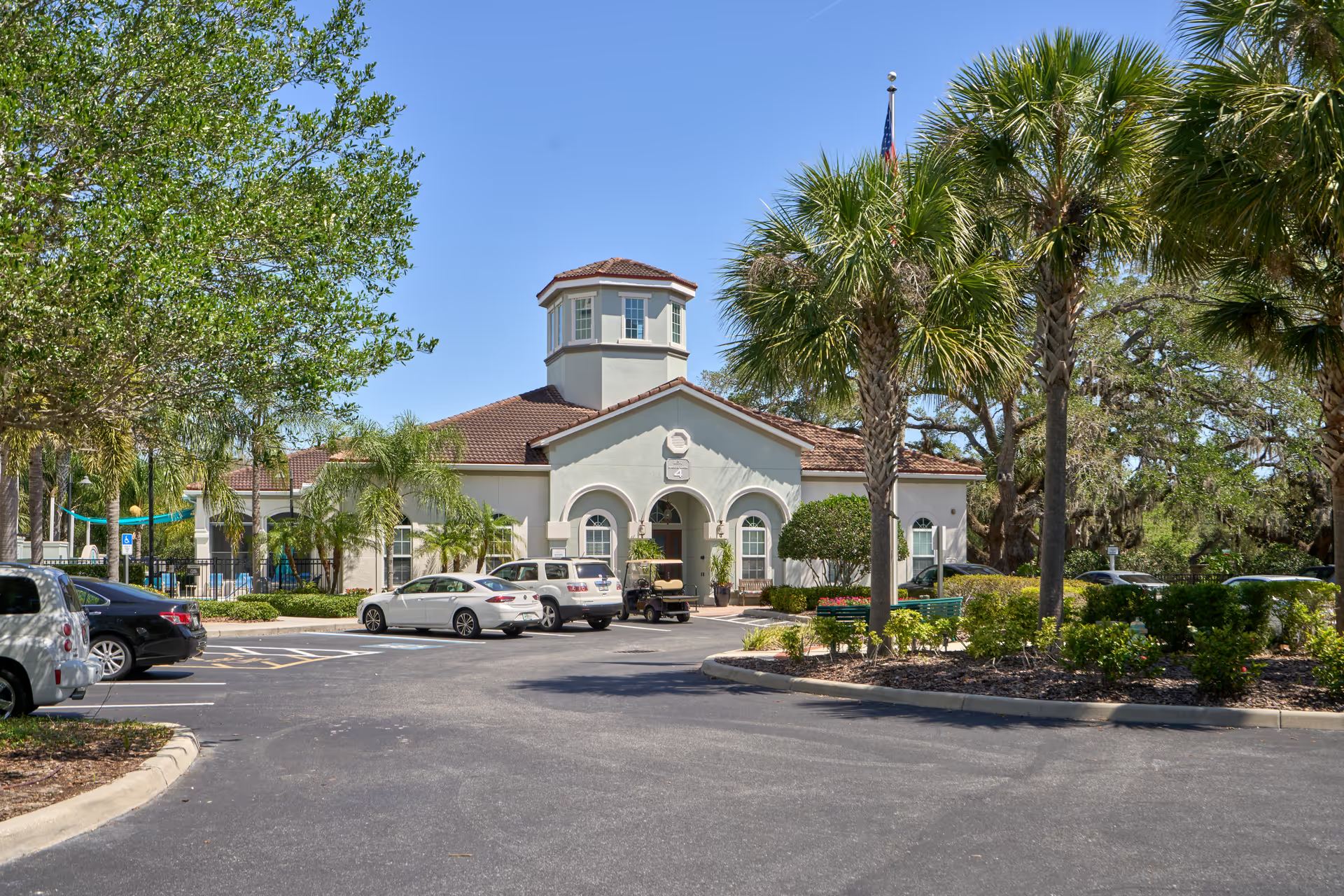
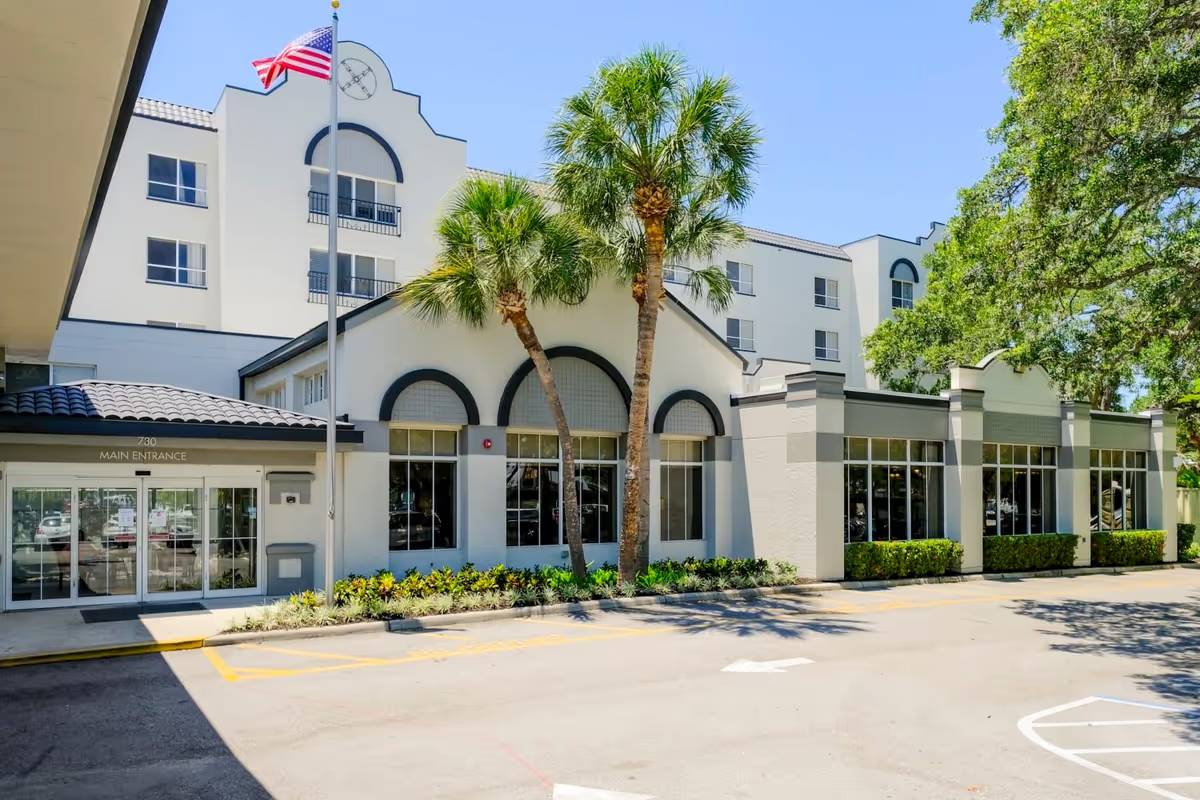
Reviews present a polarized picture: many families praise day-to-day caregiving, clinical leadership, activities and the physical environment, while others raise substantial operational and safety concerns. Positive accounts emphasize compassionate, attentive caregivers, a professional nurse practitioner and engaged nursing direction, clean rooms and attractive social spaces, consistent activity programming (including entertainment and animal visits), and affordable all-inclusive pricing. Several reviewers described smooth admissions, helpful office and billing interactions, and residents who improved in mood and appetite after moving in.
Care and staffing are the most mixed areas. Praises focus on individual caregiver compassion, strong memory-care programming, and visible clinical competence from advanced clinicians. However, multiple reviewers described chronic staffing challenges: insufficient overall staffing, frequent staff turnover, shortages of licensed nurses (LPNs/RNs), and lower coverage on weekends. Those operational gaps were linked to delays in attending to residents, inconsistent bathing and incontinence care, and instances where families felt clinical responses were too slow.
Dining and activities receive mostly positive marks for tasty, home-style meals and a robust schedule of social and recreational programming. Still, some families experienced inconsistent meal quality and service interruptions. Activity offerings, communal relaxation areas and opportunities for social engagement were repeatedly cited as strengths that support resident well-being.
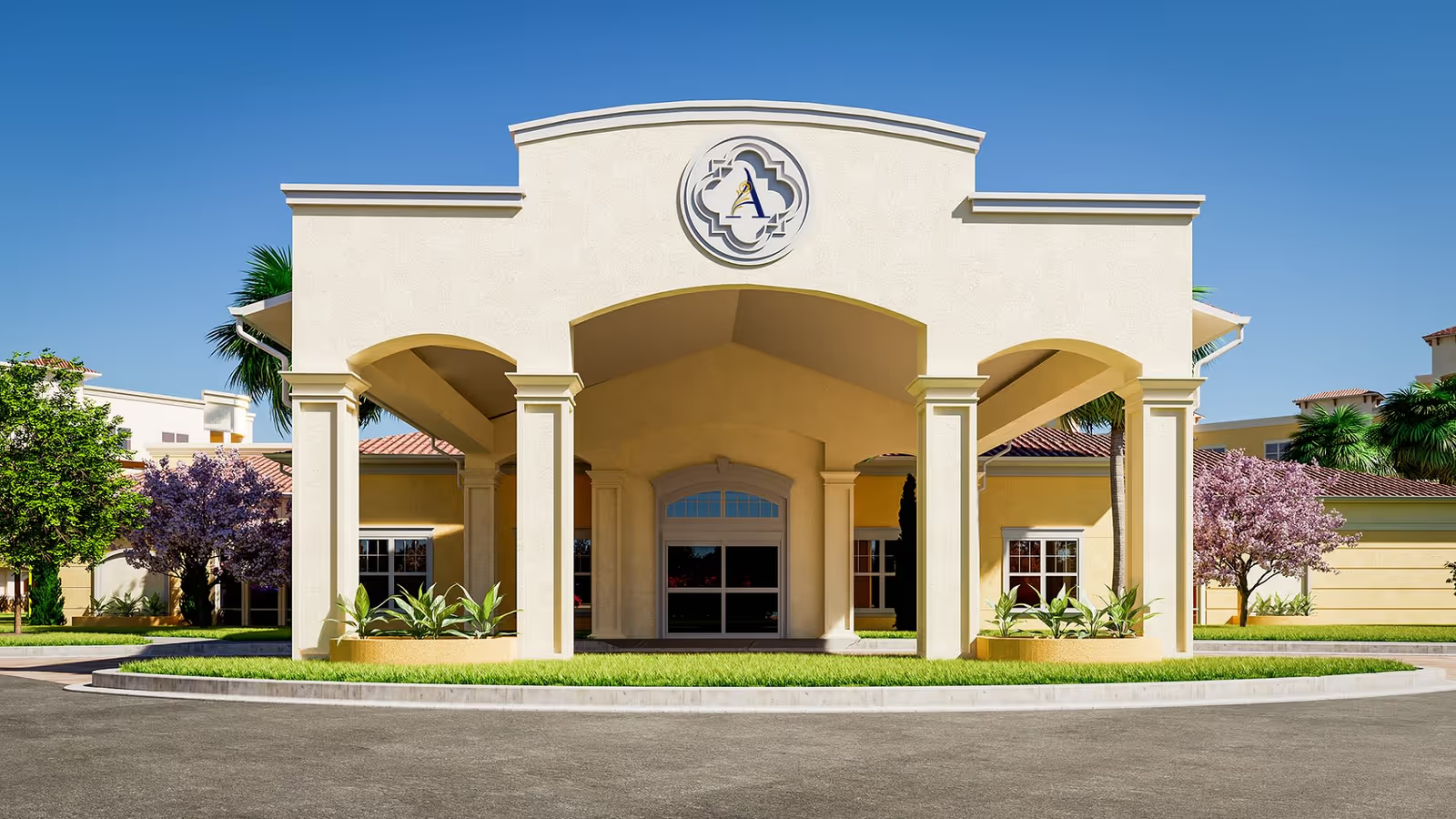
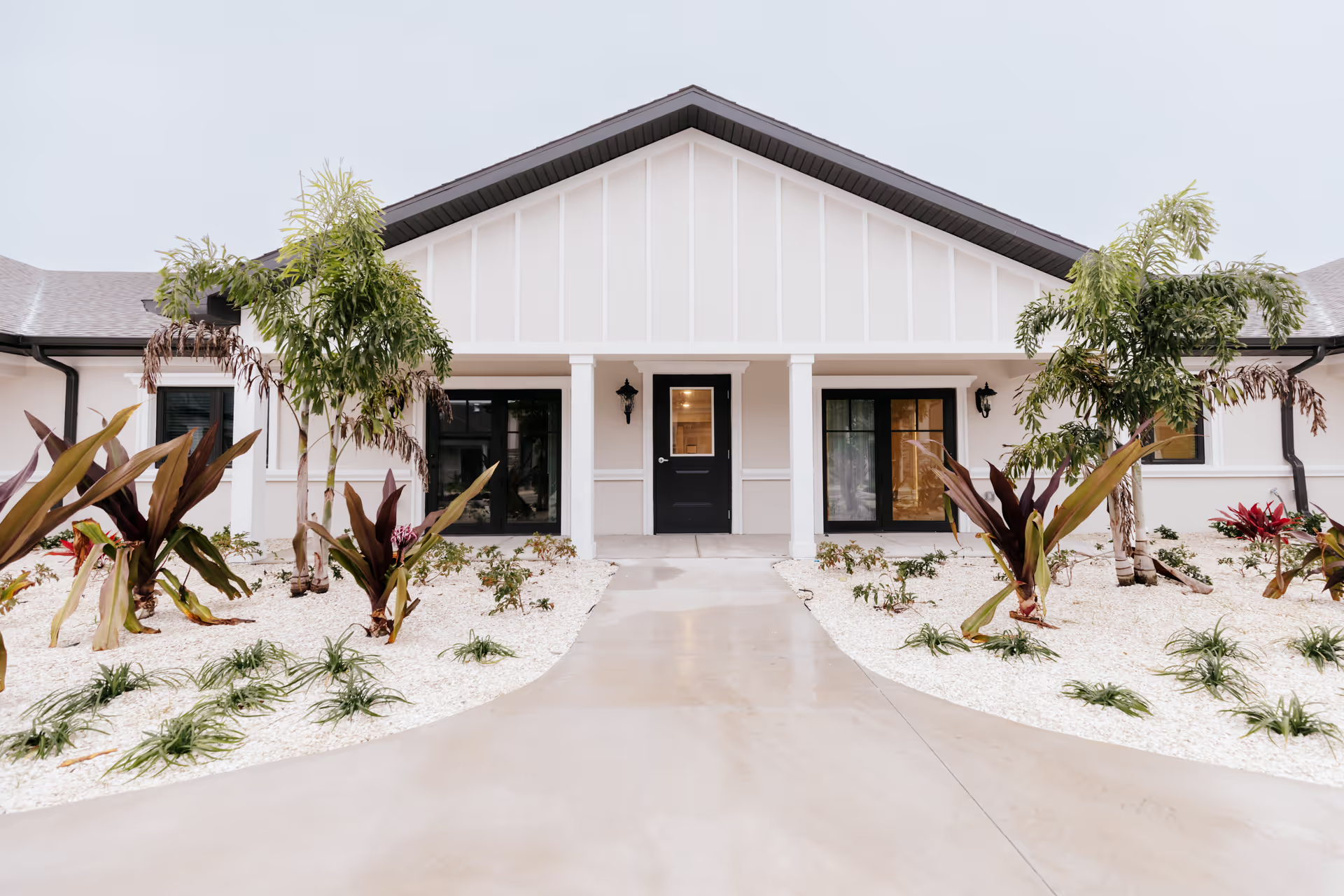
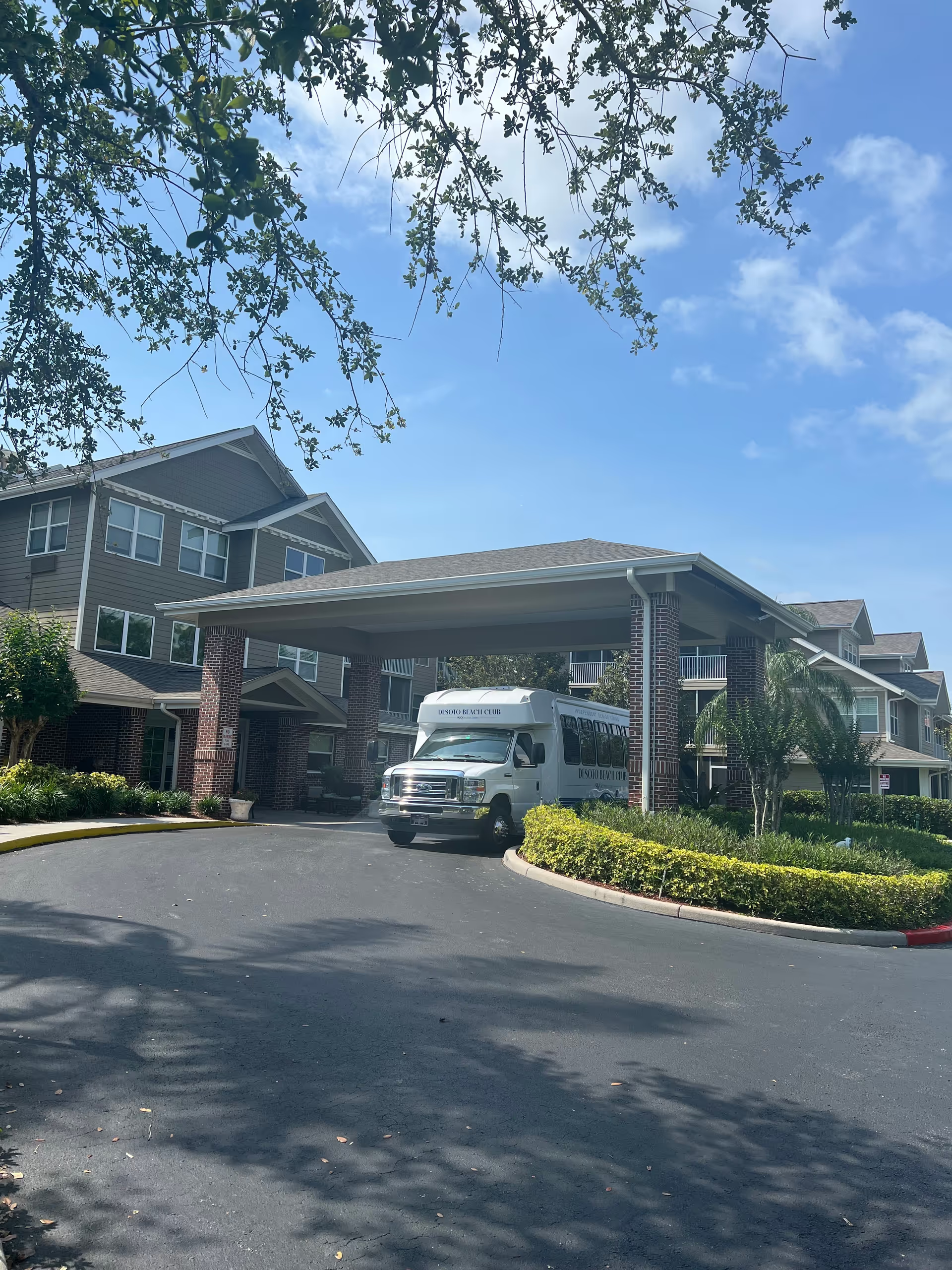
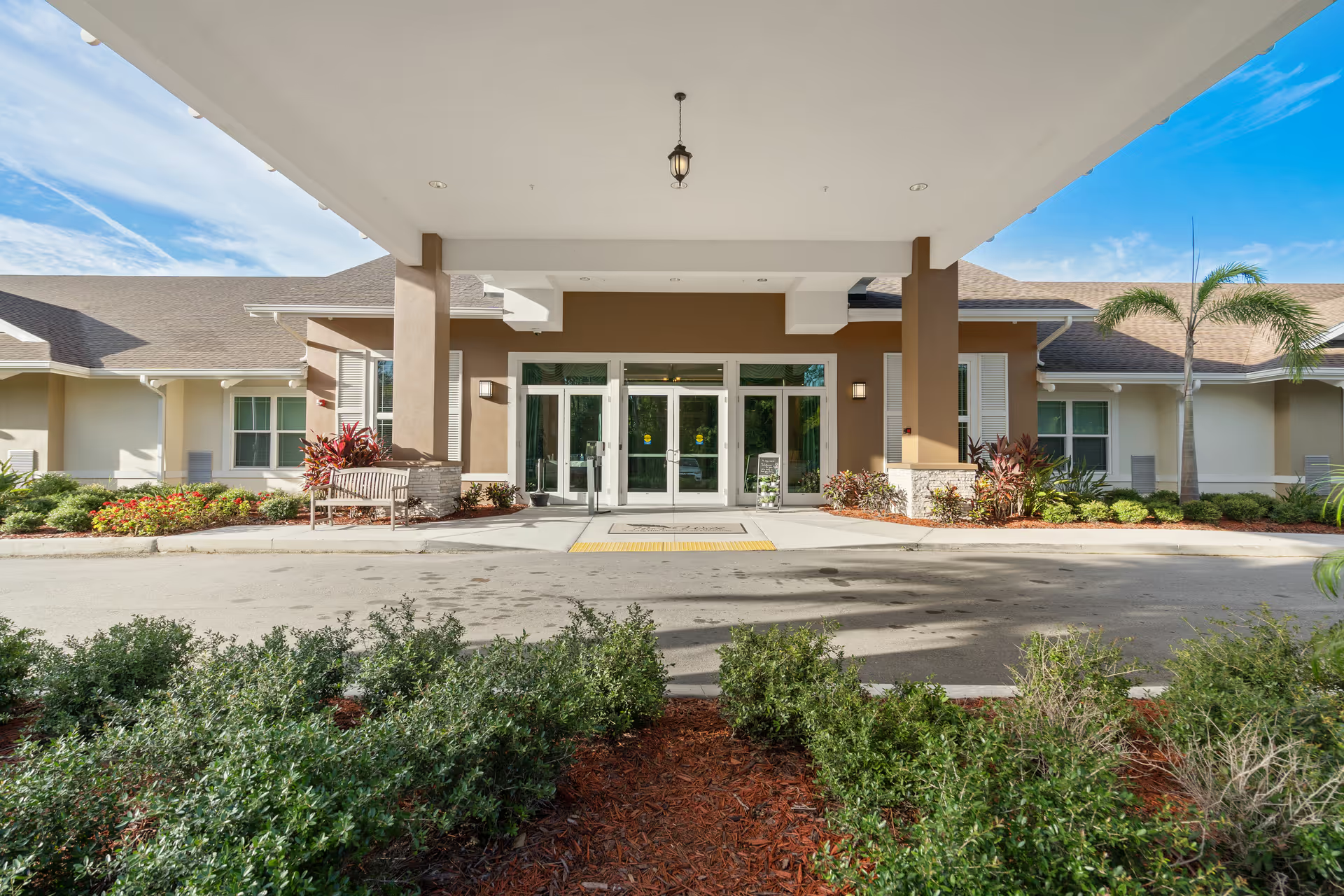
Facility maintenance and housekeeping are generally described as good in many accounts, with clean, large rooms and attractive common areas. Conversely, other reviewers reported sanitation and housekeeping inconsistencies (trash removal, laundry delays, and occasional odor concerns), indicating variability across units or shifts rather than a uniformly maintained experience.
Management and organizational themes show clear divergence. Positive reviewers describe strong, visible leadership and well-run operations; critical reviewers describe management instability, frequent leadership changes, a management overhaul that some felt did not resolve problems, perceived prioritization of financial considerations over care, and concerns about favoritism or nepotism. Communication quality is likewise inconsistent: several families praised thorough, timely updates, while others reported difficulty obtaining information or felt defensive responses from staff.
Notable patterns for prospective families: the facility can deliver high-quality, compassionate memory care and a pleasant living environment when staffing and leadership are stable. At the same time, the frequency and seriousness of negative reports—including operational failures, sanitation inconsistencies, security concerns for private rooms, and at least a few accounts of severe clinical incidents—warrant careful due diligence. Visitors should assess current staffing levels (including weekend coverage and licensed nurse availability), observe housekeeping and meal-service practices across multiple shifts, review incident-response protocols and documentation, and ask specifically about recent leadership changes and their measurable impact on care metrics.