Overall impression: Reviews indicate a facility with clear strengths in rehabilitation, a strong activity program, and appealing outdoor and communal spaces. Many families and residents praised the therapy teams, attentive daytime nursing and caregiving staff, the activity director, and the appearance of the grounds and public rooms. Administrative and intake staff are frequently described as helpful, and the facility has positive features for families such as virtual care-plan meetings and accessible outdoor dining.
Care quality and staff: The facility receives repeated commendation for rehabilitation services and for many caregivers who demonstrate compassion and attentiveness. Therapy-driven recoveries and short lengths of stay are cited as positive outcomes. At the same time, there is a recurrent pattern of variability in staffing and responsiveness, particularly on night and early-morning shifts. Reviewers describe issues that reflect operational gaps — delayed medication administration or medication-timing problems, inconsistent follow-through on clinical orders, and occasional unapproved changes to therapy plans. Families who praised care tended to highlight specific staff members and consistent communication; families with concerns cited communication breakdowns, wound- and skin-care management worries, and the need to closely monitor medication and therapy plans.
Dining and activities: The facility’s activity program is a consistent strength, with frequent events, outings, library trips, and on-site entertainment noted as important contributors to resident engagement. Many reviewers described the activity director and social services as highly involved and resident-centered. Dining experiences are mixed: several reviews describe enjoyable meals, outdoor dining options, and individualized service, while other feedback points to inconsistent food quality, missed meal orders, and occasional reliance on outside food services.
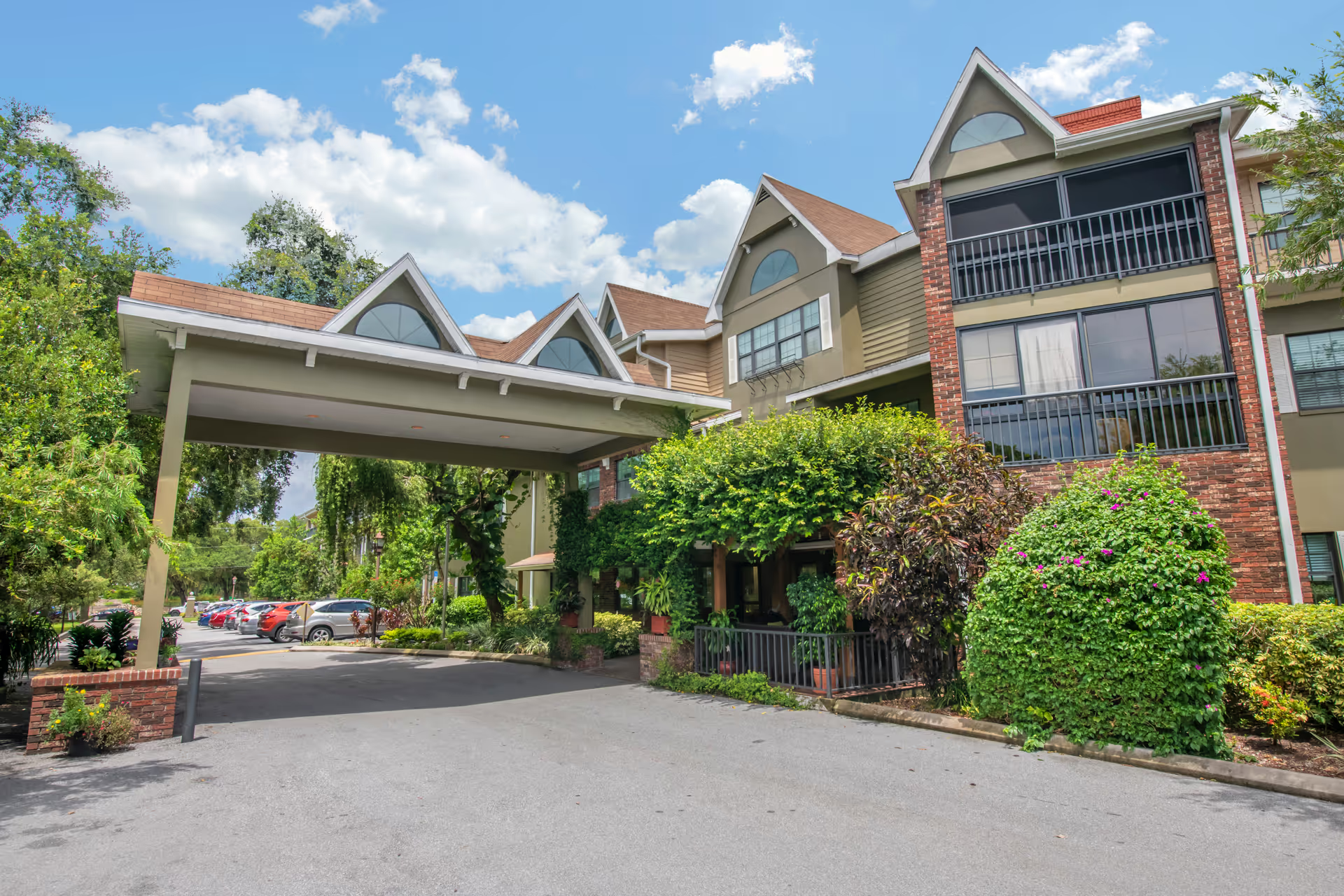
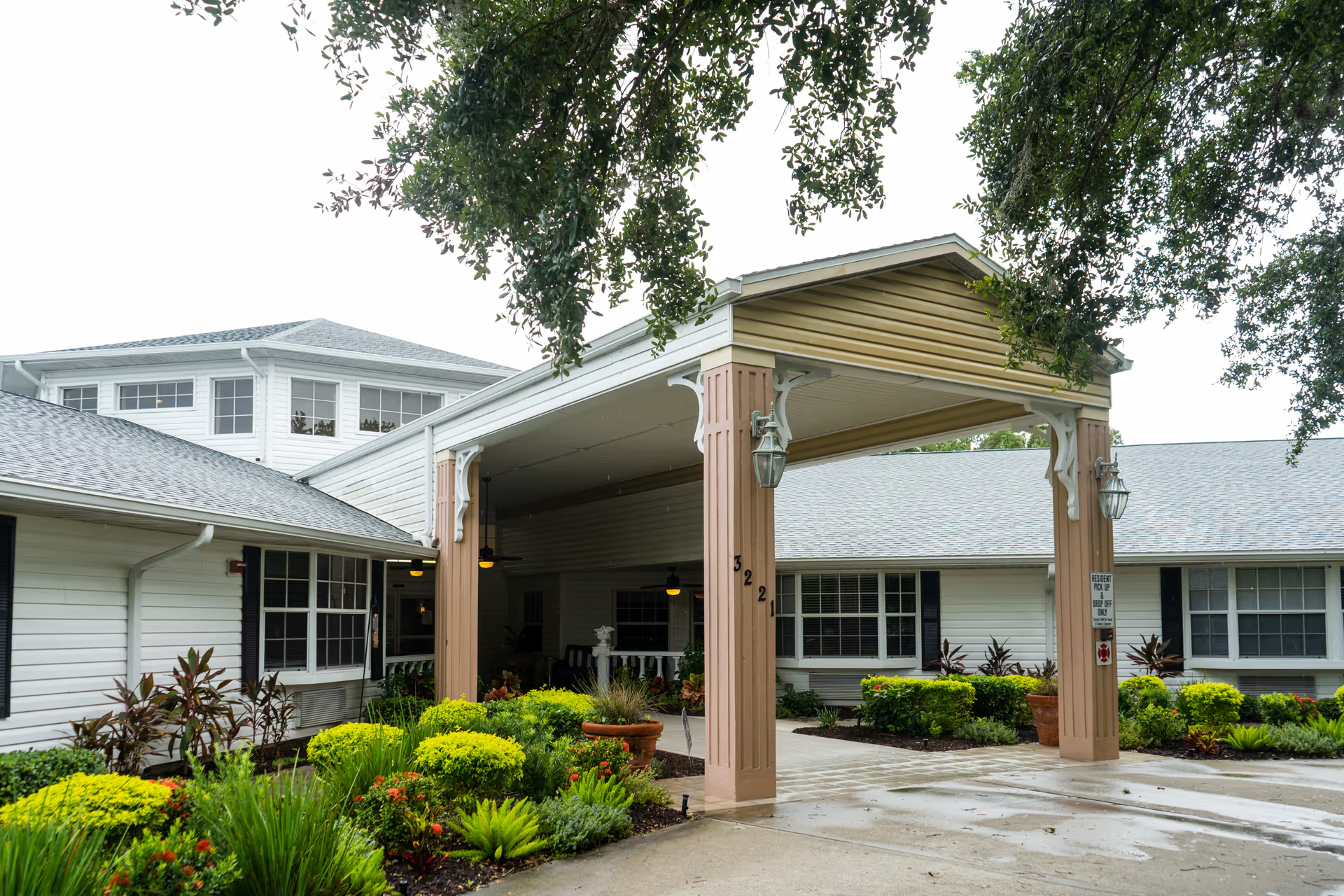
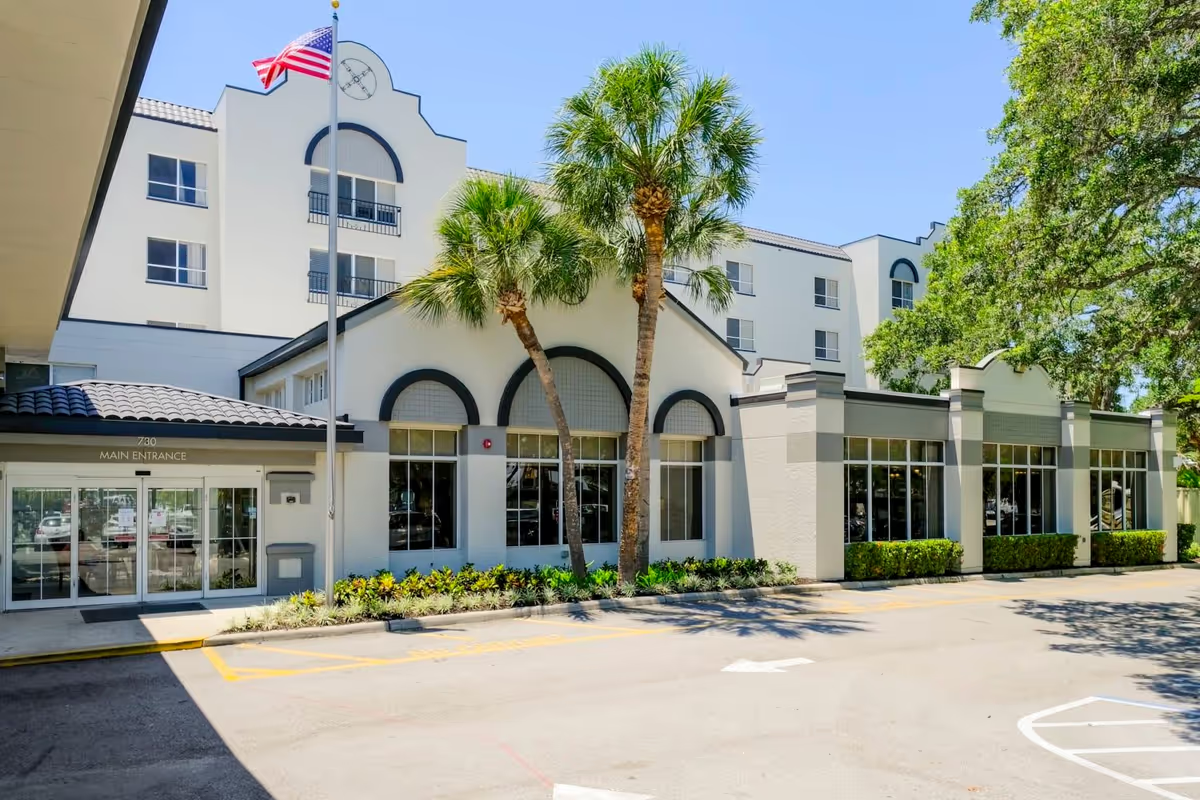
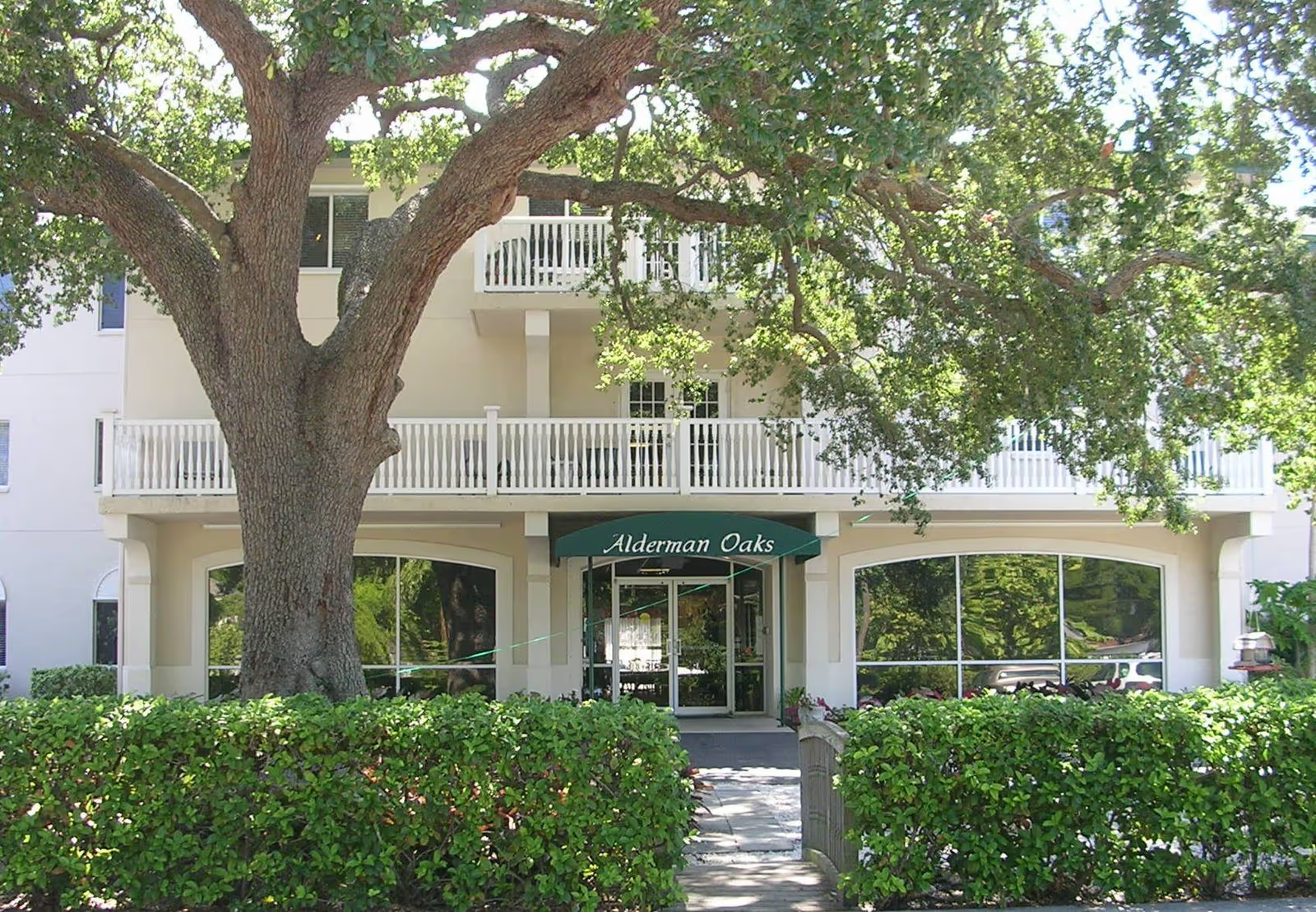
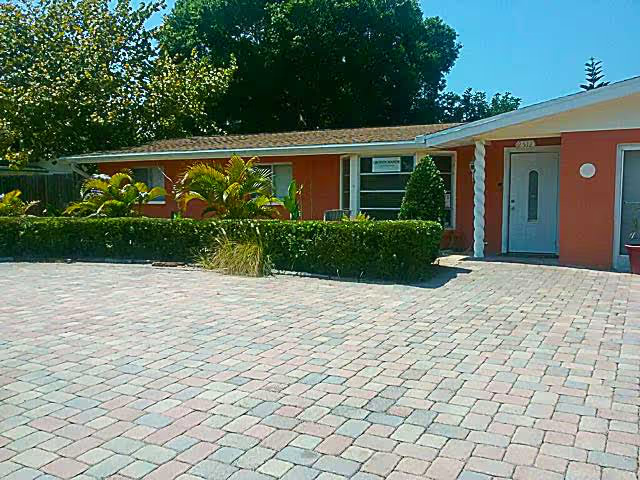
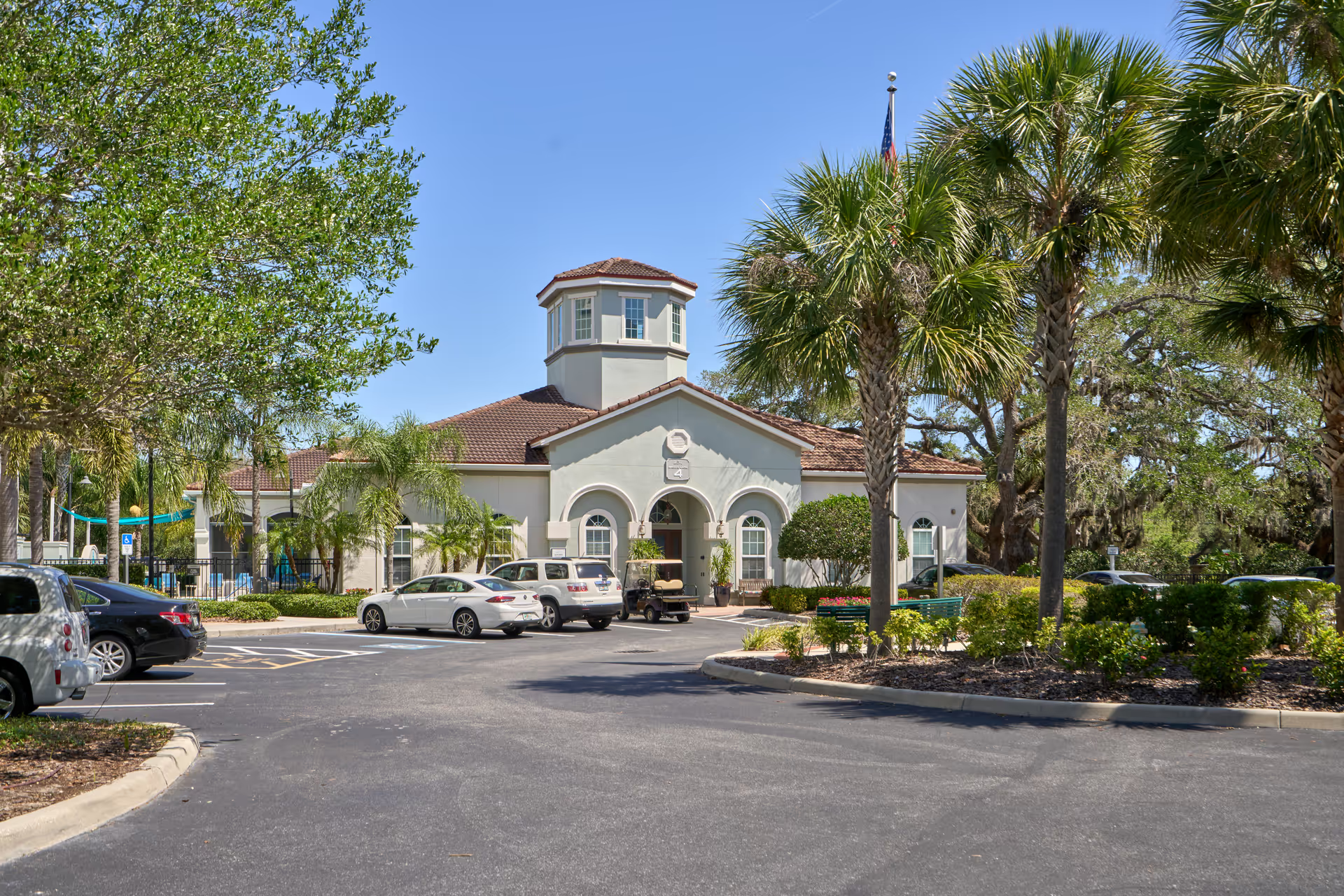
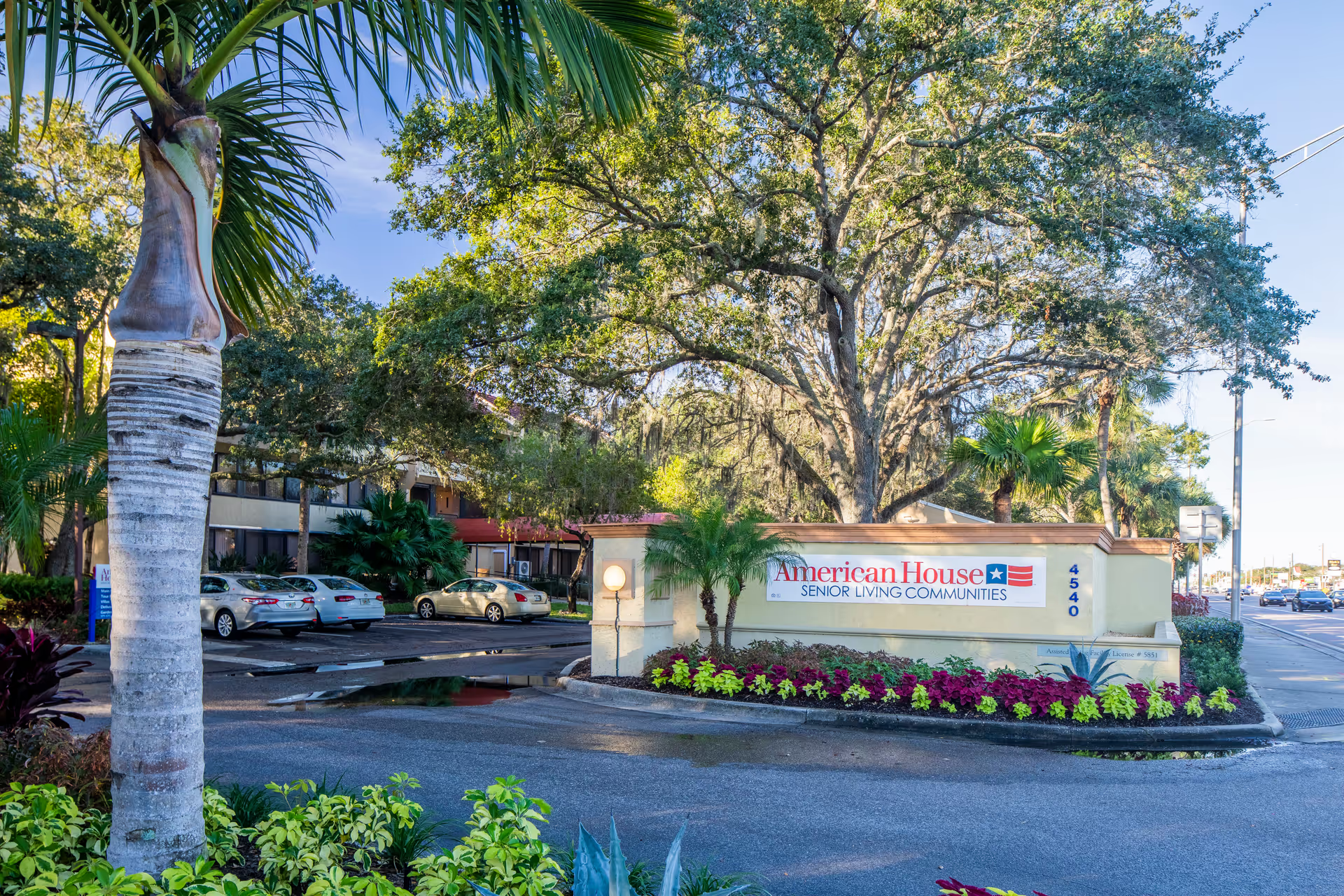
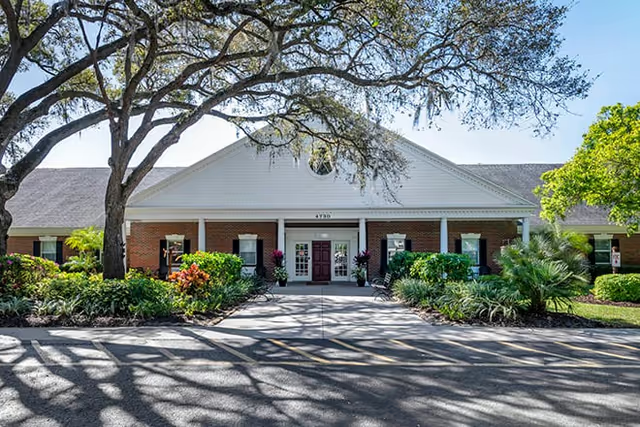
Facilities and cleanliness: The campus landscaping, gazebos, and outdoor seating receive strong positive feedback. Interiors and updated wings are often described as bright, clean, and well-decorated. However, there are repeated reports indicating variability in sanitation and pest-control in particular areas, as well as uneven maintenance between renovated and older sections. Incontinence-related care and associated cleanliness concerns are mentioned and should be treated as an operational area for improvement.
Management and operational patterns: Administrative responsiveness is a mixed picture — some reviewers describe smooth admissions, proactive administrators, and helpful transition support; others report billing confusion, delayed discharge coordination, and inconsistent follow-up on clinical orders. There are also isolated but serious-sounding claims about staff conduct and professionalism that families flagged as requiring investigation; such matters are best addressed through direct facility inquiry and, if needed, regulatory channels. Overall, the pattern suggests a facility with substantial strengths in therapy, activities, and many caregiving staff, combined with persistent operational challenges in staffing consistency, medication and clinical communication, sanitation in select areas, and variability in food service.
Recommendation for prospective families: For those considering this facility, weigh the strong rehabilitation capabilities, active programming, and attractive grounds against the documented variability in night staffing, medication administration timing, sanitation consistency, and food quality. Ask about recent corrective actions for sanitation and pest-control, staffing ratios and night-shift coverage, how medication administration timing is tracked, and how therapy plans are maintained throughout a stay. Visiting during different times of day and speaking directly with nursing leadership and the therapy director can help clarify current operational consistency and fit for a prospective resident.