Care and staff quality: Reviews present a bifurcated picture. Many families and visitors describe attentive, compassionate caregivers who foster a family-like atmosphere, take time to learn residents’ names and preferences, and provide one-on-one follow-up. Nursing staff and specific caregivers receive repeated praise for personalized attention, timely clinical updates to family, and proactive monitoring of residents. At the same time, there are recurring operational concerns: leadership turnover and staff shortages are linked to variability in daily responsiveness and occasional lapses in clinical processes — including worries about medication handling and qualifications for dispensing.
Dining and nutrition: Dining is a prominent, divisive theme. Numerous comments highlight well-prepared, chef-driven meals, attractive dining areas, and standout touches (for example, popular desserts). Conversely, a number of accounts raise issues with meal consistency, interruptions to kitchen service, and menus perceived as high in carbohydrates or lacking protein. The pattern suggests that meal quality can be strong under stable staffing and leadership but may be vulnerable to service interruptions.
Activities and social life: The facility is consistently described as offering a robust activity program. Reviewers note a broad calendar of events, seasonal celebrations, local entertainment, book clubs, talent shows, outings, and therapy-dog visits. The small, boutique scale of the community appears to support frequent social engagement and easier integration of residents into programs, which many families cite as improving resident mood and involvement.
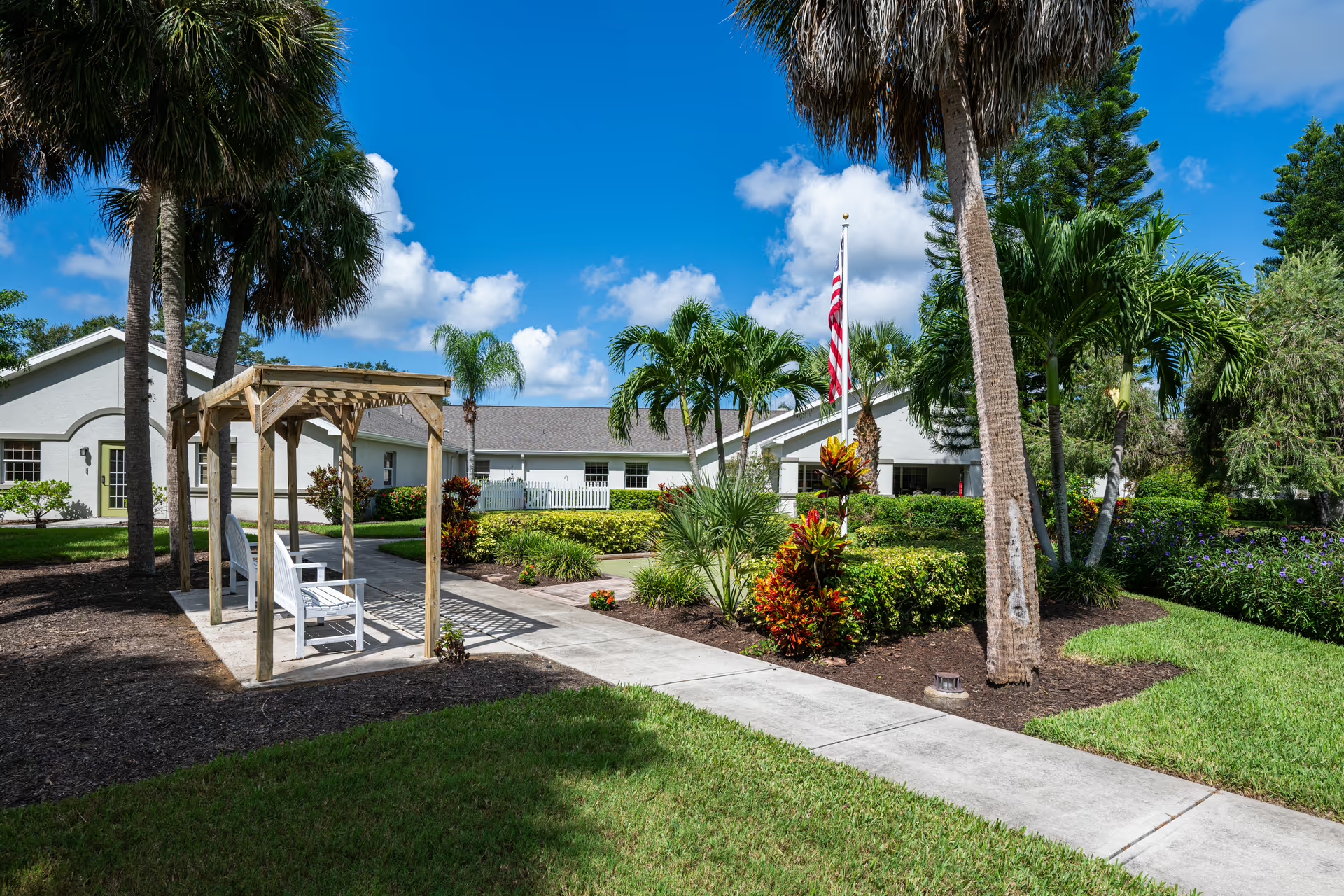
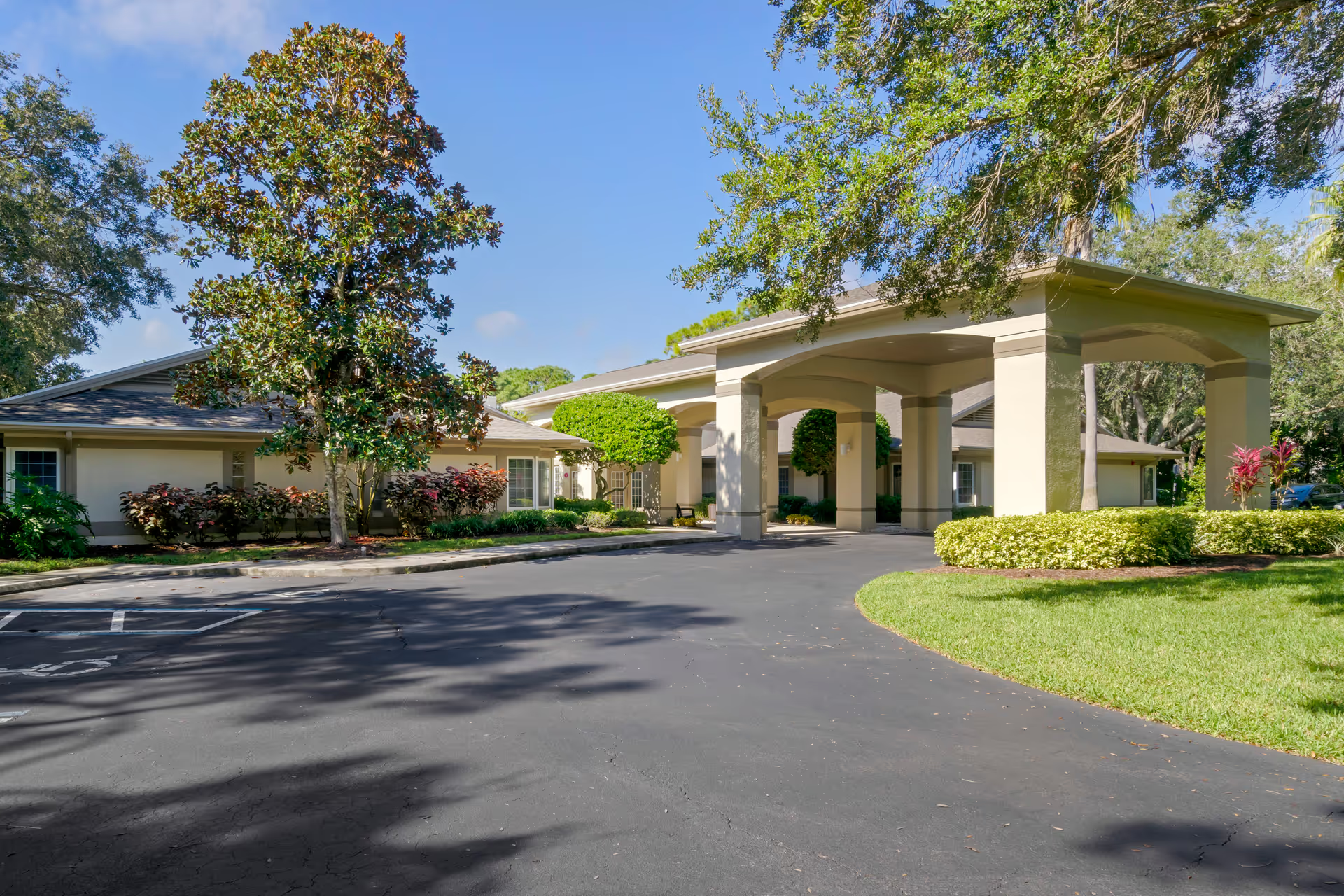
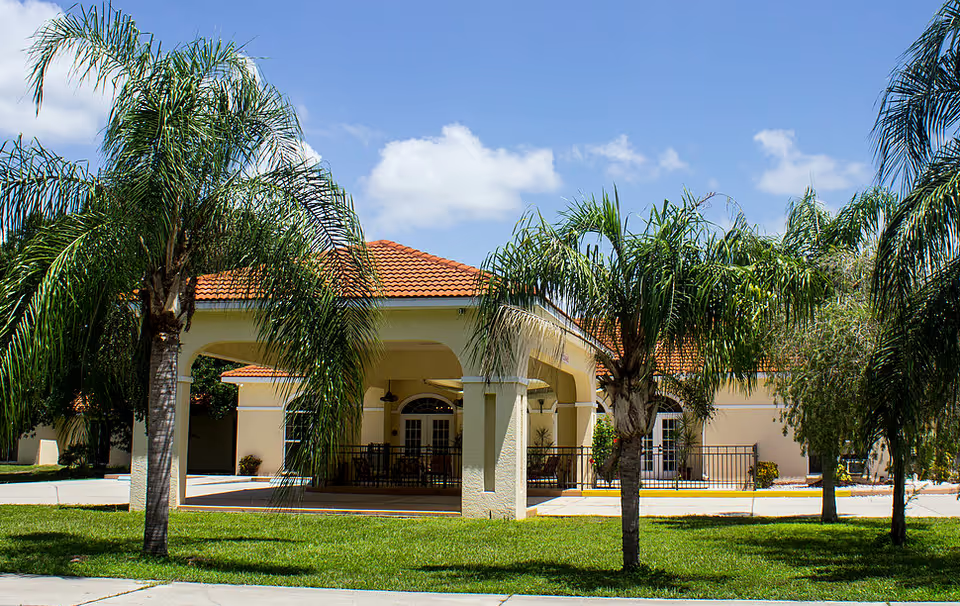
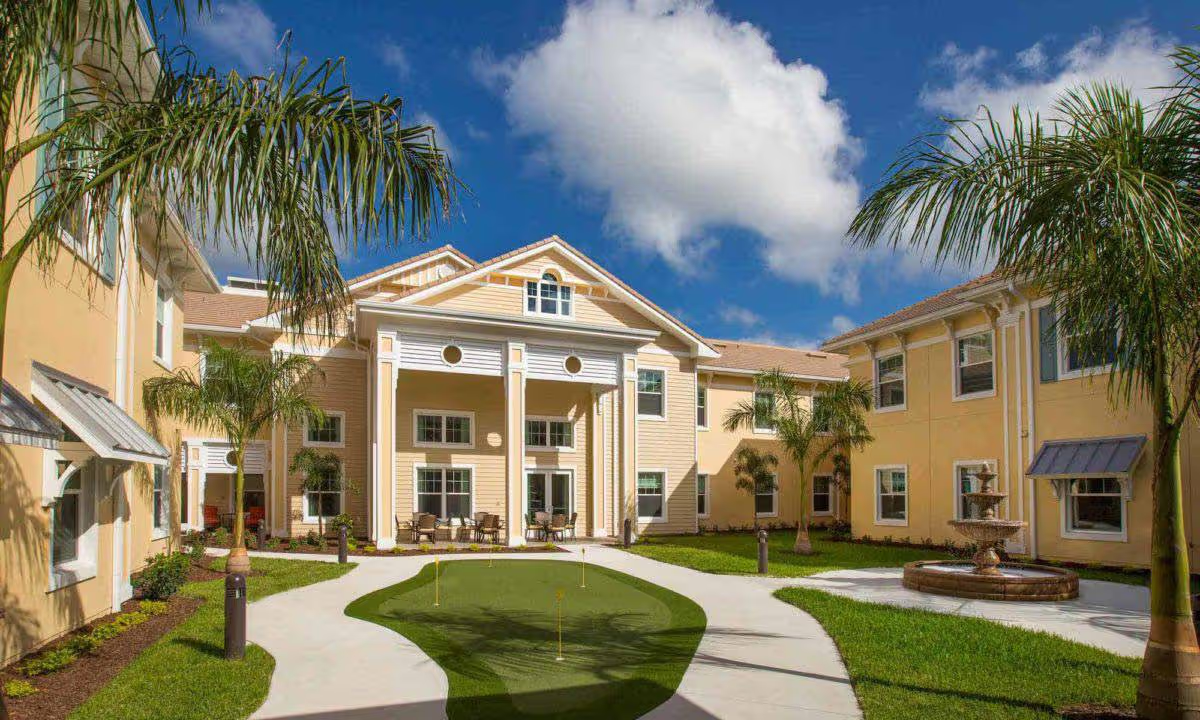
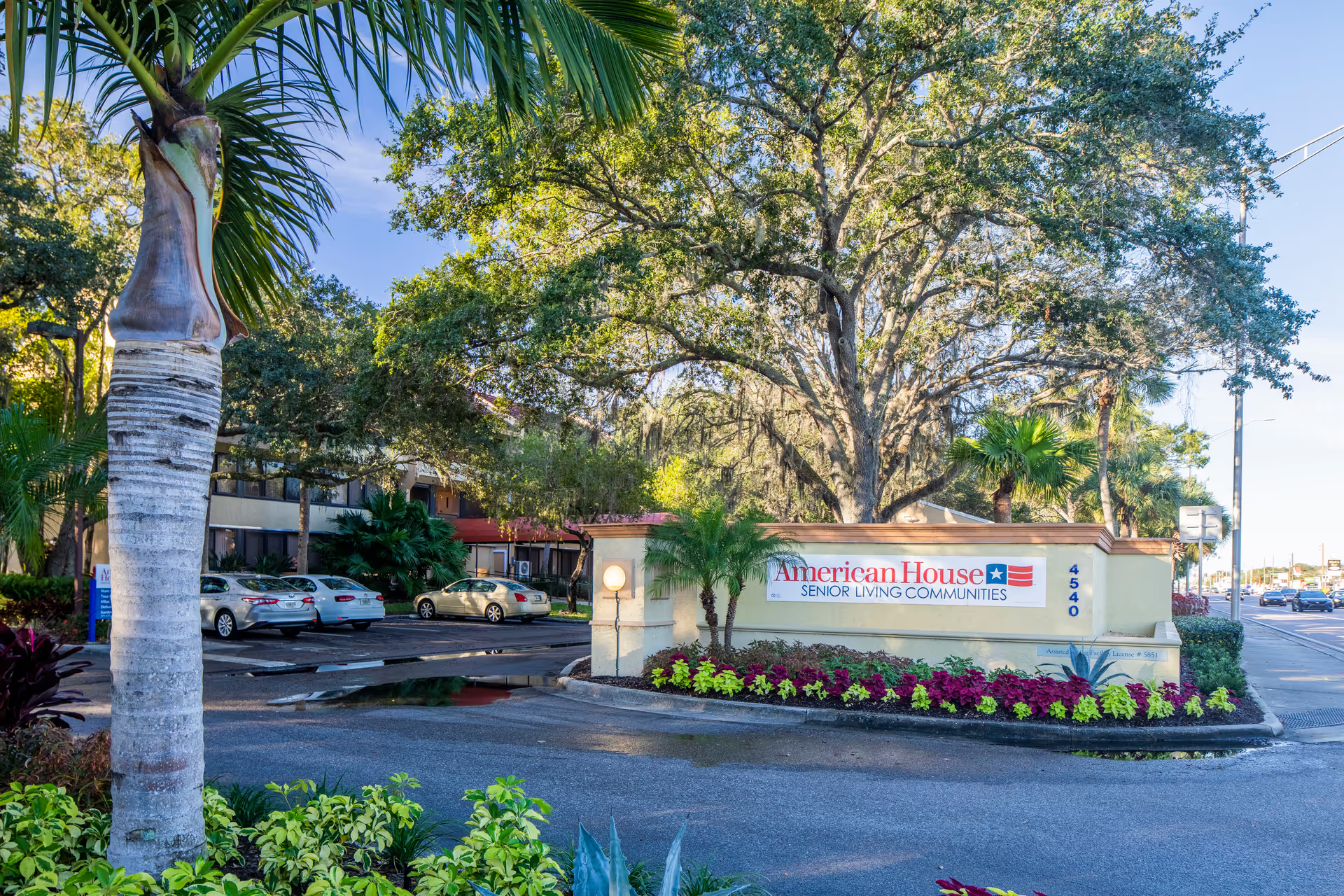
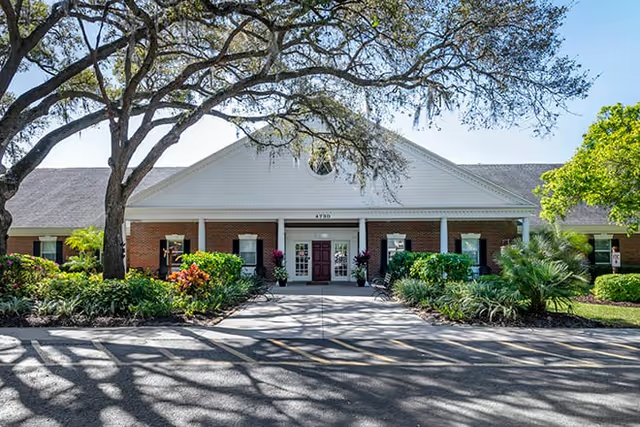
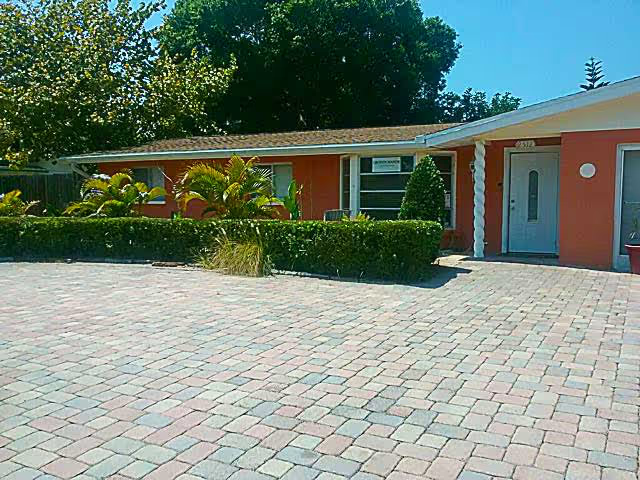
Facilities and maintenance: Many reviewers praise the clean, welcoming common spaces, courtyard, bright rooms with large windows, and a home-like decorative style. There are, however, explicit concerns about infrastructure upkeep in multiple accounts — leaking ceilings, broken air-conditioning, and other deferred maintenance — indicating uneven facility condition. Room sizes are frequently described as compact; for some residents this suits the boutique model, while others find rooms too small for mobility devices or long-term needs.
Management, billing, and policies: Administrative performance shows wide variation in family experiences. Positive interactions include helpful admissions staff, supportive transition assistance, and staff who go above and beyond during move-in. In contrast, several strongly worded accounts cite aggressive billing practices, unexpected contract changes, large rent increases, collection-agency involvement, and concerns following a resident’s death. These are serious financial and contractual issues that prospective residents and families should clarify and document prior to committing.
Notable patterns and guidance: Overall impressions range from descriptions of an exemplary, small, personalized community to accounts highlighting significant operational risks. Strengths cluster around the caregiving culture, engaging activities, and a boutique, community-oriented environment. Weaknesses cluster around management stability, staffing consistency, meal-service reliability, maintenance follow-through, medication-administration controls, and billing/contract practices. Prospective residents and families should prioritize an in-person tour that includes: meeting nursing leadership, reviewing recent staffing patterns, observing a mealtime, inspecting a potential apartment for space and HVAC condition, asking for written policy on billing and rent increases, and confirming transportation and therapy/medical support arrangements.