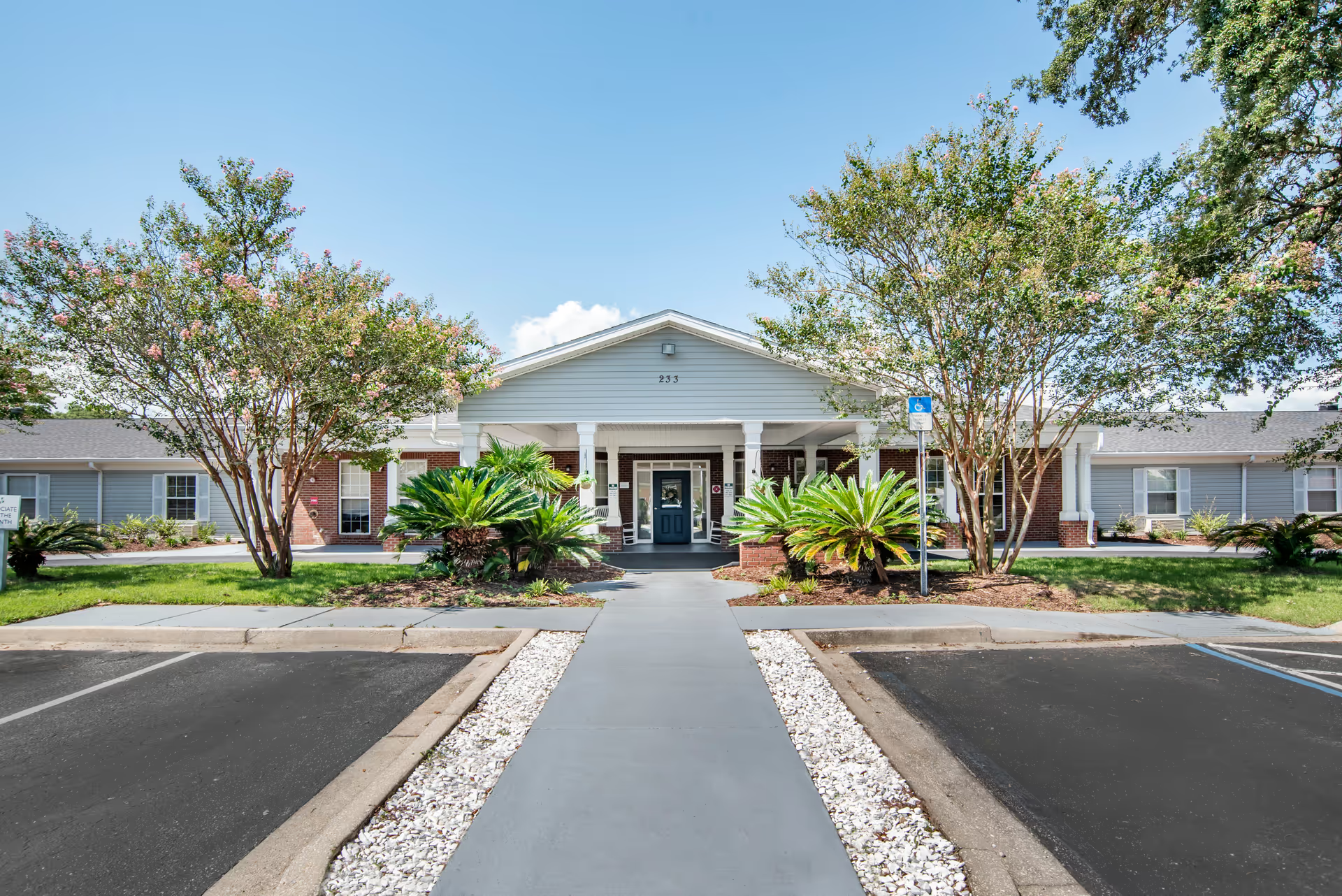
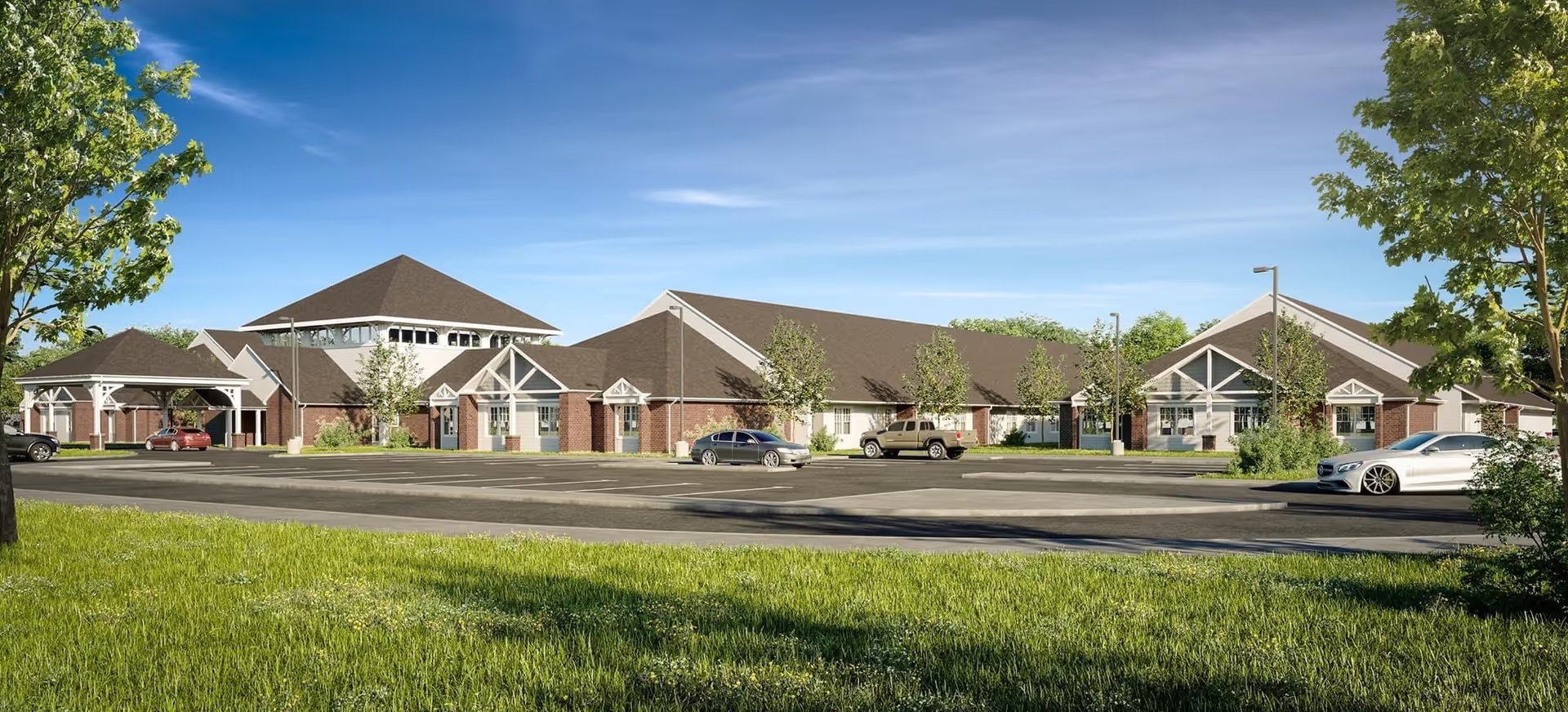
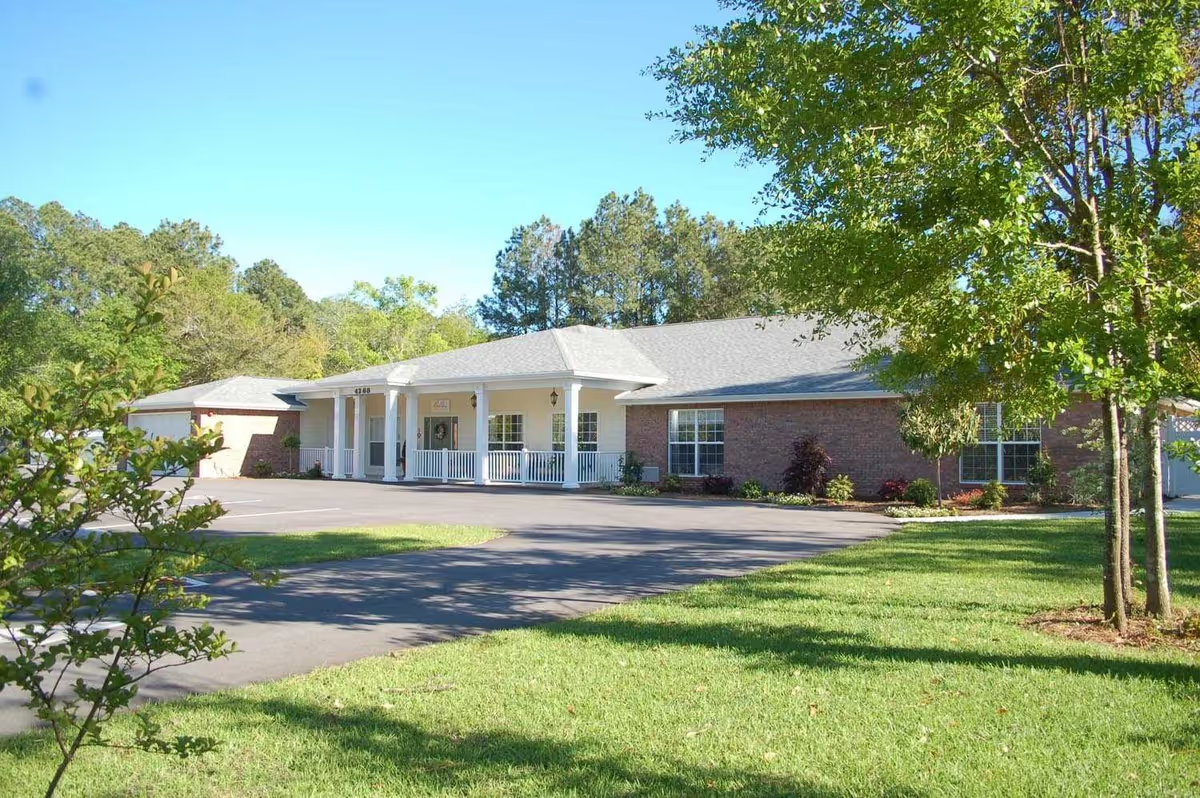
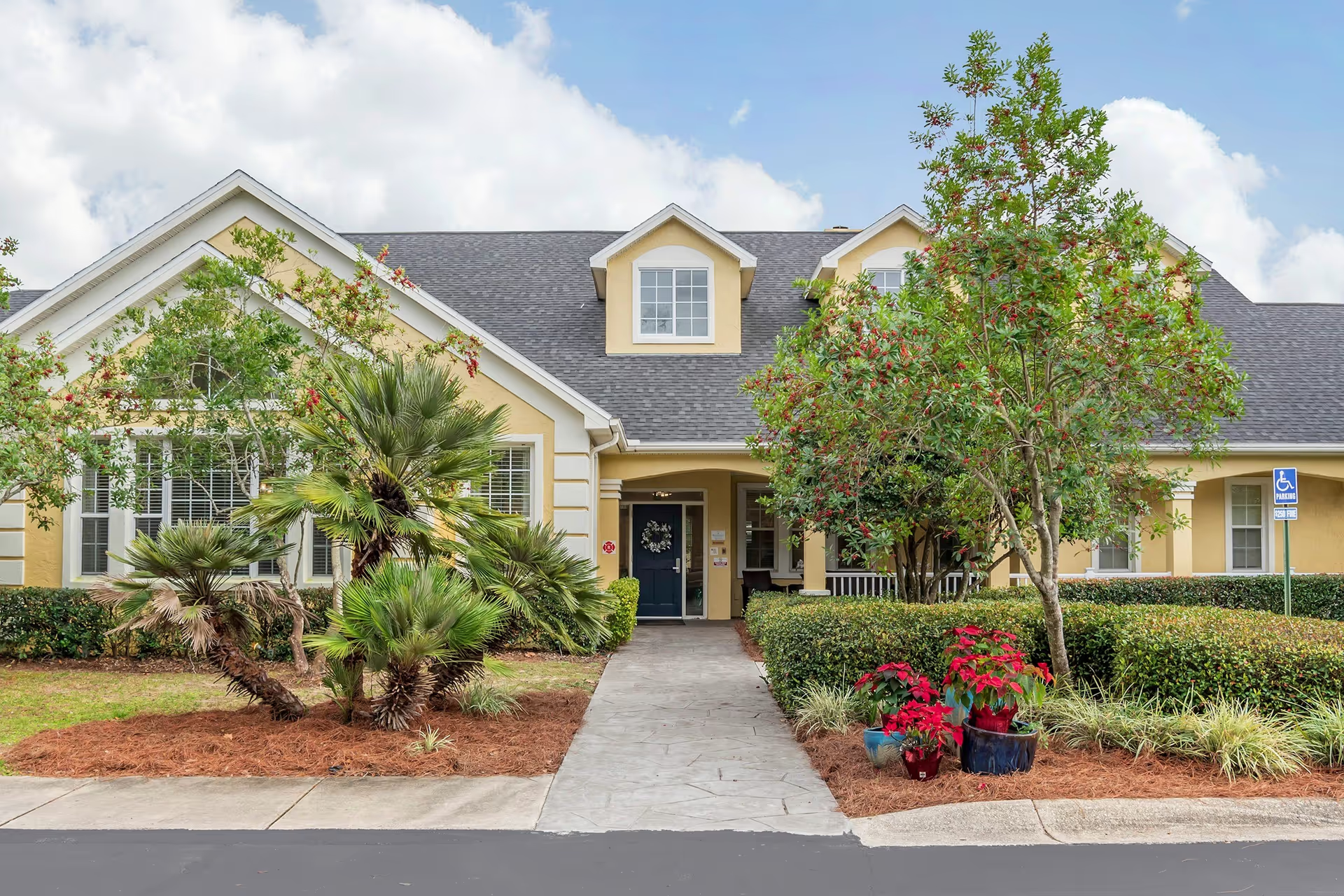
Air Force Enlisted Village is described as a secure, military-focused independent living community with many strengths oriented toward Air Force veterans and their families. Reviewers consistently emphasize warm, personable staff interactions and prompt caregiving; staff are characterized as helpful, friendly, and engaged in resident wellbeing. Security is a clear operational strength, with gated access and an on-site environment that many residents find safe. The community offers scheduled transportation, on-site maintenance, spacious apartment layouts (including two-bedroom/two-bath options), and proximity to the base, all of which support convenience and independent living.
Dining and social programming receive mixed but generally positive comments. Complimentary holiday meals and frequent social offerings are appreciated, and there is a broad slate of recreational activities including fitness amenities, an exercise room, a pool, and swimming classes. The community structure and volunteer opportunities foster peer support and social engagement, particularly among residents who share a military background. However, some reviewers describe variability in activity scheduling and occasional reductions in programming, suggesting that activity availability may fluctuate over time or by season.
Facilities and upkeep reflect a blend of strengths and aging infrastructure. On-site maintenance staff are credited with apartment upkeep, but the physical plant shows signs of age: thin walls and related noise concerns, plus uneven exterior landscaping and grounds maintenance. Fitness and memory-care access are present, supporting an independent-living model with some higher-acuity services nearby, but the community is not structured as a full continuum-of-care campus; families seeking assisted living or skilled nursing levels of care should verify availability and transfer protocols.
Management and financial policies are an area of recurrent concern. Reviewers cite rising residency costs, substantial non-refundable fees, and ancillary charges for items and services that can reduce predictability of total cost. Several comments point to contract terms that retain rent or fees after a resident departs, which has created dissatisfaction and questions about transparency. Management engagement is visible in organized meetings to discuss improvements, but prospective residents and their families should carefully review contract language and fee schedules before committing.
Social culture and inclusivity are notable patterns to assess during a visit. The community’s shared Air Force identity and a predominantly conservative, Christian social atmosphere are sources of cohesion for many residents; at the same time, some prospective residents have perceived the culture as less welcoming to non-Air-Force branches, people of different faiths, or more politically diverse individuals. Policies such as a no-pet rule also reflect specific community norms that may limit fit for some households.
In summary, the community offers strong staff engagement, security, transportation, and social programming within a military-centered culture, making it an appealing choice for many Air Force retirees and widows seeking independent living. Key trade-offs include cost and fee transparency, limited higher-level care on site, aging building acoustics and grounds upkeep, and a social environment that may not suit everyone. Prospective residents should tour the campus, review contracts closely, and discuss care-continuum options and activity schedules to determine alignment with personal needs and expectations.