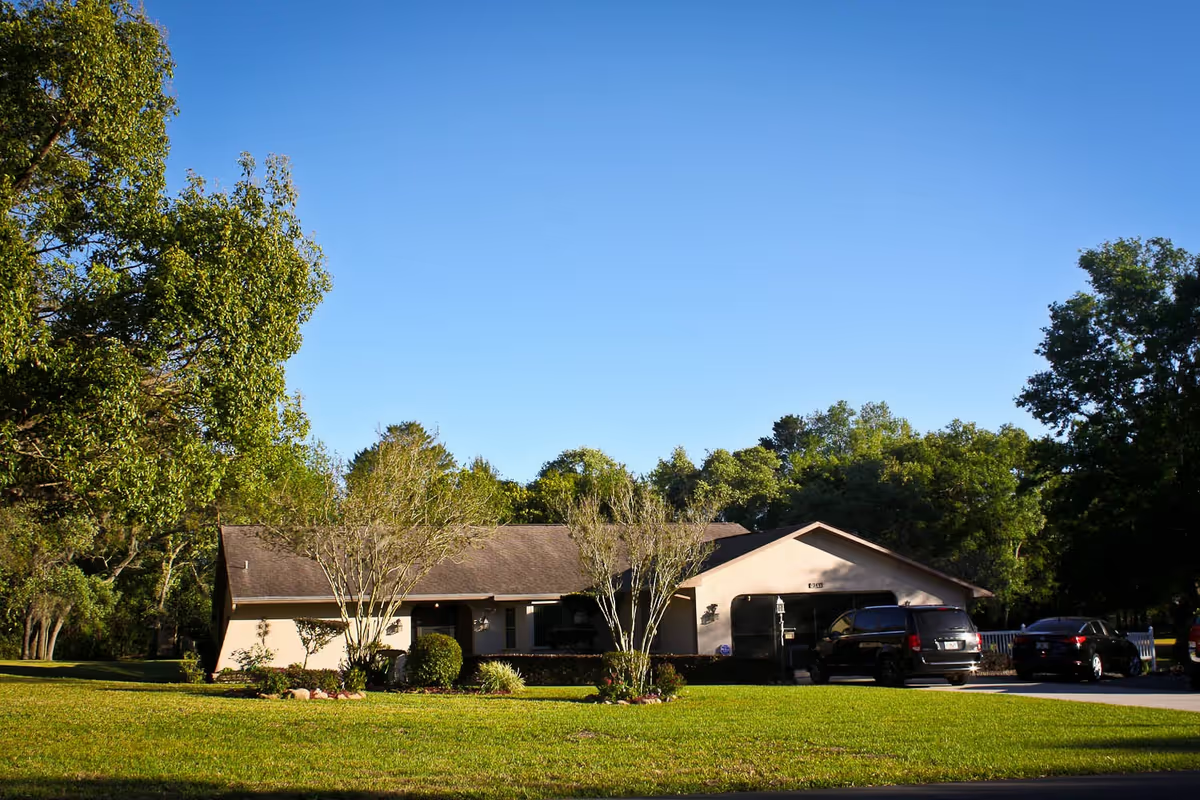
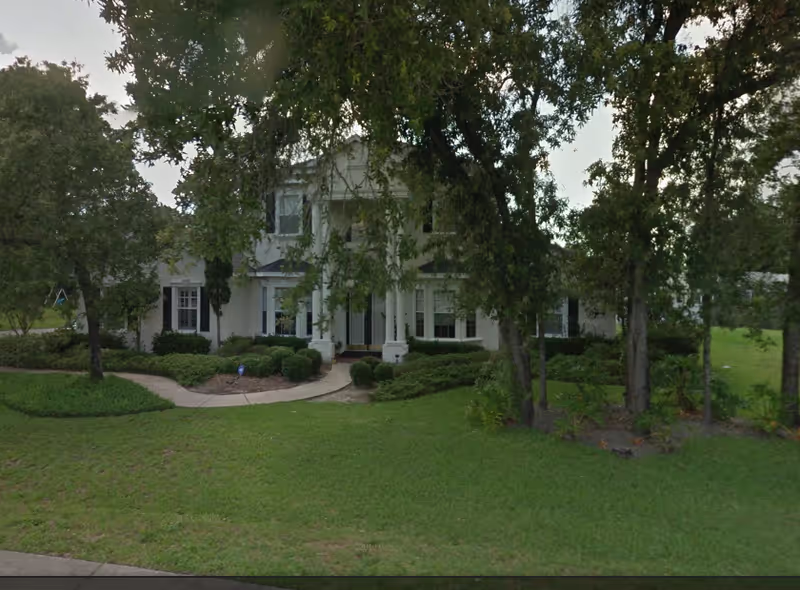
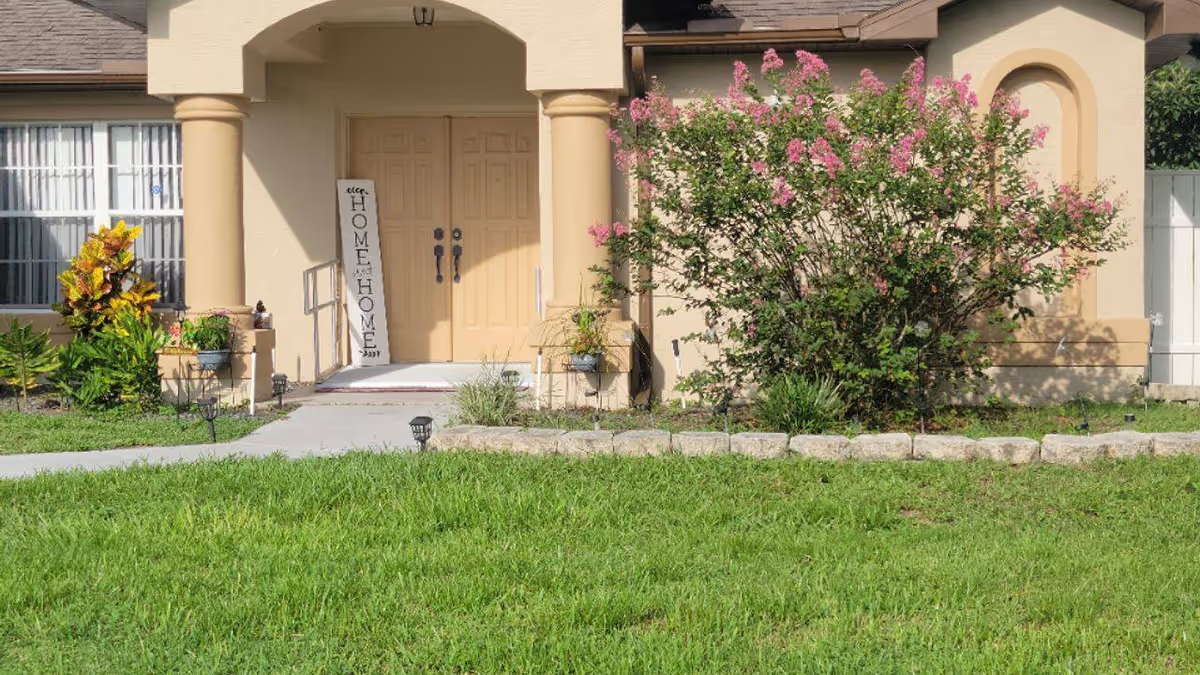
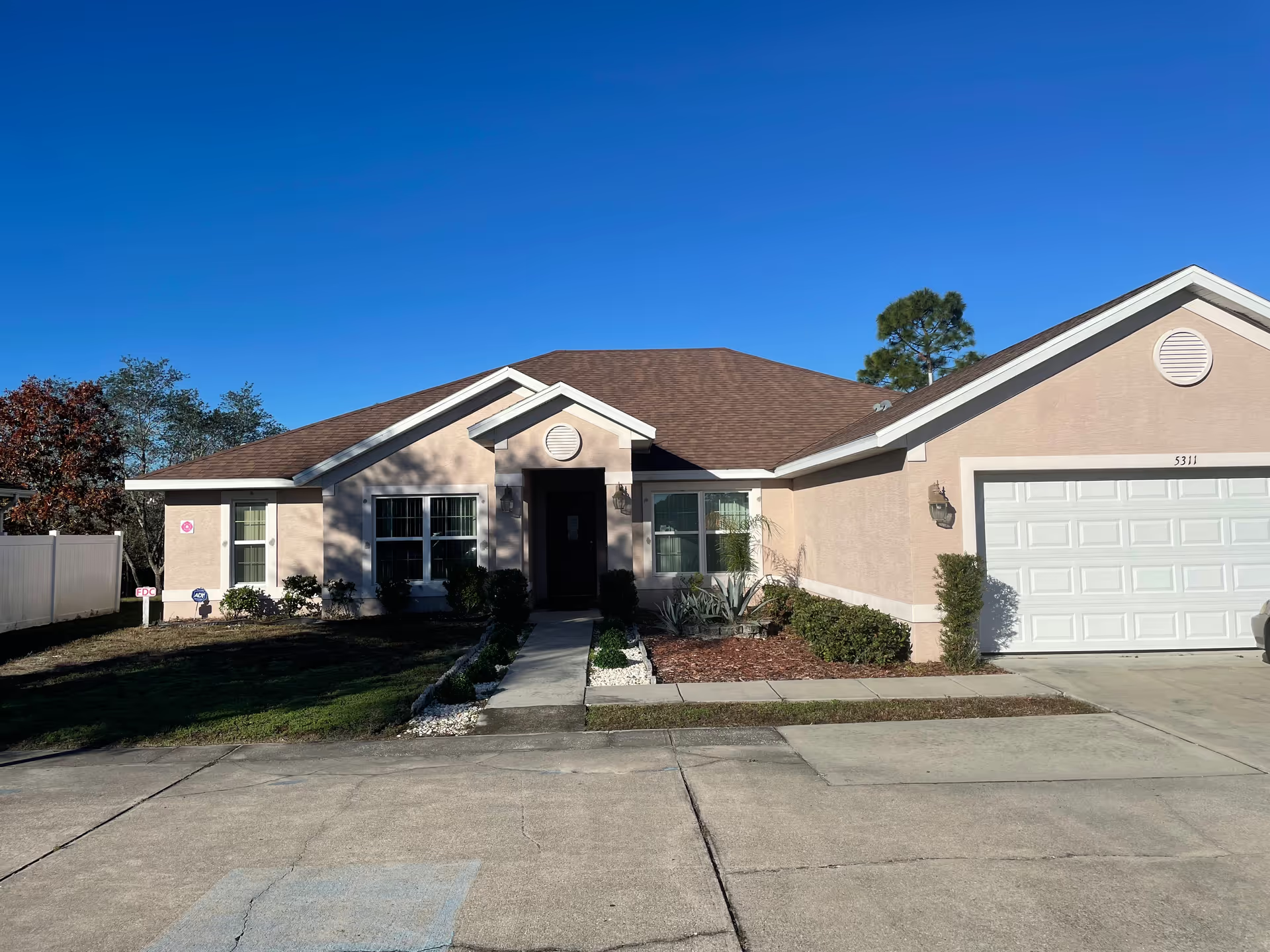
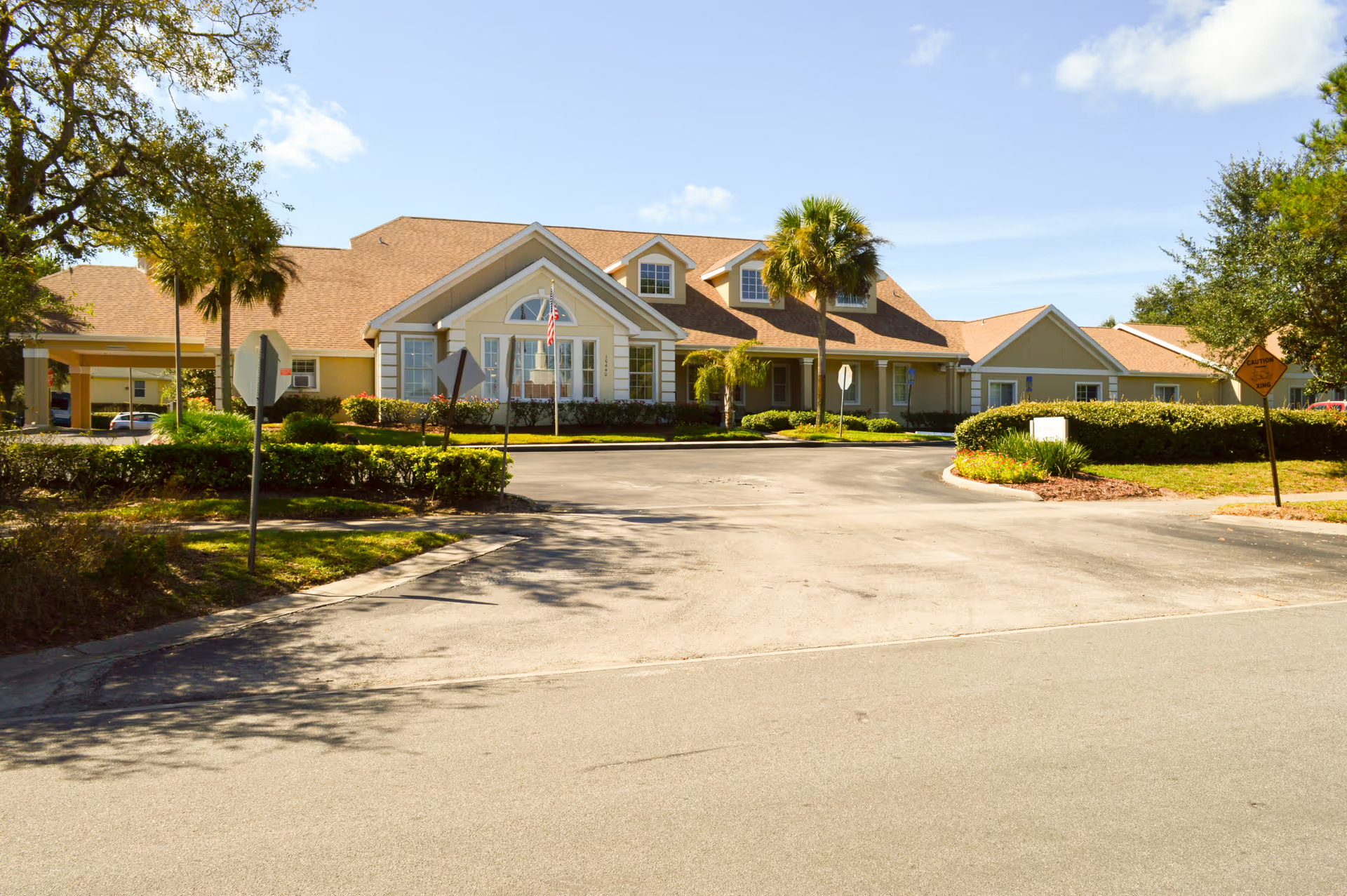
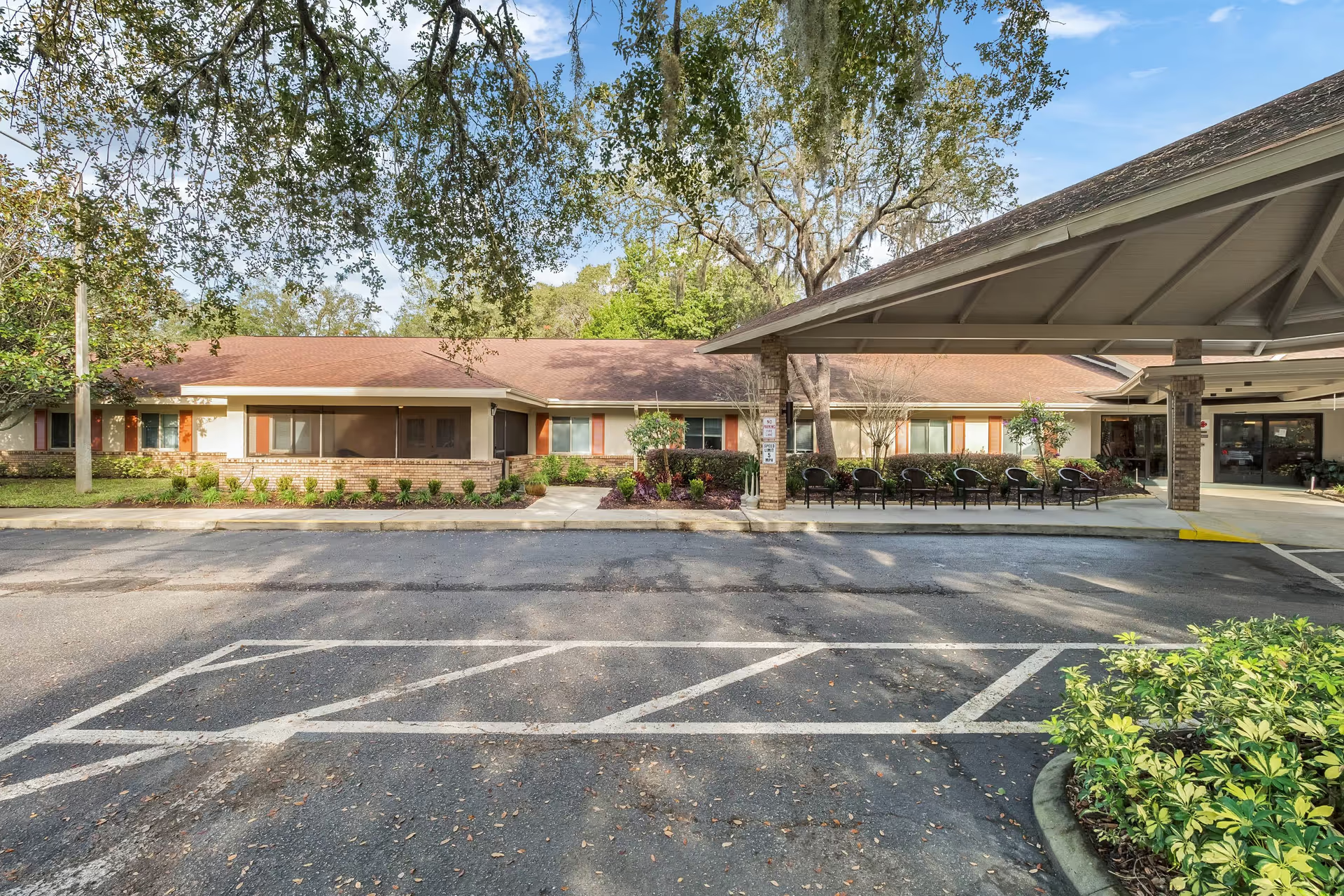
The reviews present a mixed but consistent pattern: caregiving staff are widely described as attentive, loving, and observant, and the facility’s small household model is credited with providing individualized attention. Many family members praised the warmth of the staff, the home-like atmosphere, and the quality and presentation of meals; several accounts include explicit recommendations and a favorable local ranking. Those positive comments suggest the facility can deliver high-touch day-to-day care, particularly when staffing levels allow close supervision.
At the same time, multiple operational concerns recur across summaries. Reviewers describe budget-driven cutbacks that have affected household resources and food availability, producing inconsistencies in meal variety and occasions when preferred items were not available. Relatedly, furnishings and communal seating were frequently described as worn or limited, which can affect resident comfort and communal use. Activity programming appears modest: small-group social events such as birthday parties occur, but formal activities are limited, which may be appropriate for some residents but insufficient for others seeking more engagement.
More substantive facility-level issues were raised around sanitation systems and toileting practices. Summaries reference septic-system reliability problems and prolonged use of shared toileting equipment, which reviewers framed as incontinence-care delays and shared equipment use among multiple residents. These descriptions point to gaps in infrastructure maintenance and incontinence-care processes rather than isolated interpersonal concerns; both are operational areas a prospective family should evaluate closely.
Management and governance are another area of contrast. Some reviews describe a family-owned, open-door leadership style and accommodating managers; others describe abrupt ownership transitions, budget cuts tied to new ownership, and concerns about staff conduct and communication tone. Reports of an on-site pet/therapy-dog program being removed and of an aggressive animal owned by management highlight the potential impact of policy or leadership changes on resident programming and safety. Financial transparency is also a recurring theme: reviewers cite significant out-of-pocket costs and question overall value for the price charged.
Taken together, the pattern is one of strong frontline caregiving within a small, home-like setting, coupled with facility-level operational vulnerabilities linked to funding, infrastructure, and management transitions. For families considering this facility, recommended areas to investigate during a visit include current ownership and management structure, written policies on pet therapy and behavior, recent maintenance records for septic/sewer systems, toileting and incontinence-care protocols (including equipment availability and staffing response times), sample menus and meal procurement practices, furnishings and seating in common areas, activity schedules, and a clear breakdown of fees and what they cover. Verifying recent inspection reports and speaking with current families about both day-to-day care and recent administrative changes will help clarify whether the facility’s strengths align with a prospective resident’s needs and expectations.