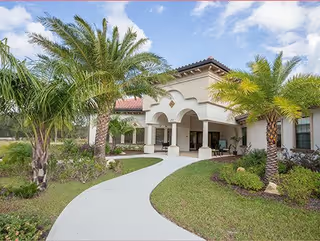
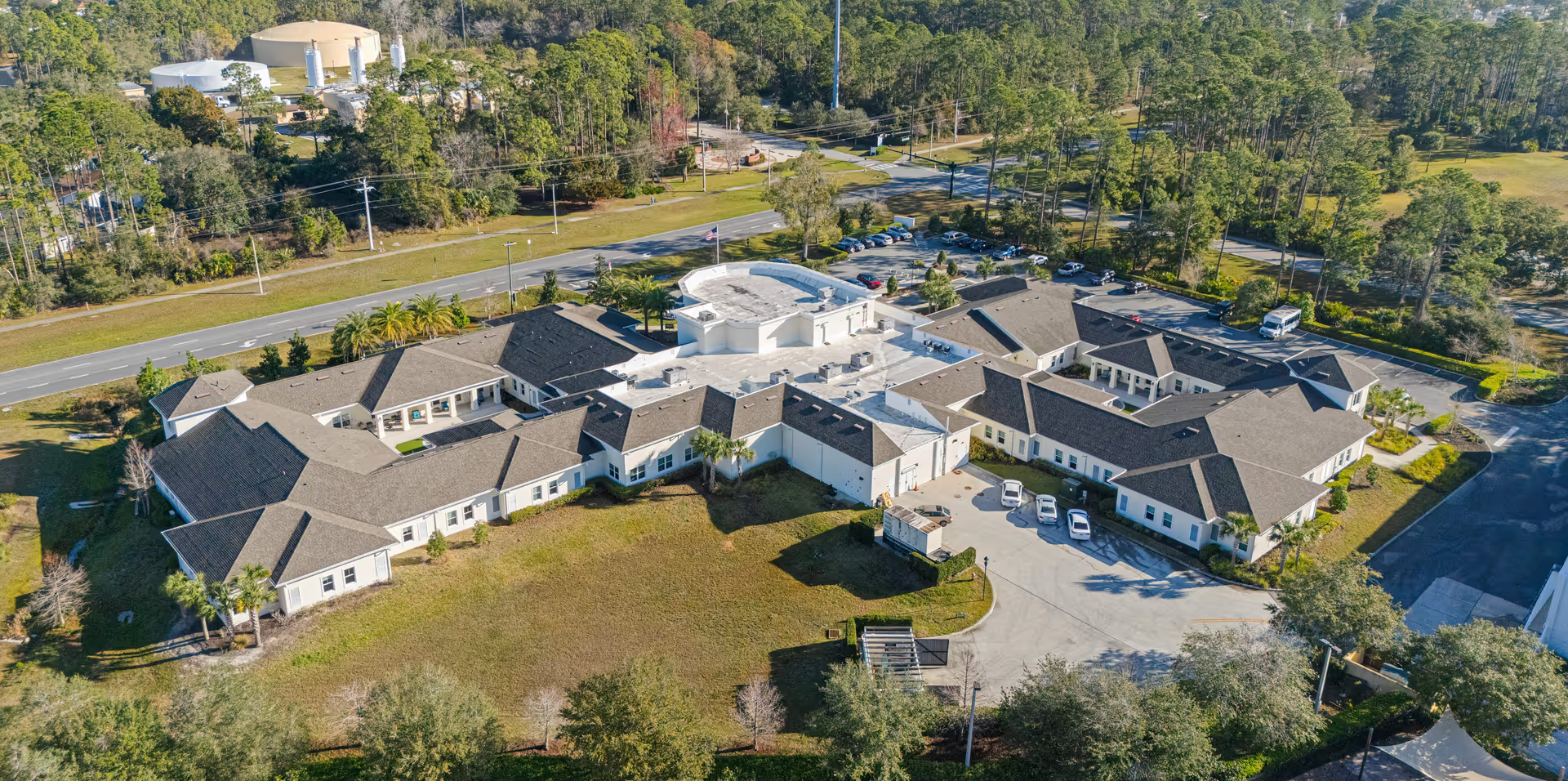
Brookdale St. Augustine elicits a mixed but informative pattern of impressions. Many families and visitors describe warm, compassionate frontline staff, personable tour guides, and an activities team that fosters an engaged resident life. The campus and grounds are frequently praised as attractive and spacious; several reviewers noted roomy suites with en-suite baths, an on-site salon, communal porches and gathering spaces that convey a home-like atmosphere. The community offers medication assistance, personal-assistant plans, transportation for appointments and trips, accepts Medicaid, and provides memory-care specialization and round-the-clock nursing coverage for residents who need higher-intensity support.
Care quality and staffing show divergence across reports. Numerous accounts highlight caring and helpful CNAs and nursing staff as strengths, as well as timely emergency responses in some cases. At the same time, there are consistent remarks about staffing instability: turnover, weekend reliance on temporary agency staff, and periods when remaining staff appear overwhelmed. Those operational patterns are associated with concerns about continuity of care, inconsistent follow-up after incidents, and communication gaps with families. A small number of serious individual claims — including an alleged theft — prompted security changes such as camera installation; this has led to broader family attention to property-control and billing transparency.
Dining and nutrition receive generally positive comments for portion sizes and occasional high-quality meals, with many residents enjoying the dining experience when service is consistent. However, reviewers also cite irregular food quality, occasional shortages of menu items, cold meals that are corrected after complaints, and variability in dining-service staffing. These patterns suggest that meal experience can vary by shift and is sensitive to staffing levels.
Activities and social programming are strengths in many accounts: active resident participation, daily socials, sing-alongs, puzzles, movie nights, and community events are noted. Still, some reviewers find programming limited or repetitive (bingo-heavy, limited stimulation in certain memory-care settings) and desire a broader schedule of activities. Transportation availability for outings is a positive, though some families noted limited community-specific programming and gaps in specialized services such as sign-language interpretation.
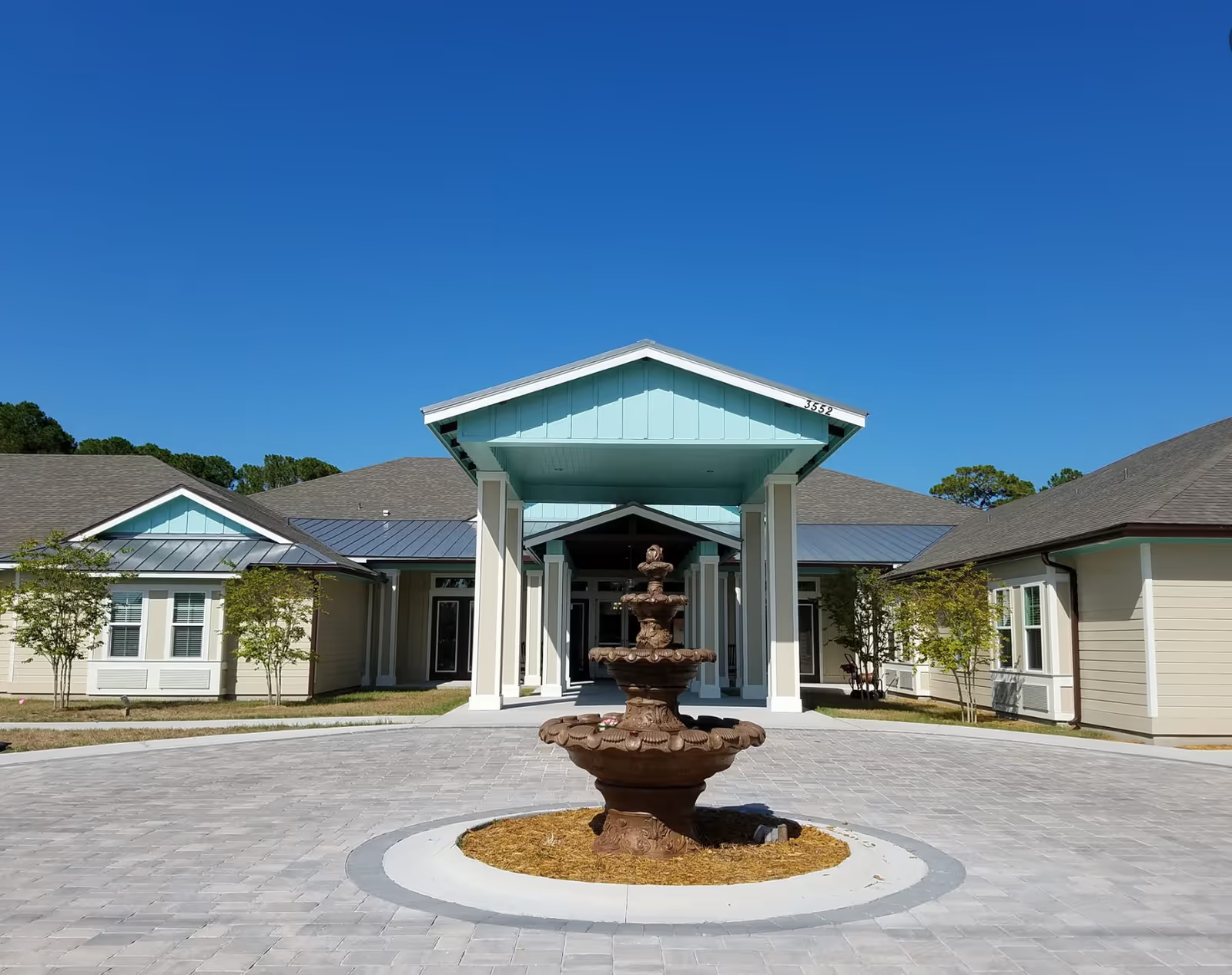
Facility condition is described in two contrasting ways. Many visitors praise clean, well-kept rooms and a pleasant exterior; others point to aging infrastructure in parts of the building, darker interior aesthetics, stained carpets in some areas, and uneven maintenance (including service-area upkeep and evidence of ongoing renovations). Mechanical and operational issues were mentioned sporadically (for example, an elevator outage with a backup available), indicating both redundancy and the need for capital upkeep in places.
Management and operational practices also show mixed signals. Several reviewers commend responsive, flexible management who accommodated moves, adjusted rooms, and provided hands-on assistance. Conversely, there are recurring concerns about billing clarity, unexplained charges, inconsistent communication, and delayed responses to family-raised issues. Housekeeping and sanitation standards appear variable across units and shifts; some families report very high cleanliness, while others describe sanitation concerns and incontinence-care lapses that warrant attention.
Overall, Brookdale St. Augustine offers many of the amenities, clinical services, and social features families seek — compassionate staff, an active social program, attractive grounds, and clinical capability for memory care and short-stay rehab. Prospective residents and families should plan an in-person visit focused on current staffing patterns, housekeeping and maintenance standards, meal-service consistency, incident-response protocols, billing transparency, and the specific activity options important to the resident. Asking about weekend staffing, agency-staff usage, scheduled bathing and laundry frequencies, and recent corrective actions for any cited sanitation or security concerns will help clarify whether the community’s current operational state matches the household’s expectations and care needs.