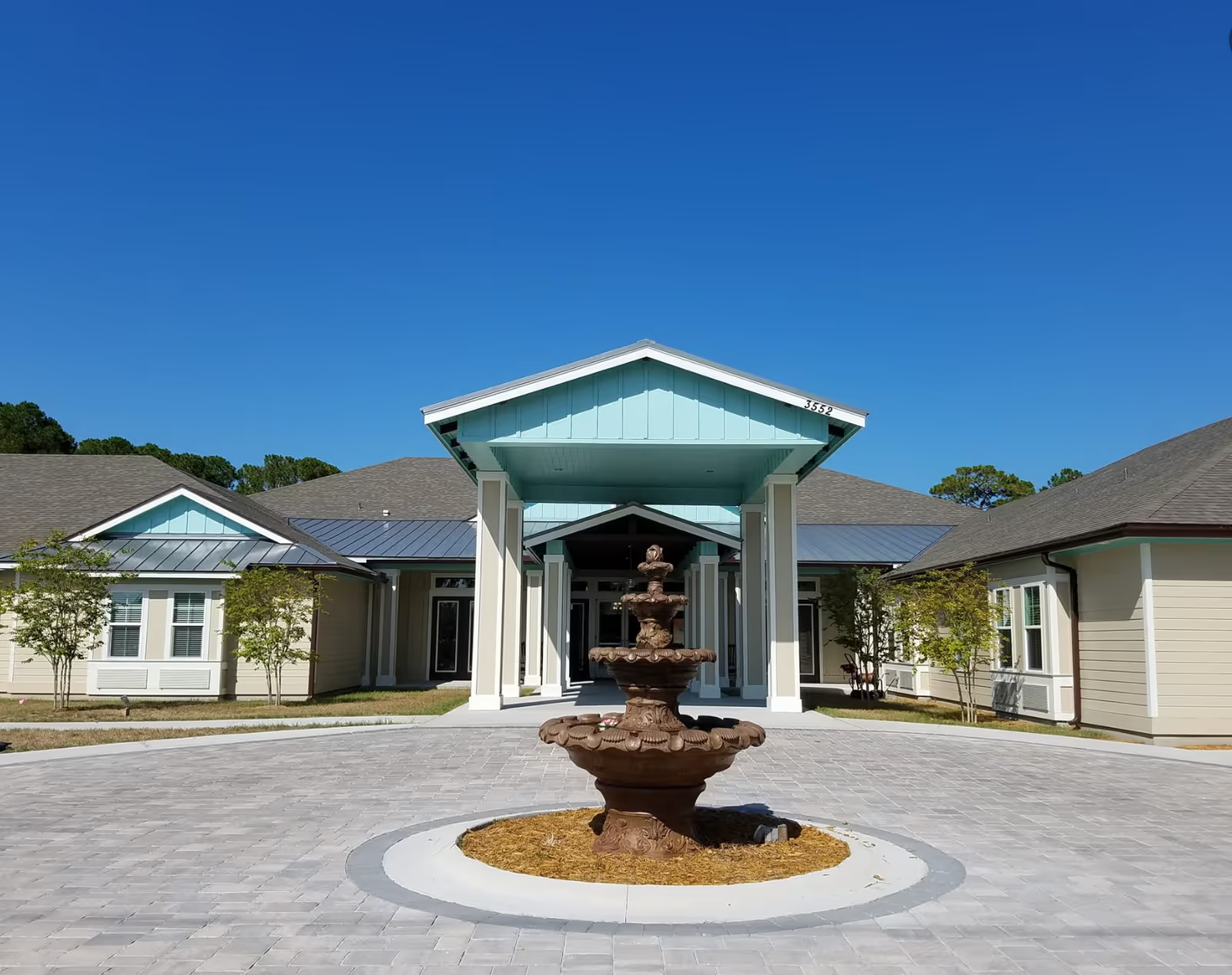
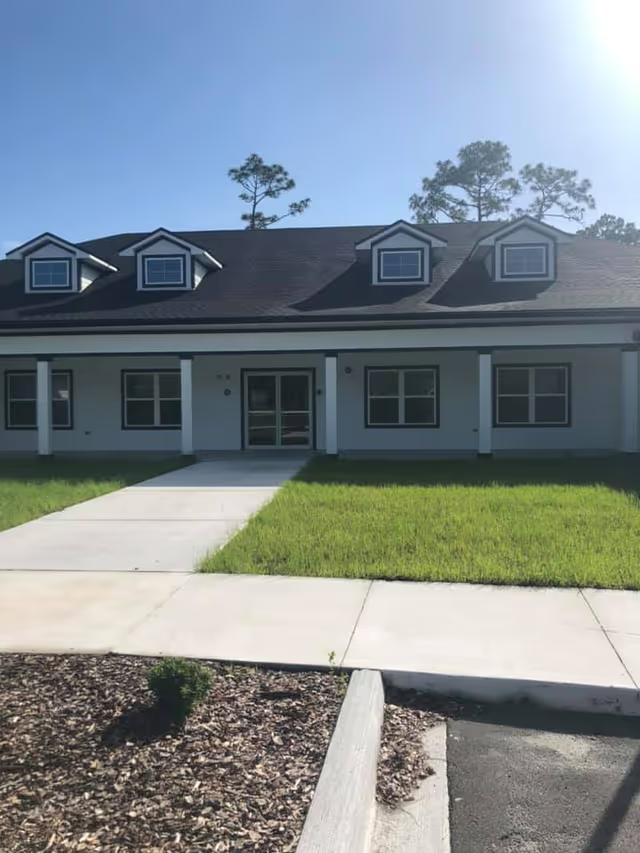
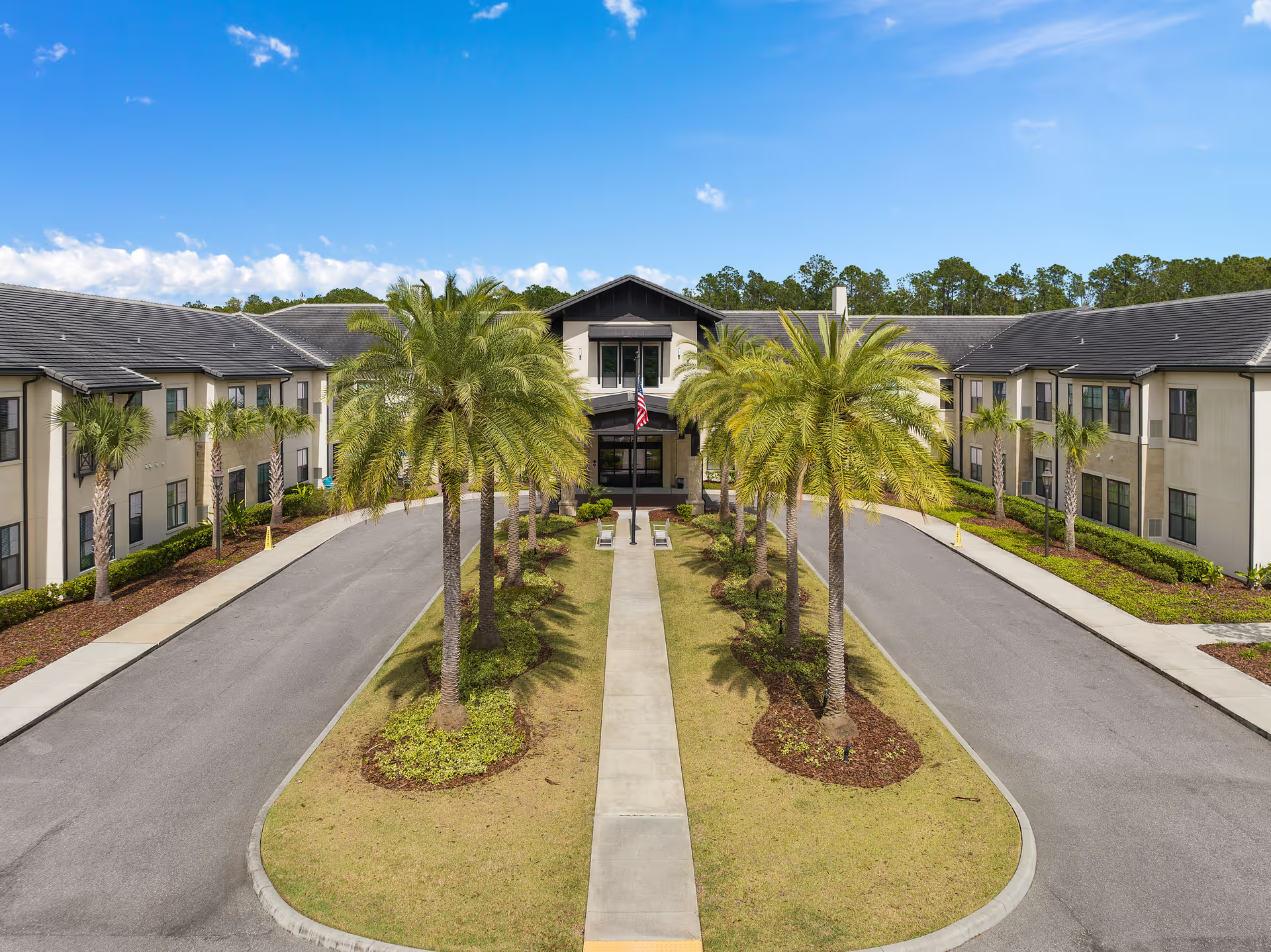
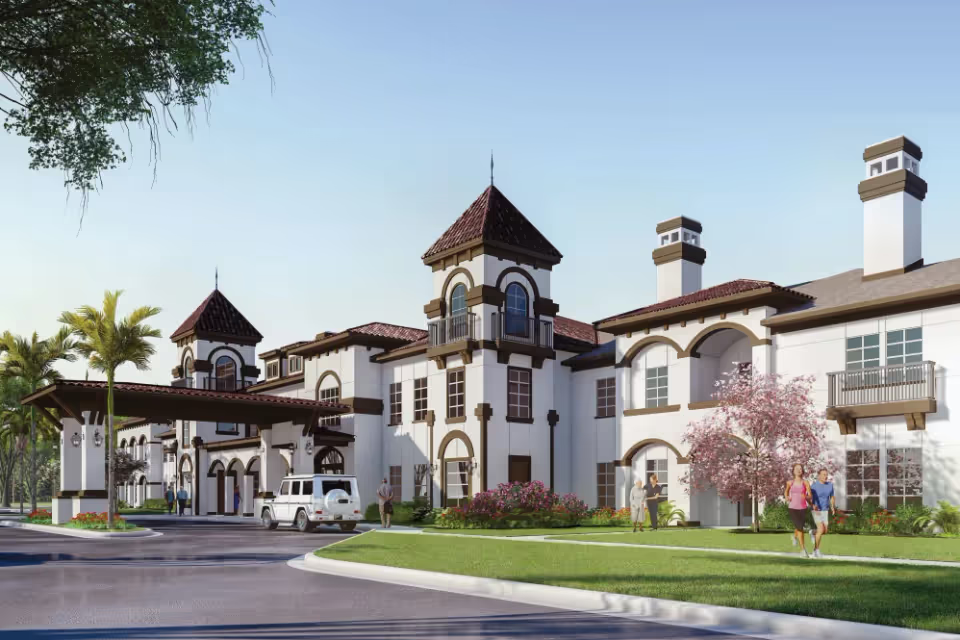
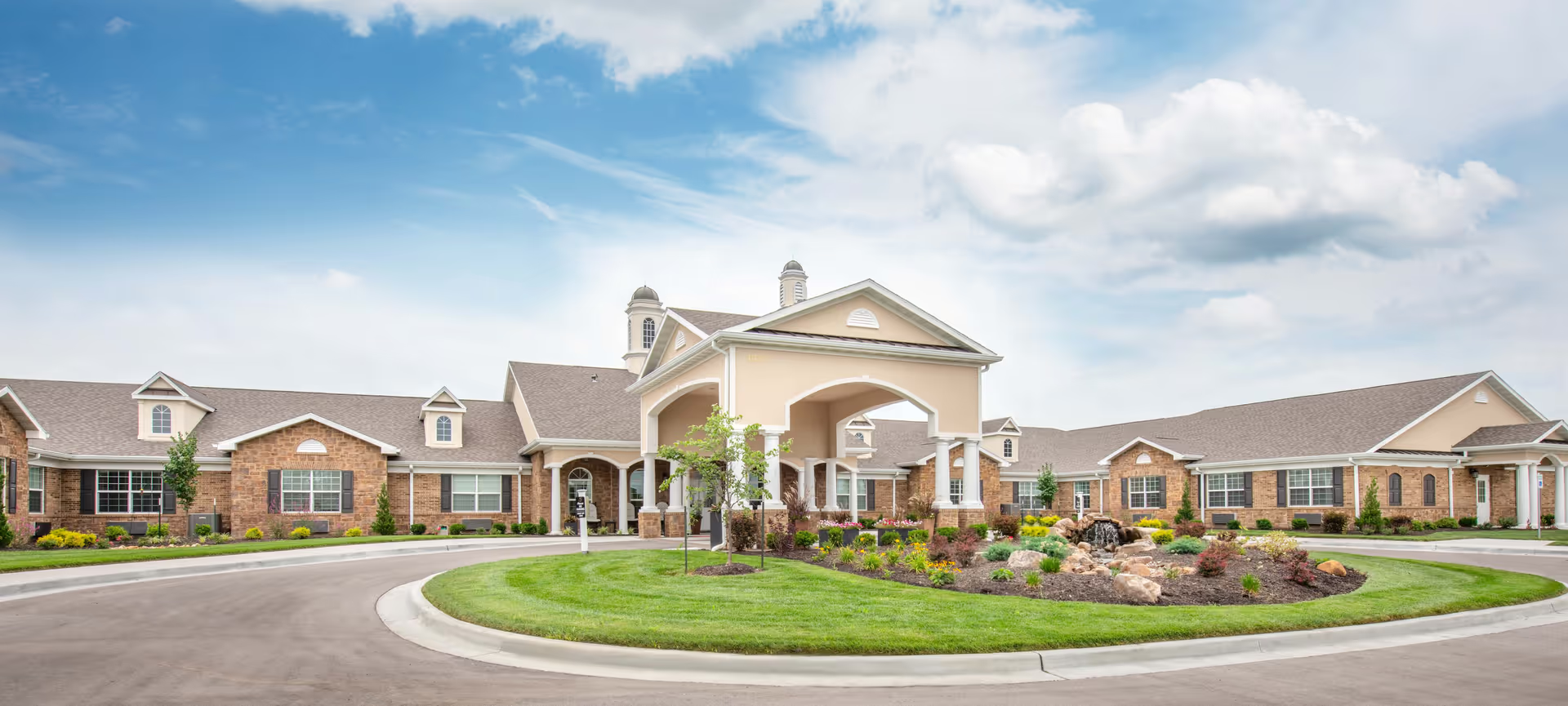
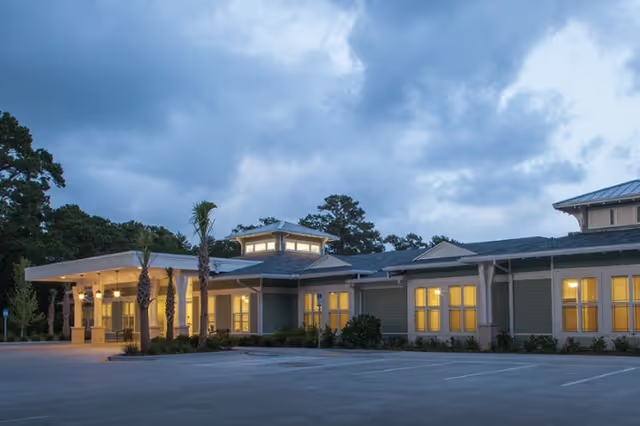
Symphony at St. Augustine presents a mixed but largely positive profile centered on strong memory-care programming and an active life-enrichment culture. The facility is frequently described as home-like, with bright, spacious rooms, landscaped grounds and communal areas that support social engagement. Many families highlight the community's specialized Alzheimer's and dementia focus, individualized care plans, and a visible nursing presence that contributes to a sense of clinical oversight.
Staff quality is a clear strength in many accounts: caregivers, nursing staff, receptionists, kitchen personnel and maintenance are regularly described as compassionate, attentive and personable. Life-enrichment and activities programming is a prominent positive theme — creative, frequent and meaningful events led by a highly regarded activities leadership team foster social engagement, skill building and enjoyment. Families also emphasize proactive communication channels (FaceTime, photos, texts and social posts) that help maintain connection, especially during visitation restrictions.
Dining and hospitality receive favorable mentions overall: meals are typically described as well-prepared, nutritious and attractively presented, and the culinary and dining teams are noted as responsive. On-site services such as beautician visits, haircuts and special events are part of the community's offering. Facility upkeep and cleanliness are often praised alongside tidy grounds and proactive maintenance; however, there are also recurrent notes of inconsistent sanitation standards in specific contexts, which suggests variability in housekeeping or oversight at times.
Notable operational concerns appear across reviews and merit careful consideration. Staffing levels and turnover are the most frequently cited negatives — families describe periods of understaffing, rushed aides and variability in staff experience. These conditions are associated with secondary issues: concerns about resident supervision and adherence to safety protocols, occasional delays in responding to medical or urgent needs, and lapses in managing residents' personal belongings. There are also references to intermittent leadership transitions that may affect continuity of management and follow-through on maintenance or administrative items.
In sum, Symphony at St. Augustine is characterized by strong memory-care programming, a robust activities culture, attentive front-line staff, and an inviting physical environment. Prospective residents and families should weigh these strengths against operational patterns around staffing, supervision and consistency of housekeeping and incident follow-up. When evaluating the community in person, families may find it helpful to ask specific questions about staffing ratios, supervision and safety protocols, staff tenure and turnover, personal-belongings procedures, and methods for urgent medical communication to gain a clearer sense of current operational reliability.