Del Webb Sunbridge presents a mixed but distinctly polarized profile: many reviewers describe an active, friendly resident population and resort-style amenities that support a vibrant independent-living lifestyle, while others express systemic concerns related to management, landscaping, and consistency of services.
Staff and resident support: Frontline staff — including sales, construction/project managers, warranty personnel, tavern servers, and on-site activity staff — are frequently described as professional, proactive, and helpful. Several reviewers praised construction managers for regular updates, photo documentation, and rapid follow-up on punch-list items. Warranty and maintenance teams earned positive mentions for responsiveness in many cases. However, higher-level administrative and HOA management received critical feedback; reviewers noted variability in professionalism, occasional poor communication, and perceived cultural issues within management that affect resident experience.
Dining and food service: The presence of an on-site tavern and restaurant is widely appreciated for convenience and staff friendliness. At the same time, there are recurring concerns about menu quality and consistency, with some reviewers describing a decline in offerings or constrained food-service operations tied to nonprofit management structures. Prospective residents should evaluate current dining menus and service models during a visit, as experiences appear uneven.
Activities and lifestyle programming: The community benefits from an extensive activity calendar, well-run social events, and strong activity leadership in multiple accounts. Many reviewers highlight plentiful classes, concerts, festivals, and clubs that support rapid social integration. A subset of reviewers, however, described gaps in frequency or perceived quality of programming, suggesting variability between different activity seasons or cohorts of residents.
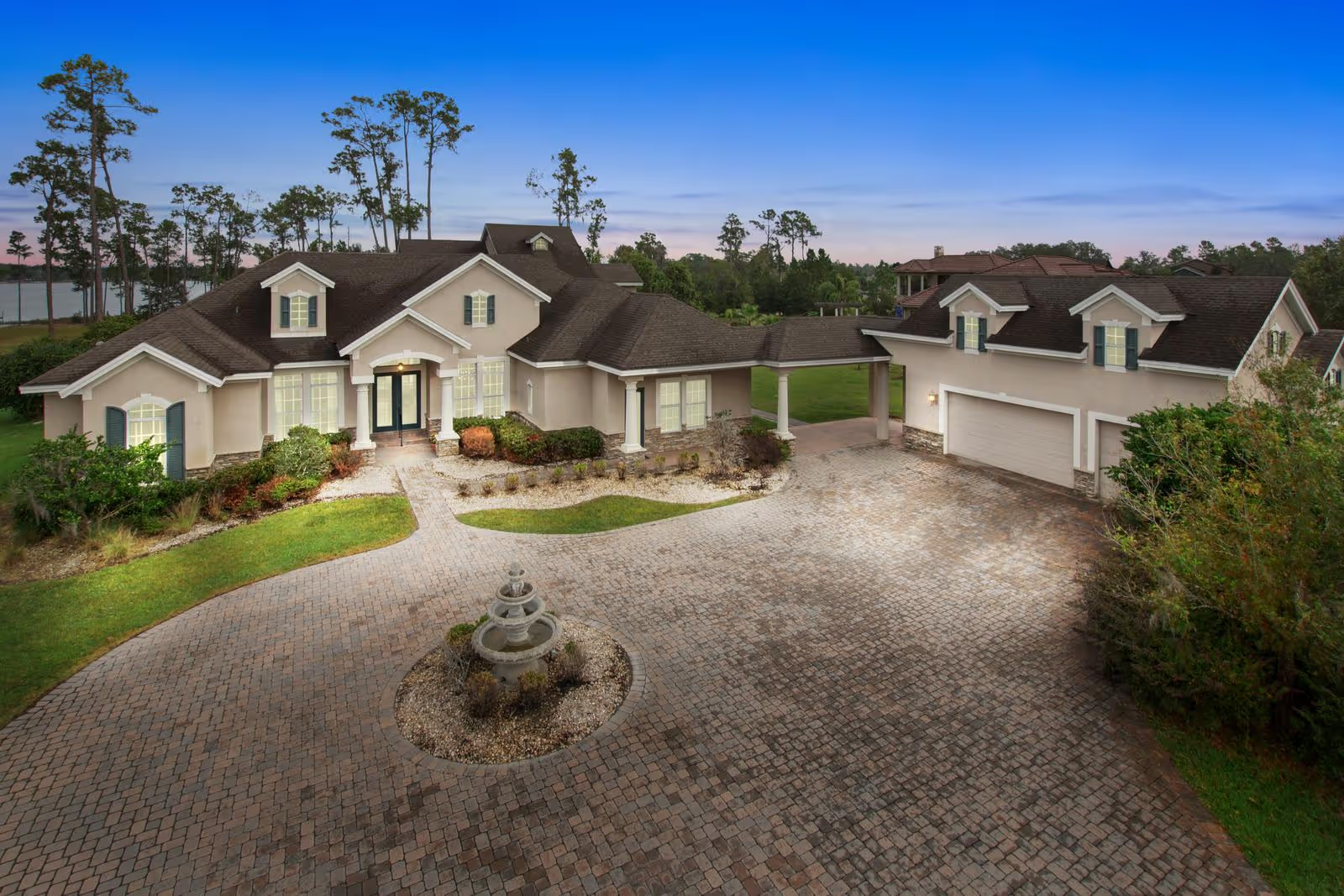
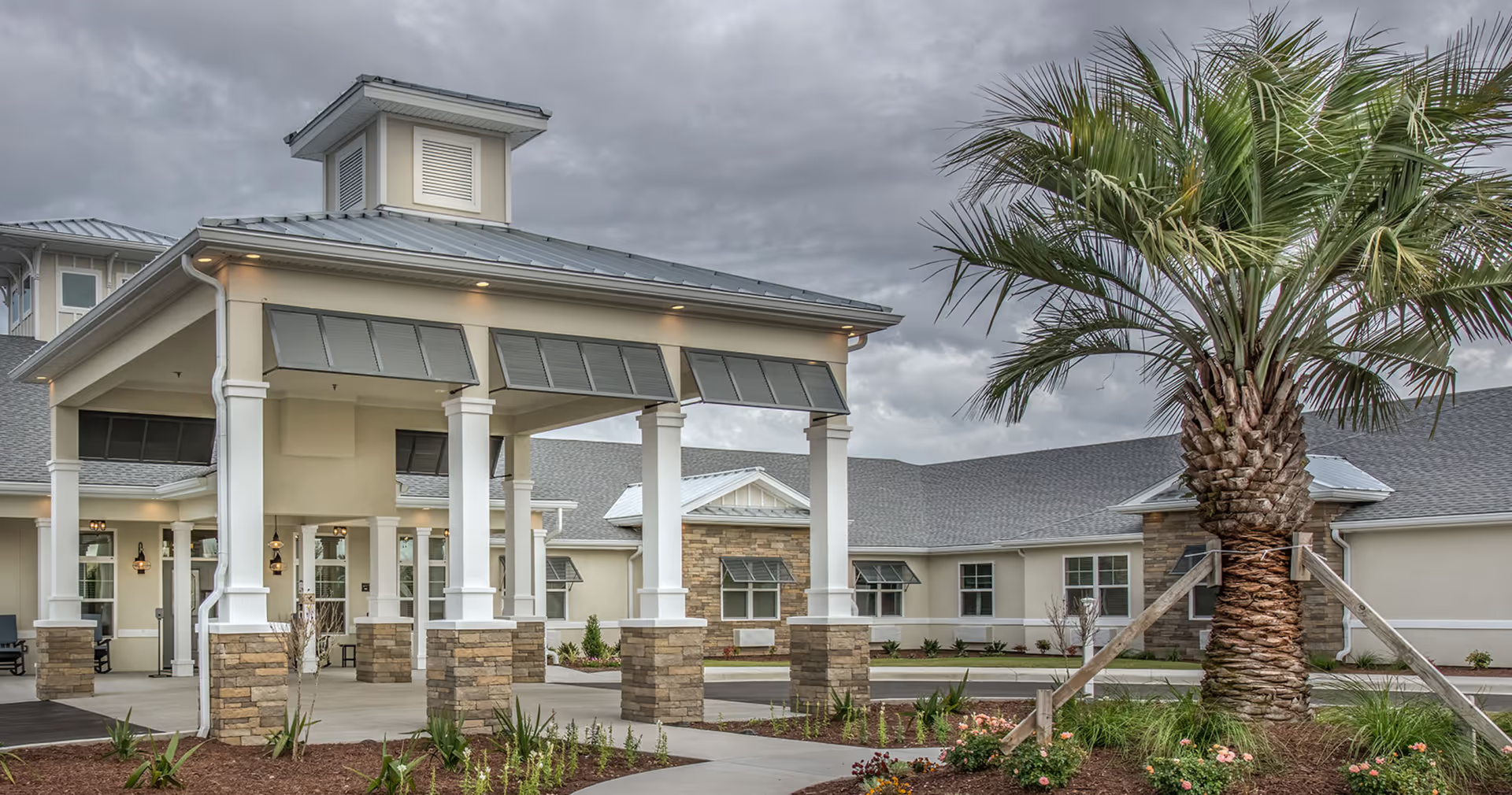
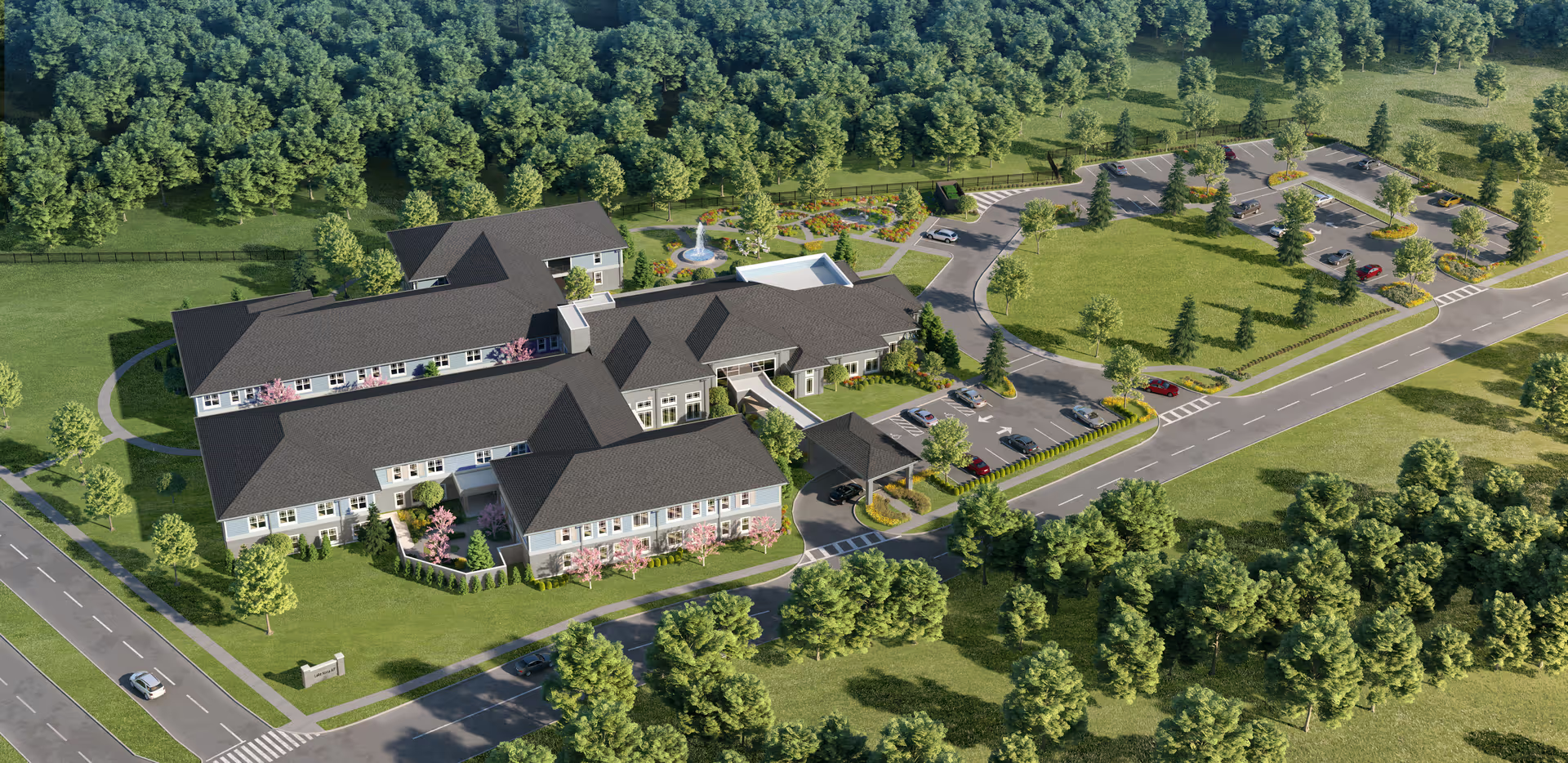
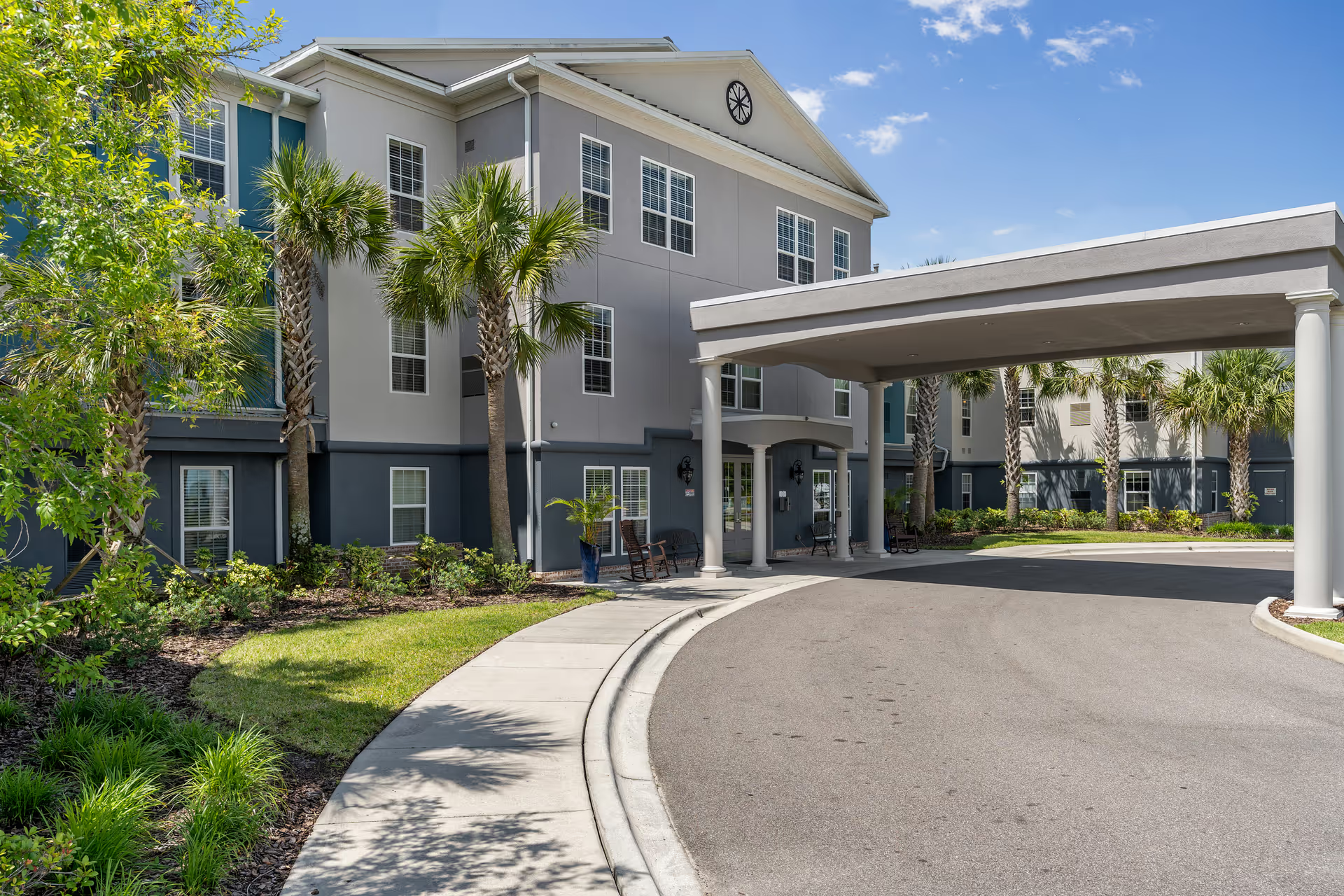
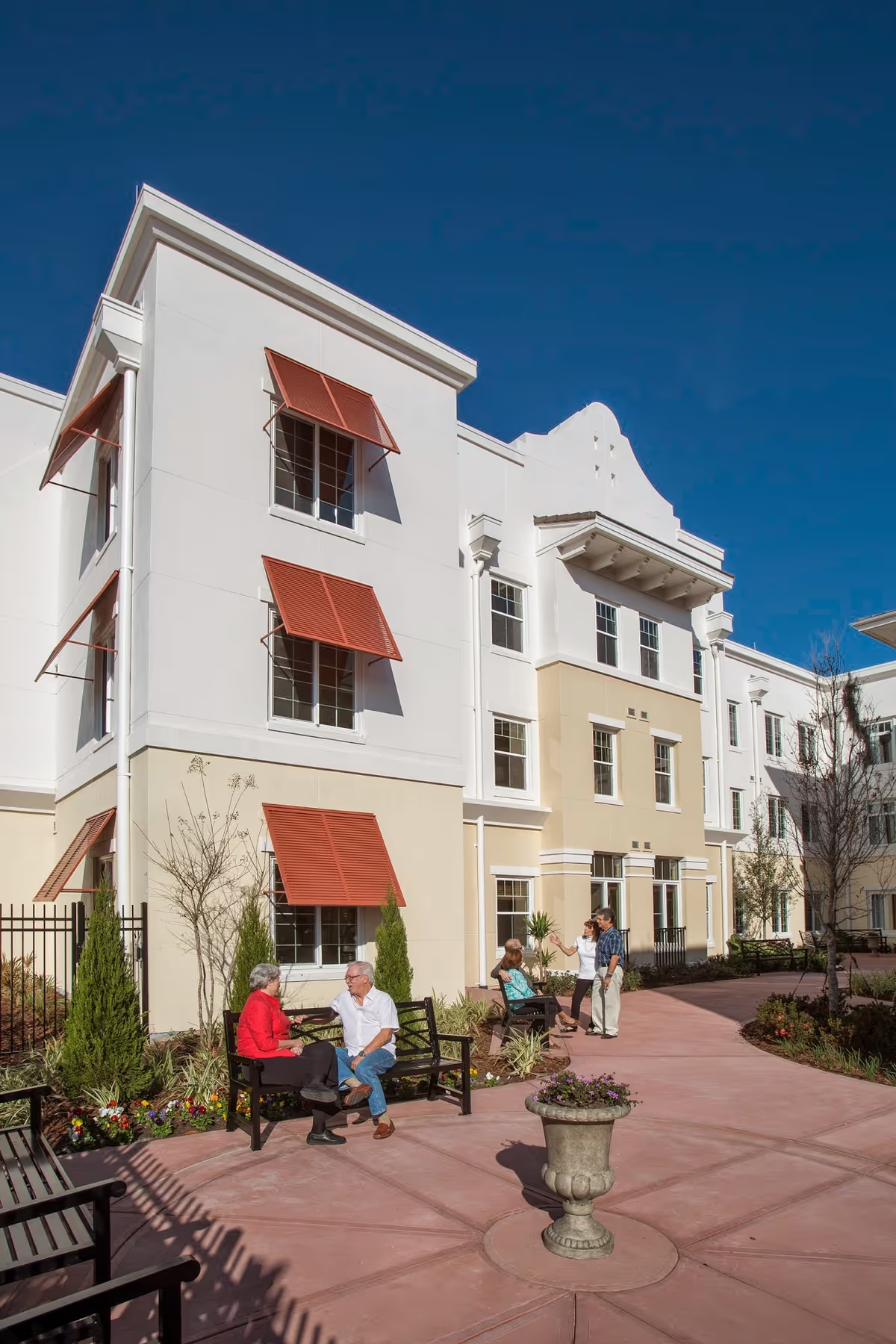
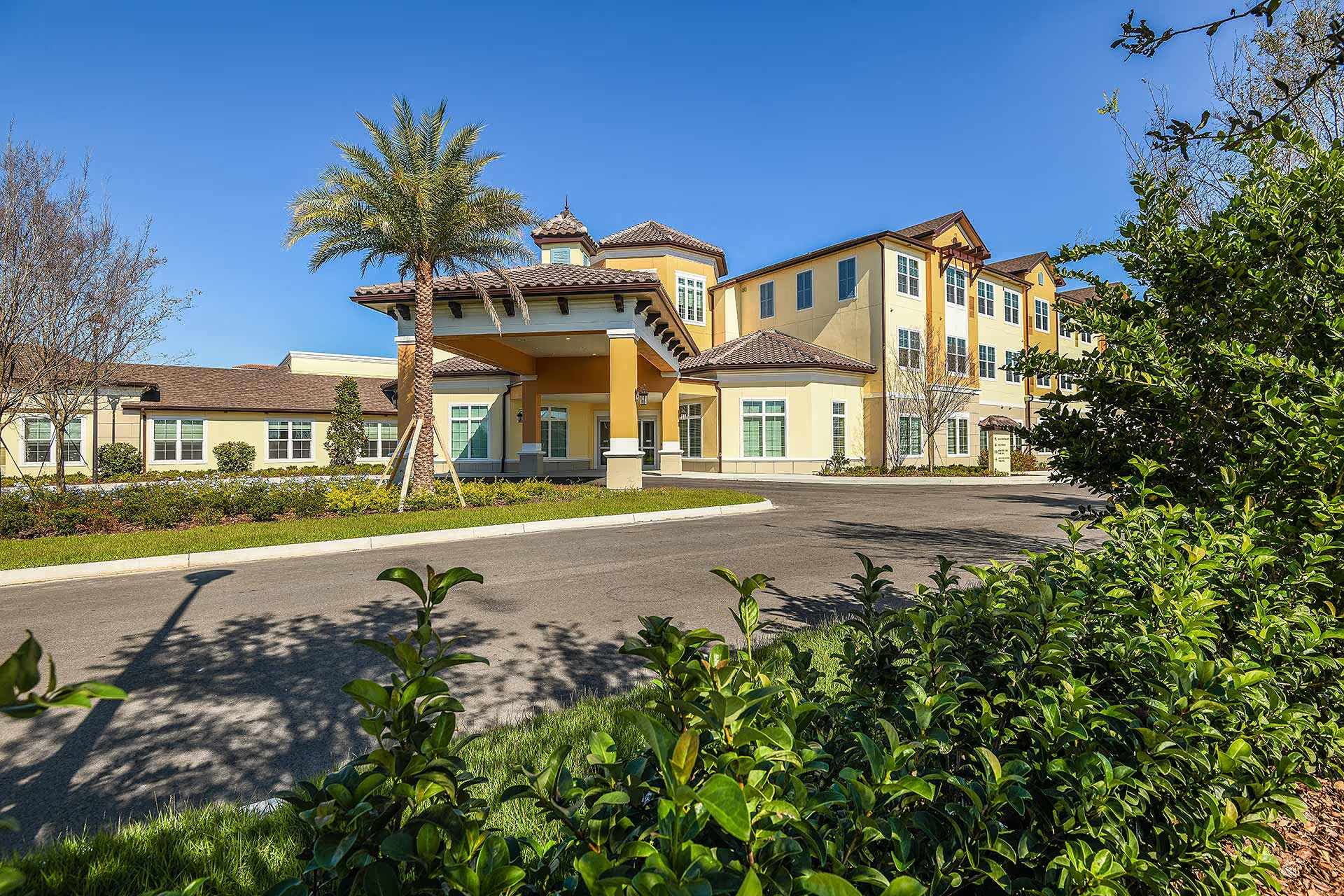
Facilities and grounds: Facilities are frequently described as attractive — a well-appointed clubhouse, pools, walking trails, and accessible fitness areas are cited as major strengths. Landscaping and grounds maintenance show mixed results: some areas are meticulously maintained with lush green spaces, while other comments point to dead planting, brown lawns, or delayed replacement of plantings. Ongoing community construction contributes to temporary access limitations, road wear, and intermittent disruption to amenity availability.
Management, governance, and value: Governance and HOA-related issues emerged as a consistent pattern. Reviewers raised concerns about board oversight, HOA fee levels, and the effectiveness of third-party management companies. Several accounts referenced construction delays, sewer or permitting complications, and unclear closing timelines that carried financial and personal stress for buyers. These governance and process concerns translate into perceived value issues for some residents, who question whether fees align with service consistency.
Notable patterns and recommendations: The overall impression is of a community with strong lifestyle potential and many operational strengths at the service-delivery level (sales, construction, tavern staff, activity leadership) but with recurring, facility-level weaknesses in vendor/HOA management, landscaping consistency, dining stability, and construction/closing logistics. Prospective buyers should prioritize on-site inspections (including landscaping and recently completed homes), verify current dining operations and activity schedules, review HOA financials and governance documents, and ask for explicit timelines and contract terms related to move-in and deposits. Families who value active programming, strong on-site amenities, and attentive frontline staff are likely to find the community appealing; those for whom predictable governance, consistently maintained grounds, and dining quality are critical should perform targeted due diligence during the visit.