The Legacy at St. Johns elicits strongly polarized impressions. Many families describe it as a small, privately owned community with compassionate staff, engaged owners, and a home-like atmosphere. Long-term residents and their families frequently praise the responsiveness of management, the cleanliness of common areas and rooms, the quality of meals, and a steady schedule of activities and entertainment. Several reviewers specifically noted that the on-site memory-care offering eased transitions for families and that continuity of care over multiple years contributed to high satisfaction.
Care and staff: Positive comments emphasize caring, thoughtful caregivers and owners who are perceived as personally involved. Families who felt well-supported cited attentive daily care and helpful communication. However, other reviewers raised operational concerns about staff conduct and responsiveness that suggest variability in how consistently those positive practices are applied. Separate concerns about medication management and clinical oversight were also noted, indicating the need for prospective families to review medication protocols and oversight practices during tours.
Dining and activities: Dining is frequently described as a strength — reviewers mention good food and reliable meal service — and activities/entertainment are generally seen as engaging and appropriate for residents. At the same time, some reviews raised sanitation and pest-control concerns specifically tied to dining and food-service areas. Prospective families may want to observe meal service and ask about housekeeping and pest-control schedules during their visit.
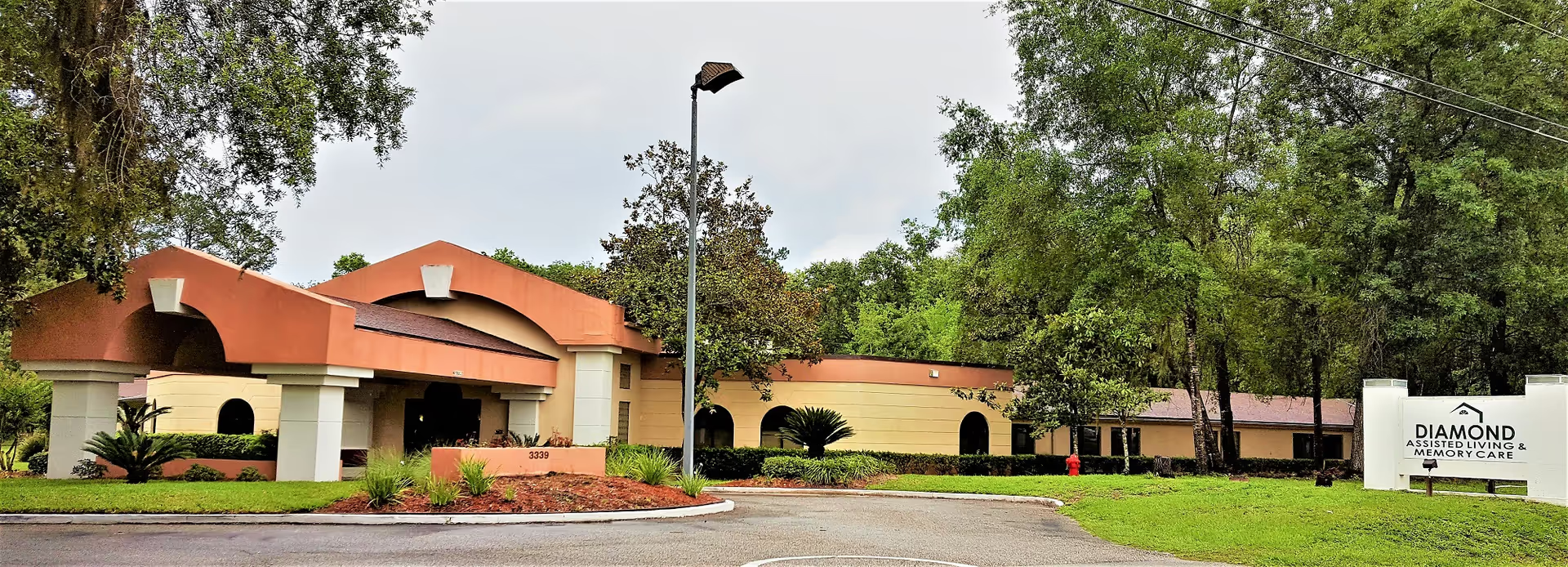
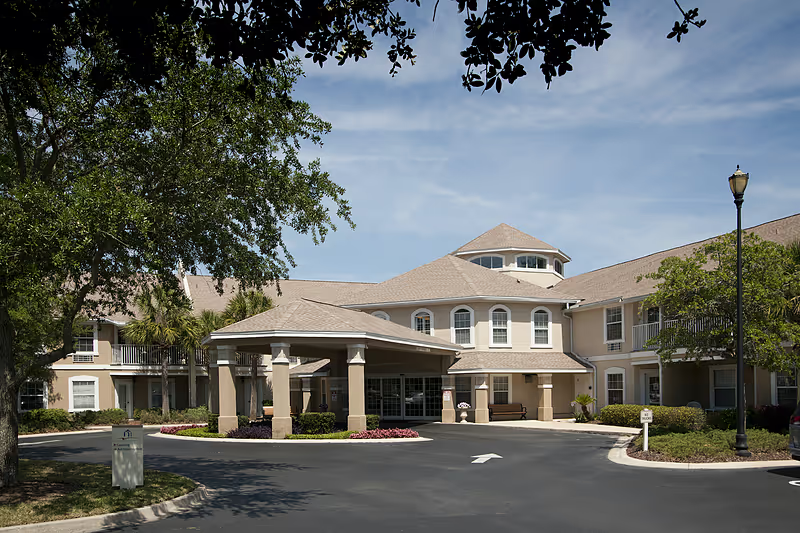
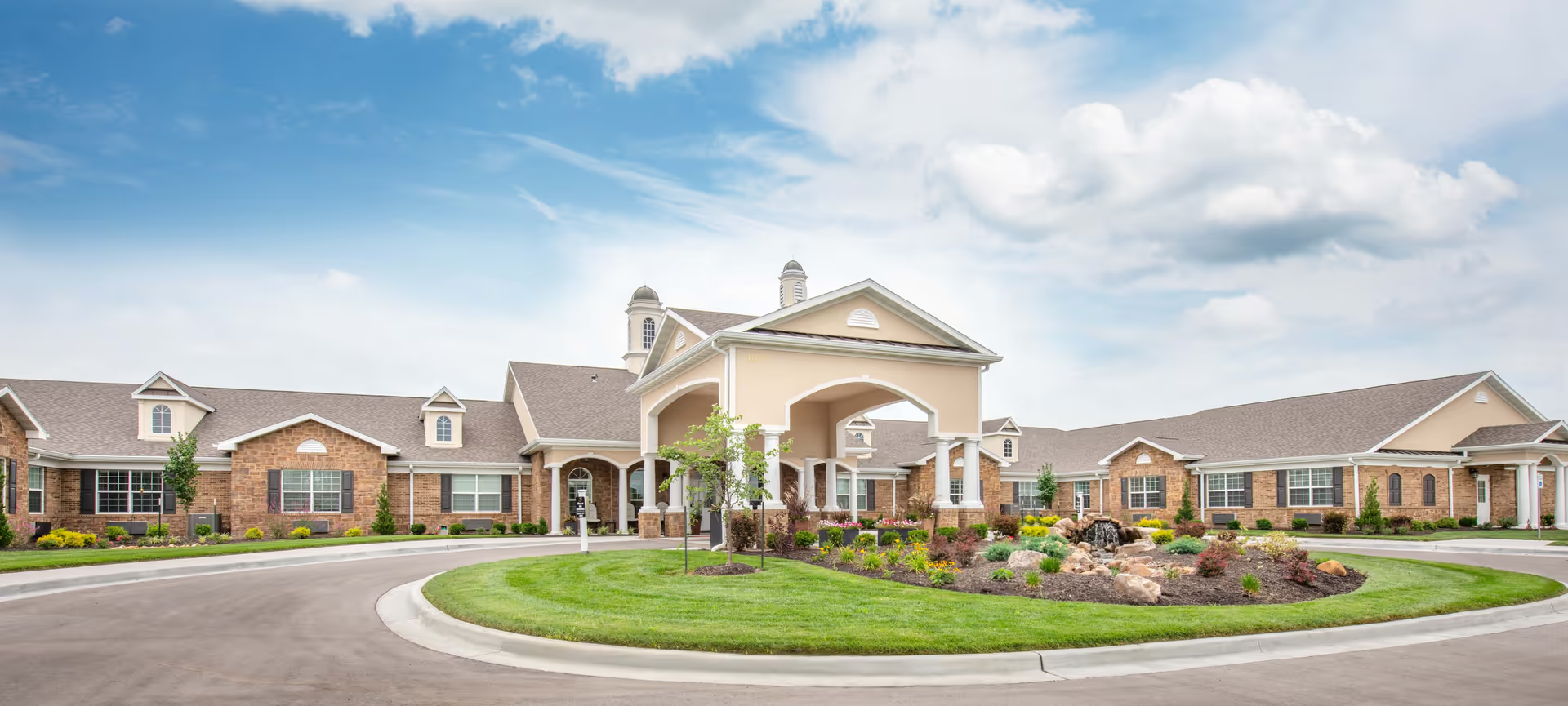
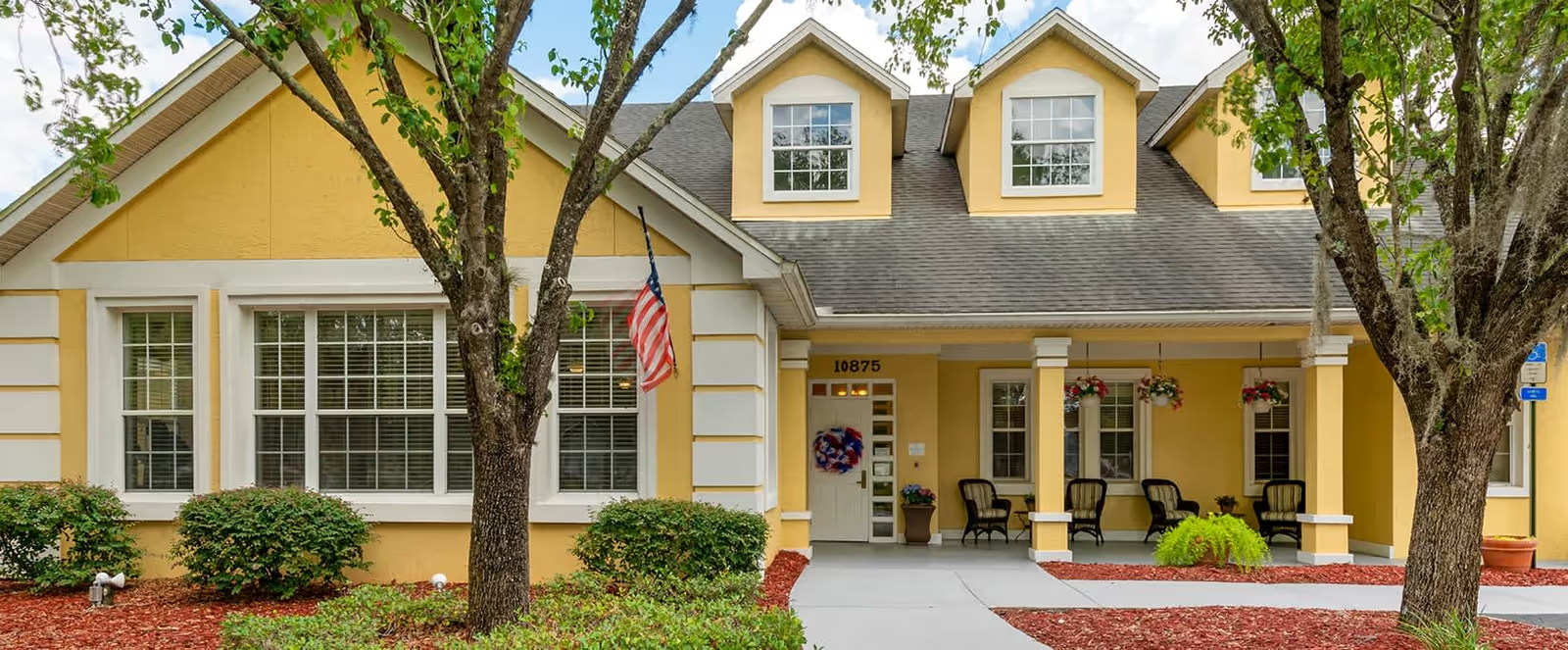
Facilities and management: The facility is often called beautiful and well-decorated, though a few comments point to an older building with limited exterior views from some rooms. Management and ownership are viewed favorably by many families for being responsive and hands-on; a minority of reviewers, however, expressed the perception that financial considerations sometimes influenced decision-making. This contributes to an overall impression of inconsistent administrative experiences across families.
Memory care and notable patterns: The memory-care program is a mixed point — several families found the memory-care addition helpful and stabilizing, while others described gaps between the program’s description and their experience. Overall, the reviews form a bimodal pattern: a substantial set of long-term positive experiences alongside a smaller but notable set of serious operational concerns (sanitation, medication oversight, staff responsiveness). Prospective residents and families should weigh both types of feedback, tour the facility at mealtimes, ask for documentation on clinical oversight and pest-control, and speak with current families when possible to assess consistency of care.