Overall impression: Reviews describe a facility with a strong rehabilitative core but uneven execution in day-to-day resident care and operations. Physical therapy and structured rehab are consistently identified as strengths — therapists are described as skilled, professional, and focused on measurable goals. At the same time, families and residents characterize the broader care environment as inconsistent: some shifts and staff perform well while others exhibit poor communication, slow responsiveness, and unprofessional conduct.
Care and clinical services: The facility appears to deliver high-quality rehabilitation services, including frequent therapy sessions and clear goal-setting. Nursing care experiences are mixed: many reviewers praised nurses who are attentive and responsive, yet others reported delayed assistance, inconsistencies in medication timing, and reluctance to complete incident documentation. These patterns suggest variability in clinical practice and handoff processes that can affect continuity of care, particularly across different shifts.
Staff and communication: A recurring theme is uneven staff behavior and morale. Positive comments about individual caregivers and therapists coexist with concerns about tone of communication, staff impatience, and instances of staff admonishing family members or residents. Shift-to-shift variability is noted, with night coverage and certain teams described as less consistent. Reviewers also raised concerns about workplace stress, payroll/benefits administration issues, and management responses, factors that can contribute to turnover and inconsistent performance.
Dining, activities, and daily living: Reports on dining are mixed — some describe limited resident choice and poor food quality, while others do not comment. Personal-care support shows variability; some residents receive timely bathing and hygiene assistance, whereas others experienced delayed or inconsistent help. Therapy-focused activities and rehabilitation programming are a clear strength, but general activity programming beyond rehab is less well-documented in the reviews.
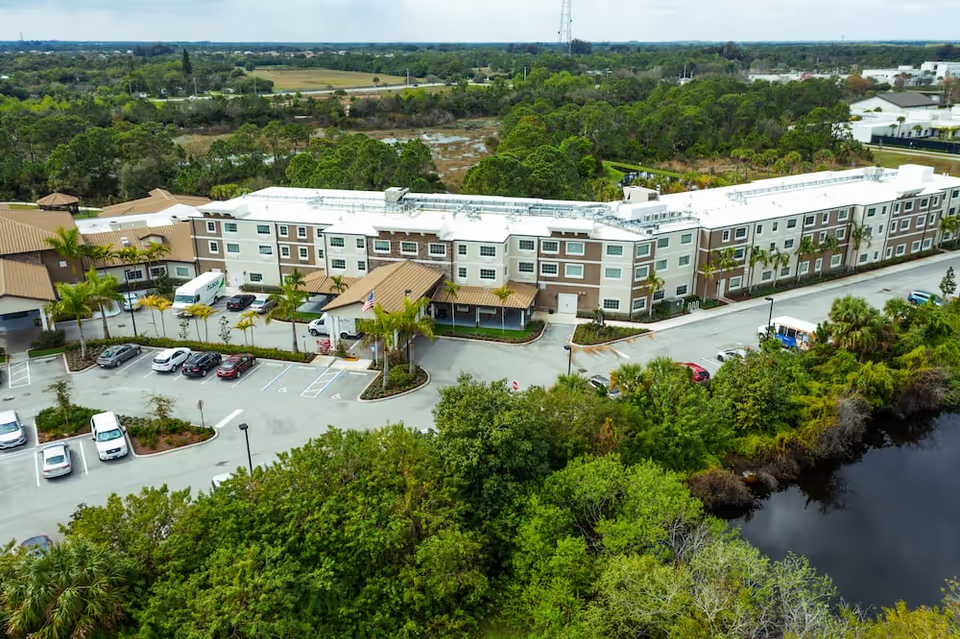
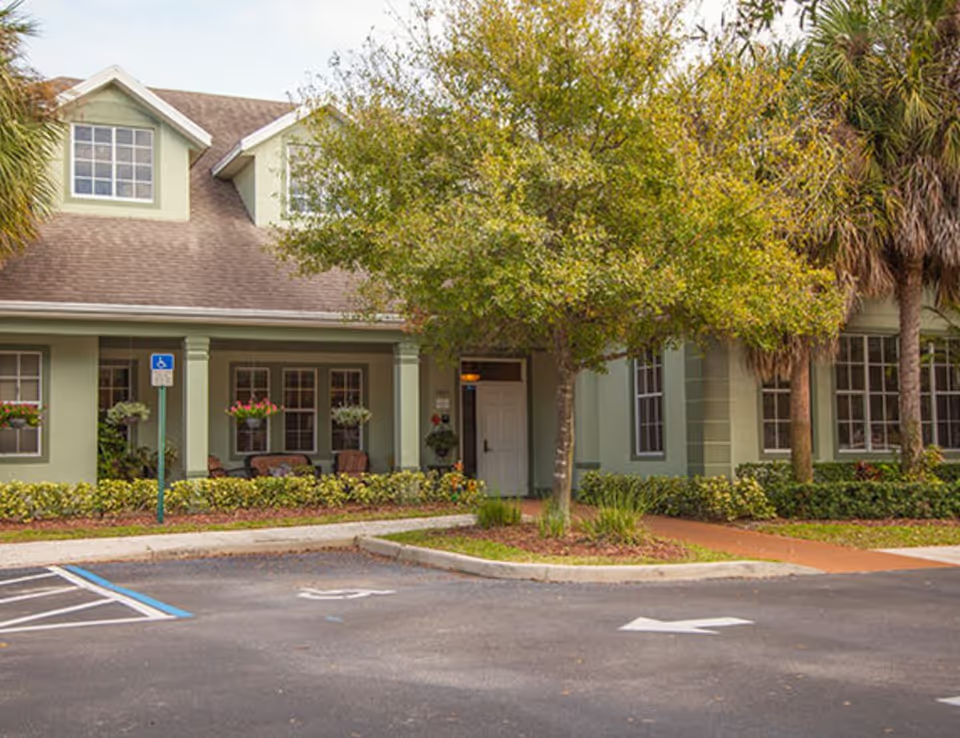
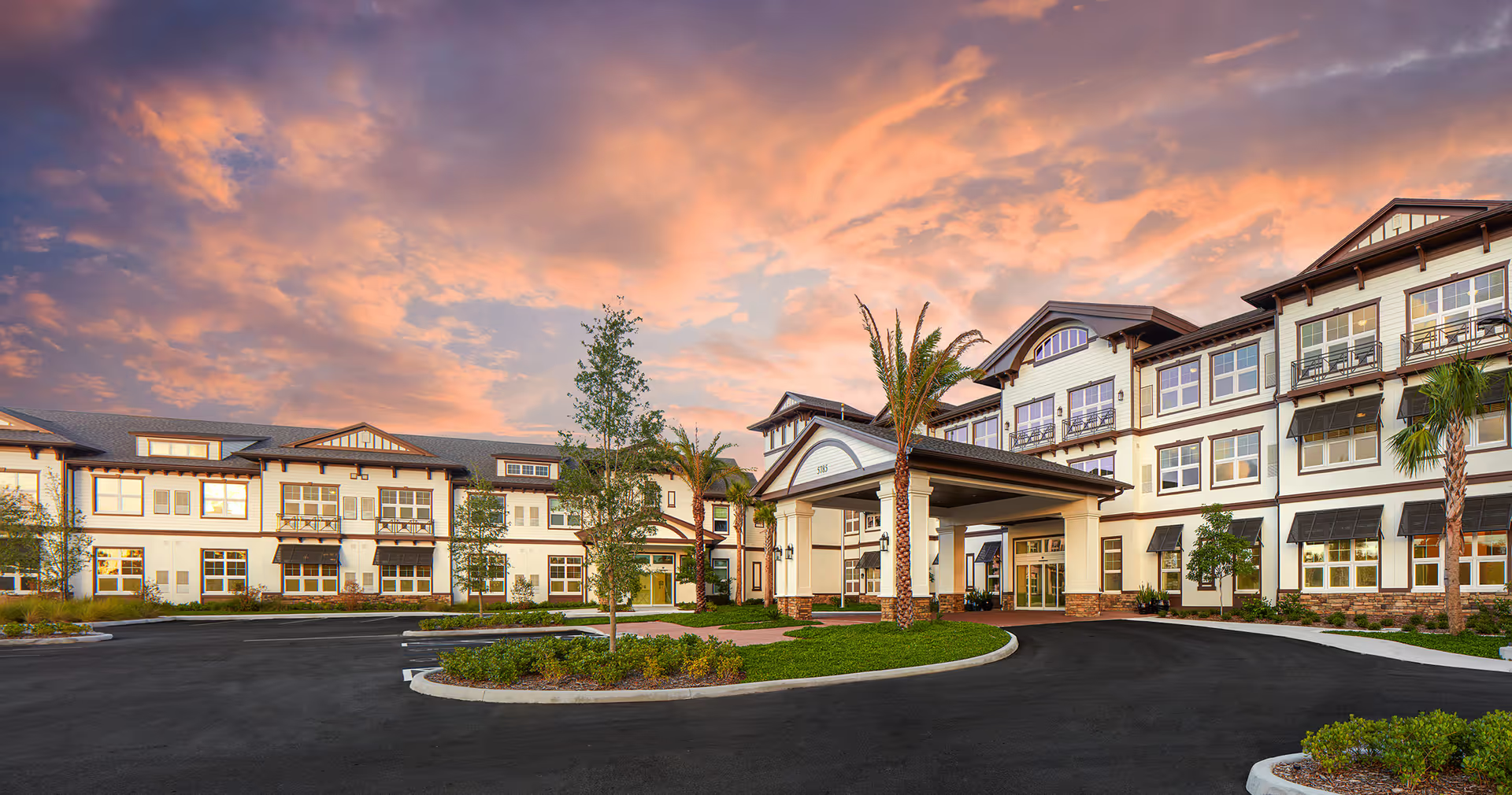
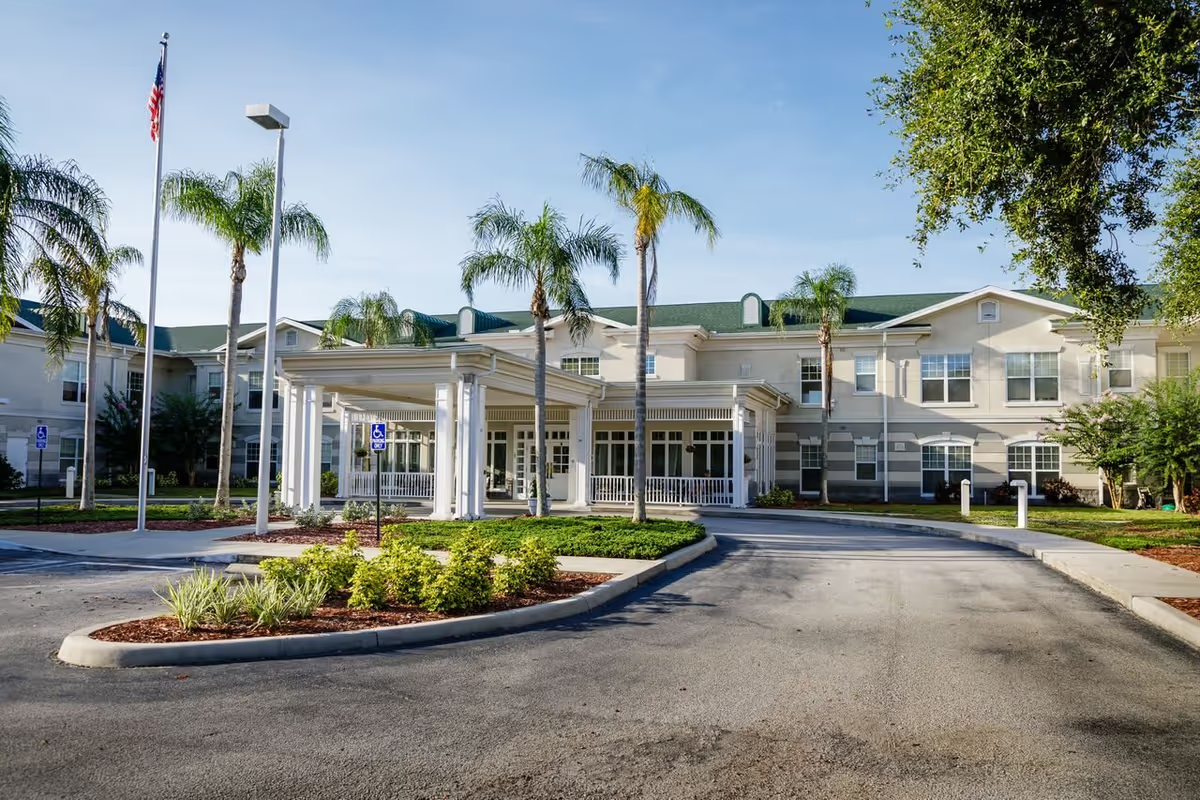
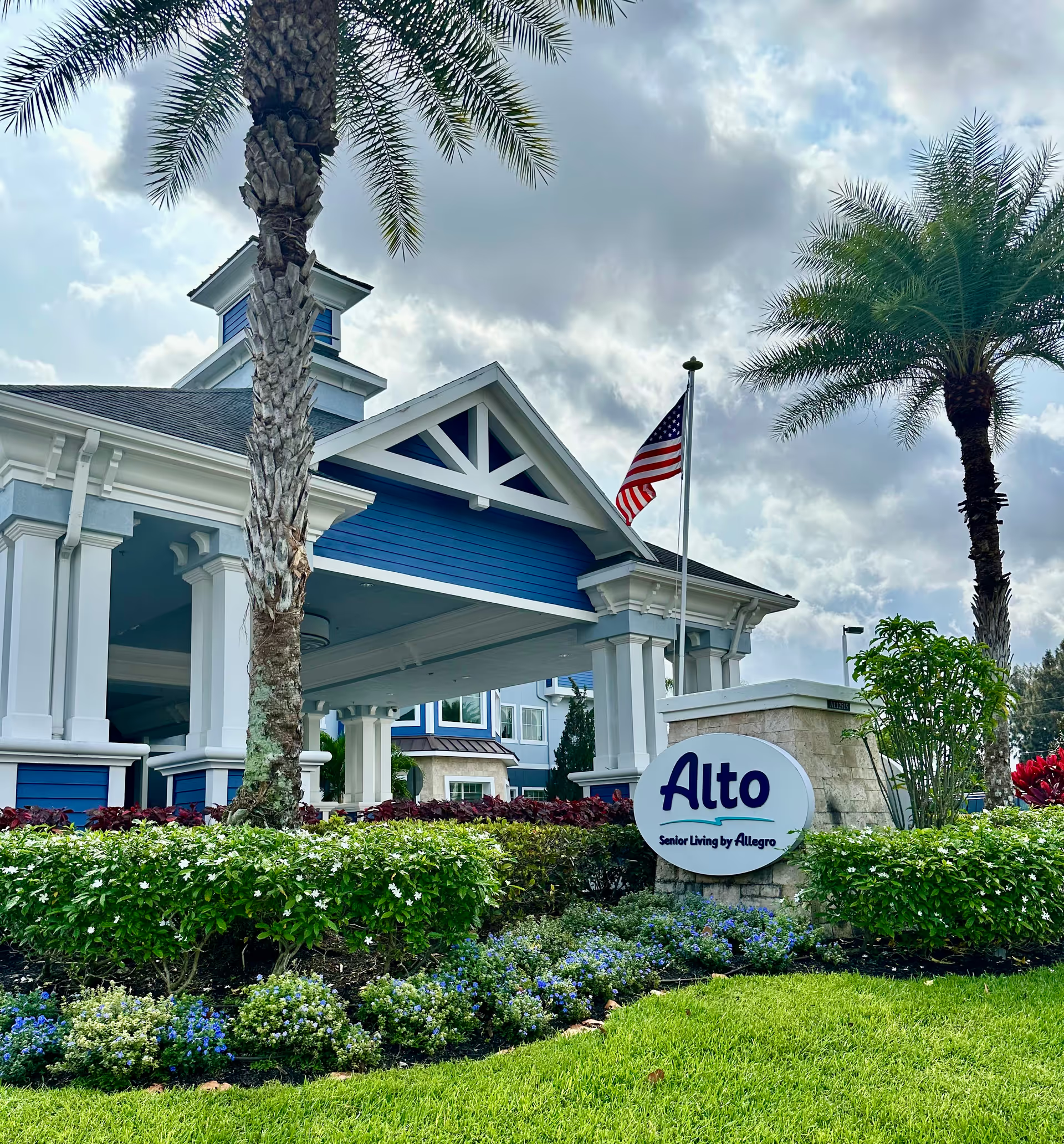
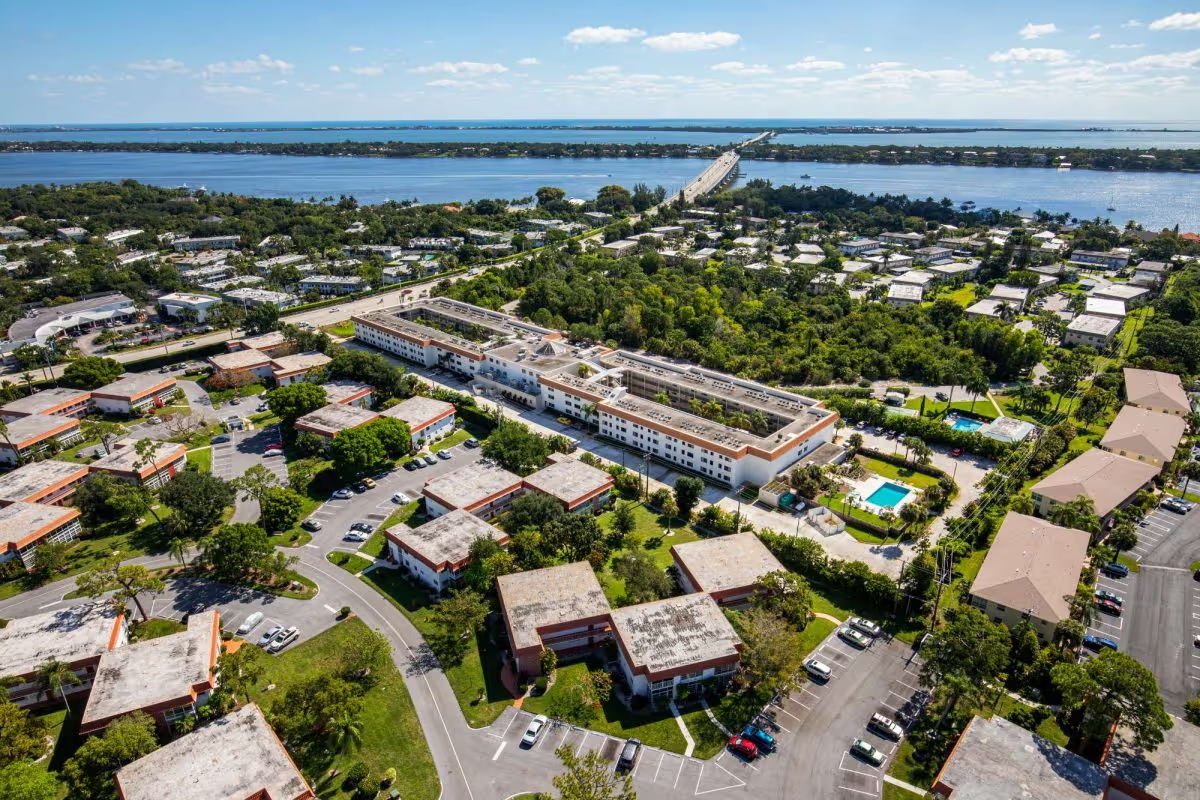
Facilities and maintenance: The building and rooms are frequently described as spacious, well-constructed, and conveniently located next to the hospital, with opportunities for personalization. However, reviewers also identified sanitation and odor concerns in certain areas and inconsistent housekeeping. Infrastructure issues such as prolonged loss of hot water and slow repair responses were specifically mentioned, indicating maintenance and facilities-management gaps that affect resident comfort.
Management, compliance, and reputation: Several reviewers expressed dissatisfaction with leadership and corporate oversight, citing poor communication, inconsistent enforcement of policies, and operational decisions that negatively affected staff morale. There are also allegations of staff-generated positive online reviews and misleading statements to visitors; such reputation-management concerns warrant scrutiny. Additionally, financial-administration problems affecting payroll and employee benefits were raised and could have downstream effects on staff stability and care quality.
Notable patterns and considerations: The overall pattern is one of polarizing experiences: families report both exemplary rehabilitation outcomes and serious operational shortcomings. Positive therapeutic outcomes are offset for some by inconsistent nursing care, hygiene support, maintenance failures, and management issues. Prospective residents and families should weigh the facility’s strong rehab capabilities against the variability in routine care and operational reliability. Recommended due diligence includes asking about staffing ratios by shift, timely examples of maintenance and repair resolution, medication-administration protocols, incident-reporting practices, and recent employee turnover and payroll/benefits stability.