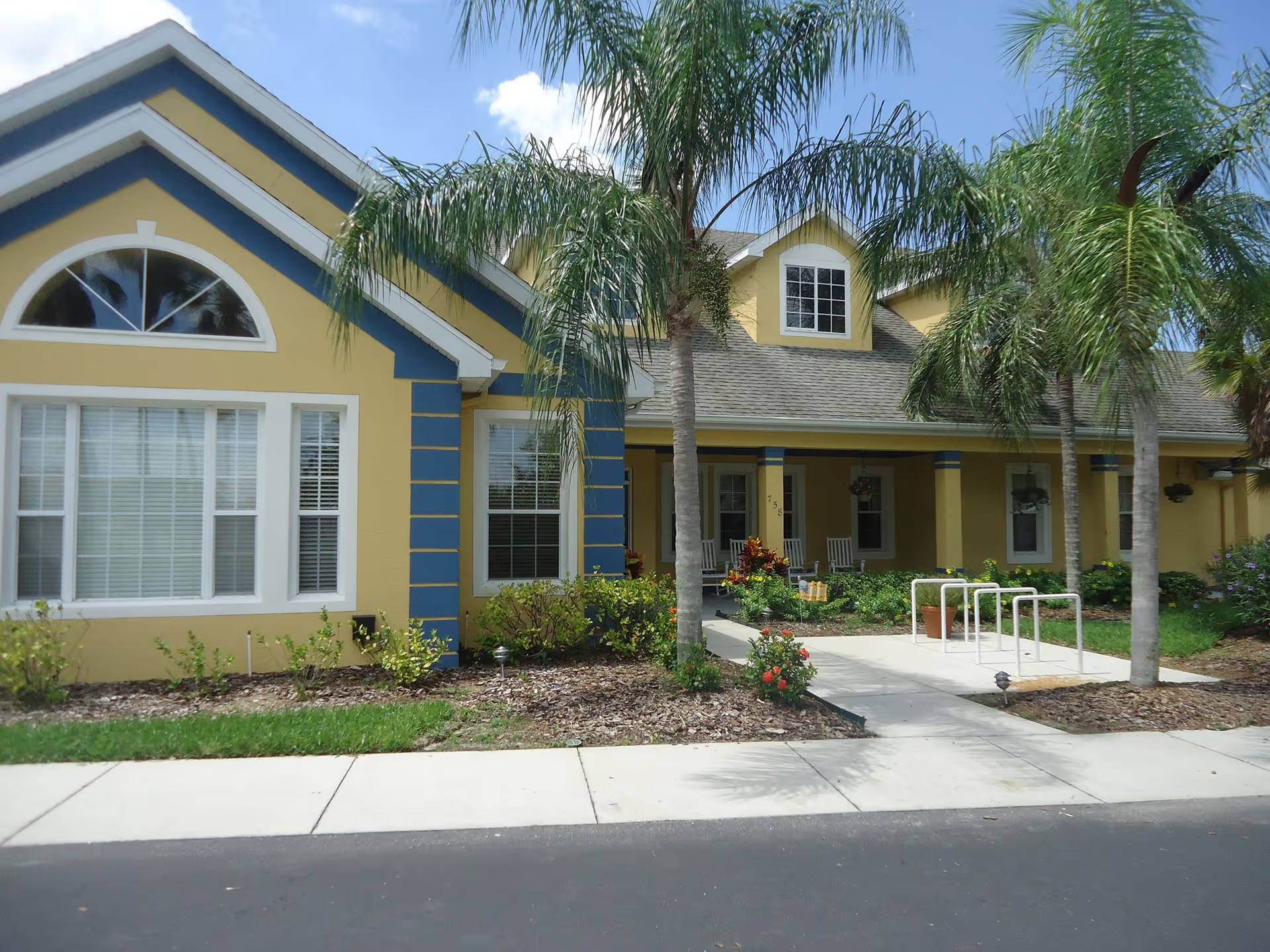
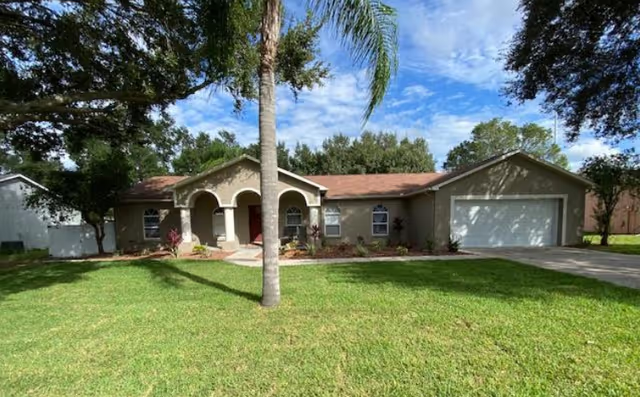
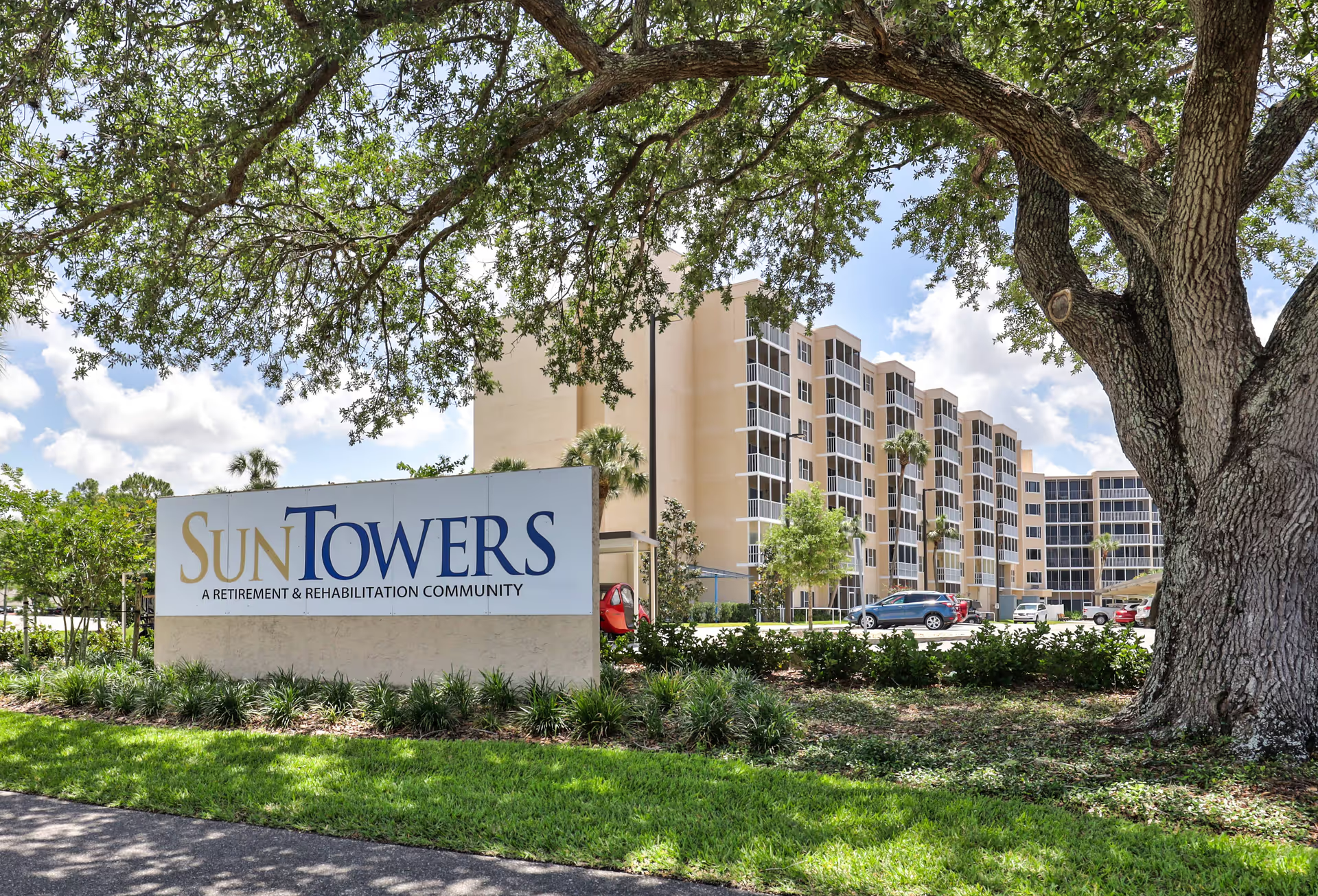
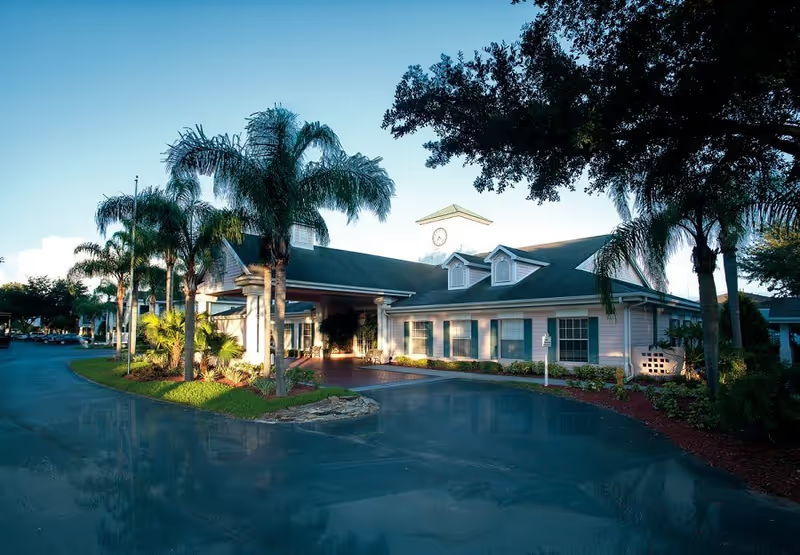
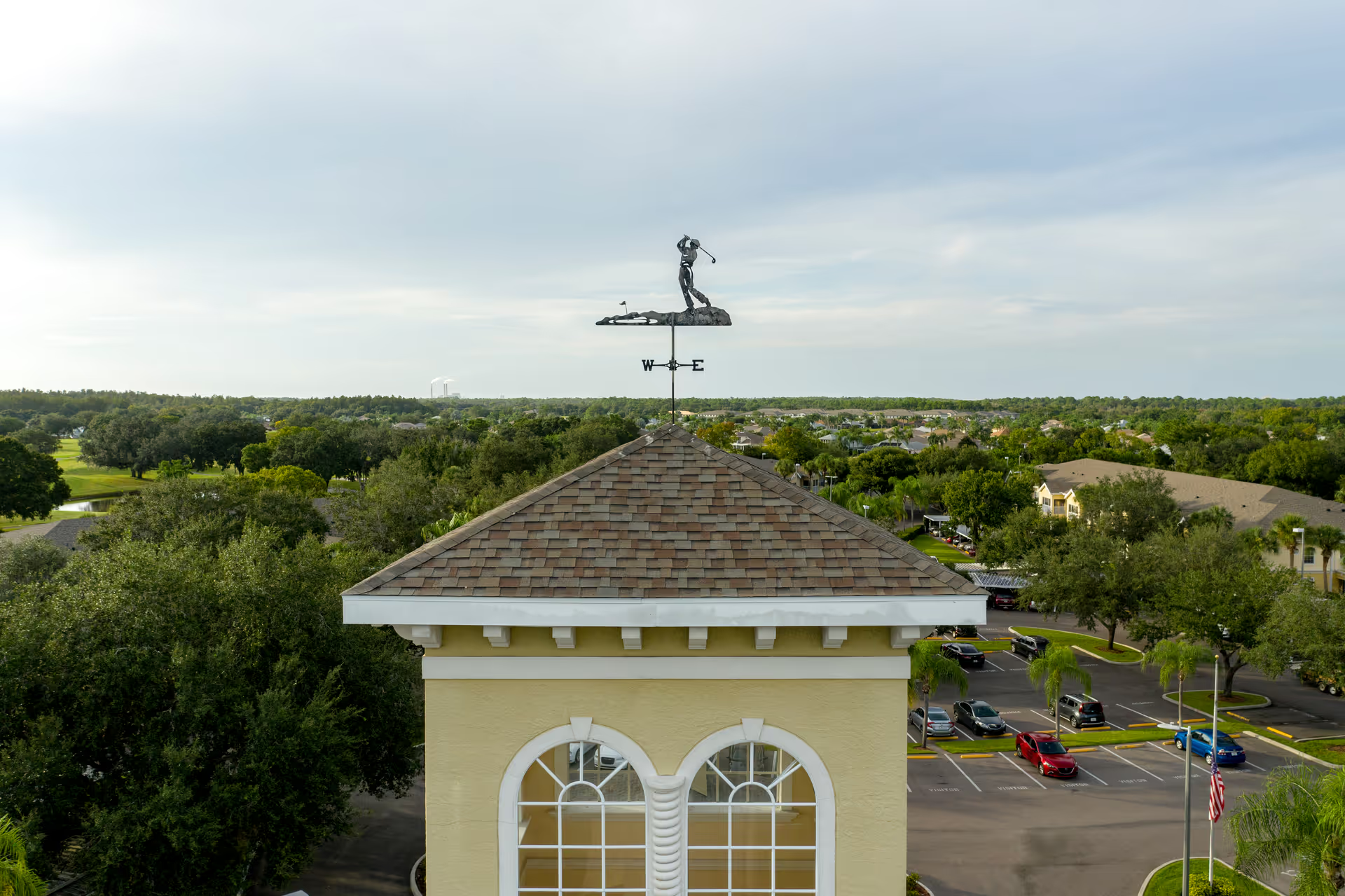
Overall impression: Magnolia Senior Living is described by many families as a clean, attractive, and well-maintained small community with a family-run, home-like atmosphere. Strengths most consistently highlighted include attentive, personable caregiving; visible nursing and on-site medical resources; high-quality meals; and an activities program that encourages socialization. Reviewers often cite specific amenities such as a salon, on-site therapy and laboratory services, screened porches and interior courtyards, and spacious common areas that contribute to a comfortable daily environment.
Care and staff: The facility receives frequent praise for compassionate, individualized care and for staff who take time to know residents. Nursing staff, activities personnel, housekeeping, and maintenance are commonly described as courteous and helpful, and families note emotional and end-of-life support provided by caregivers. At the same time, a recurring operational concern relates to dementia and memory care: reviewers indicate gaps in dementia-specific training, limited behavioral de-escalation skills, and instances that suggest uneven caregiver availability. These patterns point to the need for clearer protocols, consistent training in memory-care techniques, and reliable staffing coverage for residents with cognitive impairment.
Dining and activities: Dining is repeatedly described as a strong point—fresh, restaurant-quality meals served three times a day with attention to special needs. Activities are generally viewed as engaging and supportive of social connection; the small size of the community allows staff to know residents personally and remind them about meals and events. However, the facility’s limited scale also means activity offerings may be narrower than at larger communities; prospective residents should confirm the type and frequency of programming important to them.
Facilities and amenities: Reported positives include modern, spotless apartments and common areas, and convenient on-site services (medical visits, physical therapy, labs, hair and nail services). The small, family-owned structure with owners onsite is credited with creating a welcoming culture and prompt responsiveness in many cases. Nevertheless, some reviewers express concerns about inconsistent caregiver presence and occasional administrative disorganization, which can affect perceptions of reliability and safety—particularly for residents needing higher levels of memory support.
Management and notable patterns: Management earns credit for being approachable and responsive in many accounts, and for helping with transitions, insurance issues, and family communication. Conversely, other families describe variability in administrative responsiveness, unclear role definitions among staff, and concerns about pricing and billing predictability. Most notably, there is a consistent pattern of strengths in general assisted living services alongside specific operational weaknesses in memory-care protocols, staffing continuity, and behavioral management.
Guidance for prospective families: When considering Magnolia, arrange a focused tour and ask targeted questions about dementia care protocols, staff training and certification in memory care, staffing ratios and contingency plans for coverage, elopement-prevention and door-security measures, behavioral-de-escalation practices, and written admission/retention policies for progressive cognitive decline. Request recent references from families of residents in memory care, verify on-site medical and therapy availability, and obtain clear, written information about pricing and billing changes. Doing so will help balance the facility’s evident strengths in hospitality, cleanliness, and personalized attention with the operational concerns noted around memory-care services and administrative consistency.