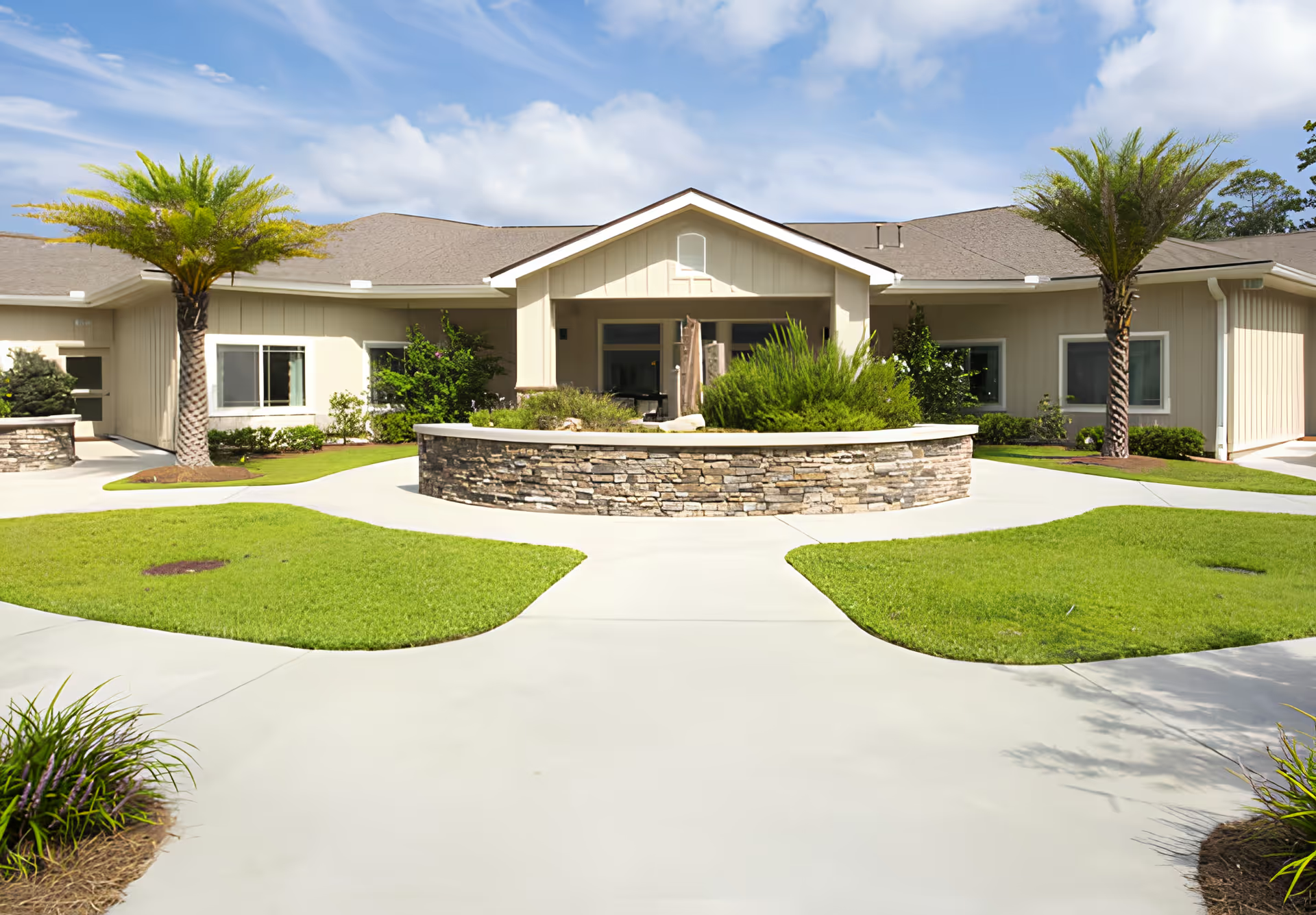
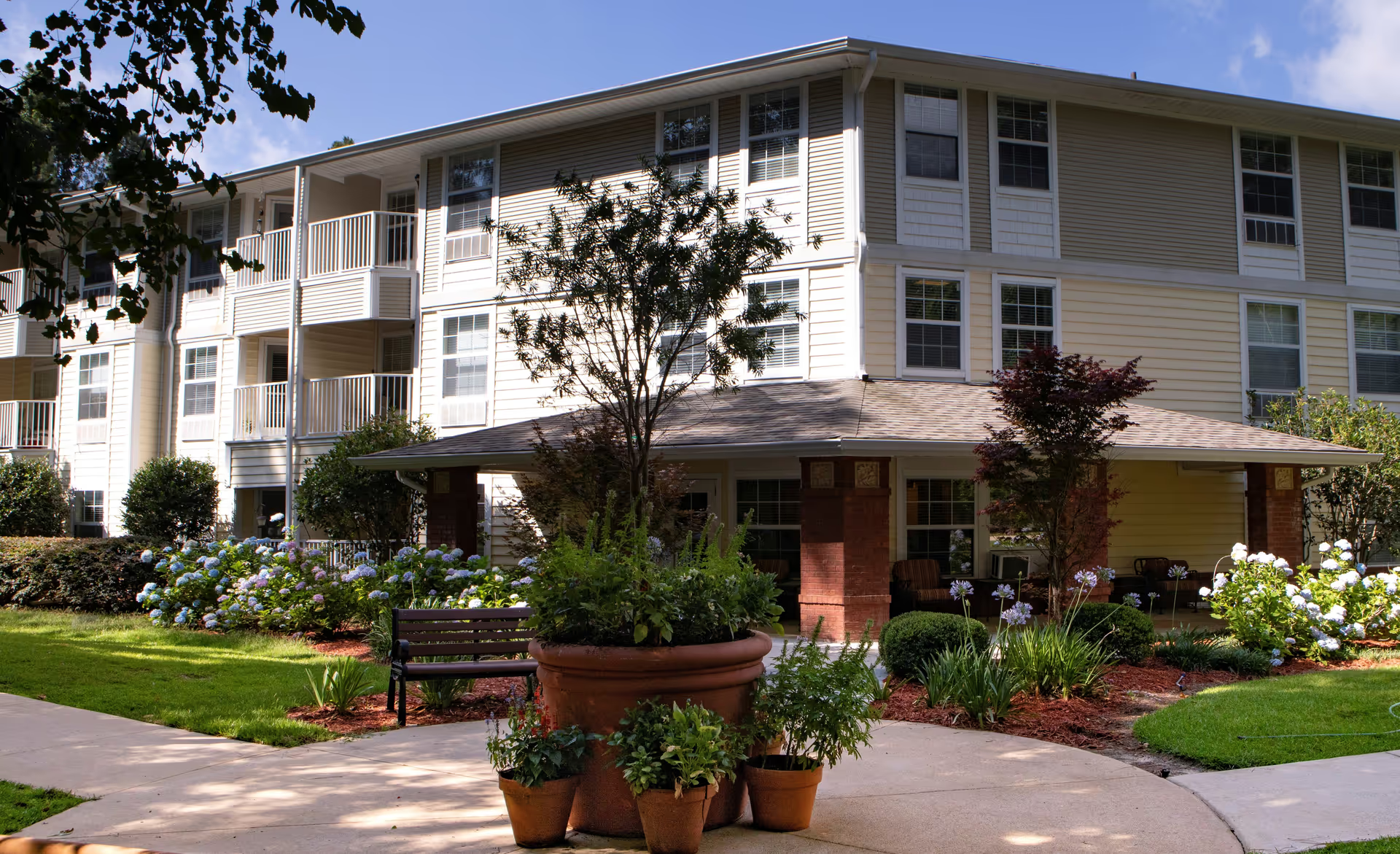
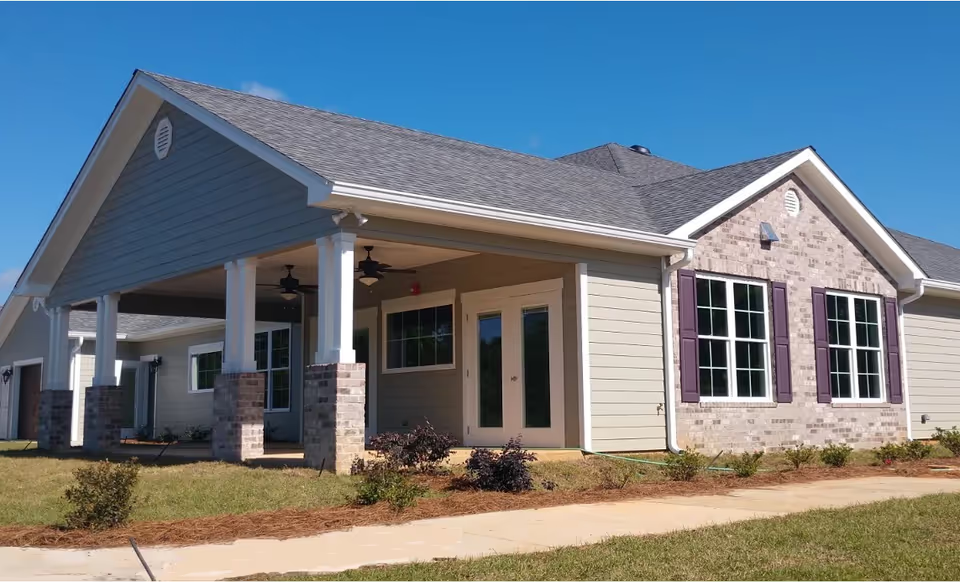
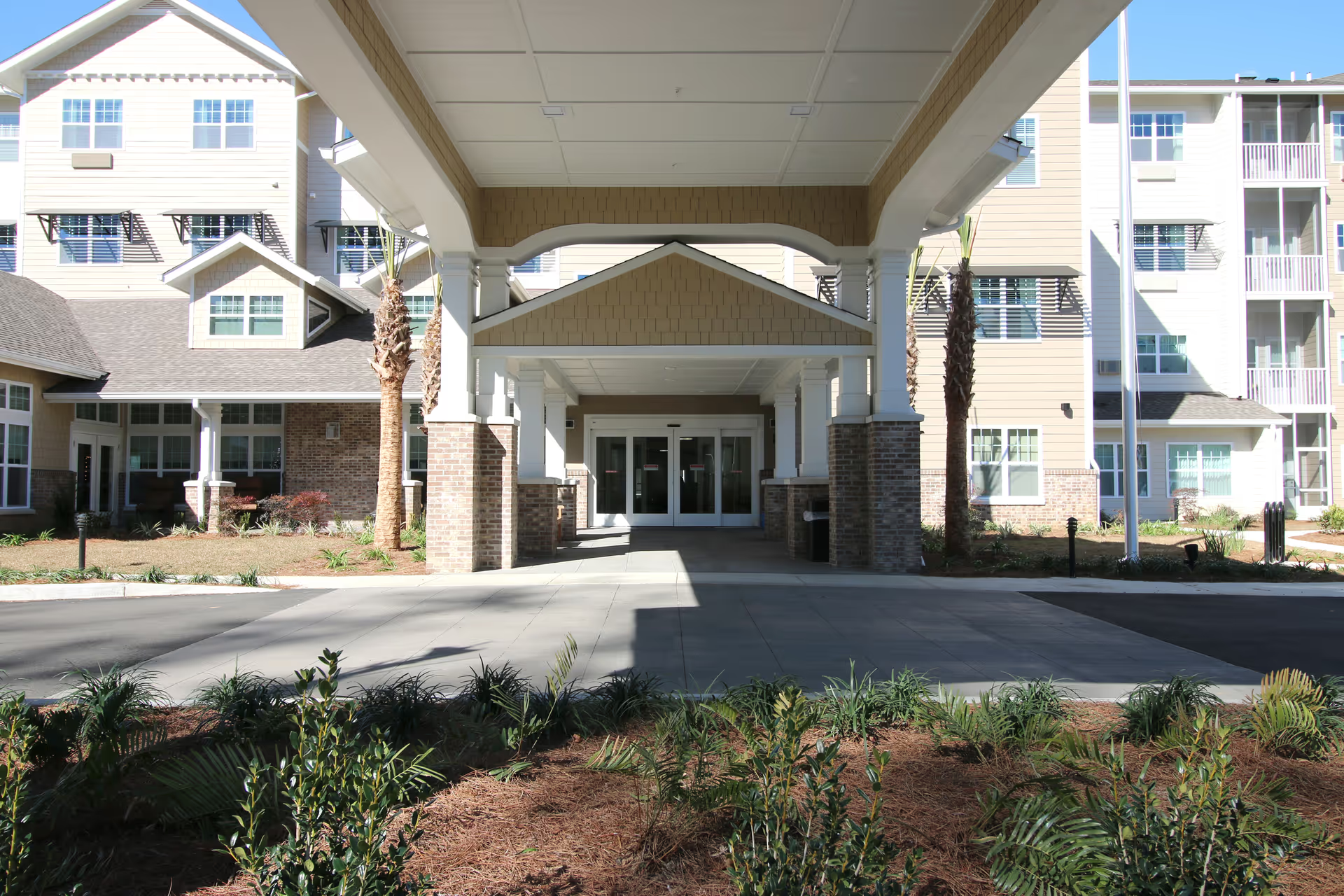
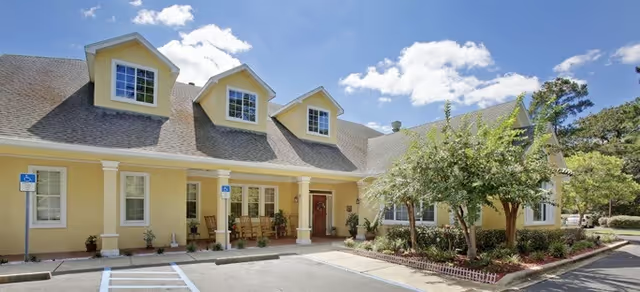
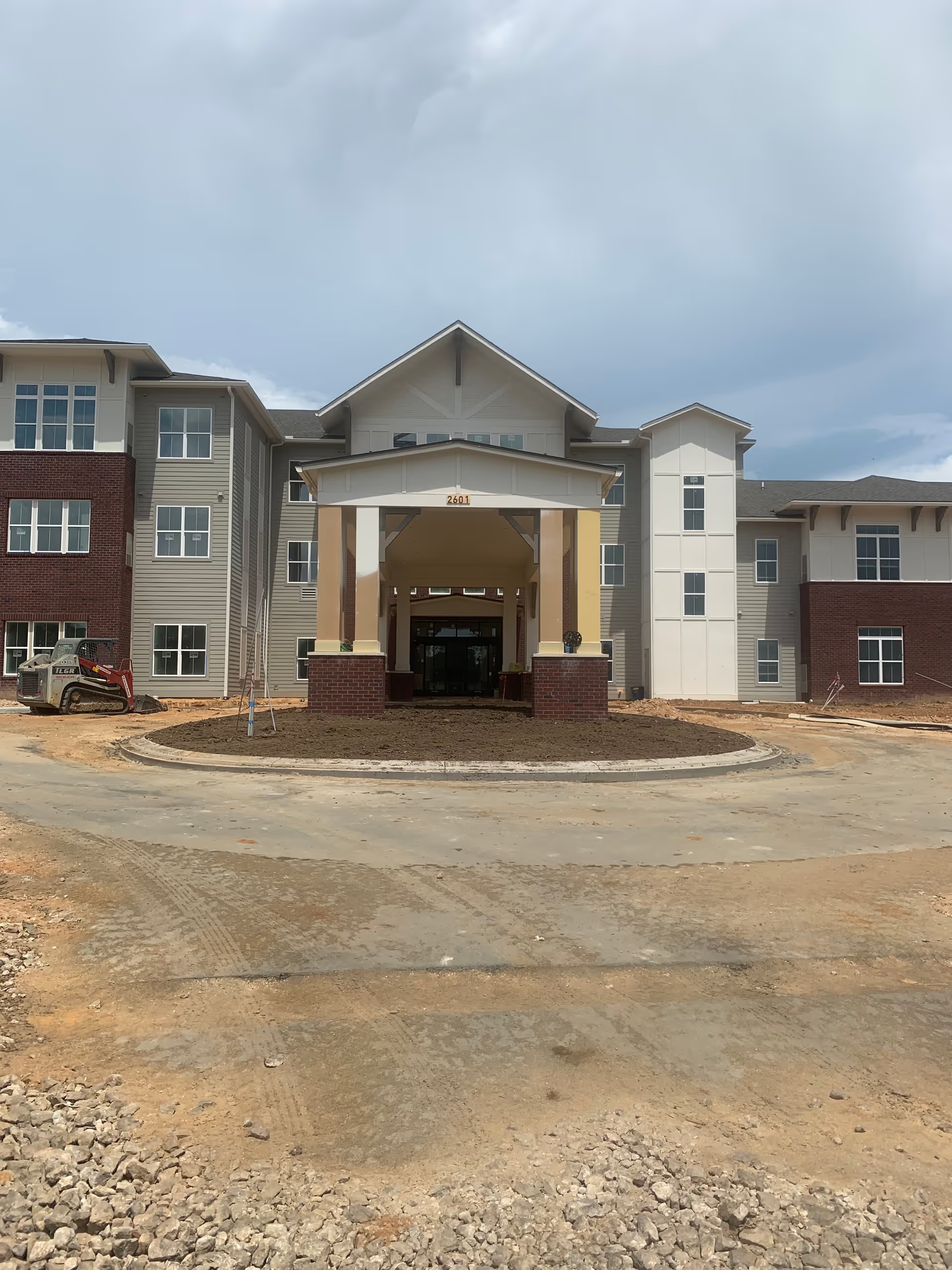
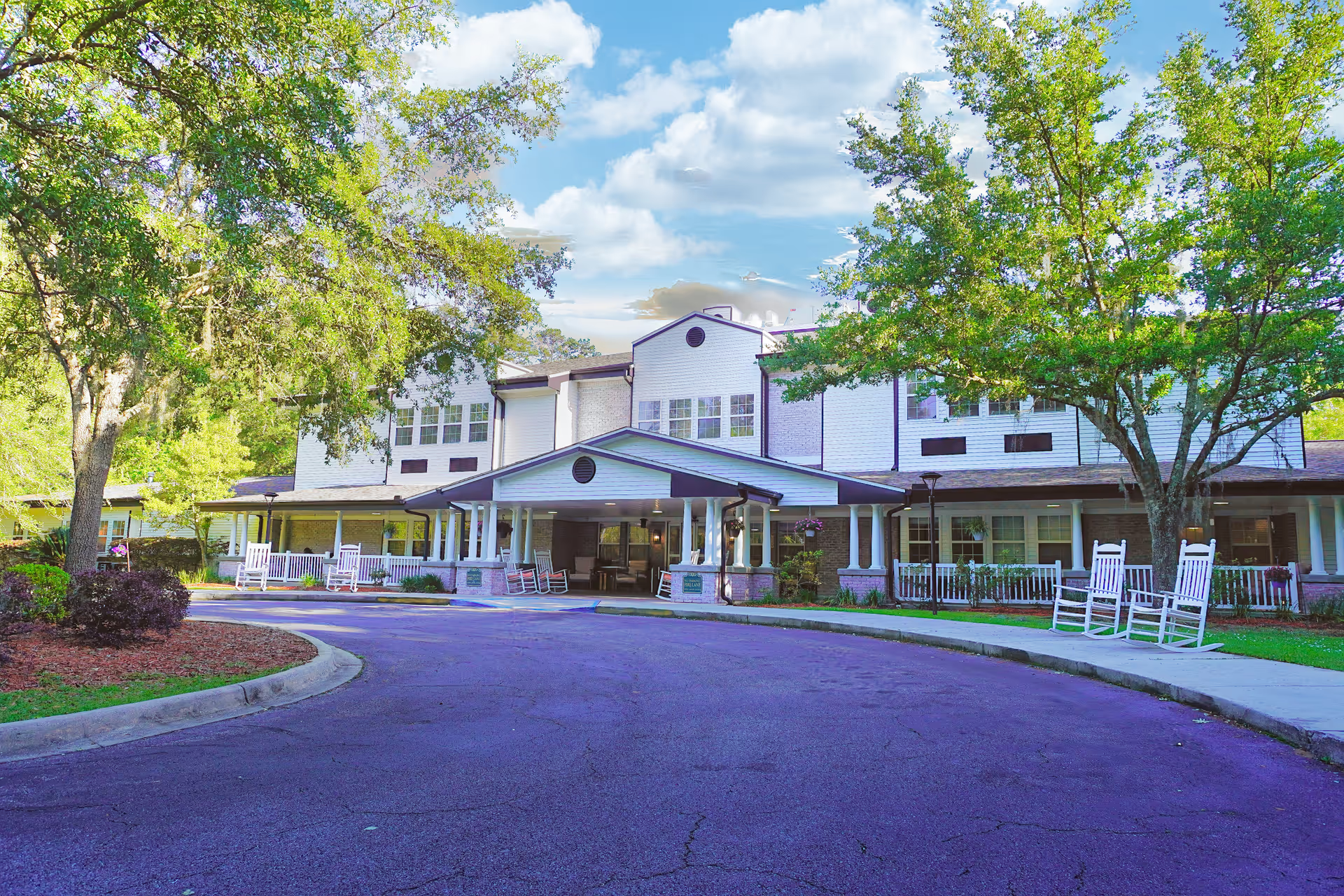
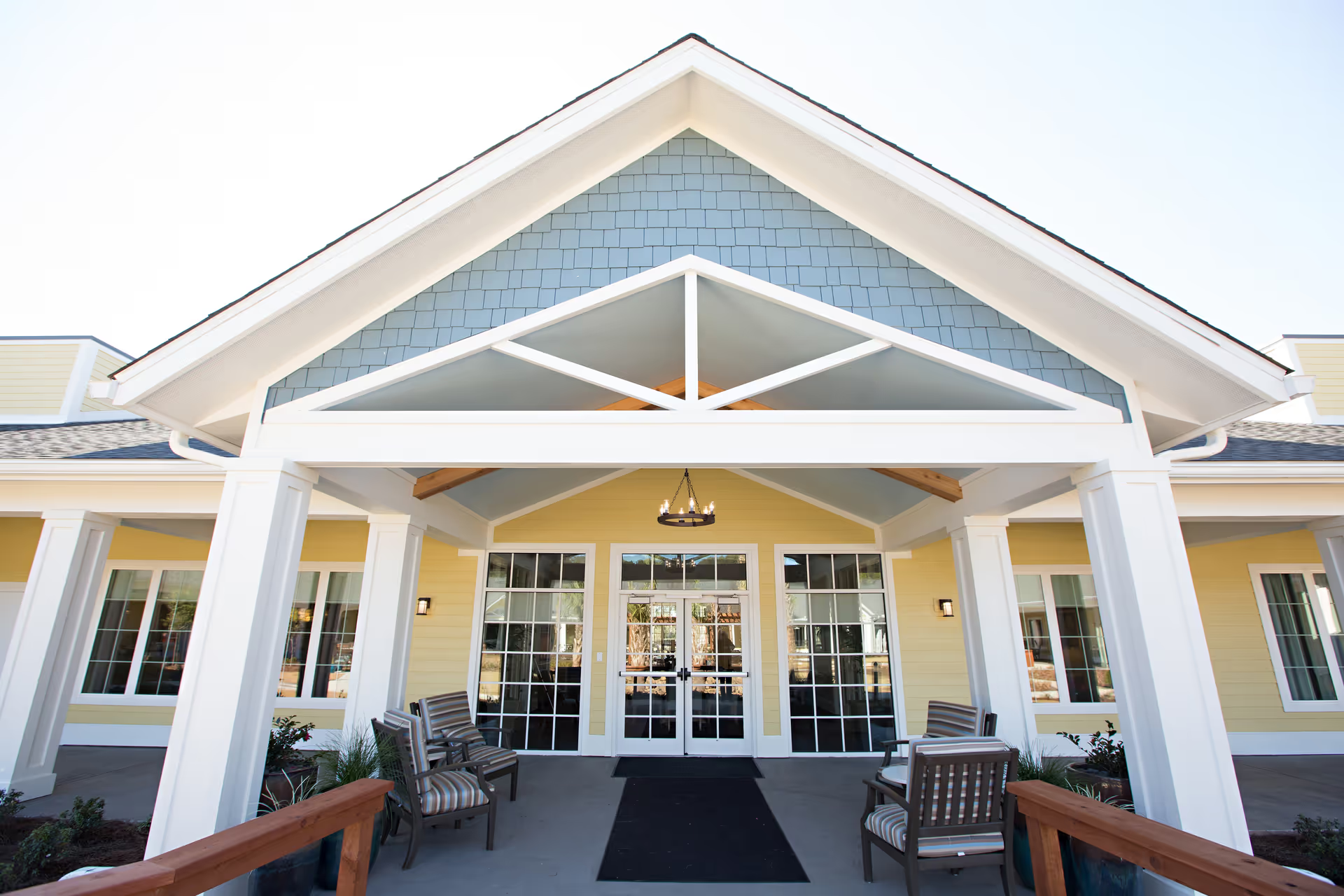
Red Hills Village Retirement Resort presents as a modern, amenity-rich retirement community with many features that appeal to independent older adults and their families. The facility is frequently described as clean, resort-like, and well appointed: apartments are often spacious with full kitchens, in-unit laundry and dishwashers, individual thermostats, soundproofing, and options for garages and patios. The campus offers a broad array of on-site amenities — a large theater, salon, gym, arcade, Main Street–style services (bank, post office, general store, pharmacy), and organized transportation and outings — which support a socially engaging, activity-focused lifestyle.
Staff and social climate are consistently cited as strengths. Residents and families describe friendly, welcoming peers and staff who are helpful, attentive, and competent; move-in coordination and resident orientation are generally praised. Housekeeping and routine maintenance are included in rent and commonly performed, contributing to the perception of maintenance-free living. The community emphasizes socialization, volunteer opportunities, and frequent programming, producing a “vacation-like” atmosphere for many residents.
Dining is a key selling point for many families: numerous accounts highlight made-from-scratch meals, abundant choices, flexible dining hours, meal delivery and 24-hour snack options (including coffee and soft-serve ice cream). At the same time, there is an emerging pattern of dining-program instability — kitchen staff turnover and buffet-style service preferences have produced inconsistent food quality and service experiences for some residents.
Several operational and management issues recur across observations. There is frequent management turnover and several accounts describe slow or inconsistent maintenance responsiveness, particularly after-hours and on weekends. Infrastructure concerns include moisture and mold issues cited in some units and intermittent equipment failures or phone/internet outages. Reviewers also note staffing experience gaps tied to recent hires and occasional lapses in the tone and transparency of management communications.
Care and services deserve specific attention when evaluating fit. Red Hills positions itself primarily as an independent-retirement community rather than a licensed care provider; that model is reflected in the absence or limitation of assisted-living services. This has led to concerns about screening and placement of residents who require higher levels of care. Prospective residents and families looking for on-site clinical or assisted-care capabilities should confirm the community’s clinical scope and admission criteria before moving forward.
In summary, Red Hills Village generally scores high on amenities, atmosphere, and resident-facing services such as dining, housekeeping, and social programming. The most notable negatives are operational: leadership turnover, inconsistent maintenance response, emerging building moisture/mold issues, dining-program instability, and rising costs. Prospective residents should weigh the strong campus features and community culture against these operational patterns, verify the community’s capacity for any needed care services, and ask specific questions about current management stability, maintenance protocols, and dining staffing plans during a tour.