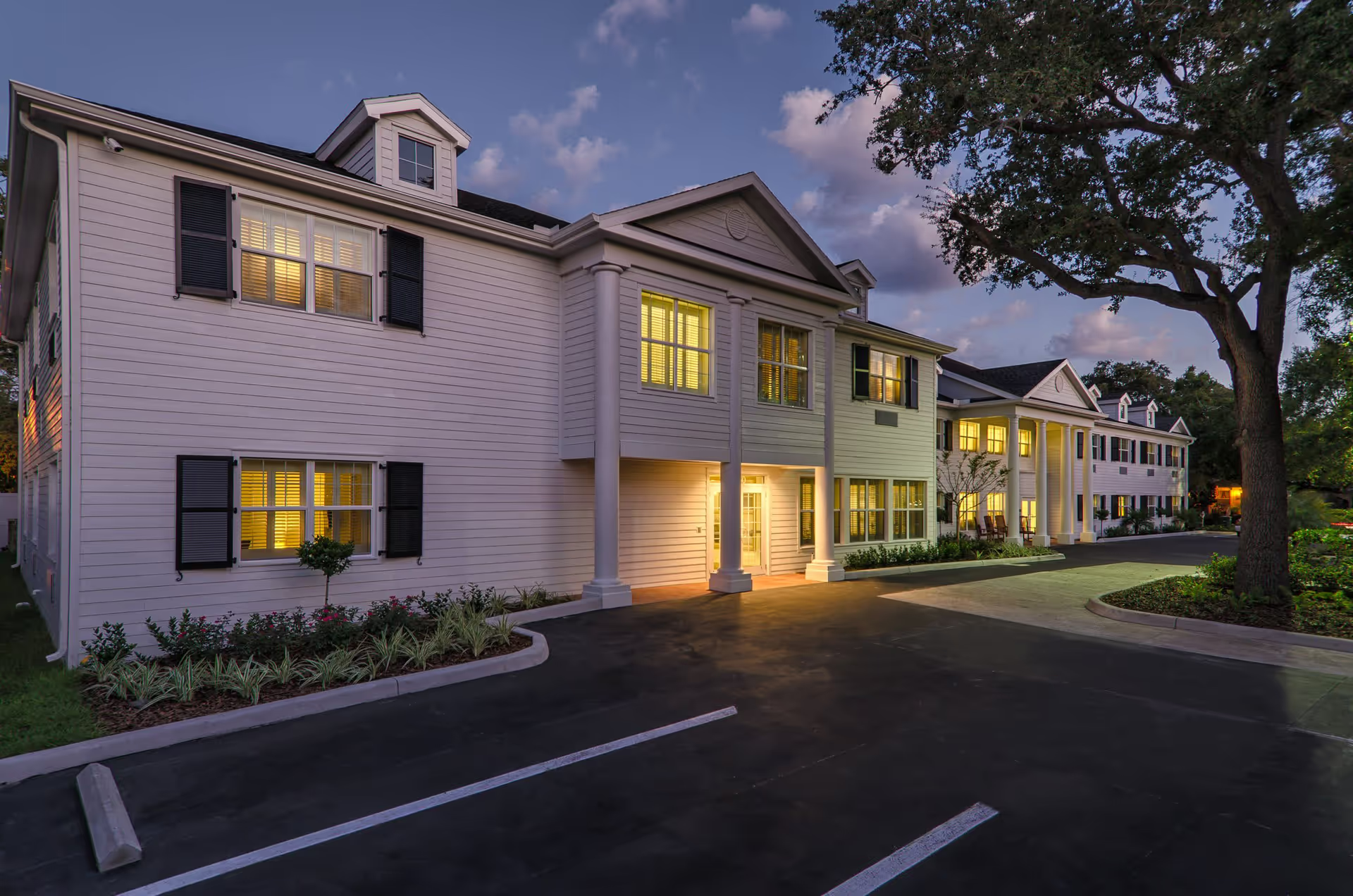
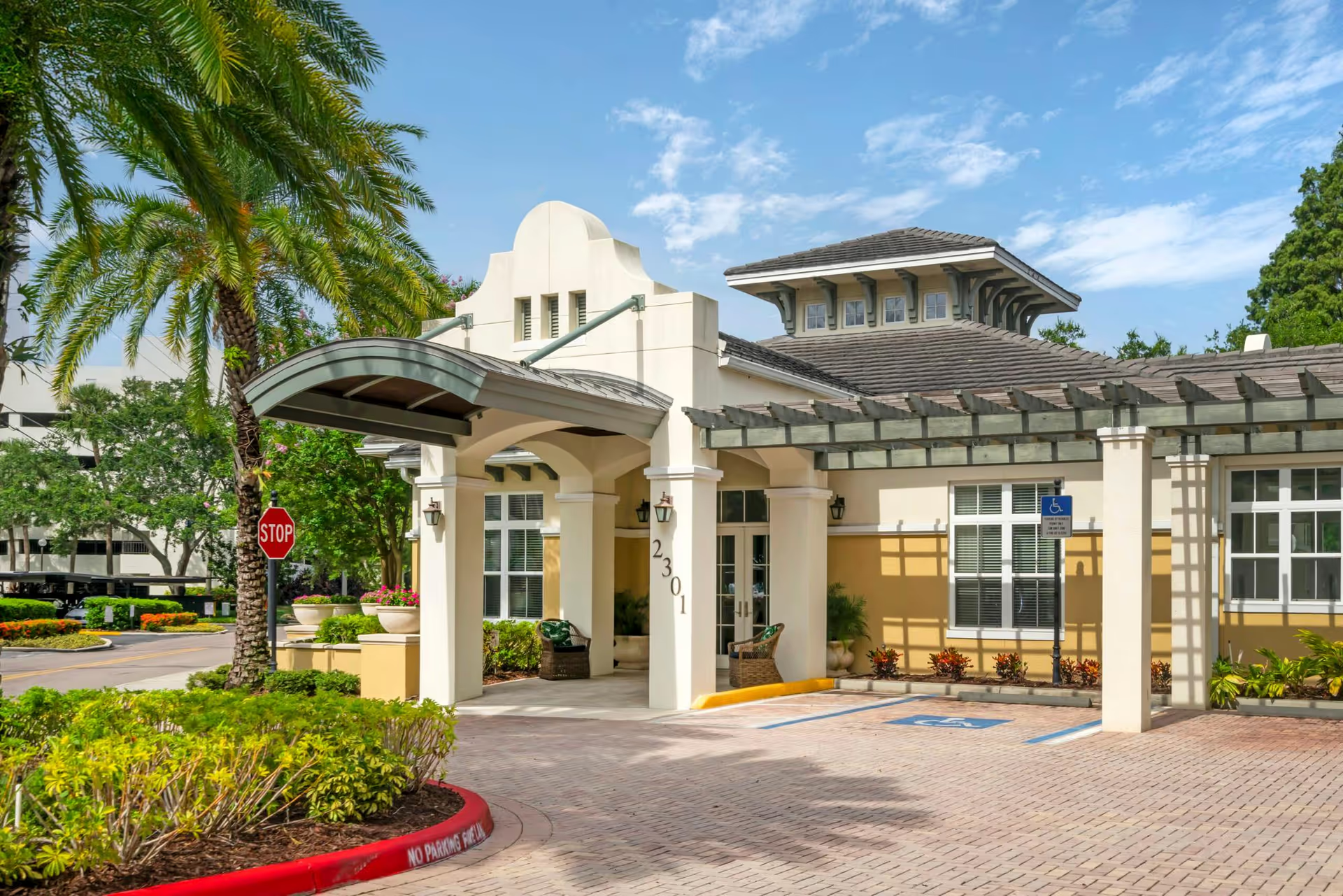
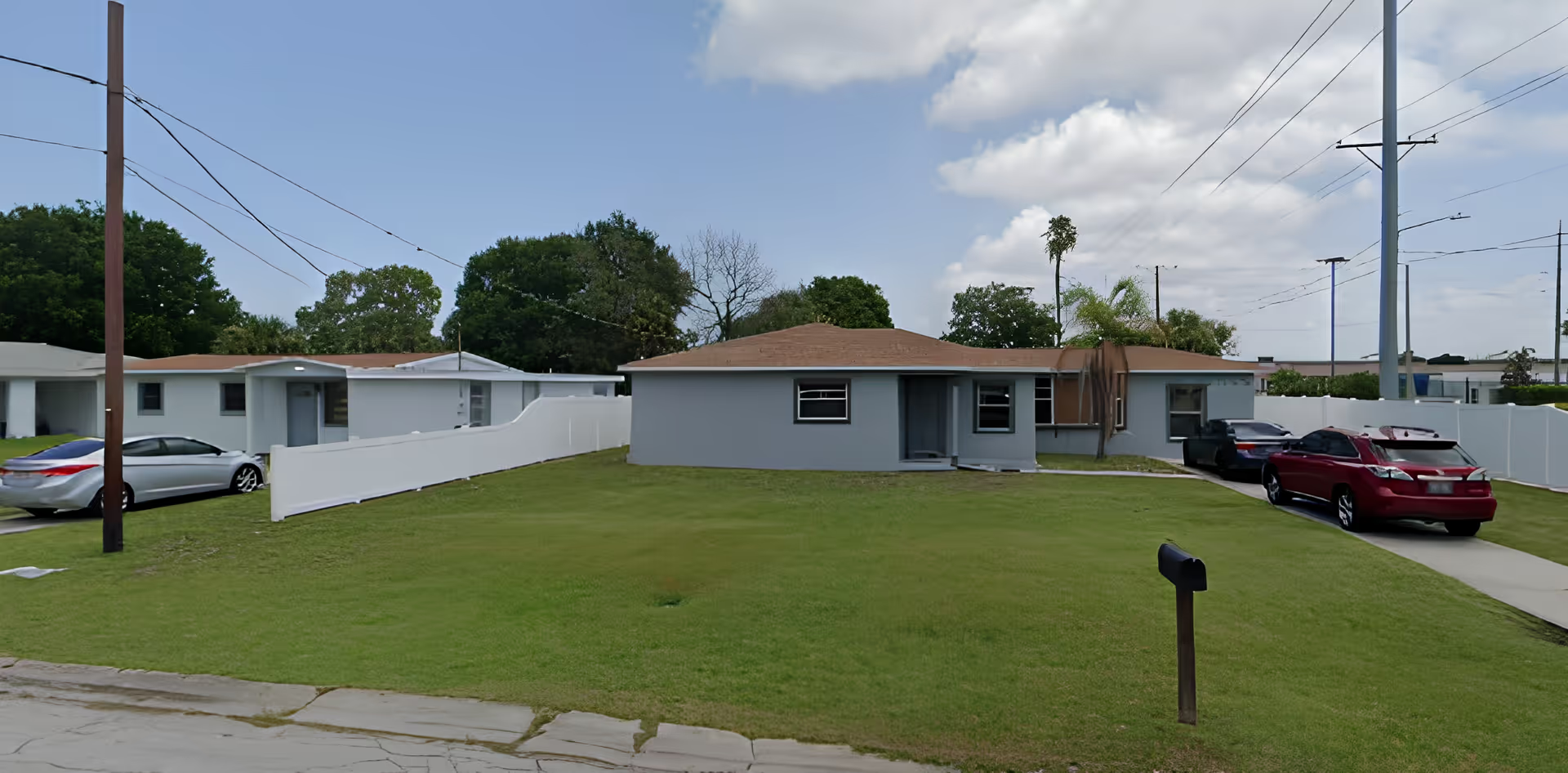
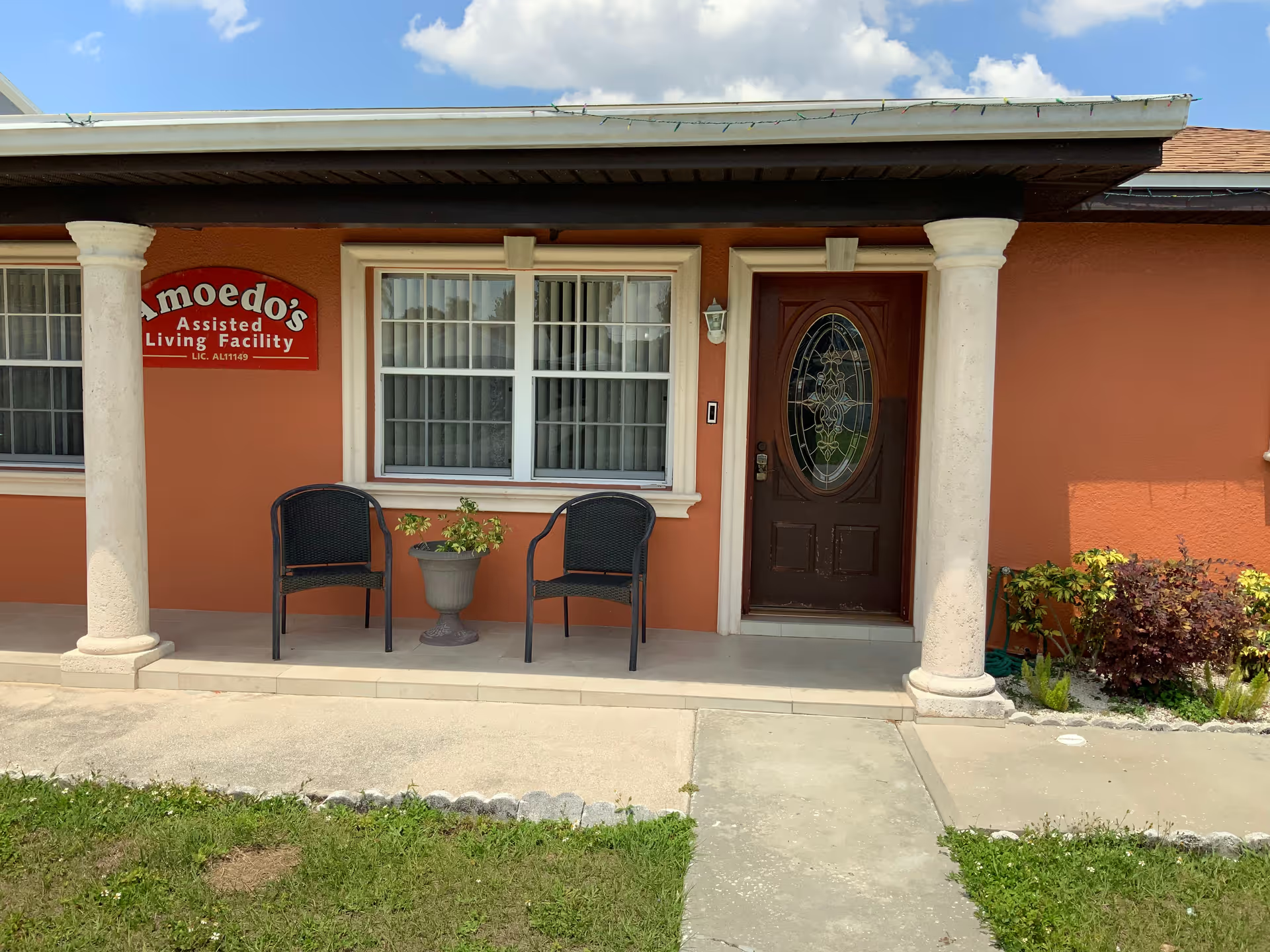
Overall impression of Angels Senior Living at Palma Ceia is mixed, with a clear polarization between strongly positive experiences and serious operational concerns. Several families praise the facility for a home-like environment, consistent caregiving relationships, and staff who provide personalized attention. These positive accounts emphasize good family communication, varied programming, nutritious meals, and practical conveniences such as on-site maintenance, pharmacy access, and a secure building entry.
Care and staff: Many reviews highlight compassionate, attentive caregivers and long-standing staff who provide individualized attention and continuity. At the same time, there are repeated concerns about inconsistent staffing levels and coverage, which reviewers link to delays in routine care tasks, incontinence-care supply shortages, and uneven responsiveness. Some notes indicate communication challenges when staff members and family members do not share a common language, and there are references to variations in staff conduct and tone. There are also specific concerns about medication-administration processes and coordination with pharmacy staff, suggesting the need for clearer clinical protocols and oversight.
Dining and activities: Several families report nutritious, varied, and well-prepared meals and an active entertainment calendar. Conversely, other accounts describe interruptions to kitchen service, reliance on prepackaged or canned items, and inconsistent availability of activities. This indicates variability in dining quality and program delivery that prospective families should clarify during a visit.
Facilities and maintenance: The community is described as smaller and residential in scale, which some residents and families find comforting. Positive comments include clean, well-kept private rooms and bathrooms in portions of the building. However, other reviews raise sanitation and odor concerns, pest-control issues, stained linens, and deteriorating furnishings or equipment. Reported maintenance shortcomings include broken equipment and uneven upkeep of common spaces. These contrasting observations suggest that physical conditions may vary by unit or by time.
Management and communication: Experiences with management are mixed. Some families praise proactive, family-focused leadership that coordinates care and provides peace of mind. Other reviews express frustration with management responsiveness, inconsistencies between marketing/tour impressions and day-to-day reality, and lapses in incident communication and escalation to families. A limited number of reviews include serious individual claims about particular incidents; these were framed by reviewers as significant and warrant further inquiry.
Notable patterns and recommendations: The dominant pattern is variability — strong positives around personalized care and community feel coexist with operational gaps in cleanliness, staffing, supply availability, and clinical coordination. Prospective residents and their families should tour the community during service hours, observe meal service and activities, ask for current staffing ratios and recent inspection reports, review medication-passing and infection-control protocols, and ask how management addresses sanitation and pest-control issues. Confirm how the facility communicates incidents to families and what contingency plans exist for staffing or kitchen interruptions. These steps will help assess whether the community’s strengths align with a specific resident’s needs and risk tolerance.